
World Bank approves COVID-19 aid package of $380m for Afghanistan

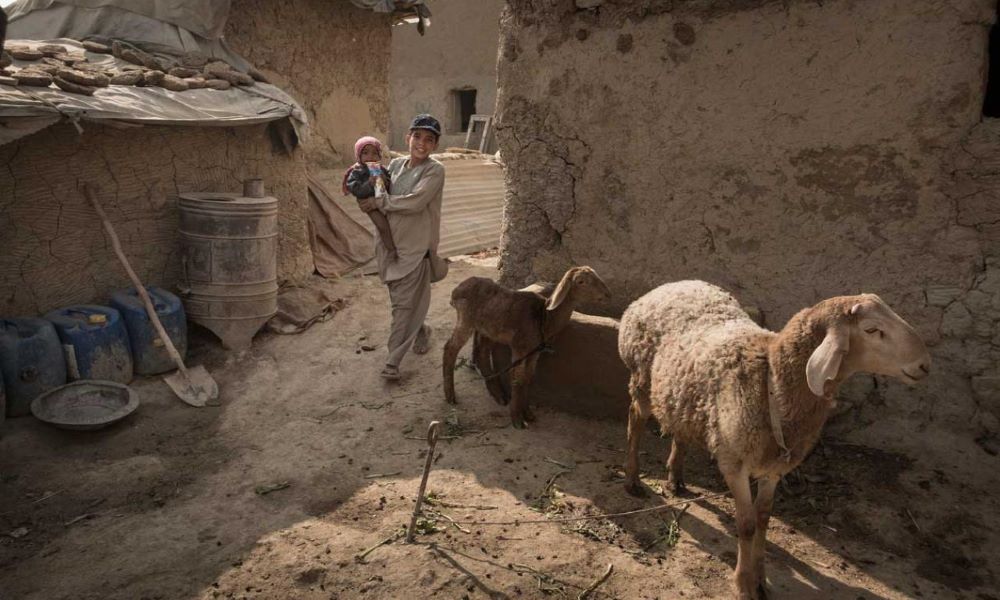
The World Bank has approved a financial package of $380 million to help Afghanistan cushion the economic impact of the COVID-19 pandemic on Afghan families.
The money will go towards helping households, support critical food supply chains, and provide emergency support to farmers.
The aid package, from dozens of donors, is made up of two grants that will go towards specific projects.
#خبر: بانک جهانی امروز بسته جدید کمک مالی بلاعوض به ارزش مجموعی ۳۸۰ میلیون دالر امریکایی را به منظور کاهش اثرات اقتصادی ویروس کووید-۱۹ بالای خانواده های فقیر و بی بضاعت و تامین مصوونیت غذایی در افغانستان تصویب کرد. جزییات بیشتر این خبر را اینجا بخوانید:https://t.co/L5qr0XmtVb pic.twitter.com/LnkVOB8VPu
— World Bank South Asia (@WorldBankSAsia) August 5, 2020
“The living conditions of millions of Afghan families have severely worsened due to the impacts of the COVID-19 outbreak,” said Henry Kerali, World Bank Country Director for Afghanistan.
“These grants will help the Government of Afghanistan address the urgent needs of most households and ensure that Afghan farmers can continue to produce food at a time when imports and exports are severely disrupted. This will extend economic opportunities and create jobs for the wider rural population,” he said.
A $280 million grant will fund the COVID-19 Relief Effort for Afghan Communities and Households (REACH) Project.
This project will benefit some 2.9 million households across Afghanistan.
The second grant, of $100 million, will fund the Emergency Agriculture and Food Supply Project (EATS).
The project aims to improve food security by increasing local food production and strengthening critical commercial food supply chains, especially wheat as the staple crop for over 70 percent of the Afghan population.
The project will also provide short-term employment in rural areas in the development of productive assets such as irrigation schemes.
In rural areas, measures to prevent the spread of COVID-19 have disrupted farming, leaving Afghan farmers unable to sow their crops on time, while in urban areas food prices are rising with shortages of food supply becoming more urgent.
According to the World Bank, the COVID-19 Relief Effort for Afghan Communities and Households Project will be implemented through the Ministry of Rural Rehabilitation and Development (MRRD), the Independent Directorate for Local Governance (IDLG), and the Kabul Municipality.


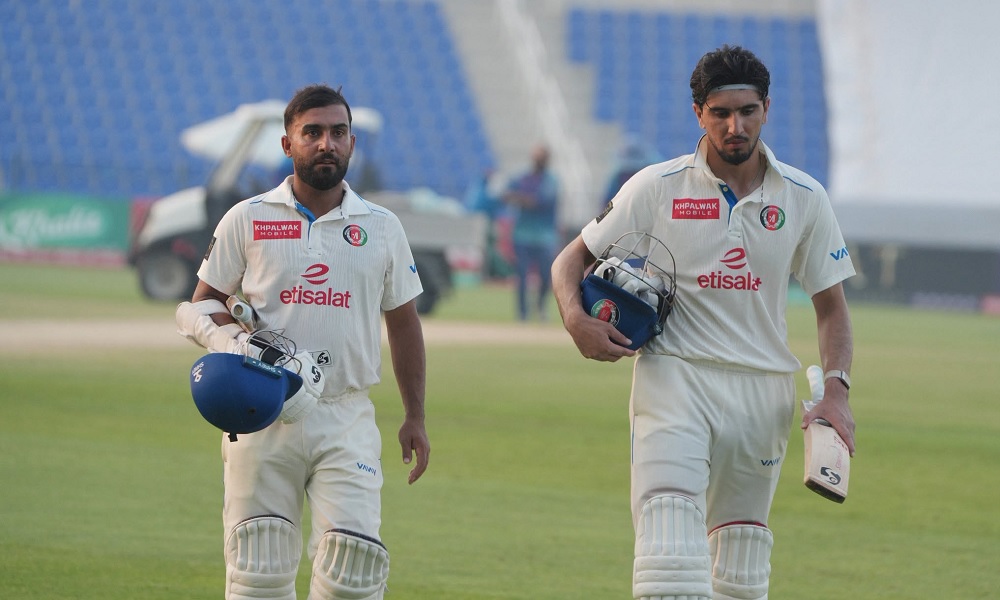
Afghanistan were left needing 347 more runs to reach their 479-run target, with seven wickets in hand, after Bangladesh strengthened their grip on the one-off Test in Abu Dhabi on Monday.
Afghanistan ended the fourth day at 132 for three, with Sediqullah Atal unbeaten on 35 after facing 126 deliveries and Hashmatullah Shahidi not out on 19.
Captain Rahmat Shah was dismissed for 51 shortly before stumps, giving Bangladesh a crucial breakthrough as Afghanistan attempted to build a solid partnership in their chase.
Rahmat, who scored a century in the first innings, had steadied Afghanistan’s innings alongside Atal after the early dismissals of Abdul Malik and Shahidullah. The pair helped Afghanistan cross the 100-run mark, but Rahmat fell to Ebadot Hossain, who found the outside edge with a delivery that moved slightly off the pitch.
Earlier, Bangladesh declared their second innings at 372 for seven shortly after lunch, setting Afghanistan the formidable target of 479 runs.
Wicketkeeper-batter Litton Das led Bangladesh’s charge with a century, while Mehidy Hasan Miraz remained unbeaten on 51. The pair added 149 runs for the seventh wicket, strengthening Bangladesh’s position after Afghanistan had created several opportunities to break the partnership.
Litton’s performance also saw him complete eight dismissals in the match, setting a new Bangladesh record for the most dismissals by a wicketkeeper in a Test.
Afghanistan now face a challenging task to save the match, with seven wickets remaining and 347 runs still required for victory. Bangladesh, meanwhile, need seven more wickets to secure the win.


Tahawol: Kabul’s criticism of Islamabad’s policy toward Afghanistan

Saar: Pakistan deploying army in KP

Afghanistan face daunting 479-run chase against Bangladesh in Abu Dhabi Test

Afghanistan reports efforts to prevent child marriage as UNICEF urges action

Afghanistan U19 begin Asia Cup Preparations with Oman tour

EU and FAO launch €5m programme to strengthen Afghanistan’s agrifood sector

Cricket Bonanza: Afghanistan set for packed international schedule

Houthi advance in Yemen puts U.S. in a new bind

New warnings reignite debate over AI threat to humanity

UN warns of mounting humanitarian and human rights pressures in Afghanistan
Tahawol: Kabul’s criticism of Islamabad’s policy toward Afghanistan
Saar: Pakistan deploying army in KP

Tahawol: EU appointing new envoy for Afghanistan

Saar: Pakistan’s political, security and economic crises

Saar: Ongoing expulsion of Afghan refugees from Iran and Pakistan discussed
-

 Regional4 days ago
Trump says US will not attack Iran before midterm elections in November
-
 Business4 days ago
Russia-Afghanistan trade surges 150% in first seven months of 2026
-
 Latest News3 days ago
Pakistan issues new directives for Afghan medical students and doctors
-

 World5 days ago
Denmark says Russia has conducted sabotage attacks against its defense firms
-

 World4 days ago
Witkoff, Kushner to meet Ukrainians for talks on the war, says US source
-

 Sport4 days ago
Arman FC defeat Istiqlal Kabul 3-2 in thrilling comeback
-

 Latest News2 days ago
Iranian lawmaker praises Afghanistan’s support, accuses Pakistan of ‘hypocrisy’
-

 Business5 days ago
Afghan products attract Saudi buyers at major food expo in Jeddah