
Latest News
World Bank approves $97 million grant to increase food security

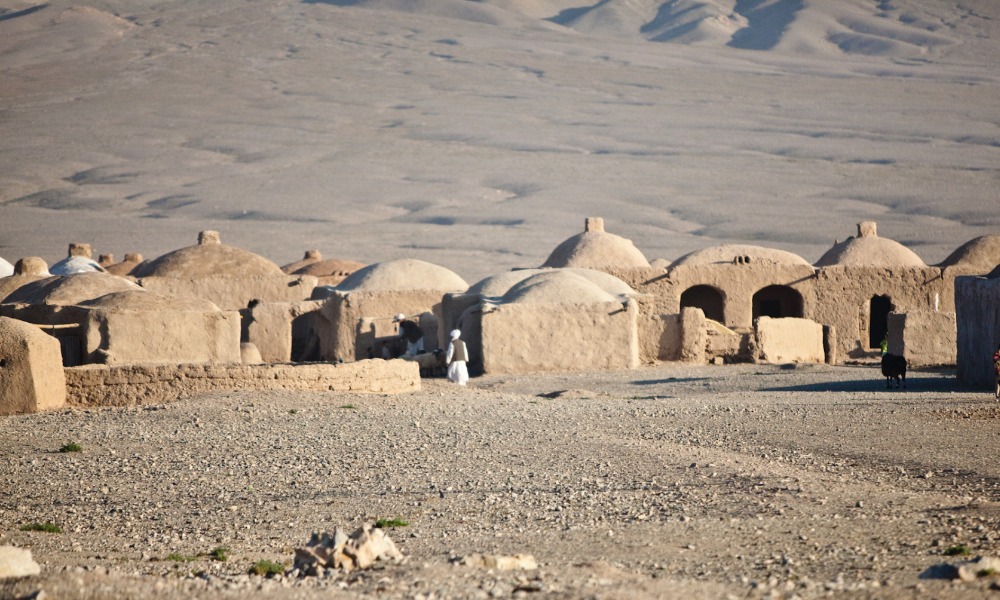
The World Bank has approved a grant of $97.50 million, from the International Development Association (IDA), to provide regular and predictable cash support to Afghans affected by drought and COVID-19 and improve food and nutrition security.
In a statement issued on Tuesday, the World Bank stated that the grant will also help build Afghanistan’s drought early warning and response systems.
“The grant will help finance the Drought Early Warning, Early Finance, and Early Action Project (ENETAWF),” the statement said.
According to the statement, the project will complement regular humanitarian relief efforts and provide unconditional cash support and cash-for-work benefits to about 2.2 million Afghans in the 78 districts most affected by food insecurity and drought.
“The project will provide regular targeted financial assistance to households to build resilience and scale-up support across the country before and during droughts. It will also support the Government of Afghanistan to deliver critical weather, water, and climate information services, disseminate early warnings, and strengthen disaster preparedness within communities,” the statement read.
“The IDA grant complements grants of $115 million from the Afghanistan Reconstruction Trust Fund, a multi-donor trust fund managed by the World Bank on behalf of 34 donors, plus $8 million from the Global Risk Financing Facility, and $2 million from the program for Asia Resilience to Climate Change Multi-donor Trust Fund.”
“Afghanistan is one of the countries most affected and vulnerable to climate change and natural disasters, and its weak response system has further contributed to this vulnerability,” said Henry Kerali, World Bank Country Director for Afghanistan.
“This new financial assistance will help the Government of Afghanistan lessen drought impacts that have displaced millions of Afghans and pushed them into poverty. The project’s support to Afghan rural households will contribute to overall poverty reduction and economic recovery,” Kerali added.
The organization stated that Afghanistan is highly vulnerable to intense and recurring droughts, which further undermine its growth and stability.
“Natural disasters have spurred displacement, poverty, and food insecurity among rural Afghans, which the COVID-19 pandemic has exacerbated. Rural households, dependent on subsistence agriculture in drought-prone, rainfed areas, are especially vulnerable to food and nutrition insecurity,” the World Bank said.
The World Bank noted that the project will be implemented by the Minister of Rural Rehabilitation and Development, under which the National Emergency Operations Center in the disaster management agency will be strengthened.
“In addition, a Disaster Risk Management Resource Center will be established at the ministry.”
“In line with the World Bank Group’s institutional strategy on Fragility, Conflict, and Violence, the investments outlined in this project will seek to mitigate drivers of fragility by addressing some of its root causes and it will seek to strengthen the institutions necessary to transition the country out of fragility,” the statement concluded.




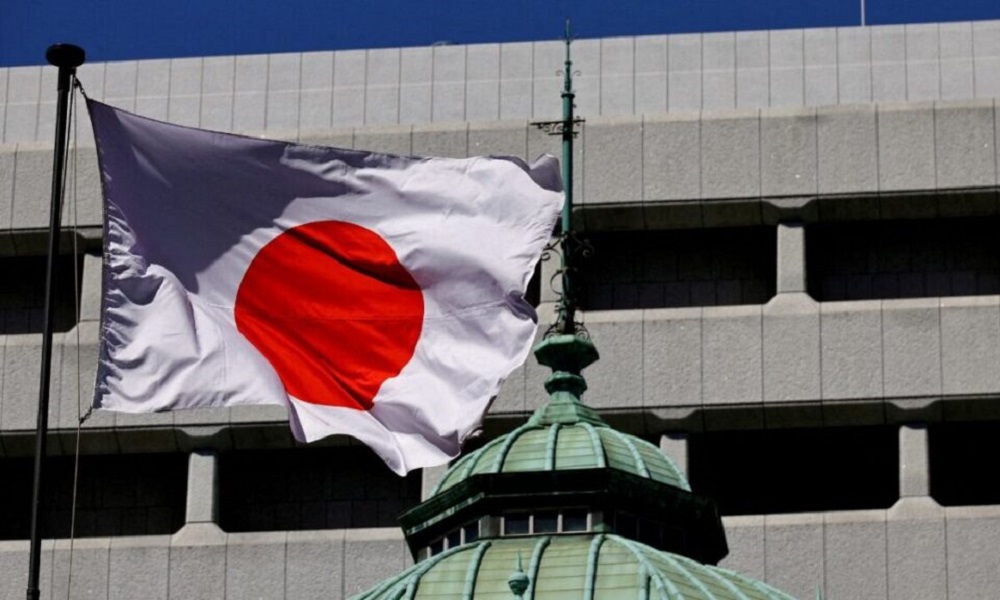
The Embassy of Japan in Afghanistan announced on Friday that the country has allocated $19.5 million in humanitarian assistance to Afghanistan.
In a statement, the Japanese Embassy said it hopes the aid will help bring positive change to the lives of vulnerable Afghans.
According to the statement, the assistance will cover the basic humanitarian needs of vulnerable communities in Afghanistan.
The embassy added that the aid will be delivered through United Nations agencies, international organizations, and Japanese non-governmental organizations operating in Afghanistan.
Japan’s total assistance to Afghanistan since August 2021 has reached more than $549 million.
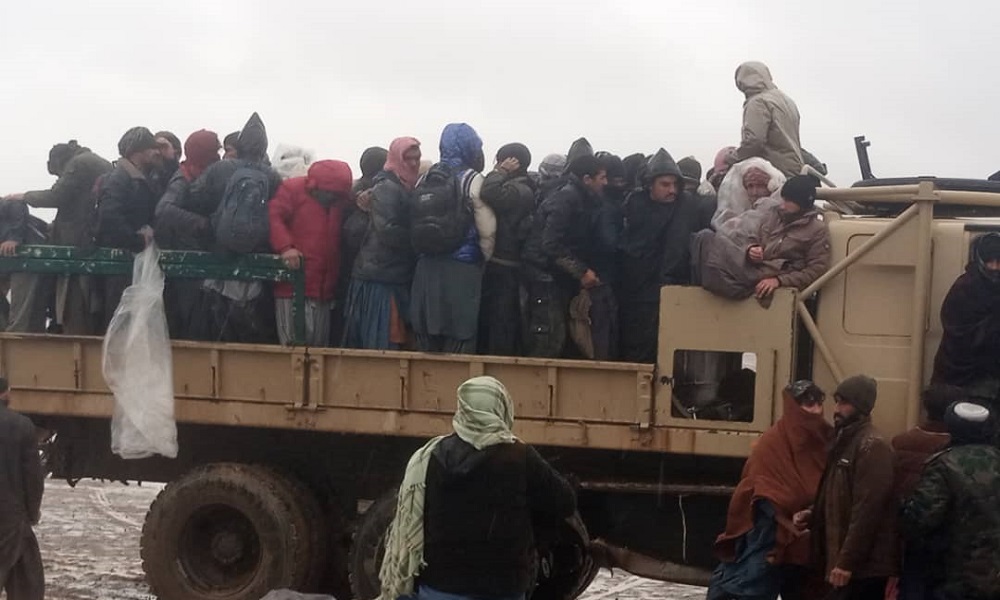
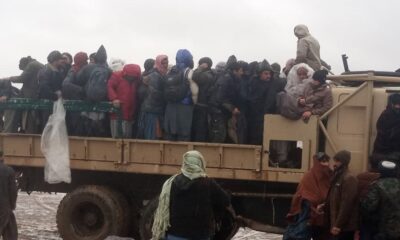
Security forces at the Islam Qala border in Herat province prevented hundreds of young Afghans from illegally entering Iran.
Officials from the 207 Al-Farooq Army Corps said that around 530 people attempted over the past two days to illegally enter Iranian territory through areas of Kohsan district in Herat, but border forces detained them and transferred them back to their original areas.
Meanwhile, officials in the local administration of Herat said that due to severe cold along the illegal migration route to Iran, three Afghan migrants have lost their lives in the Kohsan district of the province, and a shepherd has also died there for the same reason.
Mohammad Yousuf Saeedi, spokesperson for the Herat governor’s office, said that some statistics and images shared on social media regarding the incident are not reliable.
According to him, further investigations are underway to determine whether any individuals have died on the other side of the border.
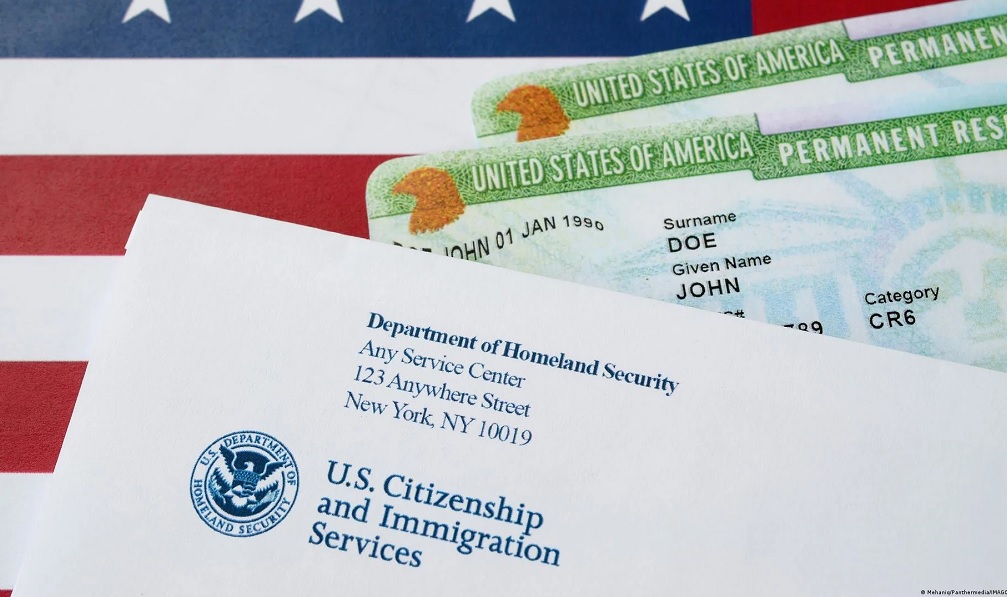
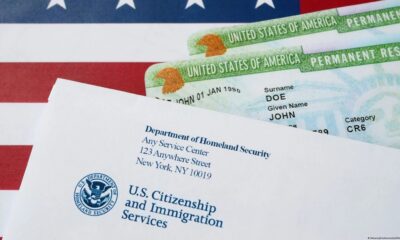
President Donald Trump suspended the green card lottery program on Thursday that allowed the suspect in the Brown University and MIT shootings to come to the United States.
Homeland Security Secretary Kristi Noem said in a post on the social platform X that, at Trump’s direction, she is ordering the United States Citizenship and Immigration Services to pause the program, the Associated Press reported.
“This heinous individual should never have been allowed in our country,” she said of the suspect, Portuguese national Claudio Neves Valente.
Neves Valente, 48, is suspected in the shootings at Brown University that killed two students and wounded nine others, and the killing of an MIT professor. He was found dead Thursday evening from a self-inflicted gunshot wound, officials said.
Neves Valente had studied at Brown on a student visa beginning in 2000, according to an affidavit from a Providence police detective. In 2017, he was issued a diversity immigrant visa and months later obtained legal permanent residence status, according to the affidavit. It was not immediately clear where he was between taking a leave of absence from the school in 2001 and getting the visa in 2017.
The diversity visa program makes up to 50,000 green cards available each year by lottery to people from countries that are little represented in the U.S., many of them in Africa. The lottery was created by Congress, and the move is almost certain to invite legal challenges.
Nearly 20 million people applied for the 2025 visa lottery, with more than 131,000 selected when including spouses with the winners. After winning, they must undergo vetting to win admission to the United States. Portuguese citizens won only 38 slots.
Lottery winners are invited to apply for a green card. They are interviewed at consulates and subject to the same requirements and vetting as other green-card applicants.
Trump has long opposed the diversity visa lottery. Noem’s announcement is the latest example of using tragedy to advance immigration policy goals. After an Afghan man was identified as the gunman in a fatal attack on National Guard members in November, Trump’s administration imposed sweeping rules against immigration from Afghanistan and other counties.
While pursuing mass deportation, Trump has sought to limit or eliminate avenues to legal immigration. He has not been deterred if they are enshrined in law, like the diversity visa lottery, or the Constitution, as with a right to citizenship for anyone born on U.S. soil. The Supreme Court recently agreed to hear his challenge to birthright citizenship.


Tawsia: India’s enthusiasm for investing in Afghanistan discussed

Japan allocates nearly $20 million in humanitarian aid for Afghanistan

Afghan border forces prevent illegal entry of hundreds into Iran

US pauses green card lottery program after Brown University shooting

India issues over 200 medical visas to Afghans in last four months

Afghanistan U19 cricket team defeats India A U19

Afghanistan economy under pressure as Pakistan shocks reshape trade flows

Gaza death toll tops 70,000, health ministry says

India set to establish pharmaceutical factories in Afghanistan: MoIC

Afghanistan offers tax breaks, free land to attract Indian investors
Tawsia: India’s enthusiasm for investing in Afghanistan discussed

Tahawol: Global concerns over migration escalation discussed

Saar: Calls for Afghanistan’s balanced, economy-oriented foreign policy discussed

Tahawol: Discussion on regional countries’ meetings on Afghanistan

Saar: Regional efforts to address Afghanistan-Pakistan issues discussed
-

 Latest News5 days ago
Germany speeds up admission of Afghans from Pakistan
-

 Sport5 days ago
IPL 2026 Auction set for Abu Dhabi with $28.6 million purse at stake
-
 Latest News4 days ago
Afghanistan to establish independent oil and gas authority
-

 Latest News5 days ago
US intelligence chief warns of ‘direct threat’ from suspected terrorists inside the country
-

 Latest News3 days ago
IEA supreme leader stresses enforcement of Sharia law and sincere public service
-

 International Sports4 days ago
ILT20: Desert Vipers qualify for playoffs with five-wicket win over Dubai Capitals
-

 World5 days ago
Father and son behind Bondi Jewish festival shooting that killed 15, Australian police say
-

 International Sports4 days ago
ATN secures broadcast rights for four major AFC sporting events