
Health
WHO says infertility affects 1 in 6 globally, calls for more consistent data

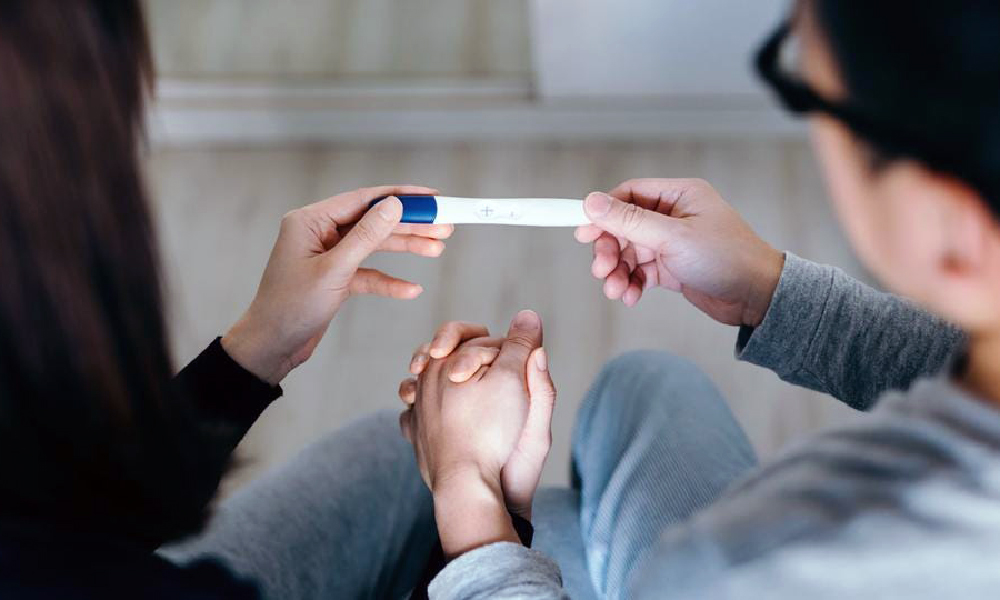
About one in six adults globally have experienced infertility at least once in their life, the World Health Organization (WHO) said in a report on Monday, urging countries to actively collect more consistent data on the disease, Reuters reported.
The report analyzed existing studies conducted from 1990 to 2021 and showed that about 17.5% of adults across the world were affected by the inability to have a child. WHO officials said the report takes into account several research approaches.
“The sheer proportion of people affected show the need to widen access to fertility care and ensure this issue is no longer sidelined in health research and policy,” said the U.N. health agency’s chief, Tedros Adhanom Ghebreyesus.
The WHO defines infertility as a disease of the male or female reproductive system that is defined by the failure to achieve a pregnancy after 12 months or more of regular unprotected sexual intercourse.
There was no evidence of increasing rates of infertility between 1990 and 2021, the global health agency’s unit head for Contraception and Fertility Care, James Kiarie, told journalists on a call.
“Based on the data we have, we cannot say that infertility is increasing or constant … the jury’s still out on that question,” he said, citing that data so far has been mixed and inconsistent.
The report highlights the need for countries to collect and share consistent data on infertility, separated by age and cause, as well as information on those who need fertility care, Reuters reported.
About 17.8% of adults in high-income countries have experienced infertility at least once and about 16.5% of adults in low- and middle-income countries, according to the report.

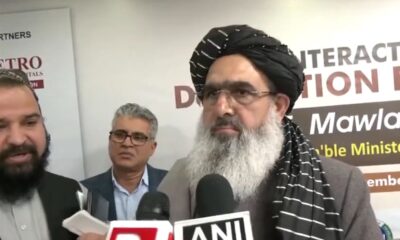


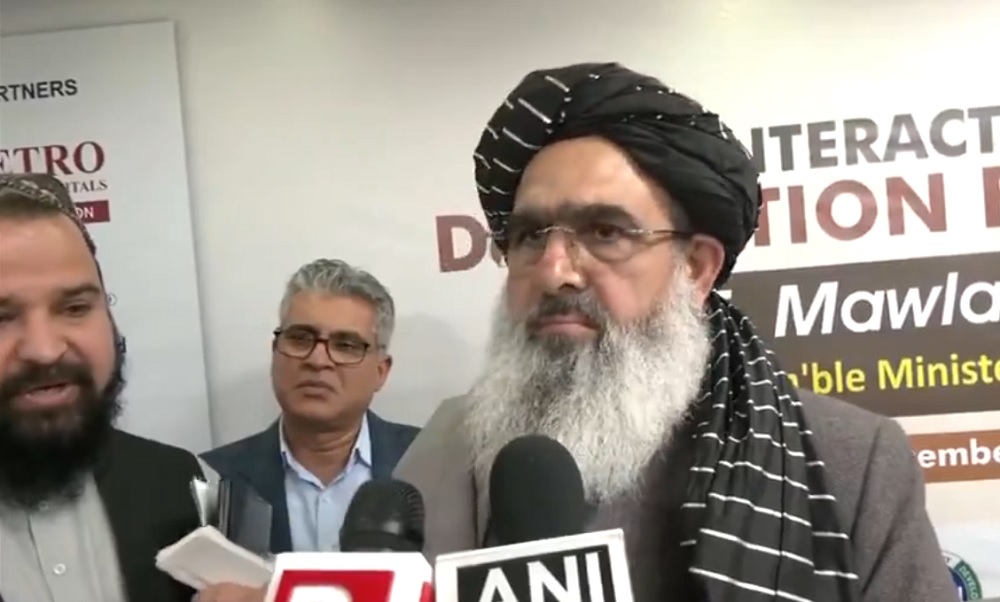
Afghanistan’s Minister of Public Health, Noor Jalal Jalali, has said that Afghanistan is looking to strengthen health-sector cooperation with India, as relations with Pakistan have cooled and the country seeks alternative partners to meet its medical needs.
Speaking during his visit to India, Jalali said his primary focus is combating disease and improving public health, stressing that he is ready to seek assistance and cooperation from any country willing to help Afghanistan in this regard.
“My enemy is disease,” Jalali told reporters. “I will shoot at it from anywhere it is possible.”
He said the purpose of his visit is to open a new chapter of cooperation between Afghanistan and India.
Jalali noted that a significant portion of Afghanistan’s medicine requirements had previously been met by Pakistan. However, amid strained relations with Islamabad, the Islamic Emirate is now exploring alternative options to ensure the steady supply of essential medicines. He added that India could serve as a key partner.

Since the launch of the new Afghan visa module in April 2025, more than 500 visas, including over 200 medical visas, have been issued in the last four months, Indian media reported citing a senior Health Ministry official on Thursday.
India has also approved and implemented several key healthcare infrastructure projects in Afghanistan, including the construction of five maternity and health clinics in the provinces of Paktia, Khost and Paktika, a 30-bed hospital in Kabul, and the construction or upgradation of major facilities such as an Oncology Centre, Trauma Centre, Diagnostic Centre and Thalassemia Centre in Kabul, The Hindu newspaper reported. Additional proposals for health sector support are currently under active consideration.
On Thursday, India reaffirmed its continued commitment to supporting Afghanistan’s health sector and humanitarian needs during a meeting held between Union Minister for Health and Family Welfare J.P. Nadda and Afghanistan’s Minister of Public Health Noor Jalal Jalali.
During the meeting, both sides reviewed ongoing health cooperation and discussed avenues to further strengthen collaboration in healthcare infrastructure, medical supplies and capacity building.
The Union Minister underlined that guided by India’s long-standing people-centric approach, Prime Minister Narendra Modi has always emphasised that India’s engagement with Afghanistan should remain focused on welfare, capacity building and access to critical healthcare services.
Nadda added that India’s assistance to Afghanistan remains guided by humanitarian considerations and the long-standing bonds between the peoples of the two countries.
“India has supplied 327 tonnes of medicines and vaccines to Afghanistan over the past four years. Cancer medicines and one CT scan machine, as requested by the Afghan Ministry of Public Health, are ready for dispatch and will be delivered by the end of this month. Proposals from the Afghan side for a radiotherapy machine and additional medical supplies are also being processed,” he said.
The meeting also discussed capacity-building initiatives. India is working on modalities to send a team of senior Indian doctors to Afghanistan to organise a medical camp and provide training to Afghan doctors.
“At the meeting, India has reiterated its commitment to providing free treatment in India to Afghan patients suffering from emergency and serious ailments, and to facilitating medical visas,” said an Indian Health Ministry official.



Saar: Discussion on severe tensions between Kabul and Islamabad

Afghan health minister calls for medical cooperation between Kabul and New Delhi

Deputy PM Baradar urges world to expand economic ties with IEA instead of sanctions

Karzai urges reopening of girls’ schools and universities for Afghanistan’s bright future

Pakistan court hands Imran Khan, wife 17-year jail terms in another graft case

Afghanistan U19 cricket team defeats India A U19

Afghanistan economy under pressure as Pakistan shocks reshape trade flows

Gaza death toll tops 70,000, health ministry says

India set to establish pharmaceutical factories in Afghanistan: MoIC

Afghanistan offers tax breaks, free land to attract Indian investors
Saar: Discussion on severe tensions between Kabul and Islamabad

Tawsia: India’s enthusiasm for investing in Afghanistan discussed

Tahawol: Global concerns over migration escalation discussed

Saar: Calls for Afghanistan’s balanced, economy-oriented foreign policy discussed

Tahawol: Discussion on regional countries’ meetings on Afghanistan
-
 Latest News4 days ago
IEA supreme leader stresses enforcement of Sharia law and sincere public service
-

 International Sports3 days ago
IPL 2026: Teams take shape after auction as franchises balance star power and depth
-

 Sport4 days ago
ILT20: Sharjah Warriorz secure 11-run victory over Gulf Giants
-
 Business5 days ago
Afghanistan, India discuss expanding investment opportunities
-
 Sport4 days ago
Abu Muslim Farah crowned champions of fifth season of Afghanistan Champions League
-
 International Sports3 days ago
ILT20: Abu Dhabi Knight Riders end Desert Vipers’ unbeaten run in dramatic one-run win
-

 Latest News5 days ago
EU and IFC launch €5 million program to support Afghanistan’s private sector
-
 Latest News4 days ago
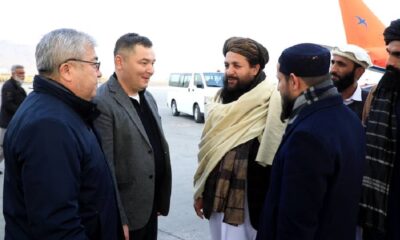
High-level Kyrgyz delegation arrives in Kabul