
Latest News
WHO raises concern over increase in measles among Afghan children

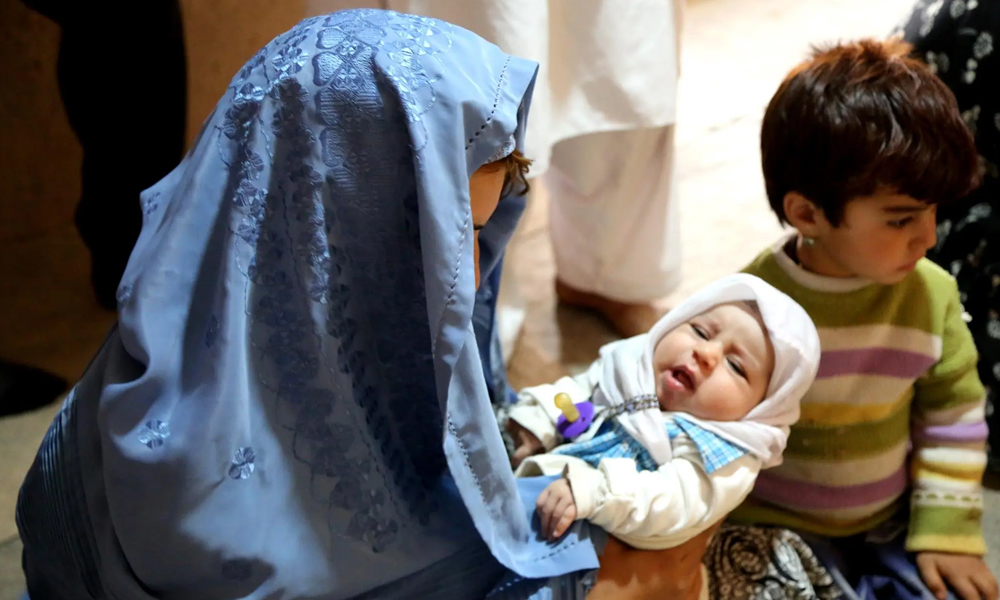
The World Health Organization (WHO) on Sunday warned that measles is on the rise among children in Afghanistan and that so far this year, at least 43,000 children have contracted the disease.
Of this, 214 children have died in the past three months from measles, WHO reported.
According to WHO, five percent of these deaths are children under the age of five, which is higher than last year.
While the Ministry of Health has not confirmed these numbers, officials have confirmed an outbreak of the disease and reported cases in Kunduz, Kabul and Helmand provinces.
According to health ministry statistics, Kunduz with 1,997 cases, Kabul with 1,696 cases and Helmand with 1,495 cases have the highest number of reported cases in the country.
Officials said they are planning to roll out a vaccination drive in the next few months.
“We have had the most measles cases this year, and we are trying to launch a vaccination campaign by May this year,” said Javid Hazher, a spokesman for the ministry.
In mid-March this year, WHO launched a measles vaccination campaign in Afghanistan. But a WHO official said that the campaign reached only a small percentage of the child population in the country.
He said 1.2 million Afghan children were vaccinated during this campaign.
The World Food Program (WFP) meanwhile recently reported that 23 million Afghans lack food security and that the crisis is deepening, which could increase the number of children suffering from malnutrition and measles.

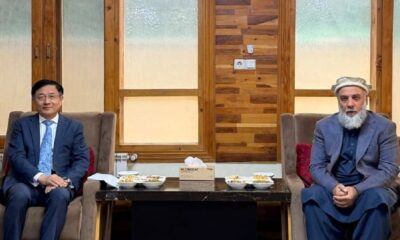





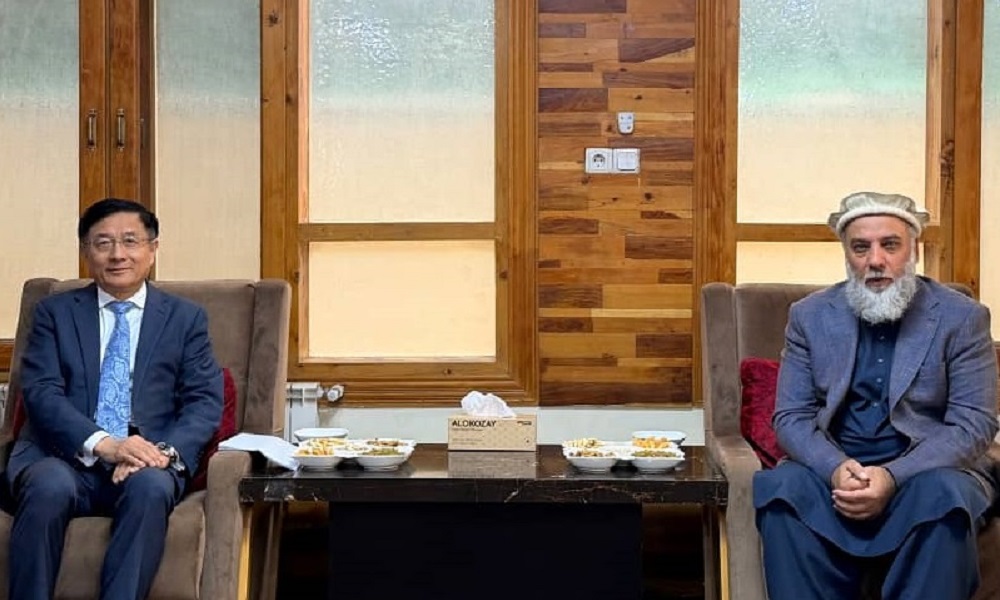
Nooruddin Azizi, Afghanistan’s Minister of Industry and Commerce, met with Yu Xiaoyong, China’s Special Representative in Kabul, to discuss expanding trade and investment opportunities between the two countries, the ministry said.
According to a statement from the Ministry of Industry and Commerce issued on Wednesday, Azizi said Afghanistan offers a secure and favorable environment for investment and invited Chinese investors to explore opportunities across various sectors of the Afghan economy.
He also stressed the need to increase and facilitate Afghan exports to China, particularly products such as cotton, pomegranates, pine nuts, and precious and semi-precious stones. Azizi called for improved customs, transit, and transportation facilities to strengthen trade between the two countries.
Yu, for his part, noted the growing interest of Chinese traders and investors in the Afghan market, describing Afghanistan as a country with significant untapped investment potential within China’s broader economic strategy.
Both sides emphasized the importance of closer cooperation between relevant institutions in the two countries to facilitate trade and promote investment, according to the statement.

Uzbekistan’s President Shavkat Mirziyoyev has officially ratified the Preferential Trade Agreement (PTA) between Uzbekistan and Afghanistan.
The agreement was first signed on 10 June 2025 during the Tashkent International Investment Forum by Uzbekistan’s Minister of Investment and Foreign Trade Laziz Kudratov and Afghanistan’s Minister Nuriddin Azizi, Uzbekistan Daily reported.
The PTA eliminates tariffs on 14 categories of goods, simplifies the issuance of phytosanitary permits for Afghan agricultural products, and introduces additional support measures for Uzbek exporters.
In February 2026, Uzbekistan’s Deputy Prime Minister Jamshid Khodjaev held online talks with Azizi to accelerate the agreement’s entry into force, advance investment projects, and promote industrial cooperation. A new joint business forum is planned to take place in Kabul after the conclusion of Ramadan.
The agreement is expected to strengthen bilateral trade, boost economic ties, and create new opportunities for Afghan businesses and exporters.
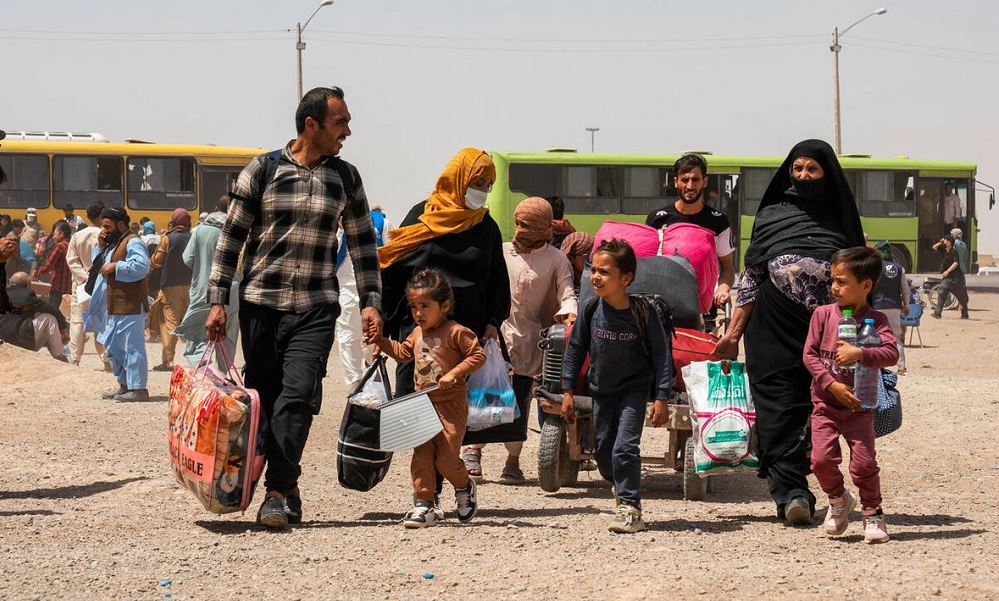
A senior official from the United Nations High Commissioner for Refugees (UNHCR) says many Afghans living in Iran are facing increasingly difficult decisions as insecurity and economic hardship deepen across the region.
Arafat Jamal, the UNHCR representative in Afghanistan, told Al Jazeera that Afghans in Iran are caught between two difficult realities: remaining in Iran amid growing instability and economic strain, or returning to Afghanistan where many also face uncertainty and insecurity.
“At the moment, it seems to be more of a preemptive move,” Jamal said, referring to Afghans leaving Iran. “People are describing bombs falling around them. There is a great deal of fear, but they are also describing a dysfunctional economy.”
According to Jamal, approximately 110,000 Afghans have returned from Iran so far this year, many driven by fear of escalating conflict and deteriorating living conditions.
“For these people there are no good choices,” he said. “They are fleeing one war only to come to another,” Jamal added, referring to ongoing cross-border tensions and military activity involving Pakistan and Afghanistan.
The UNHCR official noted that the current wave of returns follows an already unprecedented movement of people.
In 2025, around 2.8 million Afghans returned to Afghanistan, making it the largest refugee return movement in the world that year.
Humanitarian agencies warn that Afghanistan is struggling to absorb such large numbers of returnees, particularly as the country faces widespread poverty, limited employment opportunities, and reduced international aid.
Jamal also cautioned that the United Nations currently lacks sufficient funding to maintain long-term assistance programs for returning refugees.
Without additional financial support, aid organizations may struggle to provide housing, food, and basic services to the growing number of returnees arriving in Afghanistan.


Tahawol: Regional impacts of Middle East crisis reviewed

Saar: Diplomatic efforts to ease Kabul-Islamabad tensions discussed

Azizi meets Chinese envoy to discuss expanding trade and investment in Afghanistan

Uzbekistan ratifies preferential trade agreement with Afghanistan

Afghanistan’s white-ball series against Sri Lanka postponed

Pakistani military jet downed in Afghanistan’s Jalalabad, pilot captured alive

Afghan Air Force conducts airstrikes in Islamabad, other cities

IEA releases three Pakistani soldiers to mark Ramadan

Afghanistan’s Chief of Armed Forces underscores readiness and equipment for national defense

Afghanistan welcomes investment and technology partnerships with India
Tahawol: Regional impacts of Middle East crisis reviewed
Saar: Diplomatic efforts to ease Kabul-Islamabad tensions discussed

Tahawol: Demands to end Afghanistan–Pakistan conflict reviewed

Saar: Resolving Afghanistan-Pakistan tensions discussed

Tahawol: International Reactions to Iran’s Newly Appointed Leader
-

 Latest News5 days ago
Prominent Muslim scholar issues fatwa calling for Afghanistan-Pakistan ceasefire
-

 Business5 days ago
Afghanistan steps in to replace Iran in supplying fruits and vegetables to Russia
-
 Latest News4 days ago
International Women’s Day: Khalilzad urges IEA to allow girls’ education
-
 Latest News3 days ago
Afghanistan’s Virtue Ministry: Over 3,400 women’s rights complaints addressed in 10 months
-
 Latest News5 days ago
Afghans among those injured in Iranian attacks on UAE
-
 Regional4 days ago
Majority consensus reached on Iran’s next supreme leader
-
 Latest News4 days ago
Turkey stresses importance of peace and stability in Afghanistan
-
 Regional4 days ago
Saudi has told Iran not to attack it, warns of possible retaliation – Reuters