
Health
WHO concerned about worsening access in Afghanistan


The World Health Organization is concerned about worsening access to provide life-saving medicines and supplies in Afghanistan and attacks on health care facilities, as Afghan forces fight Taliban insurgents, a WHO official said on Friday.
Rick Brennan, WHO regional emergencies director for its Eastern Mediterranean regional office, said that aid supplies would arrive next week including 3.5 million COVID-19 vaccine doses and oxygen concentrators.
“It is a terribly concerning situation and it’s very fluid right now,” Brennan, speaking from Cairo, told a U.N. briefing in Geneva. “We are concerned about our lack of access to be able to provide essential medicines and supplies and we are concerned about attacks on health care.”



Health
Afghanistan faces acute shortage of specialist doctors, officials urge ethics and expansion of health services
Noor Jalal Jalali, the Minister of Public Health, said the ministry is making sustained and intensive efforts to address the gap and expand access to healthcare services in remote and underserved areas of the country.
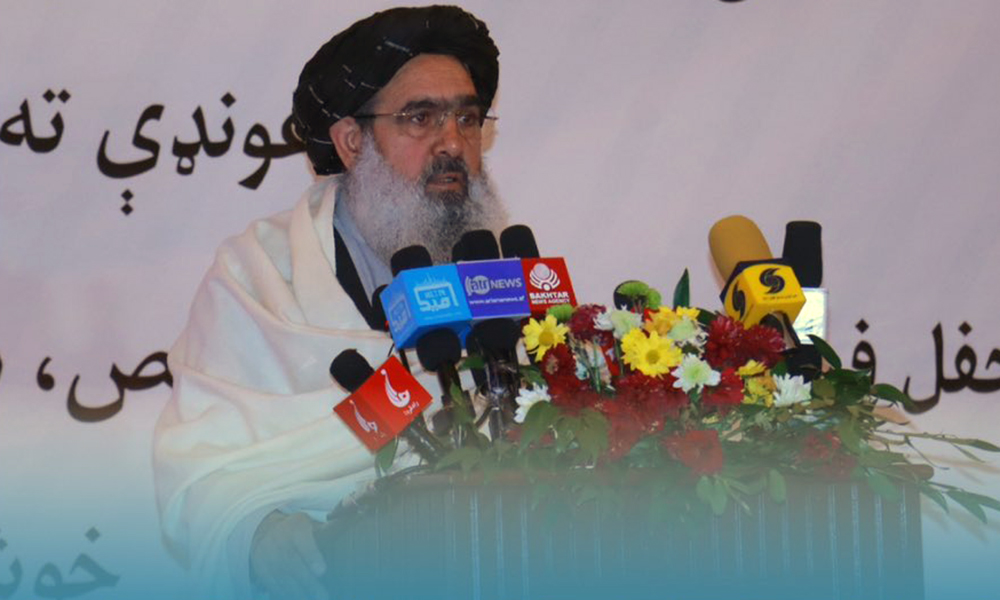
Afghanistan is continuing to face a serious shortage of specialist doctors, health officials said during the graduation ceremony of specialist physicians from the General Directorate of Medical Specialization for the year 1404.
Noor Jalal Jalali, the Minister of Public Health, said the ministry is making sustained and intensive efforts to address the gap and expand access to healthcare services in remote and underserved areas of the country.
According to Jalali, hospitals are still absent across 318 districts nationwide. He added that initial construction work for hospitals has been completed in 100 of these areas, stressing that strengthening health infrastructure and training qualified specialists remain top priorities for the ministry.
Jalali also called on doctors and health officials to uphold their professional and religious responsibilities by treating patients with compassion, dignity, and good conduct. He emphasized that medical practice should not be driven by material gain, but by the pursuit of public service and the well-being of the people.
Speaking at the same ceremony, Hamdullah Nomani, Minister of Communications and Information Technology noted a decline in public trust toward some medical professionals, saying that despite the presence of many committed and ethical doctors, the behavior of a few motivated solely by financial gain has undermined patient confidence. He urged newly graduated specialists to serve with sincerity and restore public trust in Afghanistan’s healthcare system.
Meanwhile, Abdul Wali Sadiqi, the financial and administrative deputy minister of public health, advised graduates to remain committed to their profession, fulfill their responsibilities honestly, and serve the public with dedication. He stressed that efforts in national service should match those made in personal affairs.
In addition, Abdul Baqi Haqqani, head of the National Examinations Authority, highlighted that humans carry two fundamental responsibilities: worship of Allah and preservation of health, underscoring the vital role doctors play in safeguarding public health.
Health sector experts say Afghanistan now needs skilled and professional medical personnel more than ever, calling for increased investment in specialist training and healthcare infrastructure to meet the country’s growing needs.
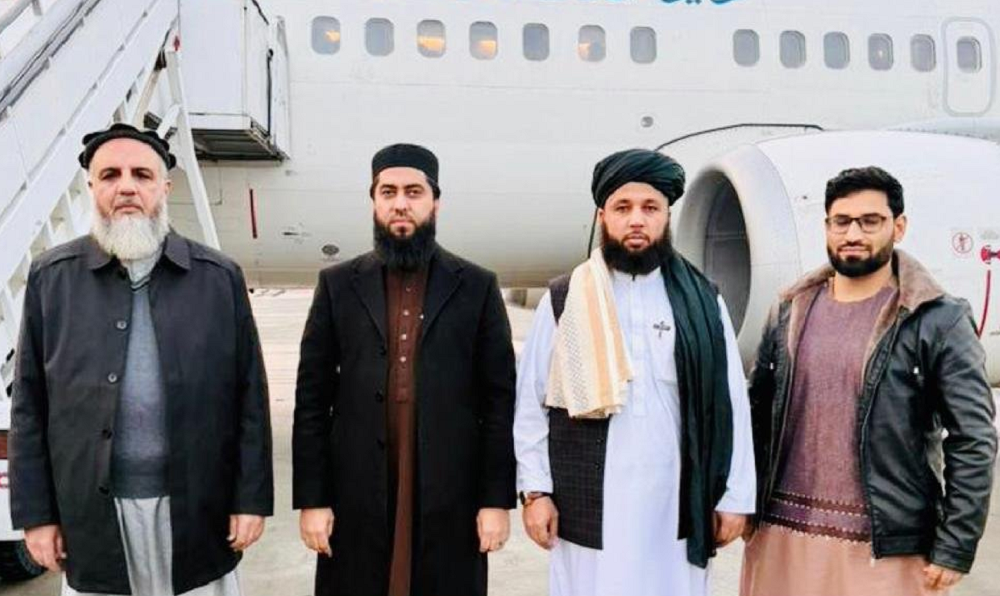
Naemullah Ayoubi, Director General of Drug and Health Products Regulation at Afghanistan’s Ministry of Public Health, has departed for Turkey on an official visit accompanied by a technical delegation.
The Ministry of Public Health said the delegation will hold meetings with officials from Turkey’s pharmaceutical regulatory authority and discuss a number of key issues related to the regulation of medicines and health products.
The delegation is also scheduled to visit several pharmaceutical manufacturing factories in Turkey.
According to the ministry, the visit aims to strengthen coordination between the two countries in the production and import of medicines, in order to ensure the availability of high-quality and affordable pharmaceuticals for people in Afghanistan in both the short and long term.
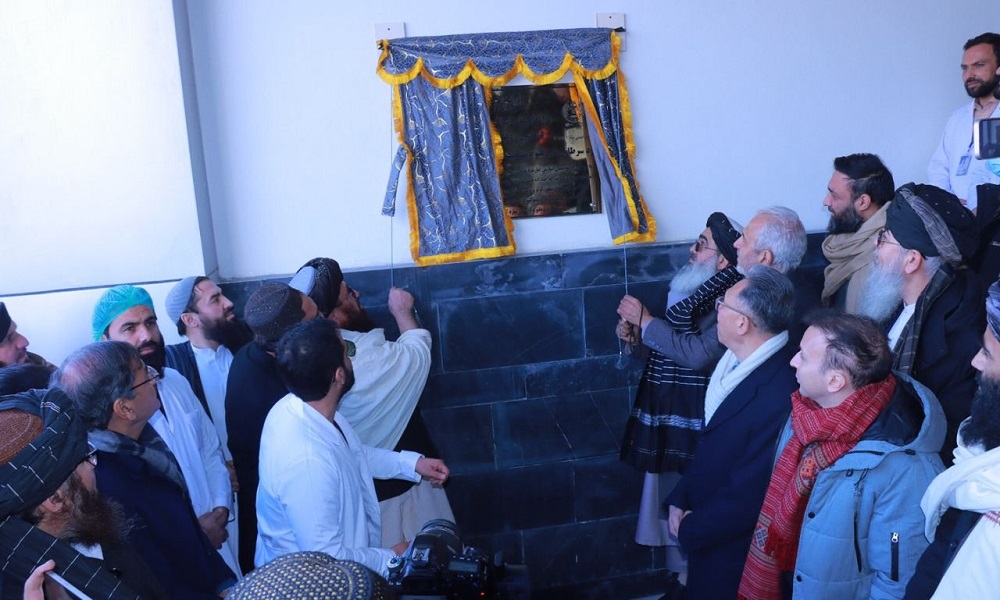
The Ministry of Public Health announced on Thursday that Afghanistan has inaugurated its first national hospital dedicated to the diagnosis and treatment of cancer, marking a major step forward in the country’s healthcare services.
The facility, named the National Cancer Diagnostic and Therapeutic Hospital, has officially begun operations and will provide specialized care for cancer patients across the country.
Speaking at the inauguration ceremony, Public Health Minister Noor Jalal Jalali said the 200-bed hospital aims to offer hope and improved treatment options for patients suffering from cancer.
“Fortunately, we are jointly opening a 200-bed hospital for cancer patients, and we hope that this hospital will become a source of hope and healing for those in need,” Jalali said.
The minister added that specialized training programs will soon be launched at the hospital to educate and train domestic medical specialists. He noted that reforms have already been implemented to improve facilities and ensure better healthcare services.
Jalali also emphasized international cooperation in the project, saying that radiotherapy services will be introduced at the hospital with support from India. According to the ministry, India has so far provided $1 million in assistance, including 10 tons of medicines and medical equipment, to support cancer treatment in Afghanistan.
The opening of the hospital is expected to reduce the need for Afghan patients to seek costly cancer treatment abroad and improve access to specialized care inside the country.


Ronaldo’s private jet flies out of Saudi Arabia following US Embassy drone strike in Riyadh

Four civilians killed, 16 injured in fresh Pakistani attacks in Khost

UNAMA calls for immediate halt to Afghanistan–Pakistan cashes

IEA reports 25 clashes with Pakistani forces in 24 hours; Hundreds killed or wounded

Indian cleric comments on rising Afghanistan–Pakistan tensions

Pakistani military jet downed in Afghanistan’s Jalalabad, pilot captured alive

IEA releases three Pakistani soldiers to mark Ramadan

Afghan Air Force conducts airstrikes in Islamabad, other cities

Afghanistan’s Chief of Armed Forces underscores readiness and equipment for national defense

Afghanistan welcomes investment and technology partnerships with India

Saar: Afghan forces’ operation against Pakistani military

Tahawol: Afghanistan and the Region Under the Shadow of Rising Tensions

Tahawol: Joint Israeli-US attacks on Iran discussed

Saar: Afghan retaliatory operations against Pakistan discussed

Tahawol: Carrying out retaliatory operations against Pakistan discussed
-
 Latest News3 days ago
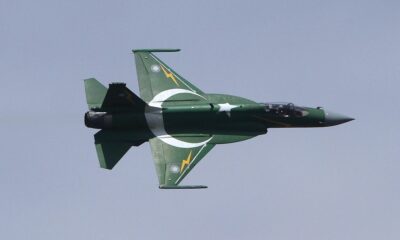
Pakistani military jet downed in Afghanistan’s Jalalabad, pilot captured alive
-
 Latest News4 days ago
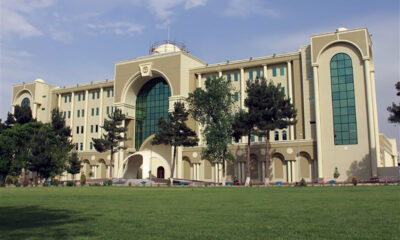
Afghan Air Force conducts airstrikes in Islamabad, other cities
-
 Latest News4 days ago
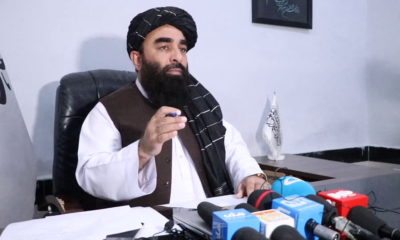
IEA: Special circle in Pakistan has launched mission to destabilize region
-
 Latest News1 day ago
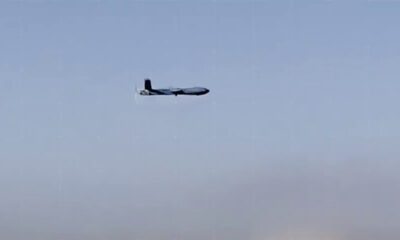
Afghan air force strikes key Pakistani military installations in retaliatory operation
-
 Latest News4 days ago
Turkey launches initiative to diffuse Afghanistan-Pakistan tension
-
 Regional5 days ago
Narendra Modi holds high-level talks after historic address to Knesset
-

 Latest News4 days ago
Afghans say they are united against Pakistan aggression
-
 Latest News3 days ago
Afghan forces conduct fresh airstrikes on Pakistani military targets