
Health
WHO calls for $378 million to prevent collapse of health centers

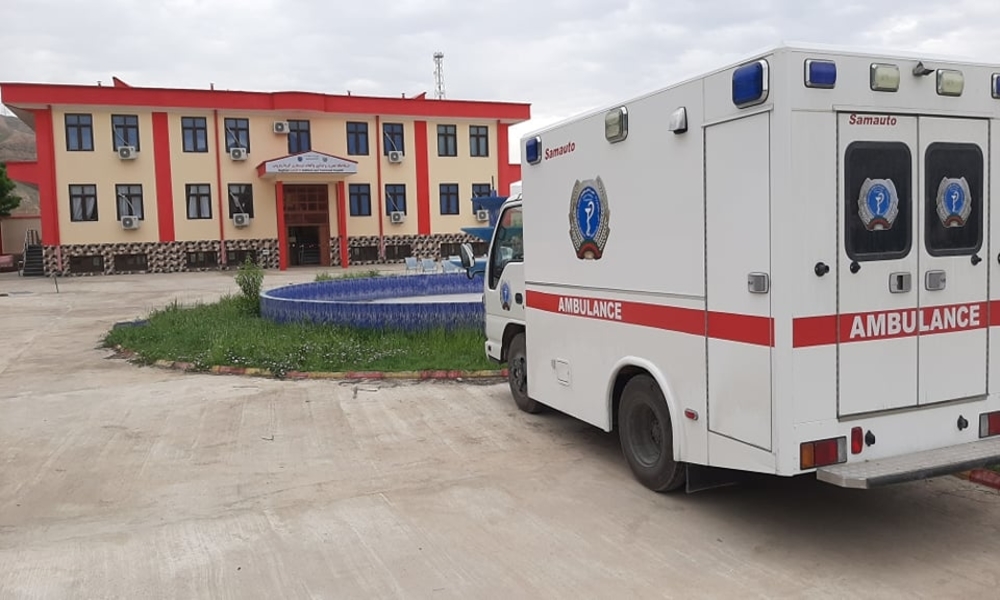
World Health Organization (WHO) officials on Tuesday said they have requested $378 million in aid in order to prevent Afghanistan’s health services from collapsing.
Dr Jamshed Tanoli, WHO’s health sector coordinater, said during a visit to Kandahar province on Monday, along with UN officials, that efforts are underway to keep 2,331 health centers open in Afghanistan.
“We are advocating to convince World Bank, USAID, and the European Union to sustain the funding to ensure that after June 22 we should have a medium to long term strategy to ensure the continuity of health services… also to focus on the COVID-19 as a whole you know the surveillance and laboratories expansion including the treatment centers,,” said Tanoli.
This comes after WHO warned earlier that Afghanistan’s health system is close to collapsing.
“We came here to let you know that we are here to serve the people of Afghanistan,” he said adding that the head of the cluster has requested almost 378 million (dollars).
“So that we are advocating Inshallah to get those funds to ensure the continuity of the services through the NGOs and of course through UN agencies and through all the partners,” said Tanoli.
United Nations Development Program in Afghanistan (UNDP) meanwhile said that the UN will play a greater role in the development of Afghanistan.
“So we are not here to provide the people a package of food, there are other agencies that do that. We are here to see how the people can have enough income to buy their own food,” said Abdullah Al Dardari, head of UNDP in Afghanistan.
The Kandahar governor, on the other hand, said that the Islamic Emirate of Afghanistan (IEA) is taking serious measures to provide security for international aid organizations.
“Necessary aid should be delivered for Afghan people. People face a lot of problems. Most people in Dand, Arghistan, Arghandab, Panjwayi and Zhari have been displaced. They lost their houses during US bombardments, now they don’t have any shelter,” said Haji Mohammad Yousuf Wafa, Kandahar’s governor.
This comes as many UN aid agencies warn of an imminent humanitarian catastrophe in Afghanistan.




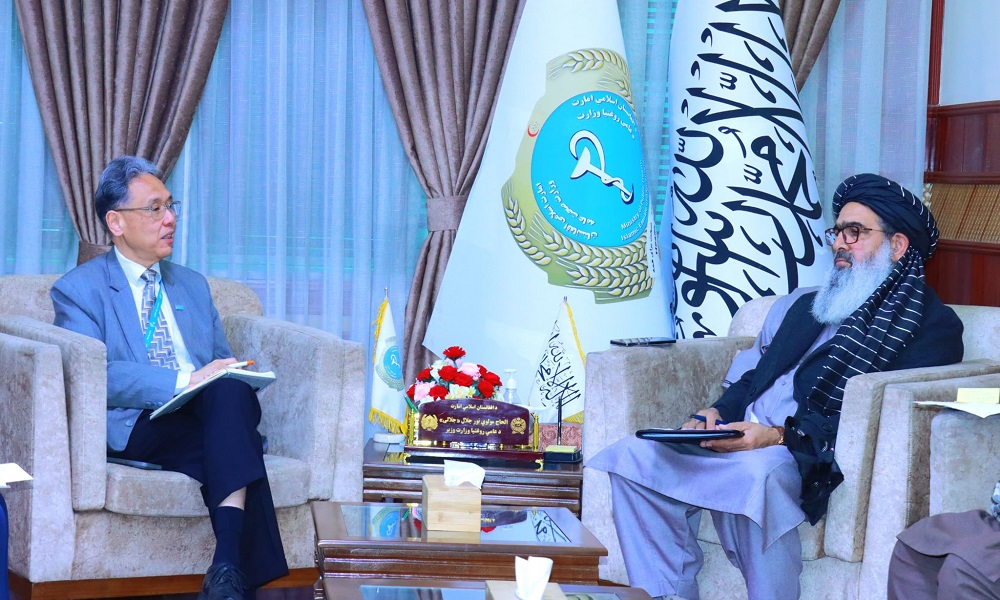
Afghanistan’s Minister of Public Health, Noor Jalal Jalali, met with the head of the World Health Organization in Afghanistan, Edwin Ceniza Salvador, to discuss expanding healthcare services and strengthening coordination in the country.
According to a statement issued Tuesday by the Ministry of Public Health, the meeting was attended by officials from the WHO and other representatives and focused on key health sector priorities and areas of mutual cooperation.
Participants discussed the expansion of health services across Afghanistan, capacity-building initiatives for healthcare workers, and the development of cancer-related services. They also reviewed operational coordination, transparency in the delivery of health services, and preparations for upcoming health-related meetings.
During the meeting, Jalali emphasized the importance of aligning health projects and services with the ministry’s national policies and strategic documents.
He stressed that all health initiatives should be implemented based on the priorities and needs identified by the Ministry of Public Health.
The minister also urged WHO officials to enhance transparency and strengthen coordination with the ministry while taking practical steps to improve the quality of health services and ensure broader public access to healthcare across the country.
For his part, Salvador reaffirmed the WHO’s commitment to maintaining close cooperation with the Afghan health ministry and to delivering essential health services in accordance with the ministry’s policies and priorities.
Health
Afghanistan faces acute shortage of specialist doctors, officials urge ethics and expansion of health services
Noor Jalal Jalali, the Minister of Public Health, said the ministry is making sustained and intensive efforts to address the gap and expand access to healthcare services in remote and underserved areas of the country.
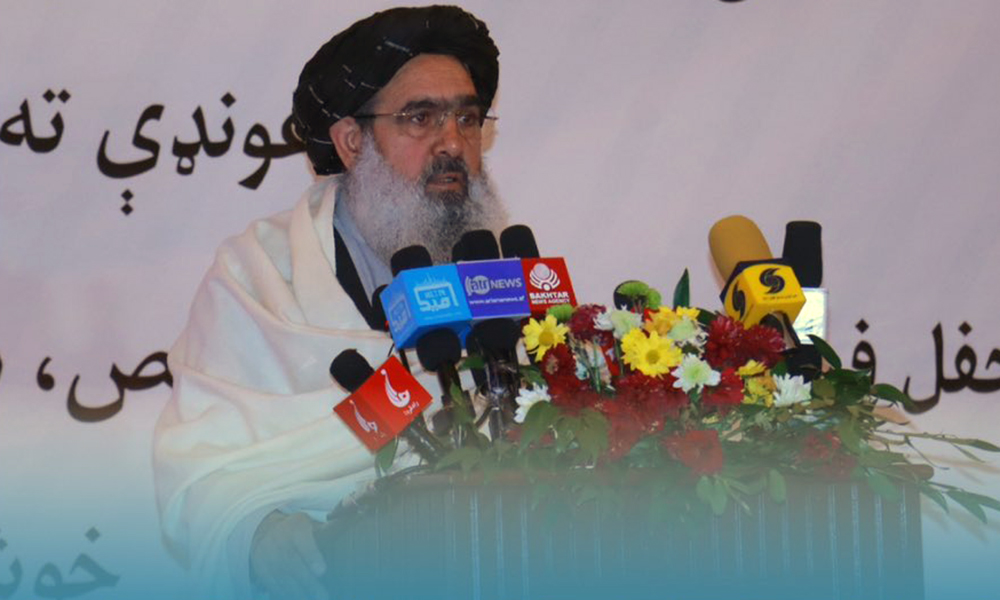
Afghanistan is continuing to face a serious shortage of specialist doctors, health officials said during the graduation ceremony of specialist physicians from the General Directorate of Medical Specialization for the year 1404.
Noor Jalal Jalali, the Minister of Public Health, said the ministry is making sustained and intensive efforts to address the gap and expand access to healthcare services in remote and underserved areas of the country.
According to Jalali, hospitals are still absent across 318 districts nationwide. He added that initial construction work for hospitals has been completed in 100 of these areas, stressing that strengthening health infrastructure and training qualified specialists remain top priorities for the ministry.
Jalali also called on doctors and health officials to uphold their professional and religious responsibilities by treating patients with compassion, dignity, and good conduct. He emphasized that medical practice should not be driven by material gain, but by the pursuit of public service and the well-being of the people.
Speaking at the same ceremony, Hamdullah Nomani, Minister of Communications and Information Technology noted a decline in public trust toward some medical professionals, saying that despite the presence of many committed and ethical doctors, the behavior of a few motivated solely by financial gain has undermined patient confidence. He urged newly graduated specialists to serve with sincerity and restore public trust in Afghanistan’s healthcare system.
Meanwhile, Abdul Wali Sadiqi, the financial and administrative deputy minister of public health, advised graduates to remain committed to their profession, fulfill their responsibilities honestly, and serve the public with dedication. He stressed that efforts in national service should match those made in personal affairs.
In addition, Abdul Baqi Haqqani, head of the National Examinations Authority, highlighted that humans carry two fundamental responsibilities: worship of Allah and preservation of health, underscoring the vital role doctors play in safeguarding public health.
Health sector experts say Afghanistan now needs skilled and professional medical personnel more than ever, calling for increased investment in specialist training and healthcare infrastructure to meet the country’s growing needs.
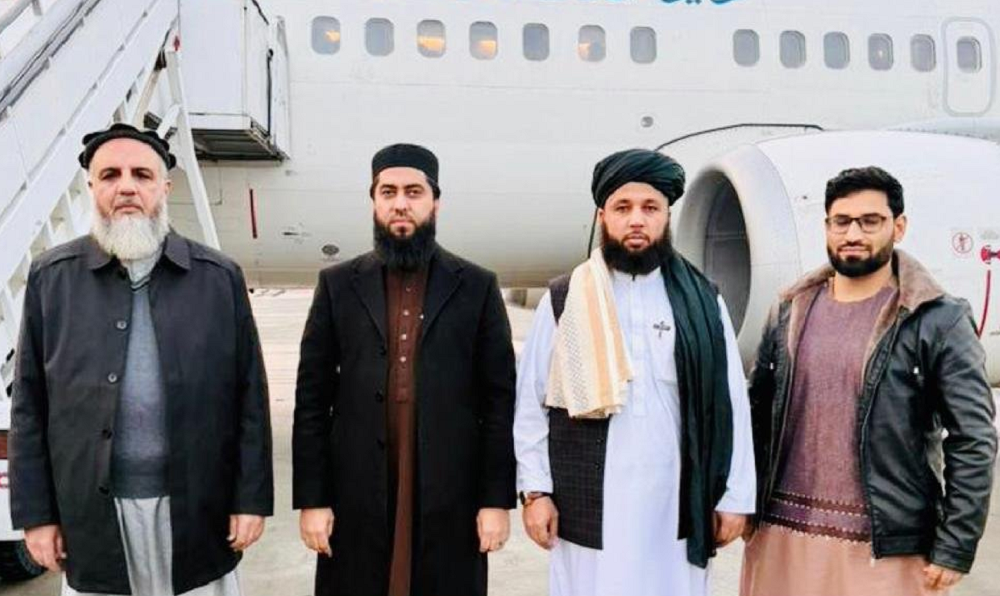
Naemullah Ayoubi, Director General of Drug and Health Products Regulation at Afghanistan’s Ministry of Public Health, has departed for Turkey on an official visit accompanied by a technical delegation.
The Ministry of Public Health said the delegation will hold meetings with officials from Turkey’s pharmaceutical regulatory authority and discuss a number of key issues related to the regulation of medicines and health products.
The delegation is also scheduled to visit several pharmaceutical manufacturing factories in Turkey.
According to the ministry, the visit aims to strengthen coordination between the two countries in the production and import of medicines, in order to ensure the availability of high-quality and affordable pharmaceuticals for people in Afghanistan in both the short and long term.


Afghanistan, Kyrgyzstan aim to boost trade to $1 billion

IRGC intelligence chief killed as wave of strikes continues against Iran’s leadership

Afghanistan U-17s open their CAFA campaign against Kyrgyzstan

Afghan community in California condemns Pakistani strikes amid growing global protests

IPL 2026: Lucknow hold nerve in final over to defeat Sunrisers

IEA Supreme Leader issues Eid-ul-Fitr message urging unity and support for Islamic system

14 Pakistani soldiers killed after military post falls along Durand line: MoD

Afghan airstrikes target Pakistani military sites in retaliation for air attacks

Turkmenistan, Afghanistan discuss steps to speed up land acquisition for TAPI pipeline

IPL 2026 kicks off in under two weeks; Afghan players set to shine

Tahawol: Continuation of Middle East crisis discussed

Saar: Ongoing Kabul-Islamabad talks in China discussed

Tawsia: This week’s key economic developments in Afghanistan discussed

Tahawol: Start of talks between Kabul-Islamabad in China discussed

Saar: Ongoing US and Israeli attacks on Iran discussed
-
 Latest News5 days ago
Baradar approves 17 projects worth over one billion AFN
-

 Business3 days ago
Tripartite agreement to launch new Russia–Turkmenistan–Afghanistan transit corridor
-
 Latest News3 days ago
China says Afghanistan–Pakistan peace talks show progress
-

 Sport5 days ago
Iraq seal final spot as FIFA World Cup 2026 line-up confirmed
-

 Business2 days ago
Kazakhstan eyes rare metals mining projects in Afghanistan and Rwanda
-
 Latest News4 days ago
Afghanistan–Pakistan talks begin in China amid hopes for easing tensions
-

 Latest News5 days ago
19 Afghan migrants killed as boat capsizes off Turkish coast
-

 Sport4 days ago
Late drama as Lucknow edge Delhi Capitals in IPL thriller