
Latest News
White House says frozen assets will ‘remain inaccessible’

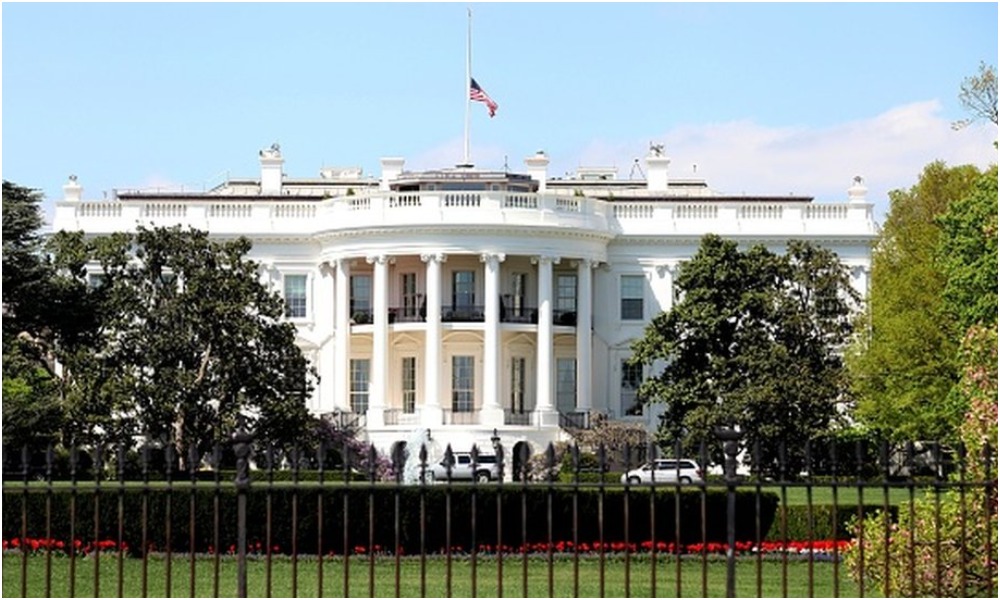
White House spokesperson Jen Psaki said Monday that Afghanistan’s frozen assets, being held mostly by the United States, will “remain inaccessible” to the Islamic Emirate of Afghanistan (IEA).
Psaki’s comments came on the heels of Afghanistan’s Acting Foreign Minister Amir Khan Muttaqi’s appeal on Sunday for the US and western countries to release upward of $10 billion in funds that were frozen when the IEA took power on August 15.
Muttaqi told the Associated Press in an interview that sanctions against Afghanistan would “not have any benefit.”
White House spokesperson Jen Psaki meanwhile told reporters on Monday that there are a number of reasons why Afghanistan’s reserves remain inaccessible.
She said the issue is very complicated, and that the White House is “continually reviewing [the situation], thoughtfully, and in coordination with allies and partners.”
“But these are some important reasons. First and foremost, the status of the funds is the subject of ongoing litigation, brought by certain victims of 9/11 and other terrorist attacks to hold judgments against the Taliban (IEA). These legal proceedings cannot be disregarded and have led to the temporary suspension of any movement of the funds through at least the end of the year and quite possibly longer,” she said.
Second, Psaki went to say that the United States, so far, is uncertain how the reserve funds could be available to directly benefit the people of Afghanistan “while ensuring that the funds do not benefit the Taliban (IEA).”
Thirdly, she said the IEA remains sanctioned by the United States, and a number of Afghan officials “are subject to the UN- — UNSCR’s 1988 sanctions regime. This raiges [sic] — raises immediate red flags for many states’ central banks and the financial community more generally when considering any transactions.”

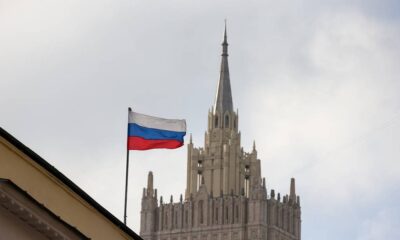

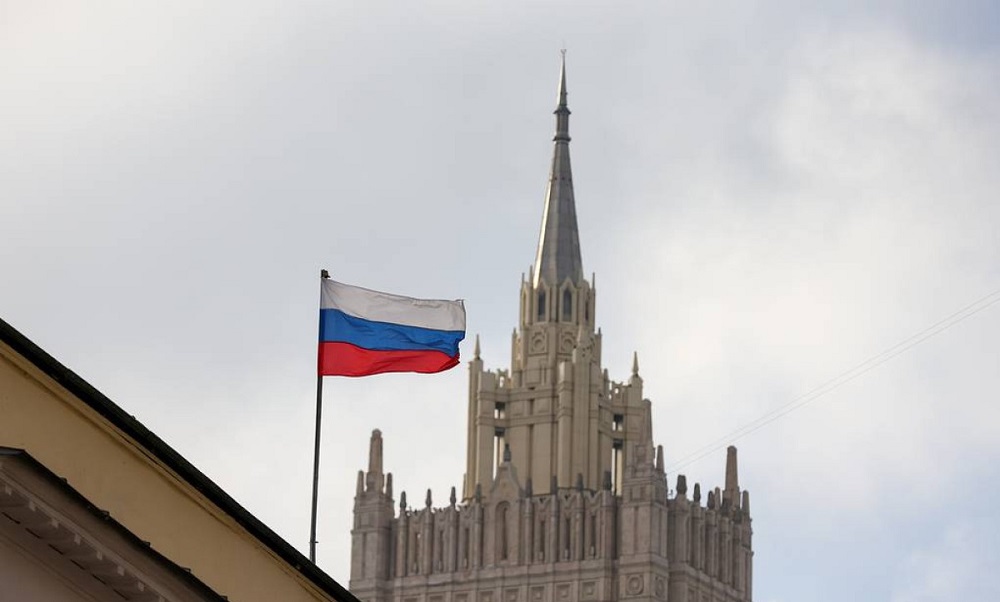
The Russian Foreign Ministry has estimated that around 20,000 to 23,000 fighters from various international terrorist groups are present in Afghanistan, contributing to ongoing security and political challenges in the country.
The ministry noted that over half of these fighters are foreign nationals.
Among the larger groups, Daesh is believed to number around 3,000, the Tehreek‑e-Taliban Pakistan (TTP) 5,000–7,000, and al Qaeda 400–1,500.
Smaller groups reportedly include the East Turkestan Islamic Movement (ETIM), the Islamic Movement of Uzbekistan (IMU/Turkestan Islamic Party), and Jamaat Ansarullah.
According to the ministry, Daesh remains the only group actively hostile toward the Afghan authorities, though it reportedly lacks the capacity to seize territory, focusing instead on undermining public confidence.
Afghan security efforts over the past 18 months are credited with significantly reducing attacks attributed to Daesh.
The Islamic Emirate of Afghanistan has consistently maintained that it will not allow Afghan soil to be used against any other country and continues to deny the presence of armed groups operating freely within the country.
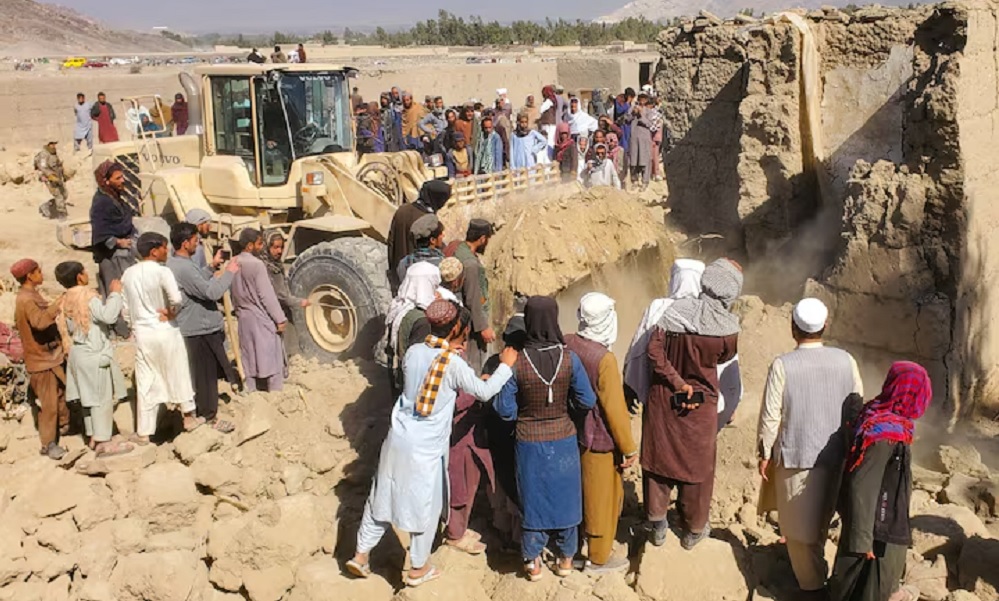
Afghanistan’s acting representative to the United Nations has formally raised concerns at the UN Security Council following overnight airstrikes this week it says were carried out by Pakistan inside Afghan territory.
Nasir Ahmad Faiq, acting chargé d’affaires of Afghanistan’s mission to the UN, announced on Monday that a formal complaint had been submitted regarding the strikes, which reportedly resulted in civilian casualties.
In a statement posted on X, Faiq called for “the immediate cessation of such actions, a thorough and impartial review, full respect for Afghanistan’s territorial integrity, and strict adherence to the Charter of the United Nations and international law.”
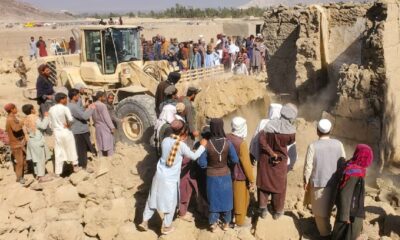
According to Afghan officials, the strikes took place late Saturday night in eastern Nangarhar and south-eastern Paktika provinces.
Authorities say dozens of civilians, including women and children, were killed or wounded when residential areas were hit.
Islamabad has previously maintained that it reserves the right to act against militant groups it says operate near or along the disputed Durand Line. Afghan officials, however, have consistently rejected allegations that Afghan territory is being used to launch attacks against Pakistan.
The latest incident comes amid heightened tensions between Kabul and Islamabad over security concerns and cross-Durand Line militancy, further complicating already fragile bilateral relations.
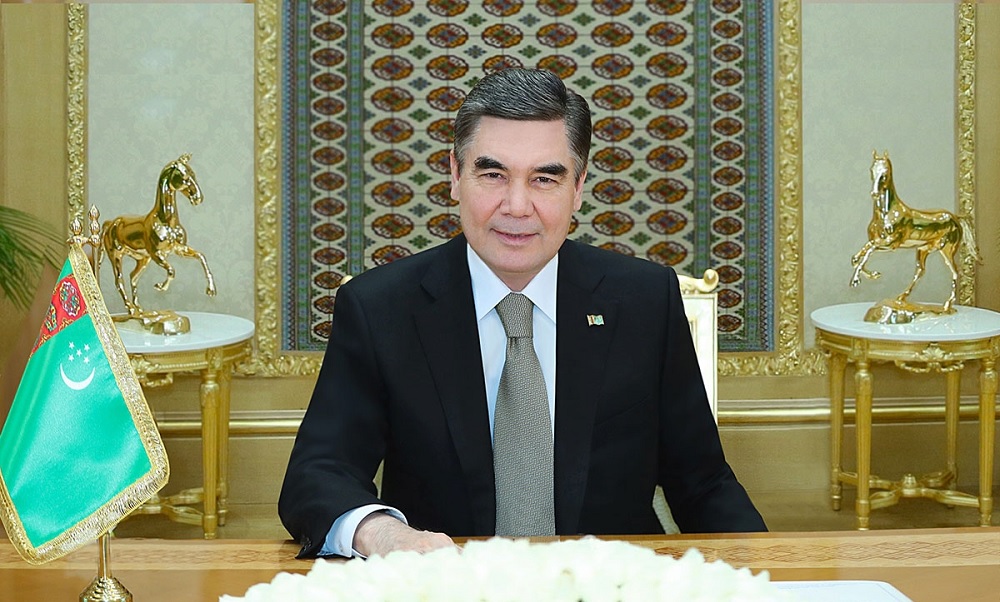
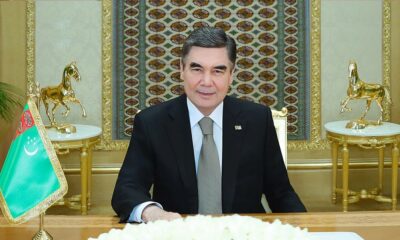
In an interview with Al Arabiya, former Turkmen President Gurbanguly Berdymukhamedov said international companies, including United States firms, are welcome to join the Turkmenistan–Afghanistan–Pakistan–India (TAPI) gas pipeline project.
Berdymukhamedov noted that while the project enjoys U.S. support, it will need to navigate longstanding regional tensions, as Afghanistan, Pakistan, and India have seen outbreaks of deadly fighting over the past year.
“This project, which enjoys international support, including from the United States, possesses immense potential in meeting the growing energy needs of South Asian nations. It also opens promising avenues for accessing the emerging markets of the Asia-Pacific region, the Near East, and the Middle East,” he said.
“The TAPI project is also of paramount importance for political stability and economic prosperity, maintaining high investment attractiveness,” Berdymukhamedov added.
Turkmenistan plans to complete the first section of the pipeline, reaching the Afghan city of Herat, by the end of 2026. No plans have yet been announced to extend the project further south.


Russia estimates up to 23,000 terrorists present in Afghanistan

Afghanistan lodges complaint with UN over Pakistani airstrikes

US companies are welcome to join TAPI project: Turkmenistan’s ex-president

Mexican military kills cartel boss ‘El Mencho’ in US-backed raid

UK’s Reform party pledges visa ban affecting Afghanistan and five other states

AFC Futsal Asian Cup 2026: Day One Review

IEA releases three Pakistani soldiers to mark Ramadan

AFC Futsal Asian Cup: Afghanistan to face Iran in crucial Group D clash

Afghanistan’s Chief of Armed Forces underscores readiness and equipment for national defense

Afghanistan welcomes investment and technology partnerships with India

Tahawol: Repeat crimes by Pakistani military in Afghanistan discussed

Saar: Pakistani military regime’s airstrikes on Afghanistan

Tahawol: US military review for attack against Iran discussed

Saar: Afghanistan’s expanding ties with Central Asia discussed

Tawsia: Calls for implementing development and infrastructure projects
-
 Latest News5 days ago
Afghanistan’s Chief of Armed Forces underscores readiness and equipment for national defense
-
 Latest News4 days ago
Afghanistan welcomes investment and technology partnerships with India
-

 Sport4 days ago
Afghan Peaks founder climbs Aconcagua to promote Afghanistan’s mountain potential
-

 Latest News3 days ago
Indian customs seize Chinese walnuts falsely declared as Afghan
-

 Business4 days ago
Pakistan allows re-export of stranded Afghan transit cargo
-
 Latest News3 days ago
Pakistan’s Punjab to send home 20 more Afghans in repatriation drive
-

 Latest News4 days ago
Pakistan signals possible air strikes as Kabul releases Pakistani soldiers in goodwill move
-

 Latest News2 days ago
Moldova bans Afghan airlines over safety concerns