
Latest News
WFP chief says Afghanistan humanitarian crisis is the ‘worst on earth’


The World Food Program (WFP) said Monday that Afghanistan is facing the “worst” humanitarian crisis on earth and that 95 percent of the people don’t have enough food.
In an interview with the BBC, David Beasley, Executive Director of the WFP, said: “It is as bad as you possibly can imagine. In fact, we are now looking at the worst humanitarian crisis on earth. 95 percent of the people don’t have enough food,” he said.
Beasley stated that as many as 23 million people are marching towards starvation and “out of that almost nine million are knocking on famine’s door.”
He emphasized that the next six months are going to be “catastrophic.”
“The winter months are coming. We are coming out of drought the next six months are going to be catastrophic,”
Meanwhile, the Islamic Emirate of Afghanistan (IEA) says that the government is working on a mechanism to help vulnerable families.
Ahmadullah Wasiq, Deputy IEA spokesman, stated: “We are working on a mechanism to provide people with wheat in exchange for work and cash to needy people in order to solve the issue as soon as possible.”



Latest News
Shoigu calls for closer cooperation with Kabul, warns of new drug trafficking threats in central Asia
Shoigu added that the meeting addressed drug trafficking within the CIS region, including the previous threat posed by opiates originating from Afghanistan.
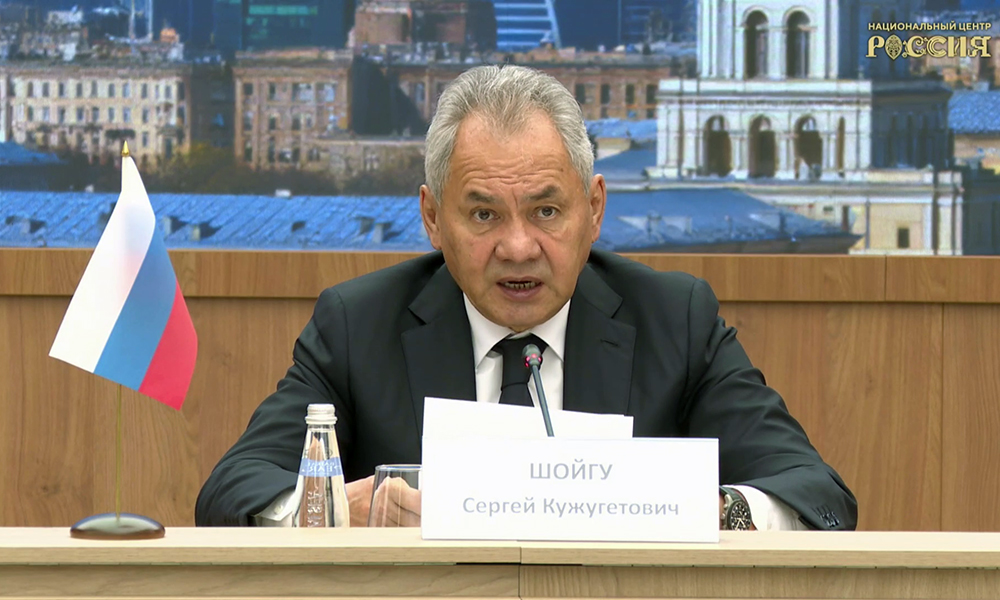
Afghanistan’s security situation and its impact on regional stability were among the issues highlighted by Russian Security Council Secretary Sergei Shoigu during a meeting of security council secretaries from the Commonwealth of Independent States (CIS).
Shoigu stressed the importance of constructive cooperation with Kabul, saying that developments in Central Asia directly affect stability in Afghanistan. He said cooperation with Afghanistan is a shared priority in the fields of security, economic development and regional cooperation.
Speaking to reporters following the meeting, Shoigu also warned about emerging threats linked to drug trafficking, particularly the spread of synthetic drugs, describing them as a serious regional challenge.
He noted that drug trafficking networks are increasingly using contactless delivery methods and alternative payment systems, including cryptocurrencies, making coordinated efforts among countries essential.
Shoigu added that the meeting addressed drug trafficking within the CIS region, including the previous threat posed by opiates originating from Afghanistan.
He called for joint regional efforts to counter new forms of drug trafficking and strengthen security cooperation among member states.
Latest News
IEA rejects US travel warning, says no threat to foreign nationals in Afghanistan
His remarks came after the US Department of State placed Afghanistan among 23 countries under its Level 4 travel advisory, urging American citizens not to travel to the country.

The Islamic Emirate of Afghanistan has rejected the US State Department’s decision to place Afghanistan under its highest travel warning, describing the advisory as unjustified and insisting that foreign nationals face no security threats in the country.
Zabihullah Mujahid, spokesperson for the Islamic Emirate, said citizens from various countries, including tourists, diplomats, journalists and businesspeople, continue to visit Afghanistan.
He added that those visitors maintain relations with various countries, including the United States, and that security forces pay special attention to protecting foreign nationals and individuals linked to international organisations and governments.
Mujahid said the reasons behind Washington’s concerns would be examined, but maintained that, from the Islamic Emirate’s perspective, no one faces a threat in Afghanistan.
His remarks came after the US Department of State placed Afghanistan among 23 countries under its Level 4 travel advisory, urging American citizens not to travel to the country.
Latest News
COP31 opens in Türkiye: World leaders urged to turn climate promises into action
The summit provides an important platform for vulnerable countries, including Afghanistan, to highlight climate-related challenges and seek greater international cooperation and support.
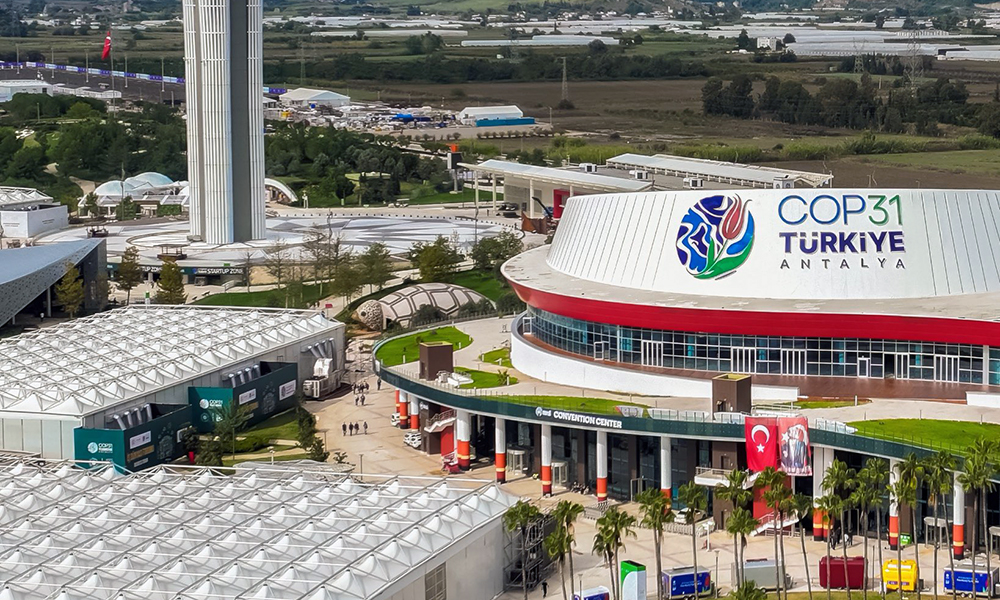
The 31st United Nations Climate Change Conference (COP31) opened in Antalya, Türkiye, on Monday, November 9, bringing together government leaders, senior officials, scientists, researchers, entrepreneurs and civil society representatives from around the world.
The two-week conference, scheduled to run until November 20, aims to strengthen international cooperation, build mutual trust and turn climate commitments into practical and measurable action.
United Nations Secretary-General António Guterres has warned that climate change poses an existential threat to humanity, urging countries to take urgent and collective action to protect human lives.
Guterres stressed that the world can no longer afford endless discussions or shifting responsibility, calling on all countries to do more to address the growing climate crisis.
Meanwhile, Turkish President Recep Tayyip Erdoğan said Türkiye wants COP31 to go beyond political declarations and produce concrete decisions that can be implemented to tackle climate challenges.
Erdoğan said more than 600 events have been planned during the conference, showcasing solutions in areas including clean energy, waste management, climate finance and climate-resilient cities.
He emphasized that the real test of the summit would be whether international commitments are translated into tangible results.
The conference comes amid growing concerns over the worldwide impacts of climate change, including prolonged droughts, devastating floods, extreme heat and unusual rainfall patterns.
Afghanistan remains among the countries highly vulnerable to climate change, despite contributing only a small share of global greenhouse gas emissions. An Afghan delegation has also been invited to participate in COP31.
The summit provides an important platform for vulnerable countries, including Afghanistan, to highlight climate-related challenges and seek greater international cooperation and support.
The first UN climate change conference, COP1, was held in Berlin, Germany, in 1995. Since then, the annual gatherings have become a major international forum for negotiating global climate policies and addressing environmental challenges.

Shoigu calls for closer cooperation with Kabul, warns of new drug trafficking threats in central Asia
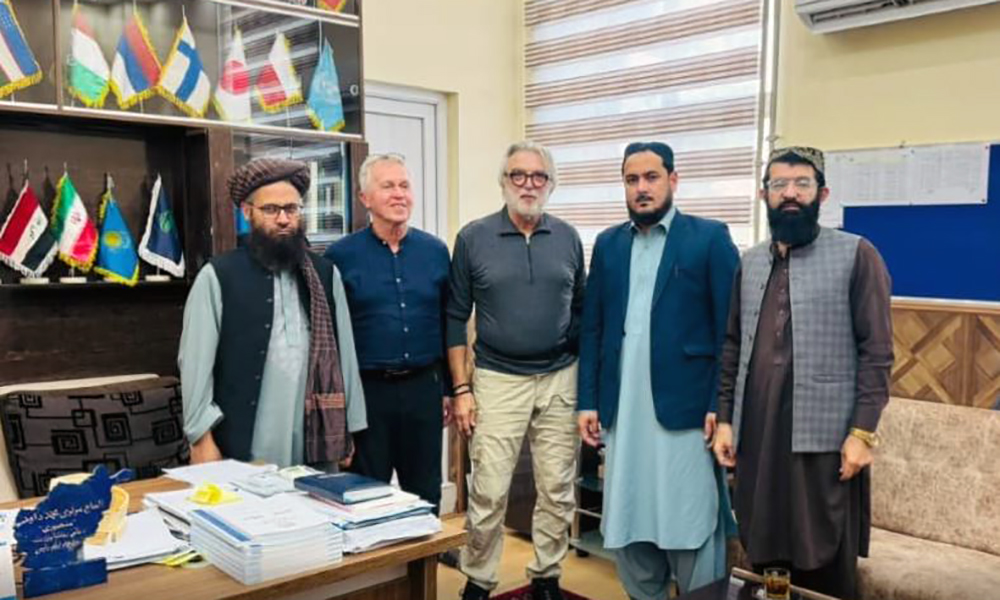
German medical team launches free surgical mission at Bamiyan provincial hospital

Trump says further US attacks on Iran ‘highly unlikely’ as peace talks gain momentum
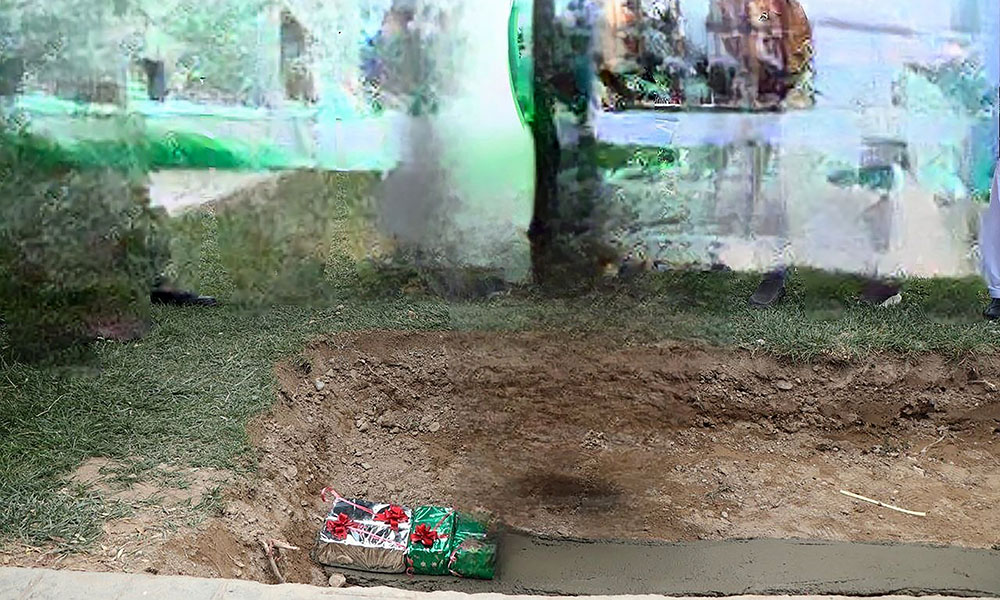
$30 million pharmaceutical investment launched in Herat as new production line opens

IEA rejects US travel warning, says no threat to foreign nationals in Afghanistan

Afghanistan finish runners-up after 6-0 defeat to Brazil in futsal final

Trump says US may strike Iran’s ‘Pickaxe Mountain’ nuclear facility

Afghan futsal coach: Brazil tournament is first step towards new goals and World Cup

Pakistan deploys military to Peshawar after emergency rule declared

Violent protests spread across Europe as Albanian PM blames ‘foreign hand’
Trump says further US attacks on Iran ‘highly unlikely’ as peace talks gain momentum
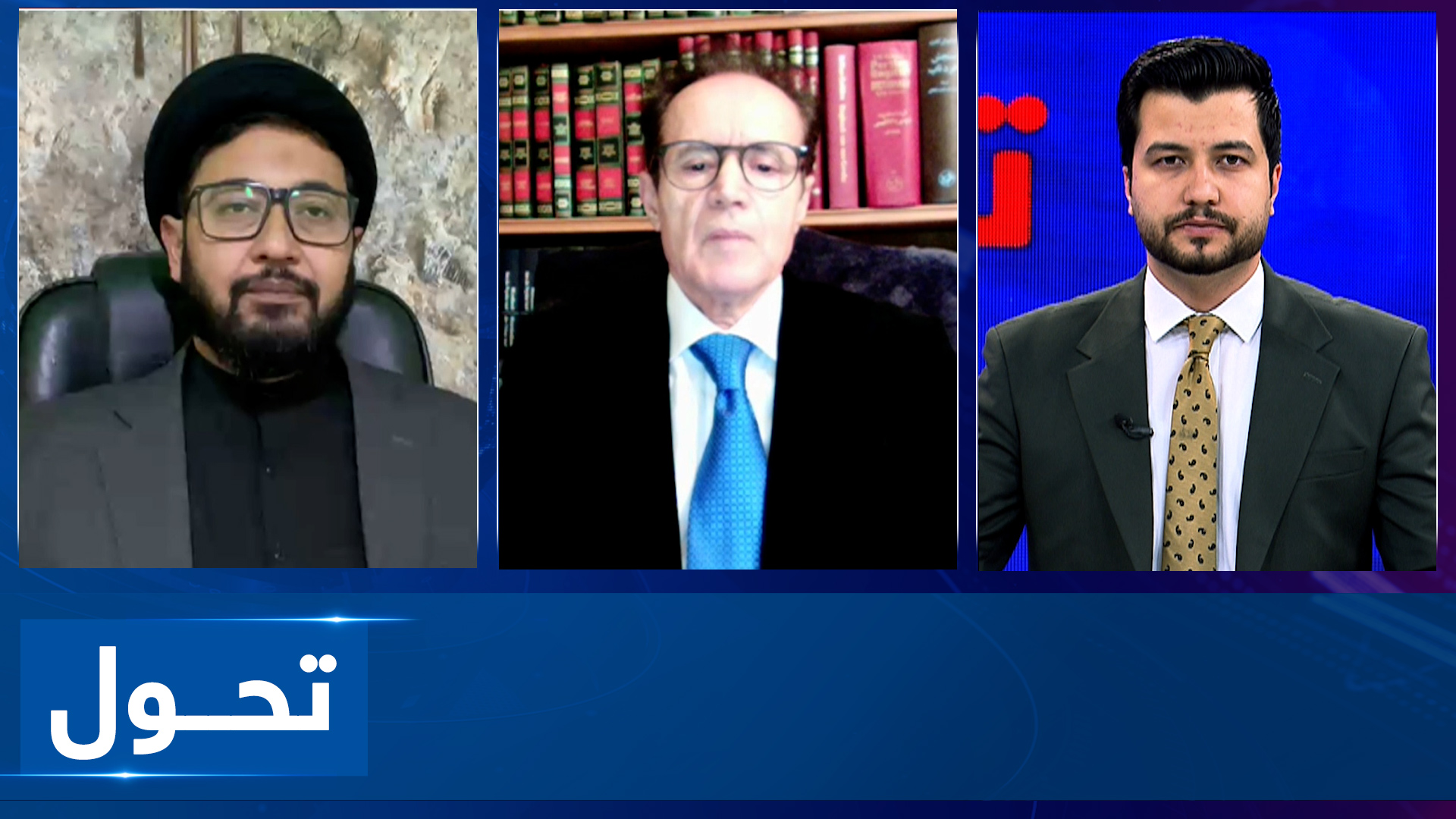
Tahawol: Geopolitical developments in the Middle East
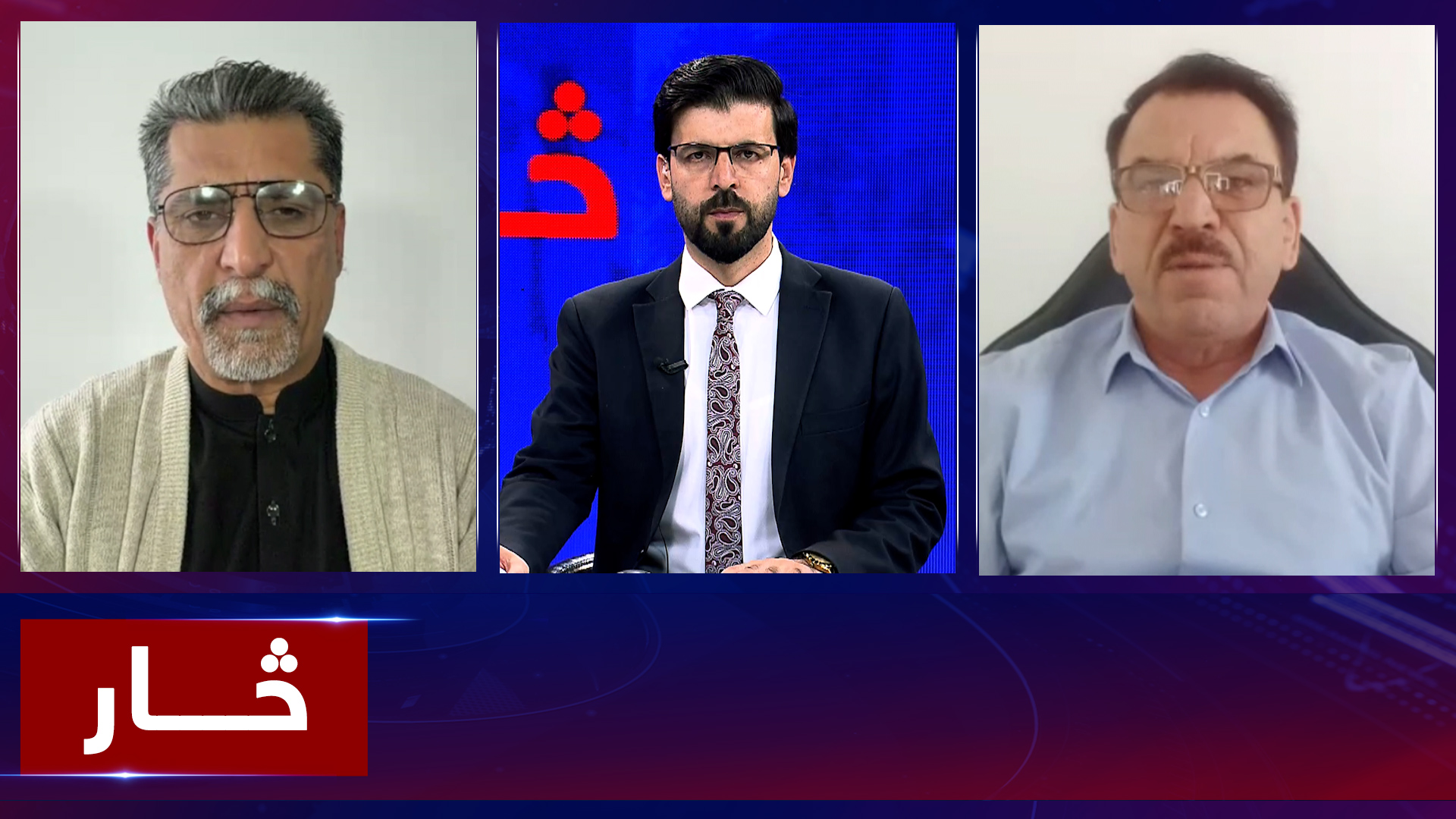
Saar: EU’s engagement with Afghanistan
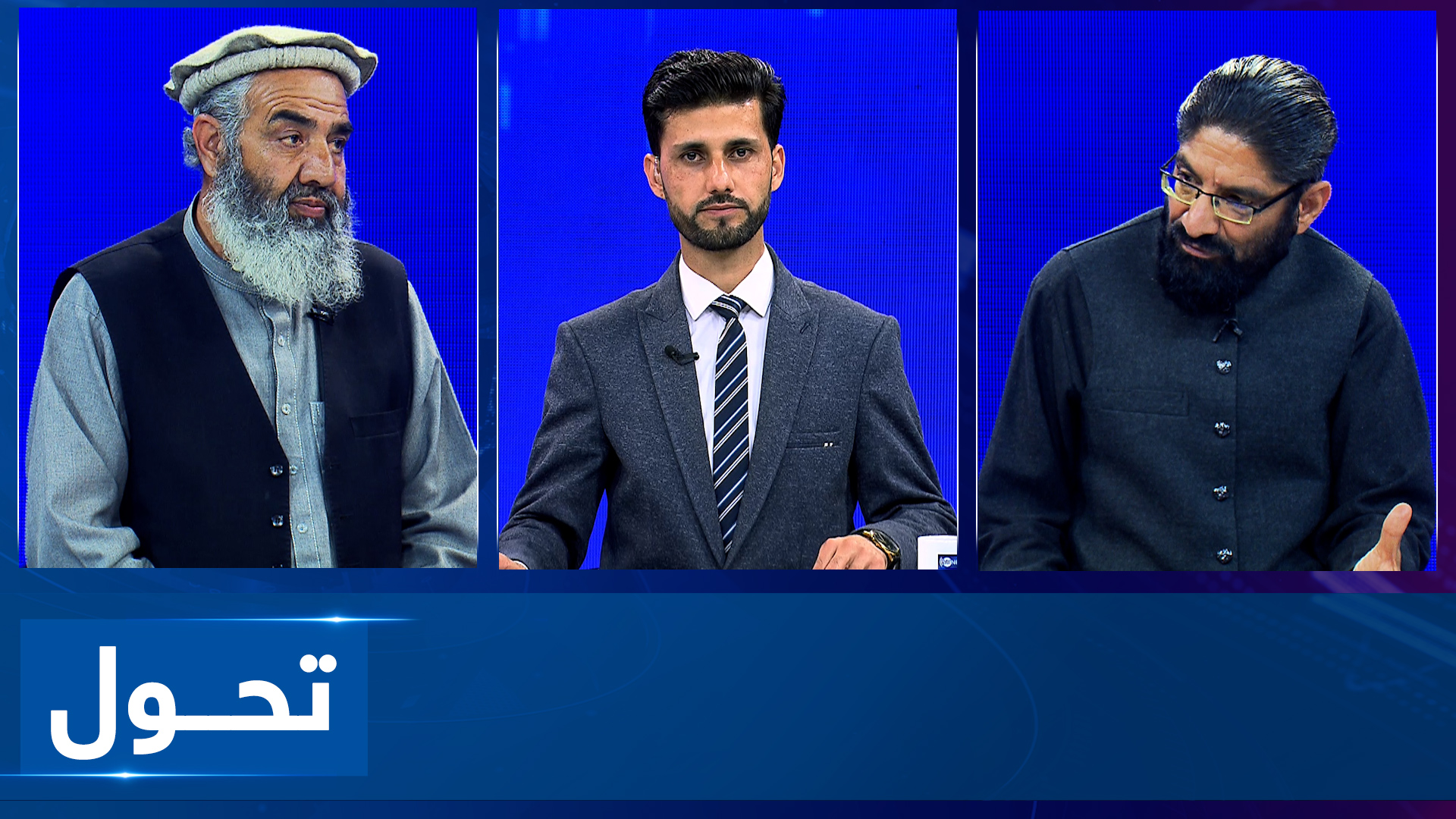
Tahawol: Afghanistan’s participation in Shanghai Plus security meeting discussed
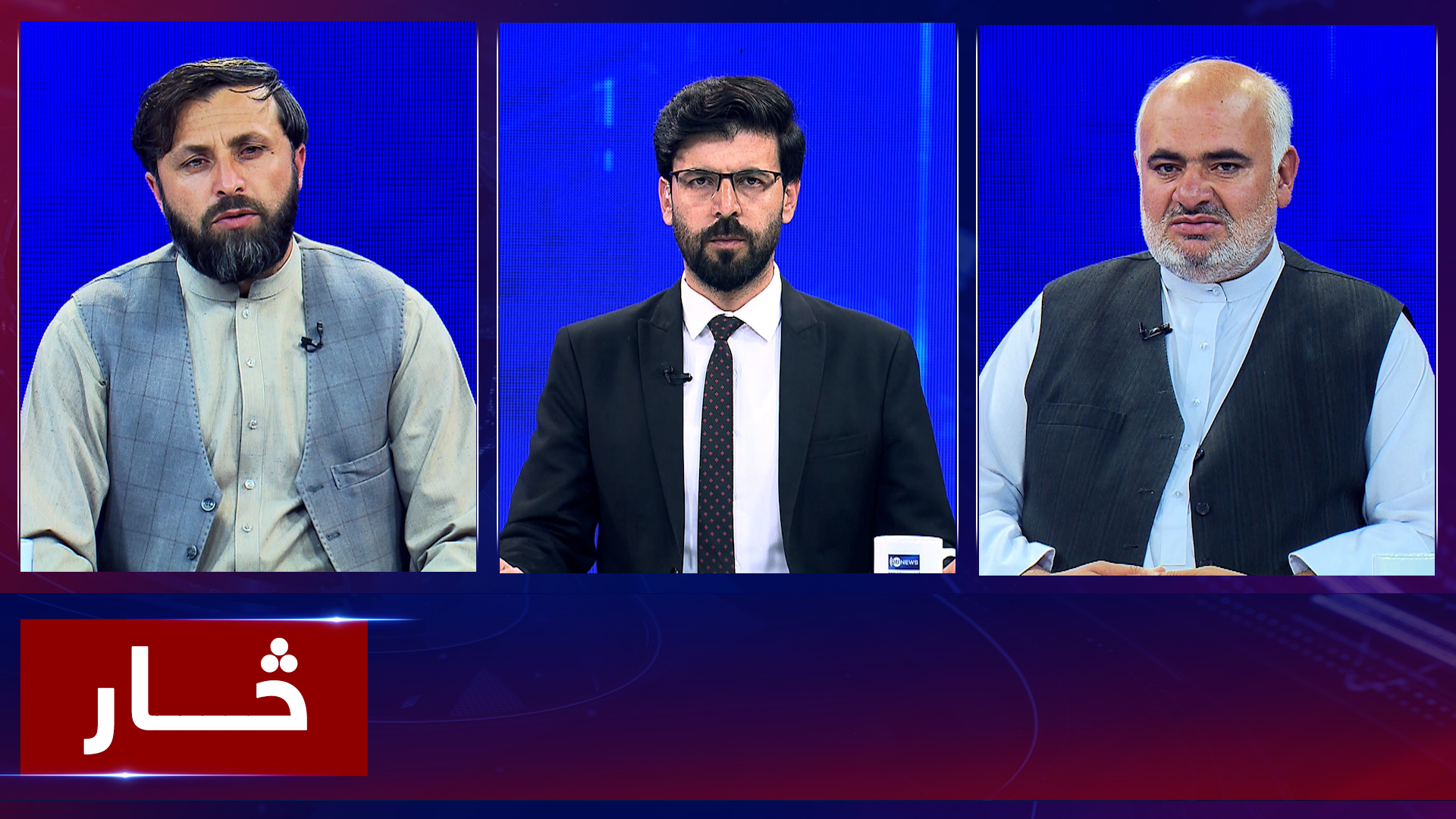
Saar: Afghanistan’s declining humanitarian aid funding discussed
-

 International Sports5 days ago
Cristiano Ronaldo announces international retirement
-
 World5 days ago
White House declares ‘Trump is still your president’ after Republicans suffer sweeping midterm defeats
-
 Regional4 days ago
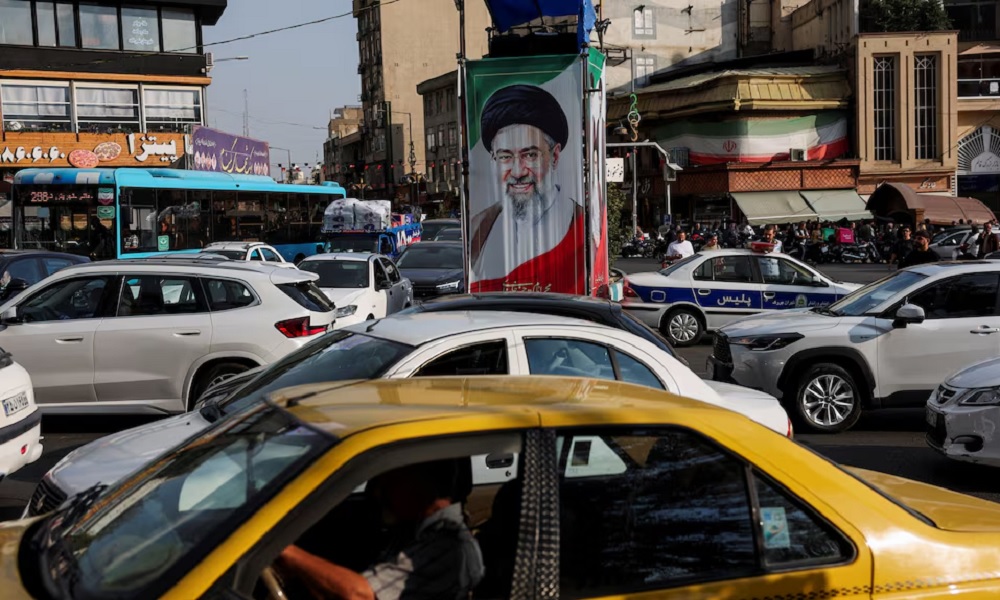
Iran sent nuclear proposal to the US via Qatar, senior Iranian official tells Reuters
-
 Latest News5 days ago
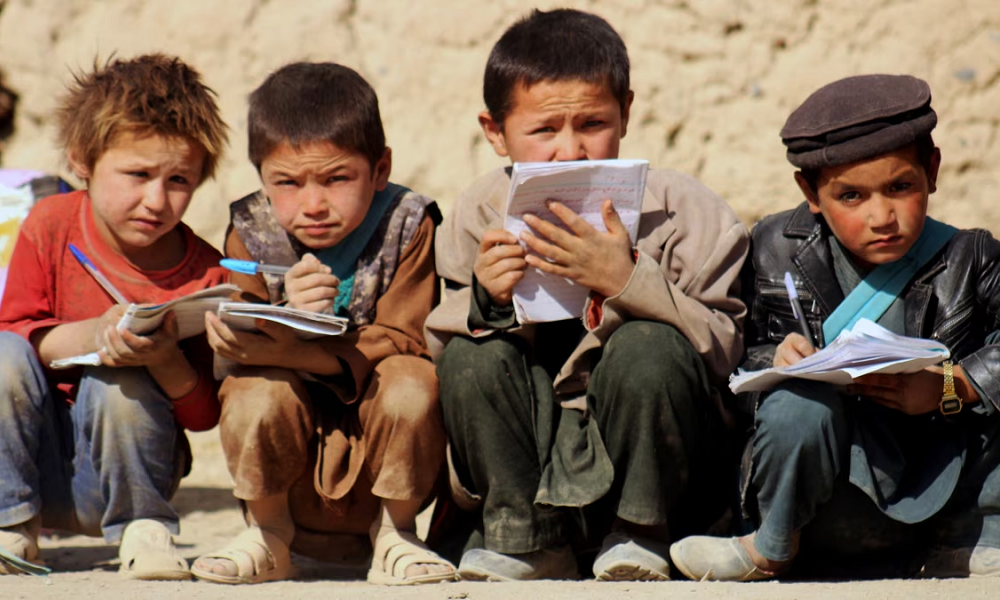
More than half of Afghan primary school-age children out of school: UN report
-
 Sport2 days ago
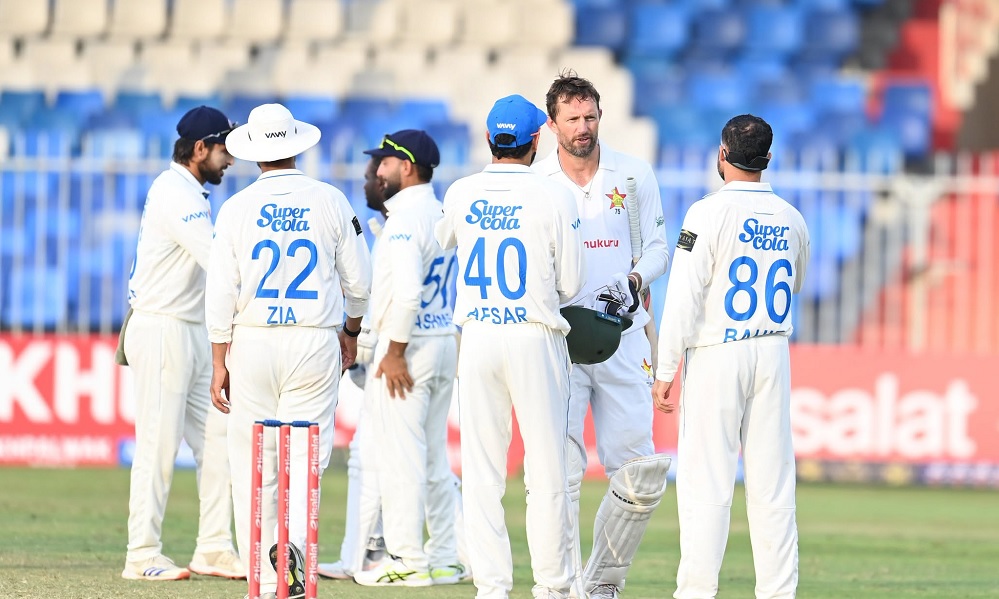
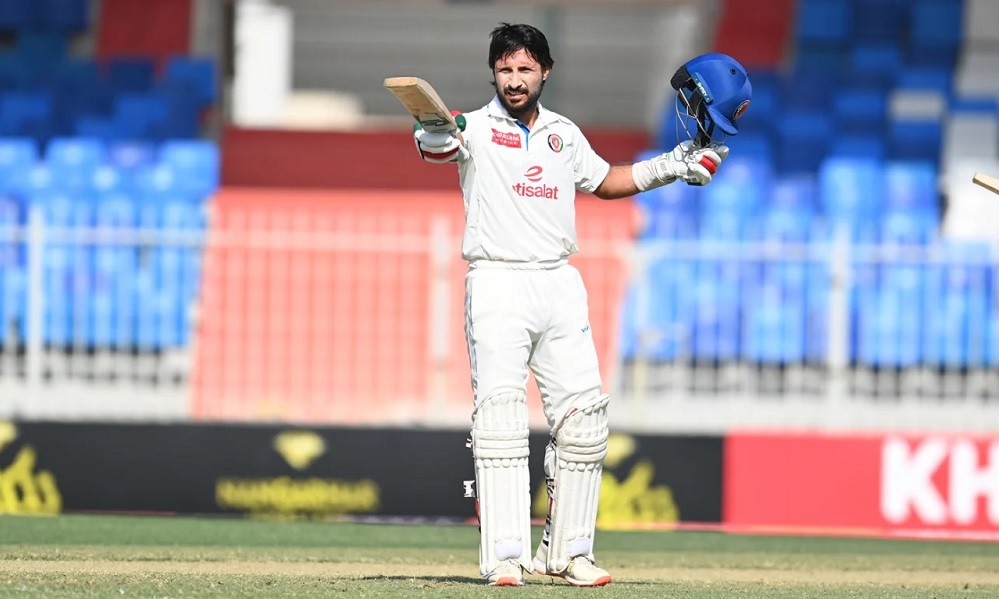
Afghanistan’s record partnership highlights fourth day of Test against Zimbabwe
-
 Tahawol5 days ago
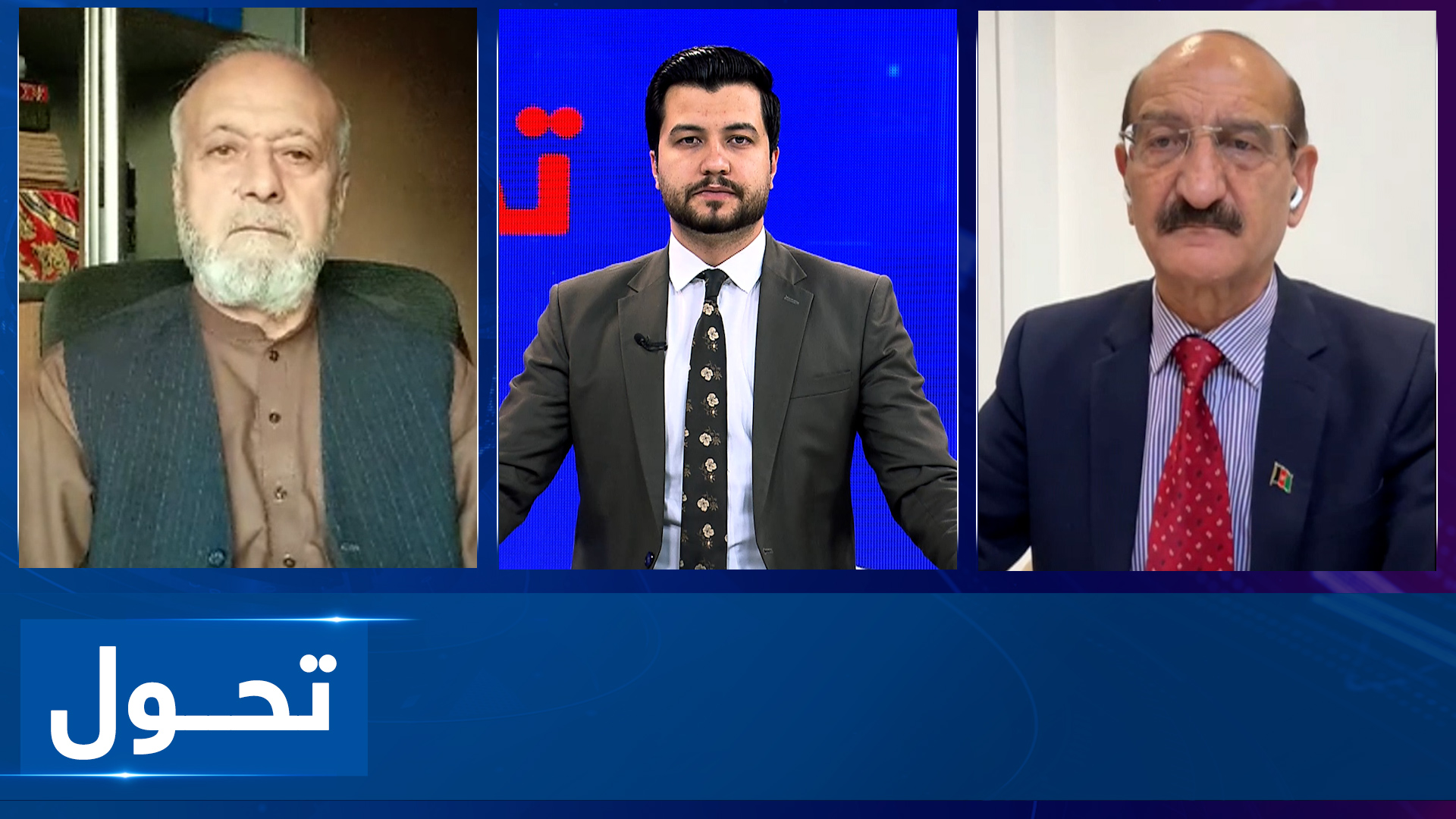
Tahawol: Calls for stronger joint action against terrorism discussed
-
 Sport4 days ago
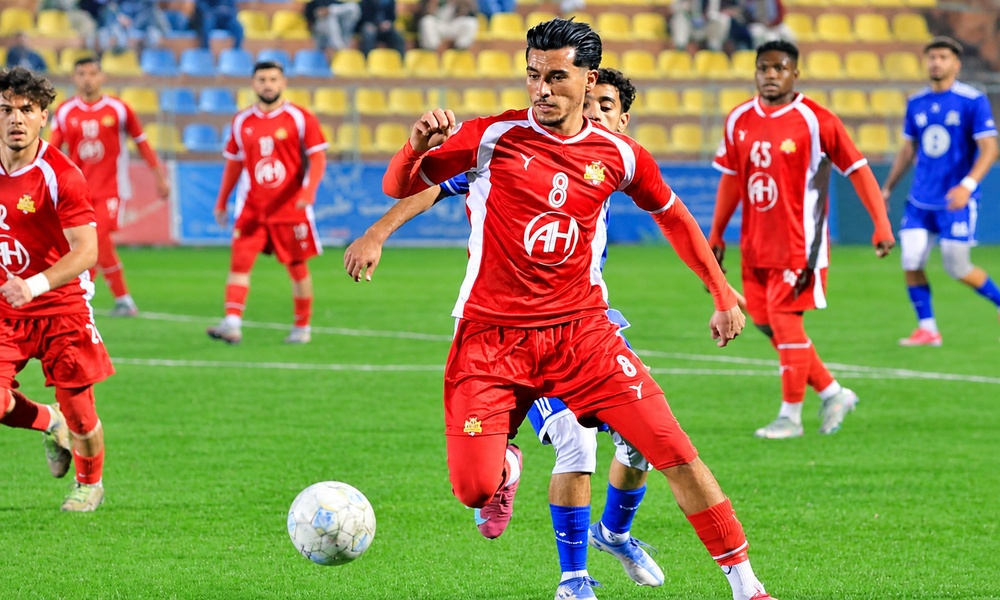
Abu Muslim Farah claim convincing 3-0 win over Omar Zawak in ACL
-
 Sport2 days ago
Afghanistan thrash Senegal 6-0 to reach Dakar Youth Olympics futsal semi-finals