
Latest News
Watchdog reports over 2,000 children killed or wounded in 2020

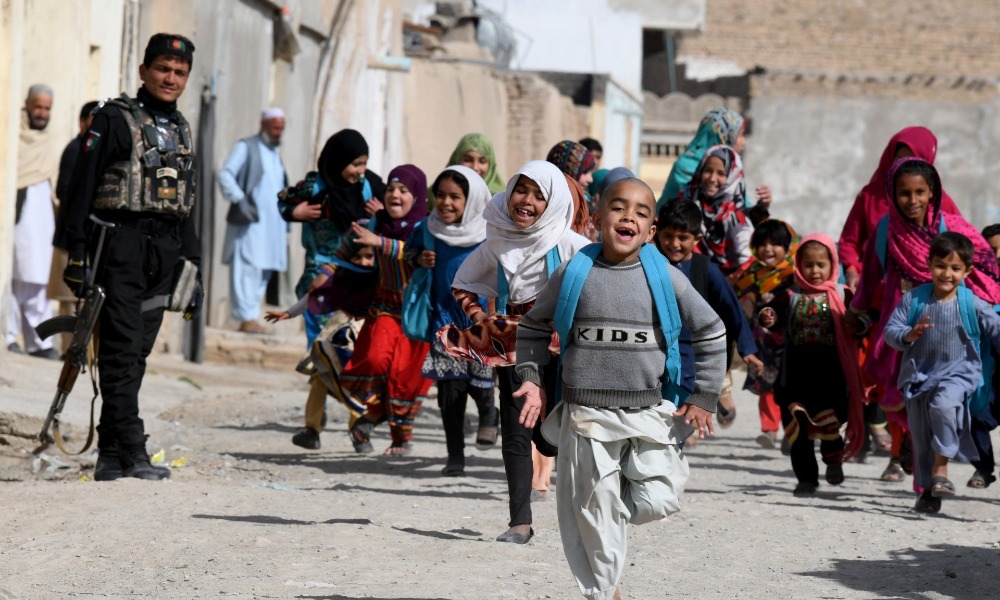
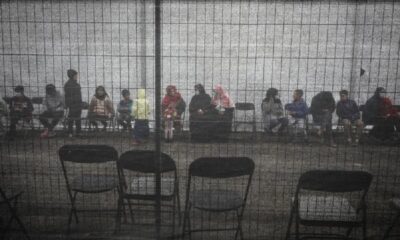
Afghanistan Independent Human Rights Commission (AIHRC) reported Tuesday as many as 2,019 children have been killed or injured in the conflict in 2020.
In its annual report on the children’s rights situation in 2020 in Afghanistan, released Tuesday, the AIHRC stated child casualties as a result of ongoing violence and clashes across the country have dropped to 25.1 percent compared to 2019.
AIHRC data, however, indicates a 16 percent increase in violence against children in 2020 compared to 2019.
“Physical, mental, economic, sexual, and other forms of violence have been recorded,” the organization said.
“Out of 1,391 child victims of violence, 948 are boys (68.2 percent), and 443 are girls (31.8 percent),” the report read.
“This research reflects the human rights situation of 5,318 children (3,807 boys, and 1,509 girls) from 28 provinces of the country. 19.3 percent of these children are between 7 and 11 years of age, and 80.7 percent of them are between 12 and 18 years old,” the AIHCR stated.
“In 1399 (2020), 628 (45.1 percent) of children included in the study, were victims of psychological violence, 606 (43.6 percent) were victims of physical violence, 44 (3.2 percent) victims of economic violence, and 34 (2.4 percent) were victims of sexual violence; and 79 (5.7 percent), were victims of other types of violence that are not listed under verbal-psychological, physical, economic and sexual violence.”
This comes as UNAMA in its latest report said Tuesday that civilian casualties have increased following the start of peace talks in September 2020.






Latest News
IEA condemns approval of death penalty law for Palestinian prisoners by Israeli parliament
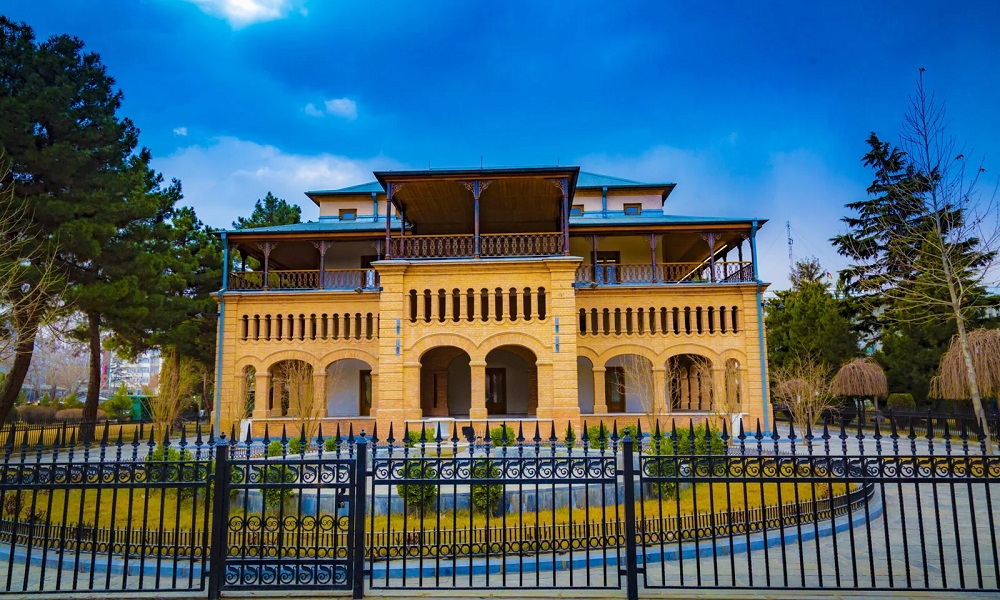
The Ministry of Foreign Affairs of the Islamic Emirate of Afghanistan has strongly condemned the decision of the Israeli Parliament, which paves the way for issuing death sentences against Palestinian prisoners.
In a statement, the Ministry of Foreign Affairs of the Islamic Emirate said: “This action is a continuation of repeated injustices, a clear violation of the fundamental rights of the Palestinian people, and contrary to the principles of justice and human rights. It discriminately targets an oppressed nation.”
The Islamic Emirate has called on international organizations to take necessary and urgent measures to prevent such actions.
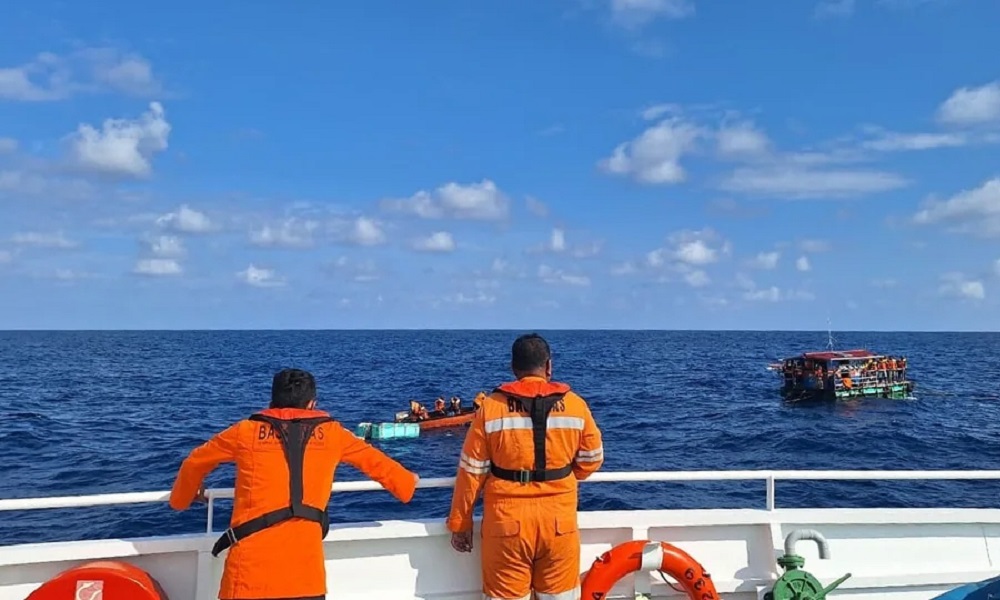
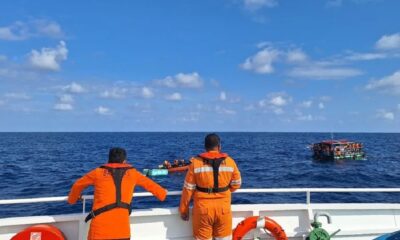
At least 19 Afghan migrants, including a baby, have died after a speedboat capsized in the Aegean Sea off the coast of Bodrum, Turkish authorities said on Wednesday.
According to the Turkish Coast Guard Command, the vessel was carrying dozens of migrants when it ignored repeated orders to stop and attempted to flee at high speed despite rough sea conditions. The boat later began taking on water before overturning.
Rescue operations were launched immediately, with teams supported by a helicopter from Izmir. Authorities said 20 migrants were rescued from the water, while 18 bodies were initially recovered at the scene. One more person later died in hospital, bringing the death toll to 19.
Search efforts are ongoing for at least one individual still reported missing.
Officials confirmed that all those on board were Afghan nationals. Idris Akbiyik, governor of Muğla province, said the victims included a baby.
Dangerous migration route
The incident occurred along one of the most frequently used—and perilous—migration routes into Europe. The nearby Greek island of Kos lies just about 20 kilometres from Bodrum, making it a common destination for migrants attempting to reach the European Union.
Other islands in close proximity include Kalymnos, Leros and Symi, all part of a corridor frequently used by people fleeing conflict, instability and economic hardship across the Middle East, Asia and Africa.
Turkey remains a major transit point for migrants seeking entry into Europe, with many attempting the short but dangerous sea crossing in overcrowded or unseaworthy boats. Despite increased patrols and enforcement efforts, such journeys often take place in poor weather or under risky conditions, frequently resulting in fatal accidents.
The latest tragedy highlights the ongoing risks faced by migrants on this route, as well as the continued pressure on coastal authorities managing search and rescue operations in the region.
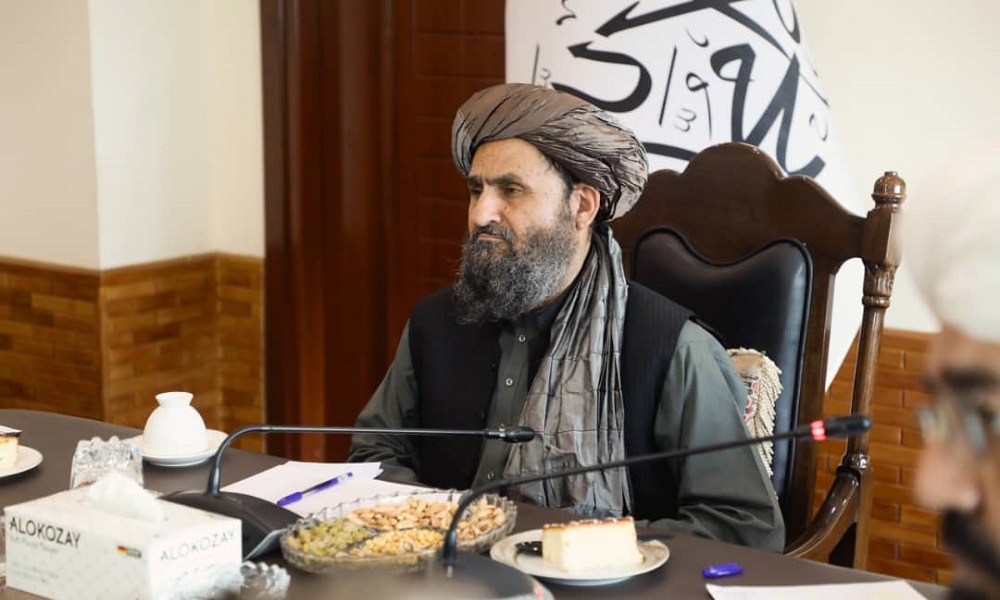
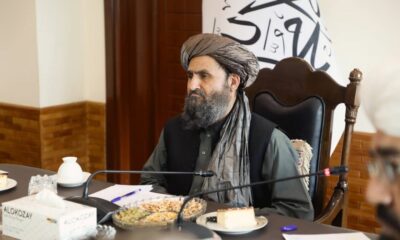
In a regular meeting of the National Procurement Commission chaired by Mullah Abdul Ghani Baradar, the Deputy Prime Minister for Economic Affairs, 17 projects worth more than one billion AFN were approved.
According to a statement from the deputy PM’s office, a total of 42 projects were presented for approval during the meeting. After discussion, 17 projects valued at over one billion AFN were approved, while modifications were made to 14 other projects.
The approved and amended projects include the construction of a dormitory building at Panjshir University; the construction of a medical faculty building at Badakhshan University; the completion of the first and second phases of the Kunar–Nuristan Road; the construction of general hospitals in Giro district of Ghazni province, Bandar district of Faryab province, and Spin Ghar district of Nangarhar province; as well as electricity supply and distribution projects across various provinces.
These projects are funded by the Islamic Emirate of Afghanistan.


Tahawol: Ongoing US–Israeli war with Iran discussed

Saar: Afghanistan-Pakistan talks in China discussed

IEA condemns approval of death penalty law for Palestinian prisoners by Israeli parliament

19 Afghan migrants killed as boat capsizes off Turkish coast

Iraq seal final spot as FIFA World Cup 2026 line-up confirmed

Prominent Muslim scholar issues fatwa calling for Afghanistan-Pakistan ceasefire

IEA Supreme Leader issues Eid-ul-Fitr message urging unity and support for Islamic system

14 Pakistani soldiers killed after military post falls along Durand line: MoD

Ronaldo’s private jet flies out of Saudi Arabia following US Embassy drone strike in Riyadh

Afghanistan steps in to replace Iran in supplying fruits and vegetables to Russia
Tahawol: Ongoing US–Israeli war with Iran discussed
Saar: Afghanistan-Pakistan talks in China discussed

Tahawol: Escalation of conflict in Middle East discussed

Saar: Formation of Jirga in Khyber Pakhtunkhwa

Tahawol: Pakistani military shelling in Kunar
-
 Latest News2 days ago
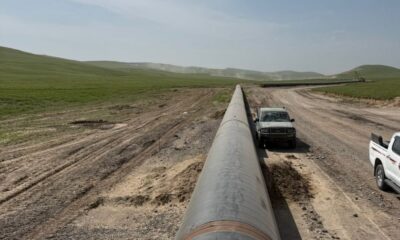
TAPI gas pipeline advances 25 km in Afghanistan
-
 Latest News4 days ago
Afghan defense forces stand ready to protect national sovereignty: MoD
-

 International Sports4 days ago
Injury concerns mount ahead of FIFA World Cup 2026 as stars sidelined
-
 Business4 days ago
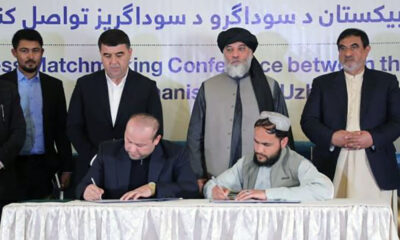
Afghanistan, Uzbekistan ink $514.8 million deals to deepen trade ties
-
 Latest News3 days ago
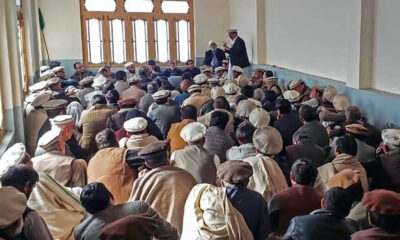
Peshawar to host key Pakistan-Afghanistan peace jirga amid ongoing tensions
-

 Latest News3 days ago
US report flags continued presence of anti-India militant groups in Pakistan
-

 Regional5 days ago
Twelve US troops wounded in Iran strike on base in Saudi Arabia, US official says
-

 Latest News4 days ago
US regime change efforts in Afghanistan ended in failure, says Merz