
Regional
Vulnerable families in Logar get relief through Bayat Foundation initiative

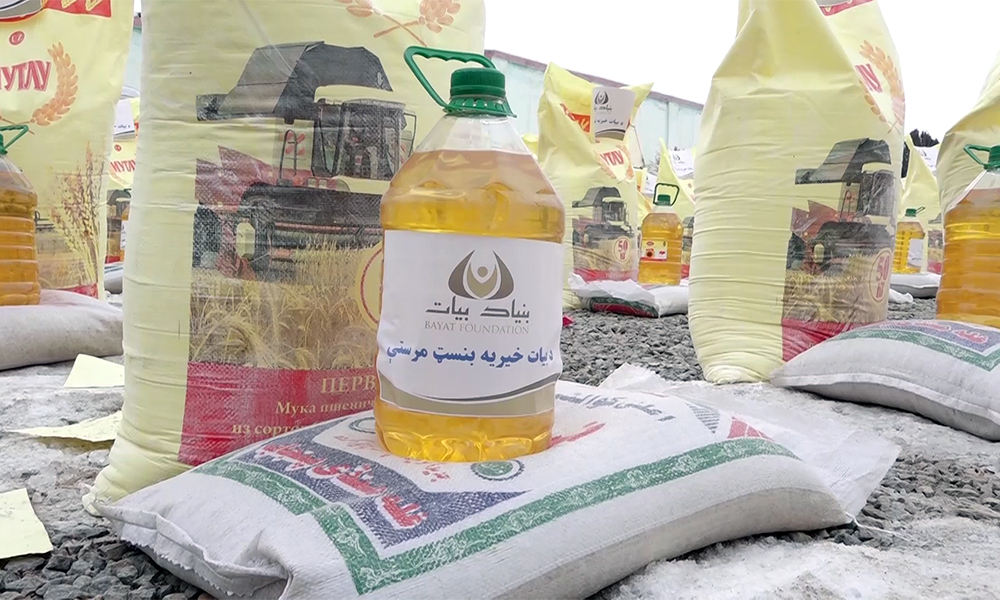
Afghanistan’s leading charity organization, the Bayat Foundation, continues to supply essential food supplies to vulnerable families across Afghanistan amid the ongoing economic crisis.
The latest recipients of food parcels were Logar residents who received packages containing flour, cooking oil and rice.
Bayat Foundation officials stated that the food supplies were distributed after an assessment was carried out to identify families who were most in need of emergency aid.
The foundation’s Deputy Head, Haji Mohammad Ismail, told Ariana News that the Logar province rollout was part of their ongoing campaign to feed families in as many provinces as possible.
“Today, we brought supplies including flour, rice, and oil to a number of deserving people who were assessed in Logar. Inshallah, further assistance will be distributed in other provinces in the near future,” said Haji Mohammad Ismail.
The recipients, meanwhile, welcomed the assistance provided and thanked the foundation.
The Islamic Emirate of Afghanistan (IEA) also praised the foundation’s initiative and called on other charity organizations to help vulnerable families who are facing severe food shortages during this harsh winter.
Nasir Ahmad Karimi, an IEA official in Logar, stated: “People are facing hardship and economic issues as [food prices] are too high. Such assistance could help them a lot.”
Bayat Foundation, so far, has distributed food supplies to thousands of vulnerable people in over a dozen provinces including Paktika, Herat, Balkh, Nangarhar, Ghazni, Khost, Kunduz, Kandahar, Kunar, Urozgan, Kabul and Bamiyan provinces.





Regional
Pakistan PM welcomes US-Iran ceasefire extension
Trump announced an extension of the ceasefire to give negotiations more time, until Iran submits a proposal.
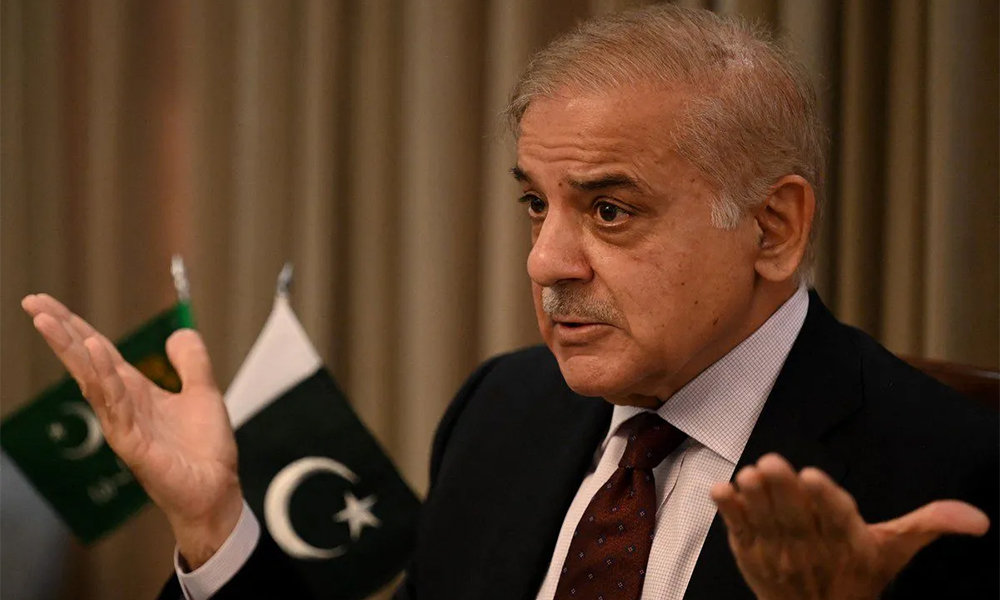
Pakistan’s Prime Minister Shehbaz Sharif on Wednesday thanked U.S. President Donald Trump for accepting the country’s request to extend the ceasefire in the U.S.-Israeli war on Iran to allow ongoing diplomatic efforts to take their course.
“I sincerely hope that both sides will continue to observe the ceasefire and be able to conclude a comprehensive ‘Peace Deal’ during the second round of talks scheduled at Islamabad for a permanent end to the conflict,” Sharif said in post on X.
Trump announced an extension of the ceasefire to give negotiations more time, until Iran submits a proposal.
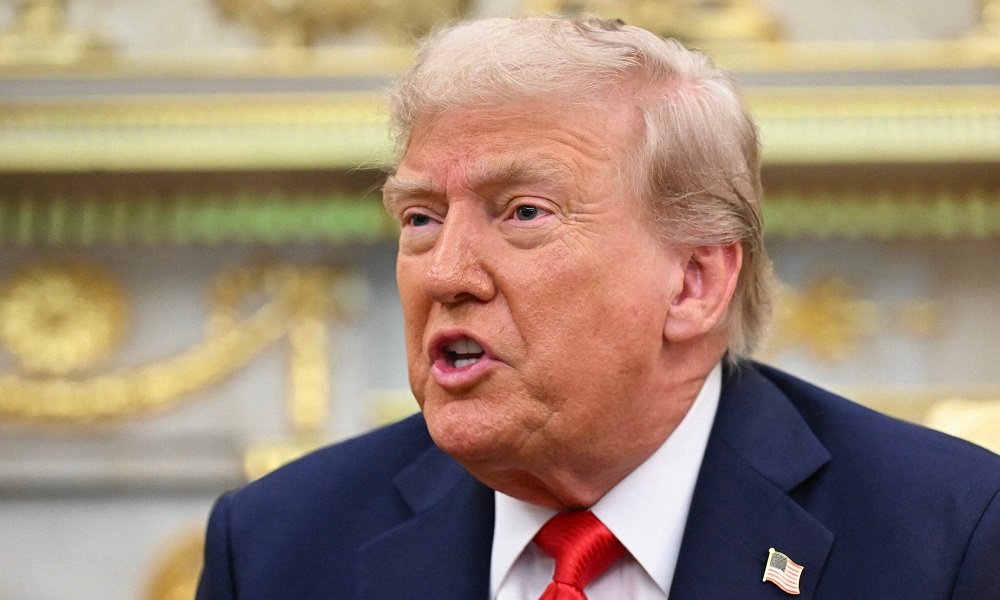
U.S. President Donald Trump has warned that the United States could resume military strikes on Iran if ongoing diplomatic efforts fail, while indicating there is little appetite in Washington to extend the current ceasefire.
Speaking in an interview with CNBC, Trump said he expects Tehran to participate in a new round of talks expected to be held in Islamabad, adding that the United States holds a strong negotiating position.
“I think we’re going to end up with a great deal,” he said. “I think we’re in a very strong negotiating position.”
However, the U.S. president struck a hard line when asked about the possibility of extending the temporary truce, saying time was limited and suggesting Washington is prepared to escalate if necessary.
“I don’t want to do that. We don’t have that much time,” Trump said, before warning that military action remains on the table if an agreement is not reached.
“I expect to be bombing because I think that’s a better attitude to go in with. But we’re ready to go. I mean, the military is raring to go,” he added.
Fragile diplomacy amid conflicting signals
Trump’s remarks come as uncertainty surrounds planned talks between U.S. and Iranian representatives, reportedly facilitated by Pakistan.
While Washington has indicated readiness to proceed, Iranian officials have publicly denied sending any delegation and reiterated that negotiations will not take place under threat or pressure.
Senior Iranian figures, including parliamentary leadership, have stressed that Tehran’s participation depends on a shift in U.S. policy, particularly the lifting of what they describe as coercive measures.
The diplomatic push follows a short-term ceasefire brokered earlier this month to halt escalating tensions between the two sides. The truce is due to expire in the coming days, raising concerns that hostilities could resume if no breakthrough is achieved.
Analysts say Trump’s refusal to consider an extension of the ceasefire reduces the already narrow window for diplomacy and increases the risk of renewed confrontation.
Pakistan has been attempting to mediate between the two sides, hosting initial indirect contacts and seeking to bring both parties back to the negotiating table. However, with positions hardening in both Washington and Tehran, the prospects for a deal remain uncertain.
The situation underscores the volatility of the region, where diplomatic efforts are racing against time to prevent a return to open conflict.
Regional
JD Vance expected in Pakistan for talks despite uncertainty over Iran’s participation
Preparations for the meeting are said to be underway, with reports indicating that several US military aircraft have already arrived in Pakistan in connection with the arrangements for the delegation.
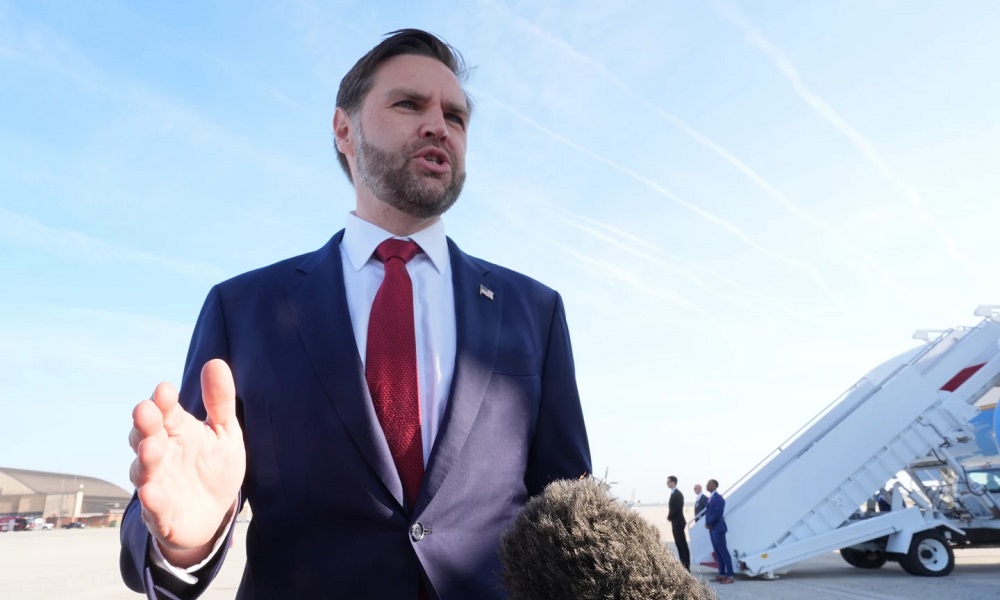
US Vice President JD Vance is expected to arrive in Islamabad on Wednesday to lead the second round of indirect talks involving Iran, according to sources close to the mediation process cited by Al Jazeera, amid growing uncertainty over whether the Iranian side will participate.
Sources said Vance will depart Washington on Tuesday evening and is expected to land in the Pakistani capital around midday on Wednesday, with the discussions reportedly scheduled to take place the same day.
Preparations for the meeting are said to be underway, with reports indicating that several US military aircraft have already arrived in Pakistan in connection with the arrangements for the delegation.
However, Iran’s participation remains unclear. Iranian state media has already denied reports that any delegation has travelled to Islamabad for talks, dismissing earlier speculation as “unfounded” and insisting that no representatives—senior or otherwise—are currently engaged in such negotiations.
Adding to the uncertainty, Iranian Parliament Speaker Mohammad Bagher Ghalibaf reiterated that Tehran does not accept negotiations conducted under threat or pressure, reinforcing long-standing Iranian conditions for any diplomatic engagement with Washington.
The apparent contradiction between US planning and Iranian public positions has raised doubts over whether the scheduled meeting will proceed as planned.
Pakistan, which has played a mediating role in facilitating earlier contacts between the two sides, is continuing efforts to keep the diplomatic channel open. However, observers note that the talks remain fragile, with both timing and participation still in question.
The situation comes at a sensitive moment, as broader regional tensions and ceasefire arrangements linked to earlier rounds of dialogue face increasing uncertainty.


Saar: Rising arbitrary arrests of Afghan refugees in Pakistan discussed

IEA ambassador, Khyber Pakhtunkhwa chief minister discuss Afghan refugee situation

Public Health Minister, WHO envoy discuss healthcare services in Afghanistan

IPL 2026: Sunrisers dominate Delhi Capital with record-breaking batsmen show

CASA-1000 power project on track to launch in 2027

IEA supreme leader orders replacement of foreign terminology in official documents

Russia deems US military presence in Afghanistan unacceptable

Afghanistan hosts inaugural Afghanistan–Central Asia Consultative Dialogue to strengthen regional cooperation

TAPI gas pipeline advances 25 km in Afghanistan

Russia backs Uzbekistan–Afghanistan trade hub, praises regional economic cooperation
Saar: Rising arbitrary arrests of Afghan refugees in Pakistan discussed

Tahawol: Russia’s Security Concerns Over Afghanistan discussed

Saar: Islamic Emirate delegation’s visit to Brussels discussed

Tahawol: Pakistan’s failed efforts to impose war in Afghanistan discussed

Saar: Demand for the country’s exports to Iran discussed
-

 Latest News3 days ago
Afghanistan launches media platform to improve access to information
-
 Latest News2 days ago
Afghanistan, Belarus hold talks on fuel imports
-
 Latest News4 days ago
Afghanistan to airlift 30,000 pilgrims to Saudi Arabia in 96 flights for Hajj 2026
-
 Business4 days ago
Afghan commerce minister highlights trade trust and market stability at Antalya Forum
-

 Regional4 days ago
Ships crossing Hormuz need OK from IRGC, unfreezing funds part of deal, Iran official says
-
 Latest News4 days ago
Afghanistan and Russia discuss expansion of banking cooperation in Moscow meeting
-

 World2 days ago
UAE seeks US financial backstop amid Iran war fallout, warns of possible shift from dollar
-

 International Sports3 days ago
Record eight Arab teams qualify for 2026 World Cup