
Latest News
Violence against women increasing in Afghanistan: Officials

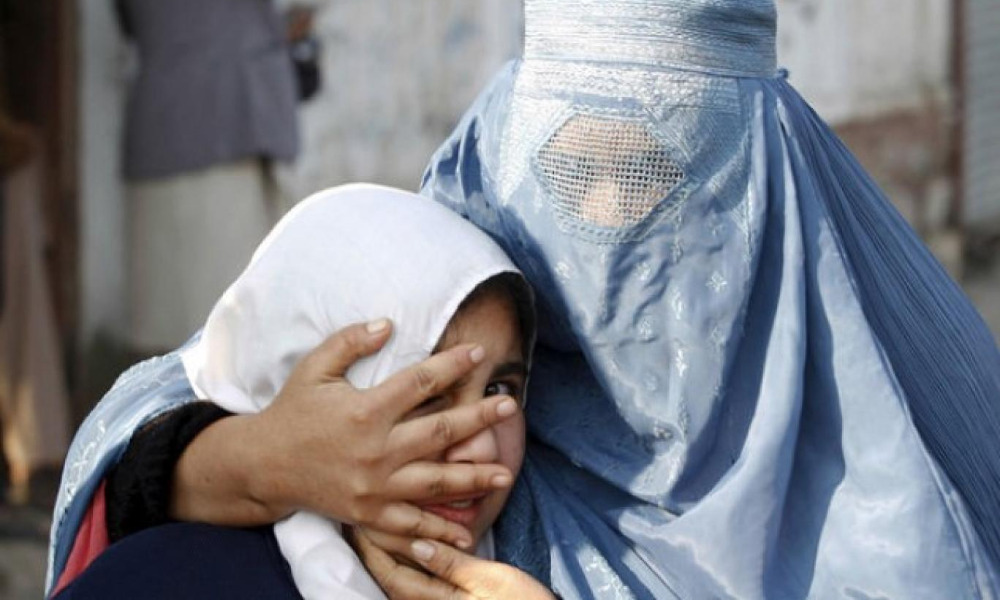
Afghan Ministry of Women’s Affairs said on Wednesday that violence against women in Afghanistan has increased in the past year.
Speaking on the occasion of International Day for the Elimination of Violence Against Women and the launch of the 16 Days of Activism
Against Gender-Based Violence campaign, the ministry said that 2,582 cases of violence against women have been reported to them in the past year.
They also said that in the past four months, 34 cases, including murders, have been reported to the ministry.
According to the officials the main cause of domestic violence and violence against women is war and insecurity.
“The Ministry of Women’s Affairs carried out a survey in 34 provinces and 250 districts and interviewed 2,000 people. We found that women demand an end to the violence,” said Hasina Safi, acting women’s affairs minister.
“Violence has increased compared to last year. This year 119 murders and sexual abuse cases were registered. The violence increased by 59 percent because of the insecurity,” said Spozhmai Wardak, deputy minister of women affairs.
Meanwhile, Afghanistan Independent Human Rights Commission (AIHRC) raised concerns and said most of the cases of violence could have been prevented.
There have been “22,472 cases of violence against women registered in Afghanistan in the past five years. Fifty two percent of the cases could have been dealt with through counselling and the other cases referred to the Ministry of Interior and Attorney General’s office,” said Shabnam Salehi, a member of AIHRC.
However, Afghan judicial bodies say that most cases of violence against women have been processed.
“The cases that were referred to the court are very unfortunate and the violence against women increased this year,” Anisa Rasooli, a court prosecutor said.
“Violence against women increases day by day. In the current year 2,088 cases have been processed – most of them are sexual abuse and assault,” Zarghona Mostaqbal, an official from the Attorney General’s Office said.
Furthermore officials from AIHRC in Paktia province said that violence against women increased in their province and in the current year 235 cases have been registered in the province.
The Women’s Network in Kabul meanwhile called for unity among the people in order to stop domestic violence.






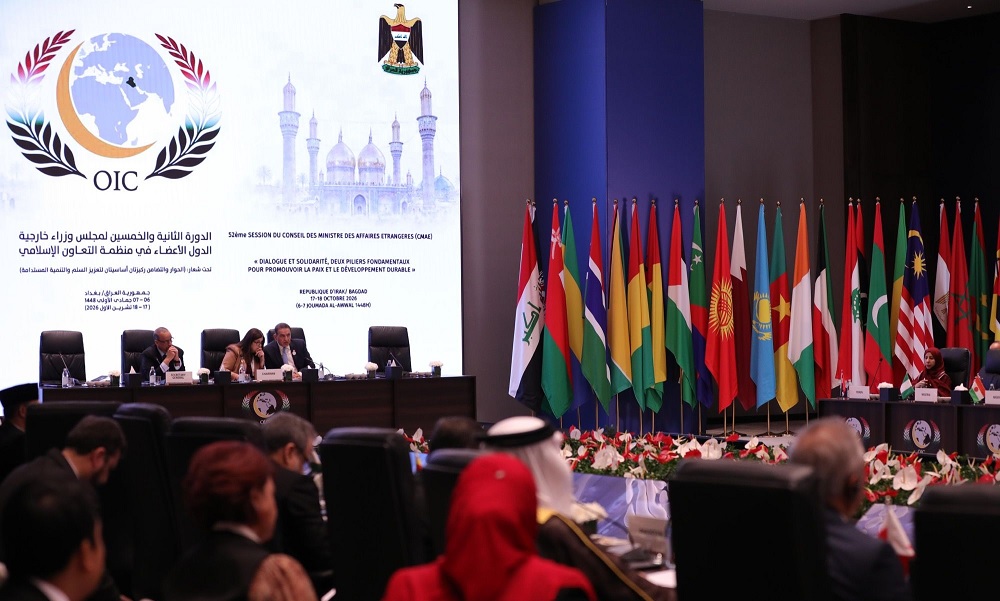
“In Afghanistan, we will continue dialogue with the de facto authorities on the rights of women and girls to education and work, based on Islamic values, and support the humanitarian and economic needs of the Afghan people,” he said addressing the OIC Council of Foreign Ministers in Baghdad, Iraq.
At the meeting, Turkish Foreign Minister Hakan Fidan also said the situation in Afghanistan, Sudan and Somalia was challenging and should be at the top of the meeting’s agenda.
Latest News
Mullah Baradar urges UNAMA not to overlook Afghanistan’s economic and security achievements
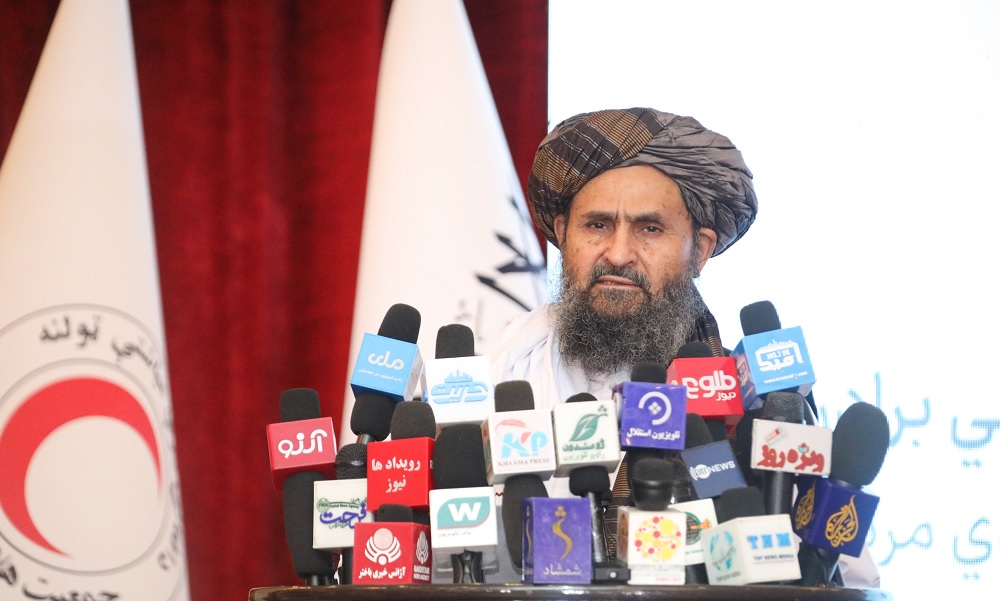
Mullah Abdul Ghani Baradar, the Islamic Emirate of Afghanistan’s Deputy Prime Minister for Economic Affairs, has urged the United Nations Assistance Mission in Afghanistan (UNAMA) to publish its reports on Afghanistan impartially, taking the country’s realities into account and not overlooking its economic and security achievements.
He made the remarks on Sunday at a ceremony organised by the Afghan Red Crescent Society to mark the special week dedicated to supporting people in need.
Baradar said: “It is not fair for Afghanistan’s economic and security achievements to be ignored in reports, while UNAMA, as an opposing and hostile party, focuses on the negative aspects.”
The deputy prime minister for economic affairs said many Afghans were facing a severe economic and humanitarian crisis due to recent droughts, seasonal floods, earthquakes and the forced return of thousands of families to the country. He said addressing these challenges required serious attention.
He called on wealthy individuals, traders, investors, charitable organisations and international humanitarian agencies to provide practical assistance and cooperate with the Afghan Red Crescent Society.
Meanwhile, Noorulhaq Anwar, head of the General Directorate of Administrative Affairs, called on Afghanistan’s neighbouring countries to stop harassing and suppressing Afghans and depriving them of economic opportunities.
Referring to relations between neighbours, Anwar said neighbours should help reduce one another’s difficulties rather than make people’s lives harder through economic pressure.
Without naming any specific country, Anwar added that Afghanistan’s neighbours were still harassing and suppressing Afghans and depriving them economically.
Latest News
Hegseth says only a few NATO allies were involved in fighting in Afghanistan
Recalling his deployment to Afghanistan, Hegseth said he would visit NATO headquarters in Kabul, where the flags of around 50 countries were displayed.



Afghanistan finish runners-up after 6-0 defeat to Brazil in futsal final

Trump endorses Netanyahu in close Israeli election

ACL: League leaders Sorkh Poshan claim another 3 points

Tahawol: Afghanistan’s empty seat at OIC Meeting

Toofan Herat beat Istiqlal Kabul 2-0 in Afghanistan Champions League clash

Cricket Bonanza: Afghanistan set for packed international schedule

Afghanistan says 28 killed, 32 captured in Nuristan operation

Silk Road highway in Wakhan corridor now reaches the China border

CNN, MS NOW and Politico sue Trump, challenging White House ban

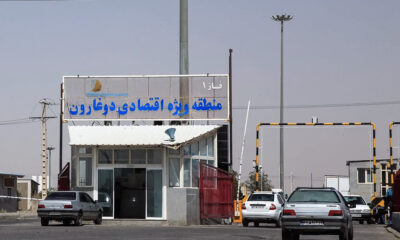
Dogharoun handles 60% of Iran’s exports to Afghanistan
Tahawol: Afghanistan’s empty seat at OIC Meeting

Saar: Islamic Emirate–Pakistan clashes discussed

France rocked by nationwide clashes, looting and fires

Tahawol: Russian economic delegation’s visit to Kabul

Saar: Discussion on harsh criticism of Pakistan at Moscow meeting
-

 Sport5 days ago
Afghan futsal coach: Brazil tournament is first step towards new goals and World Cup
-
 Latest News5 days ago
Afghan official says Durand Line crossings to remain closed until Islamabad accepts demands
-
 Latest News4 days ago
India, Russia hold security talks on Afghanistan and Pakistan amid regional tensions
-
 Latest News4 days ago
Uzbekistan gains ground in Afghanistan’s flour market as Kazakhstan loses exports
-
 World5 days ago
Yemen hospitals overwhelmed by surge in war casualties, Red Cross warns
-
 Latest News5 days ago
OIC envoy briefs Kabul diplomats on talks with Afghan authorities
-
 Regional4 days ago
School roof collapse kills teacher, 21 children in NW Pakistan
-
 Latest News4 days ago
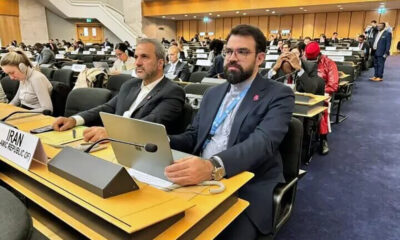
Iran says nearly 60,000 Afghan students attend its universities, urges more refugee aid