
Business
Uzbekistan restores electricity to Afghanistan after fixing power plant problem

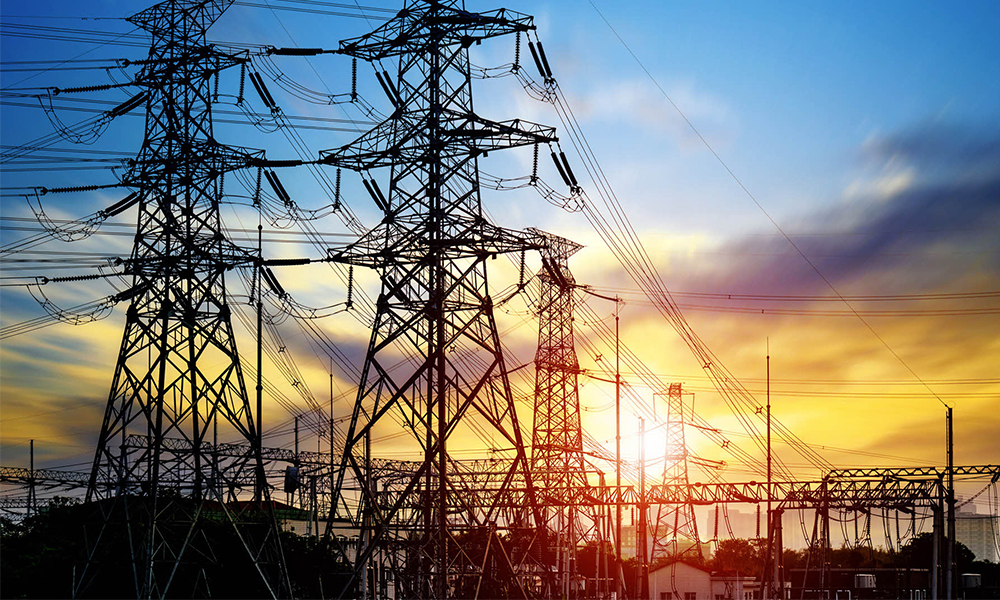
Da Afghanistan Breshna Sherkat (DABS) said the electricity supply from Uzbekistan has returned to normal after output fell by 60% due to technical problems.
The power supply company said in a statement early Thursday that the problem at a power station in Uzbekistan has now been resolved and that electricity supply to Afghanistan has been restored.
Two days ago, Uzbekistan was forced to cut supply by 60%, which left large parts of Afghanistan without power.




Business
Belarus ready to boost petroleum trade and investment cooperation with Afghanistan
Officials stressed the importance of expanding trade relations, developing joint investment opportunities and creating practical mechanisms for broader economic cooperation.
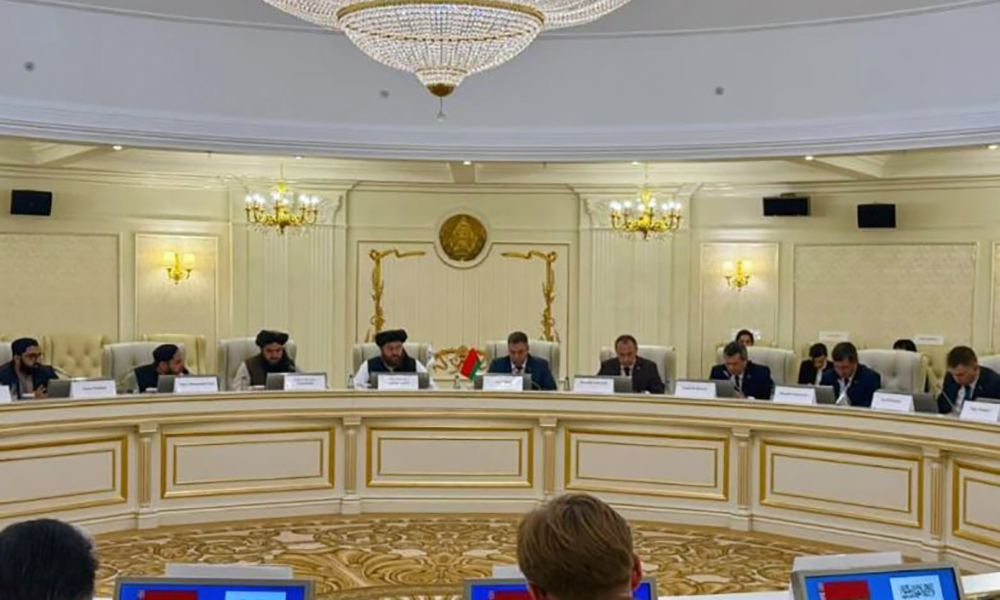
Belarus has expressed readiness to expand economic cooperation with Afghanistan, including the transportation and import of petroleum products through direct agreements with Afghan government institutions and private-sector companies.
Afghanistan’s Ministry of Commerce and Industry said on Friday that Deputy Minister Ahmadullah Zahid held talks with Belarusian Deputy Trade Minister Vlad Mirvoyevich Ryzhkovsky and senior officials from Belarus’ oil and investment sectors.
The discussions focused on boosting bilateral trade, expanding Afghanistan’s exports, importing petroleum products from Belarus, attracting investment and strengthening cooperation in the industrial and energy sectors.
The two sides also discussed closer engagement between private-sector businesses and the need to make effective use of the economic potential of both countries.
According to the ministry, officials stressed the importance of expanding trade relations, developing joint investment opportunities and creating practical mechanisms for broader economic cooperation.
The Belarusian delegation assured Afghan officials that it would take the necessary steps to establish direct cooperation and sign agreements with Afghan government institutions and private companies for the transportation and import of petroleum products.
The meeting comes as Afghanistan seeks to diversify its economic and trade partnerships, increase exports and attract greater foreign investment and cooperation from countries in the region and beyond.
Business
Afghanistan, Kuwait explore new investment and trade opportunities
The Afghan Embassy in Kuwait said the talks focused on Afghanistan’s security and stability, economic potential and available investment opportunities.
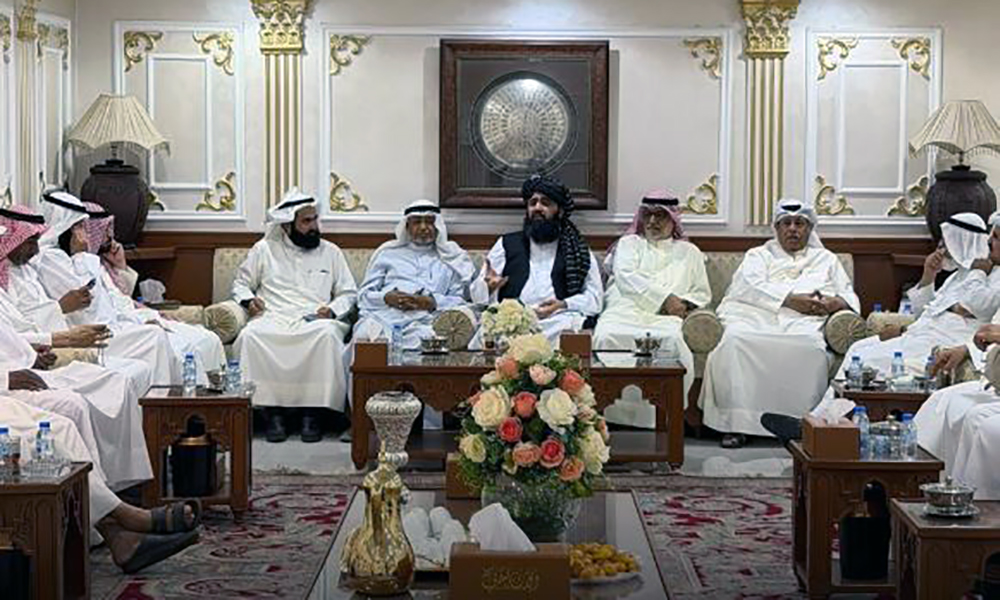
Afghanistan and Kuwait have discussed expanding trade and investment cooperation during a meeting between Afghanistan’s Chargé d’Affaires in Kuwait, Mohammad Shafiq Khatib, and prominent Kuwaiti investor Ajeej Khalaf, along with a number of businessmen and investors.
The Afghan Embassy in Kuwait said the talks focused on Afghanistan’s security and stability, economic potential and available investment opportunities.
The sides stressed the importance of strengthening trade and economic ties and expanding investment cooperation between the two countries.
Khatib invited Kuwaiti businessmen and investors to visit Afghanistan, explore investment opportunities and consider investing in various sectors of the Afghan economy.
The meeting comes as Afghanistan seeks to attract more foreign investment and strengthen economic and commercial ties with regional and international partners.


Saar: Ongoing return of Afghan refugees from Iran and Pakistan discussed

Afghan delegation visits major production factories in Belarus

Iran grants permission for a number of Iraqi oil tankers to pass through Hormuz

US judge strikes down Trump visa suspension for 75 countries, including Afghanistan

Afghanistan-India T20I series could see major schedule change

Pakistan’s governance system has ‘collapsed’: Mohsin Naqvi

AFC confirms clubs for 2026/27 competitions; draw set for August 18

Afghanistan exports first stone shipment to US in $100,000 trade milestone

Only two days to go before Afghanistan and Ireland begin ODI series

Iran seeks to establish free trade zone with Afghanistan and China
Saar: Ongoing return of Afghan refugees from Iran and Pakistan discussed

Tahawol: Expansion of IEA’s diplomatic ties with countries discussed

Saar: Ongoing tensions between Iran and US discussed

Tahawol: Marking Afghanistan’s 107th independence anniversary

Saar: 107th anniversary of Afghanistan’s independence discussed
-
 Latest News5 days ago
Blast at Kabul school injures at least 52
-
 Latest News4 days ago
Indian and Serbian officials attend August 15 event at Afghan Embassy in Delhi
-
 Latest News4 days ago
CSTO chief: Afghan border instability poses risks to regional security
-
 Regional3 days ago
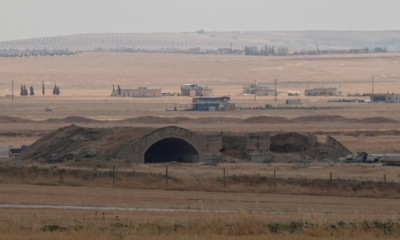
Turkey slams Israel’s ‘untenable’ claims after strikes on Syrian base
-
 Latest News4 days ago
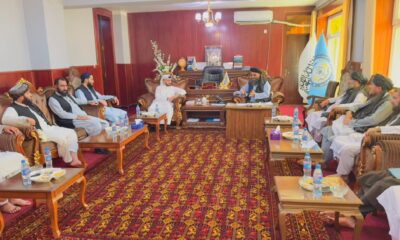
Qatar’s ambassador visits Panjshir for first time, discusses development projects
-
 World3 days ago
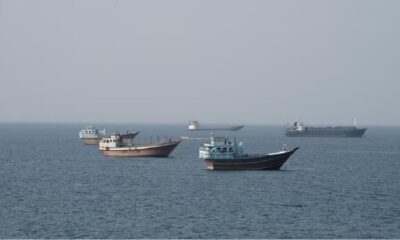
Trump says no talks planned with Iran, Tehran says Strait of Hormuz still shut
-
 Latest News4 days ago
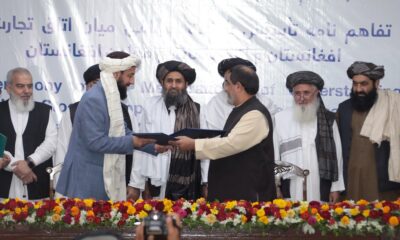
MoU signed to establish joint-stock company to boost investment in Afghanistan
-
 World4 days ago
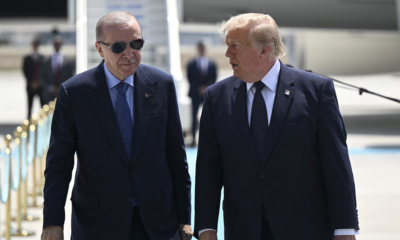
Erdogan urges Trump to pursue talks with Iran, offers support