
Latest News
Uzbekistan hoping to engage with IEA without alienating the West

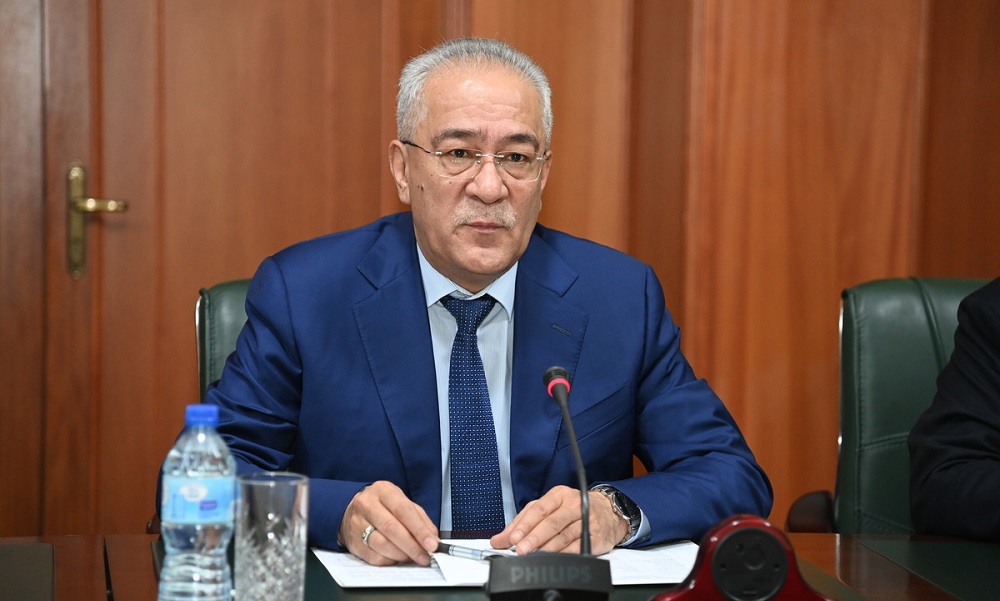
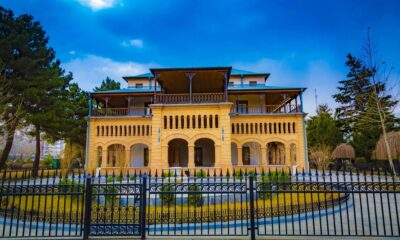
Uzbekistan has emerged as a key interlocutor with the Islamic Emirate of Afghanistan (IEA), engaging with Kabul on a wide range of issues but without officially recognizing the new government.
In doing so, it has enabled Uzbekistan to explore new opportunities for economic cooperation with Afghanistan without upsetting the international community, VOA reported Friday.
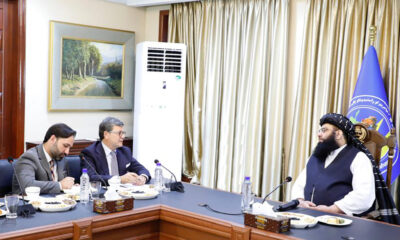
Ismatulla Irgashev, special representative to Uzbek President Shavkat Mirziyoyev, told VOA in an interview that his government is “working closely” with the IEA.
“We have long established solid contacts, talk regularly, [and] discuss cooperation,” he said.
Uzbekistan sees the IEA “as a reality that must be accepted,” he said.
“Imagine what happens if we don’t engage. … More conflict, another civil war, more blood, poverty, suffering, threats to the neighbors and the international community,” he stated.
Reflecting on President Mirziyoyev’s description of Afghanistan as an integral part of Central Asia, Irgashev said, “We see a common future with immense common interests, no matter who is in power there.”
Uzbekistan has meanwhile become a key hub for the delivery of humanitarian aid to Afghanistan, a move acknowledged by US Secretary of State Antony Blinken in March.
Mirziyoyev recently dispatched a delegation to Washington, urging more assistance to Afghanistan. Irgashev claimed Tashkent has persuaded the European Union to return diplomats to Kabul and hopes the US will ultimately take similar steps, VOA reported.
“The Taliban (IEA) don’t want to be isolated,” Irgashev said. “They want international recognition.”
Despite calling for greater engagement with the IEA, Irgashev said Tashkent is committed to moving ahead with formal recognition but only in tandem with the international community.
“We will not recognize them alone,” he said. “When it happens, we want a collective voice and stand.”



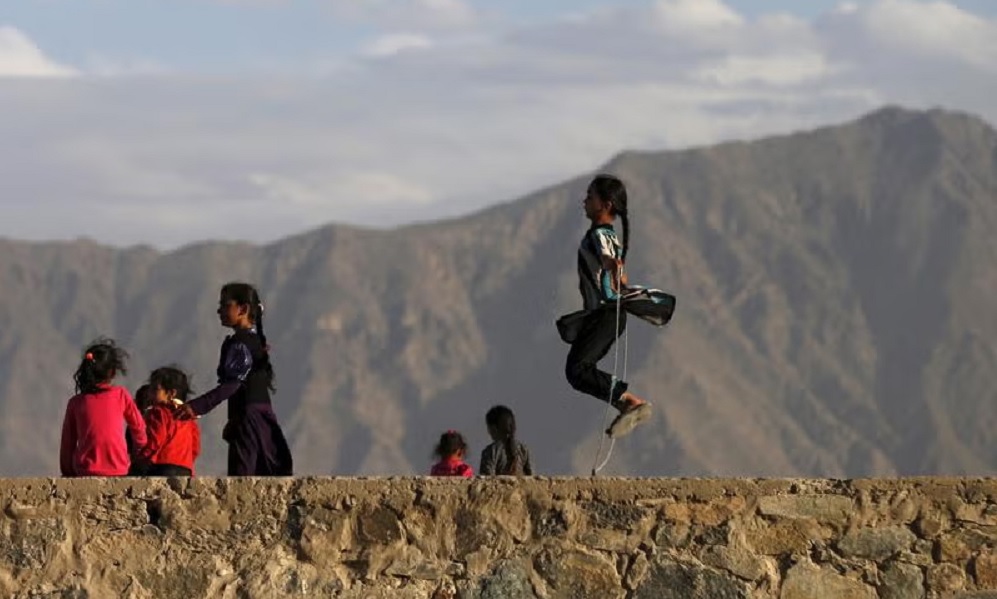
Afghanistan’s Ministry of Vice and Virtue says it has prevented several cases of forced and underage marriage in the past five months, as UNICEF calls for urgent action to protect girls and end child marriage.
Ministry spokesperson Saif-ul-Islam Khyber said the cases included attempts to prevent the marriages of two girls, aged six and eight, in Helmand and Nangarhar provinces. He attributed child marriage partly to a lack of awareness and harmful traditional practices, urging the public to report forced marriages to authorities.
In a statement marking the International Day of the Girl 2026, UNICEF Representative in Afghanistan Dr. Tajudeen Oyewale called for greater investment in girls’ education, healthcare and protection.
According to Afghanistan’s Multiple Indicator Cluster Survey 2022–23, 28.7% of women aged 20 to 24 were married before turning 18, with the proportion reaching one in two girls in some areas.
UNICEF warned that child marriage can disrupt education, limit future opportunities and expose girls to violence, early pregnancy and childbirth-related complications.
The agency urged the authorities to reopen schools to girls beyond Grade 6, describing continued access to education as one of the most effective ways to prevent child marriage. It also called for stronger protection services, support for vulnerable families and access to essential healthcare.
UN Secretary-General António Guterres has also called for an end to child marriage, warning that the practice threatens millions of girls’ education, health and safety.
UNICEF said coordinated action by families, communities, authorities and international partners is essential to ensure Afghan girls can learn, grow and shape their own futures.
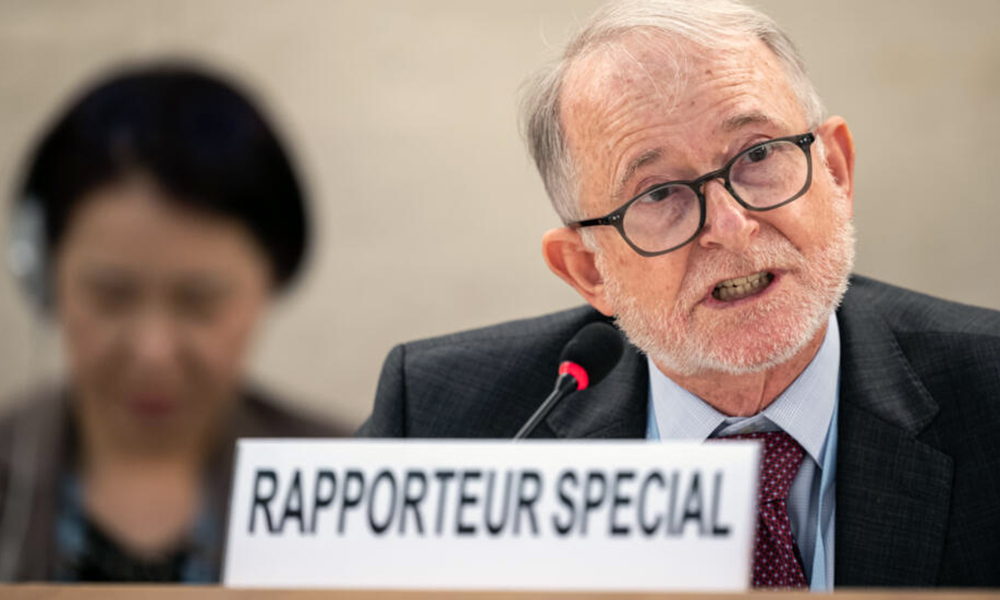
UN special rapporteur Richard Bennett says Pakistani airstrikes that kill Afghan civilians may constitute war crimes, calling for independent investigations and accountability.
In an interview with the BBC, Bennett said the United Nations Assistance Mission in Afghanistan (UNAMA) had documented civilian casualties in the cross-Durand Line violence between Afghanistan and Pakistan, with women and children among those killed.
Bennett said this is a very serious issue, noting that the consequences of the conflict disproportionately affect society’s most marginalized and disadvantaged people.
He also cited a March airstrike on a drug rehabilitation hospital in Kabul, saying that, according to figures attributed to UNAMA, 269 people were killed. The victims were men undergoing treatment and rehabilitation for drug addiction, he added.
Bennett called for full and independent investigations into the incidents, saying victims and their families deserved justice and accountability.
He said he had raised the issue with the UN Human Rights Council, which has yet to establish a dedicated mechanism to investigate the attacks. However, he pointed to an independent investigative mechanism established a year earlier that could potentially examine the incidents.
Bennett also called on the ICC to consider investigating the alleged attacks, noting that the court already has an ongoing investigation into the situation in Afghanistan. While the decision rests with the court, he said he hoped it would examine the incidents closely.
His remarks come amid mounting concerns over cross-Durand Line violence and its toll on Afghan civilians.
In early October, UN Secretary-General’s spokesperson Stéphane Dujarric said the UN mission had documented more than 1,100 civilian casualties in Afghanistan resulting from cross-Durand Line violence in 2026.
The United Nations has called for de-escalation and respect for international law, stressing that civilians must be protected from the effects of armed conflict.
Latest News
IEA condemn attacks on Saudi airports amid rising regional tensions
It urged all parties involved to refrain from violence, prevent further escalation and take necessary measures to protect civilians.
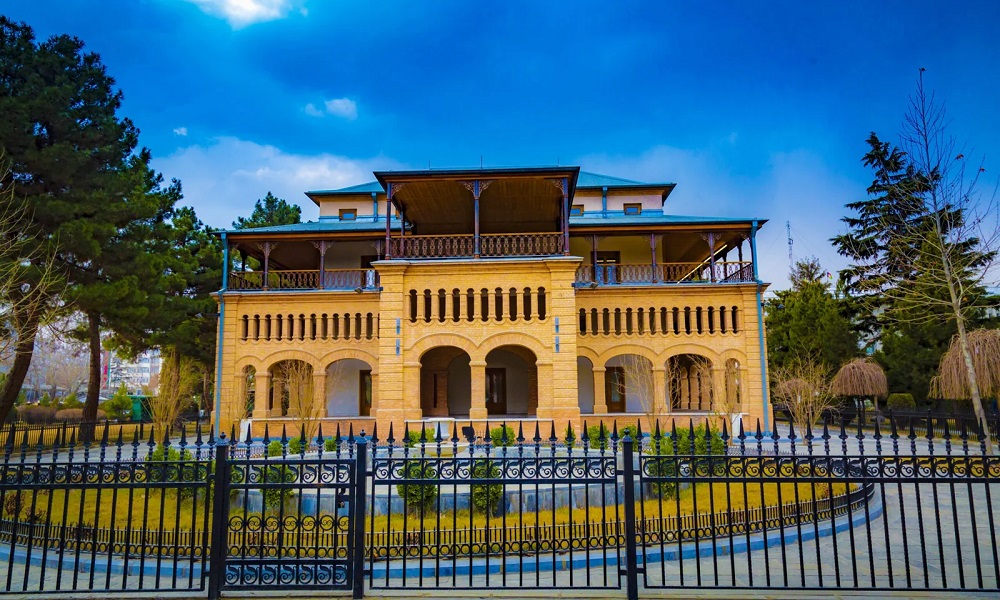
The Islamic Emirate’s Ministry of Foreign Affairs has expressed concern over recent attacks on Riyadh and other airports in Saudi Arabia, describing the reported civilian casualties as deeply regrettable.
In a statement issued on Monday, Abdul Qahar Balkhi, spokesperson for the ministry, said that any attack threatening the lives and safety of civilians is condemnable.
The ministry warned that escalating violence and the widening scope of the conflict could jeopardize the security and stability of the entire region.
It urged all parties involved to refrain from violence, prevent further escalation and take necessary measures to protect civilians.
According to Saudi officials, one person was killed and 12 others injured in Saturday’s attack on King Khalid International Airport in Riyadh.


Afghanistan face daunting 479-run chase against Bangladesh in Abu Dhabi Test

Afghanistan reports efforts to prevent child marriage as UNICEF urges action

Afghanistan U19 begin Asia Cup Preparations with Oman tour

UN rights envoy urges ICC to probe alleged Pakistani war crimes in Afghanistan

IEA condemn attacks on Saudi airports amid rising regional tensions

EU and FAO launch €5m programme to strengthen Afghanistan’s agrifood sector

Cricket Bonanza: Afghanistan set for packed international schedule

Houthi advance in Yemen puts U.S. in a new bind

New warnings reignite debate over AI threat to humanity

UN warns of mounting humanitarian and human rights pressures in Afghanistan

Tahawol: EU appointing new envoy for Afghanistan

Saar: Pakistan’s political, security and economic crises

Saar: Ongoing expulsion of Afghan refugees from Iran and Pakistan discussed

Tahawol: CSTO meeting on Afghanistan reviewed

Saar: Guterres’s talks with Pakistani officials on Afghanistan discussed
-

 Regional3 days ago
Trump says US will not attack Iran before midterm elections in November
-
 Business4 days ago
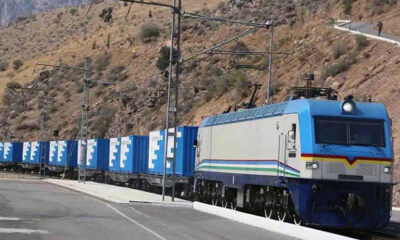
Russia-Afghanistan trade surges 150% in first seven months of 2026
-
 World4 days ago
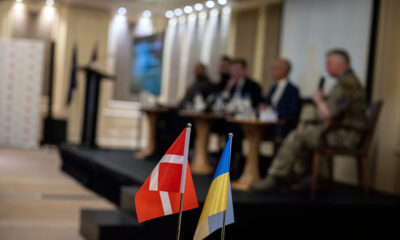
Denmark says Russia has conducted sabotage attacks against its defense firms
-
 Latest News2 days ago
Pakistan issues new directives for Afghan medical students and doctors
-
 World3 days ago
Witkoff, Kushner to meet Ukrainians for talks on the war, says US source
-

 Sport4 days ago
Arman FC defeat Istiqlal Kabul 3-2 in thrilling comeback
-
 Latest News2 days ago
Iranian lawmaker praises Afghanistan’s support, accuses Pakistan of ‘hypocrisy’
-

 Business4 days ago
Afghan products attract Saudi buyers at major food expo in Jeddah