
Latest News
US slips out of Bagram silently without notifying new commander

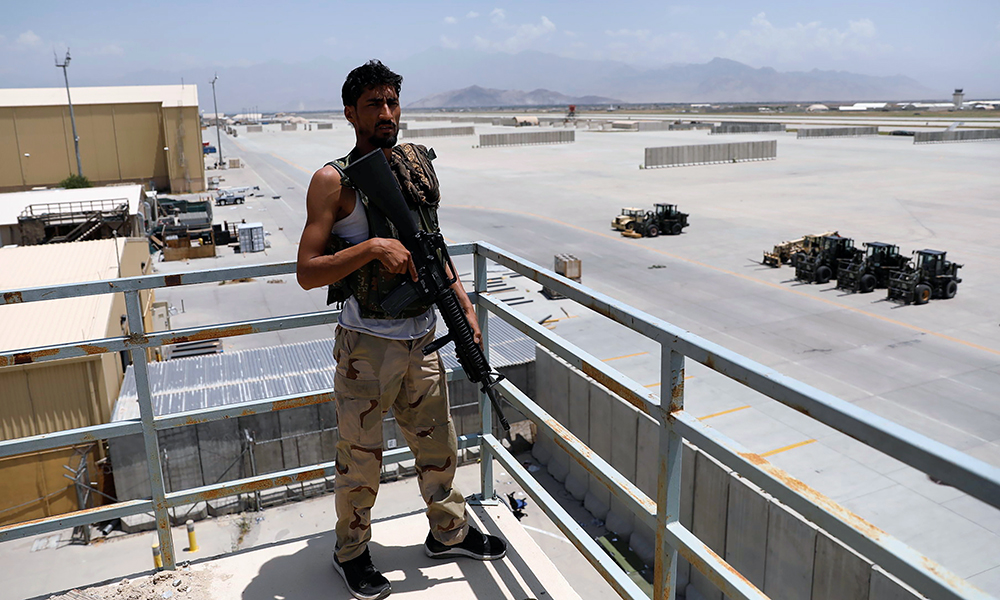
The U.S. left Afghanistan’s Bagram Airfield after nearly 20 years by shutting off the electricity and slipping away in the night without notifying the base’s new Afghan commander, who discovered the Americans’ departure more than two hours after they left, Afghan military officials said, the Associated Press reported.
The U.S. announced Friday it had completely vacated its biggest airfield in the country in advance of a final withdrawal the Pentagon says will be completed by the end of August.
“We (heard) some rumor that the Americans had left Bagram … and finally by seven o’clock in the morning, we understood that it was confirmed that they had already left Bagram,” Gen. Mir Asadullah Kohistani, Bagram’s new commander said.
U.S. military spokesman Col. Sonny Leggett did not address the specific complaints of many Afghan soldiers who inherited the abandoned airfield, instead referring to a statement last week, AP reported.
The statement said the handover of the many bases had been in the process soon after President Joe Biden’s mid-April announcement that America was withdrawing the last of its forces. Leggett said in the statement that they had coordinated their departures with Afghanistan’s leaders.
Before the Afghan army could take control of the airfield about an hour’s drive from the Afghan capital Kabul, it was invaded by a small army of looters, who ransacked barrack after barrack and rummaged through giant storage tents before being evicted, according to Afghan military officials.
“At first we thought maybe they were Taliban,” said Abdul Raouf, a soldier of 10 years. He said the the U.S. called from the Kabul airport and said “we are here at the airport in Kabul.”
As of last week, most NATO soldiers had already quietly left. The last U.S. soldiers are likely to remain until an agreement to protect the Kabul Hamid Karzai International Airport, which is expected to be done by Turkey, is completed, AP reported.
Bagram was a massive facility, the size of a small city, that had been exclusively used by the U.S. and NATO. AP reported that the sheer size is extraordinary, with roadways weaving through barracks and past hangar-like buildings. There are two runways and over 100 parking spots for fighter jets known as revetments because of the blast walls that protect each aircraft. One of the two runways is 3,660 meters long and was built in 2006. There’s a passenger lounge, a 50-bed hospital and giant hangar-size tents filled with supplies such as furniture.
Kohistani said the U.S. left behind 3.5 million items, all itemized by the departing U.S. military. They include tens of thousands of bottles of water, energy drinks and military ready-made meals, known as MRE’s.
“When you say 3.5 million items, it is every small item, like every phone, every door knob, every window in every barracks, every door in every barracks,” he said.
The big ticket items left behind include thousands of civilian vehicles, many of them without keys to start them, and hundreds of armored vehicles. Kohistani said the U.S. also left behind small weapons and the ammunition for them, but the departing troops took heavy weapons with them. Ammunition for weapons not being left behind for the Afghan military was blown up before they left.
Afghan soldiers who wandered Monday throughout the base that had once seen as many as 100,000 U.S. troops were deeply critical of how the U.S. left Bagram, leaving in the night without telling the Afghan soldiers tasked with patrolling the perimeter.
“In one night, they lost all the goodwill of 20 years by leaving the way they did, in the night, without telling the Afghan soldiers who were outside patrolling the area,” said Afghan soldier Naematullah, who asked that only his one name be used, AP reported.
Within 20 minutes of the U.S.’s silent departure on Friday, the electricity was shut down and the base was plunged into darkness, said Raouf, the soldier of 10 years who has also served in Taliban strongholds of Helmand and Kandahar provinces.
The sudden darkness was like a signal to the looters, he said. They entered from the north, smashing through the first barrier, ransacking buildings, loading anything that was not nailed down into trucks.
On Monday, three days after the U.S. departure, Afghan soldiers were still collecting piles of garbage that included empty water bottles, cans and empty energy drinks left behind by the looters.
Kohistani, meanwhile, said the nearly 20 years of U.S. and NATO involvement in Afghanistan was appreciated but now it was time for Afghans to step up, AP reported.
“We have to solve our problem. We have to secure our country and once again build our country with our own hands,” he said.

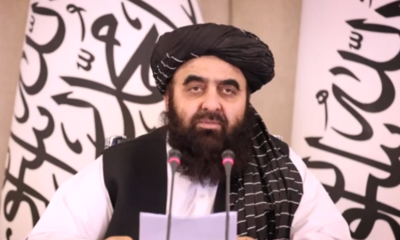


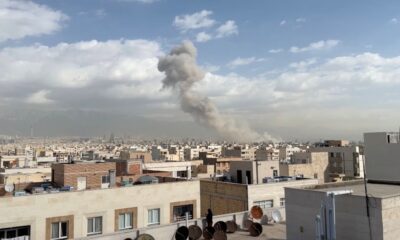

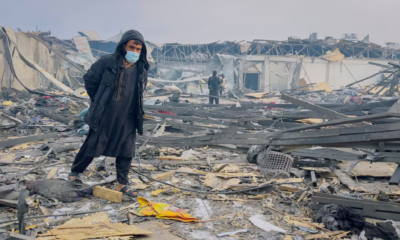

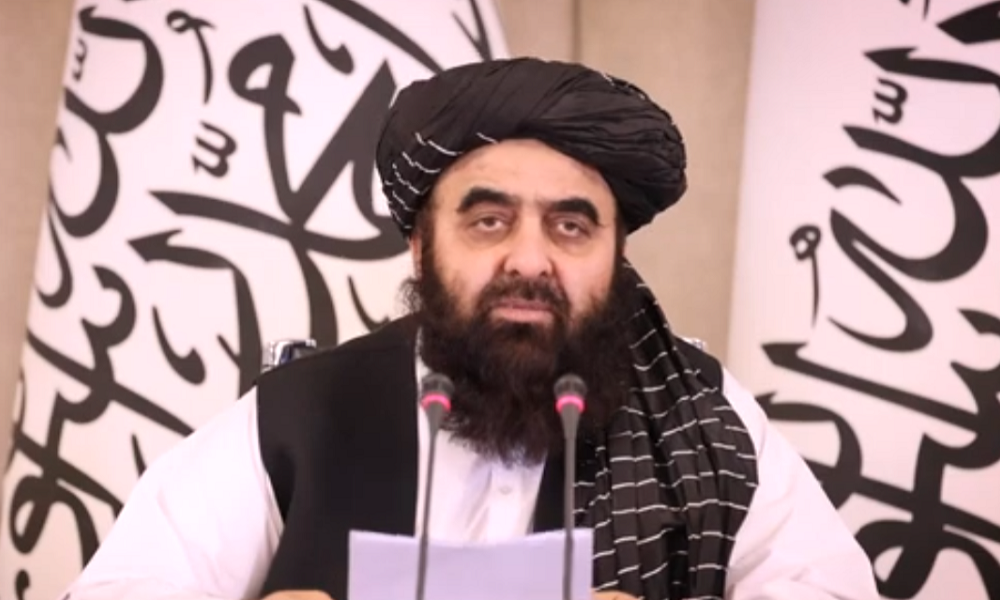
Afghanistan’s Foreign Minister Amir Khan Muttaqi has strongly condemned a Pakistani airstrike on Kabul, saying it killed more than 408 people and wounded over 260, most of them patients at a drug rehabilitation centre.
Speaking to diplomats and representatives from various organizations in Kabul, Muttaqi said the late-night strike targeted one of the most vulnerable groups in society—people undergoing treatment for drug addiction with support from humanitarian organisations.
He described the attack as a serious violation of humanitarian and Islamic principles, accusing Pakistan of deliberately hitting civilian facilities.
He said the strike came despite ongoing mediation efforts by regional countries, including China, and followed earlier goodwill gestures by
Afghanistan, such as the release of Pakistani detainees during Ramadan.
According to Muttaqi, repeated attacks since February—including strikes on civilian areas in multiple provinces—have eroded trust in diplomatic solutions.
Muttaqi warned that Afghan forces would continue “proportionate and legitimate” defensive responses if attacks persist, stressing that Afghanistan does not seek conflict but will defend its sovereignty and territory.
He also urged the international community, particularly regional and Muslim countries, to condemn the strike, warning that continued escalation by Pakistan risks destabilising the wider region and undermining major economic and development initiatives.
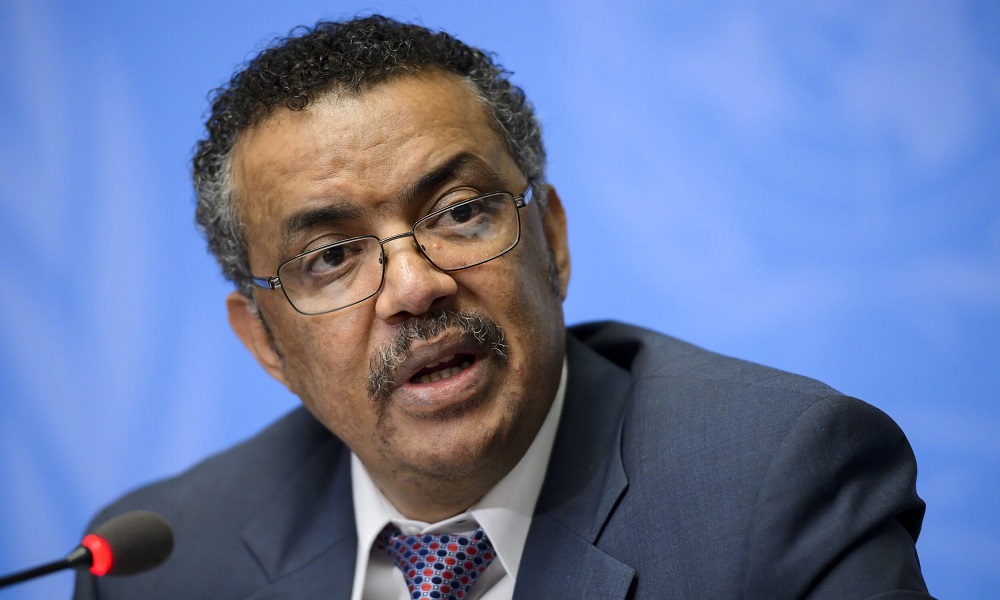
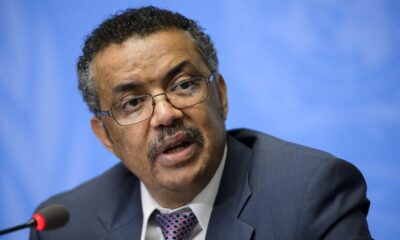
Tedros Adhanom Ghebreyesus, Director-General of the World Health Organization, said Tuesday that the escalating conflict between Kabul and Islamabad has placed additional strain on Afghanistan’s health system and increased risks to the health and well-being of vulnerable populations.
According to Ghebreyesus, since late February, at least six health facilities in Afghanistan have been affected by the rising tensions between Afghanistan and Pakistan.
He added that the World Health Organization is working to verify reports of attacks on the Omid Drug Rehabilitation Hospital in Kabul.
He called on Afghanistan and Pakistan to de-escalate tensions and prioritize peace.
Writing on X, he said: “Peace is the best medicine.”
Following Monday night’s attack by Pakistan’s military regime on the Omid Drug Rehabilitation Hospital in Kabul, 408 people were killed and more than 250 others were injured.
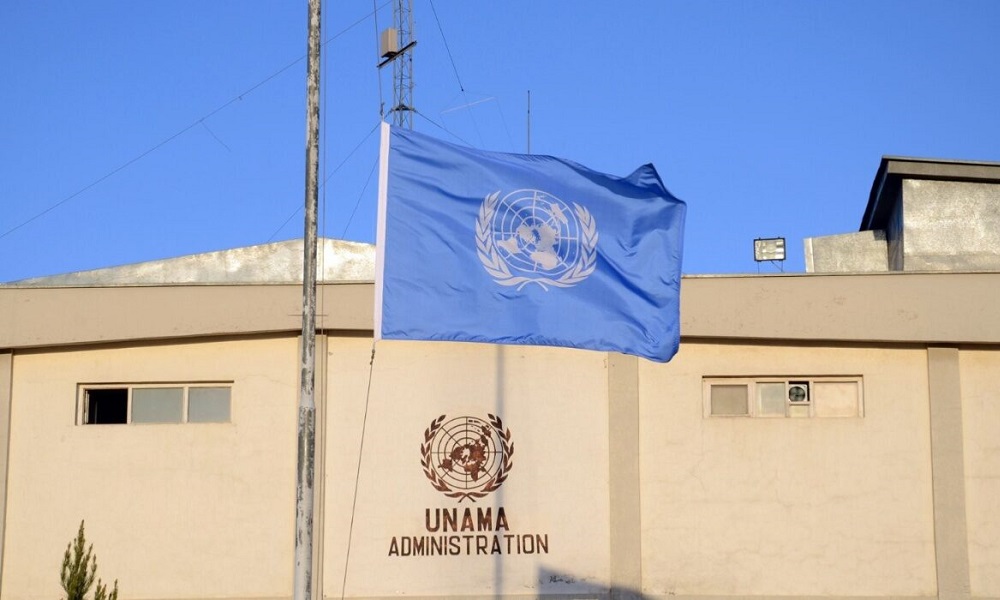
The United Nations Assistance Mission in Afghanistan (UNAMA) said Tuesday that in Afghanistan, civilians are bearing the cost of the ongoing conflict between Kabul and Islamabad.
In a statement, UNAMA said that under international law, all parties to the conflict must respect and protect the sick and wounded, healthcare workers, hospitals, and ambulances.
The organization added that these laws prohibit any attacks on hospitals and ambulances.
According to UNAMA, between 24 February and before 16 March, it has recorded at least 74 civilian deaths and 212 others injured in Afghanistan as a result of the hostilities.
UNAMA once again called for de-escalation and a permanent ceasefire, urging Afghanistan and Pakistan to act in accordance with their obligations under international law and to protect civilians.
Following a Monday night attack by Pakistan’s military regime on the Omid Drug Rehabilitation Hospital in Kabul, at least 400 people were killed and around 250 others were injured.


Tahawol: Pakistan’s new attacks on Kabul hospital discussed

Saar: Pakistani military’s airstrike on Kabul hospital discussed

Afghanistan condemns deadly Kabul airstrike, warns of continued self-defence

WHO Chief urges Kabul and Islamabad to prioritize peace

Afghanistan national buzkashi team defeats Hungary 14–0

Pakistani military jet downed in Afghanistan’s Jalalabad, pilot captured alive

Afghan Air Force conducts airstrikes in Islamabad, other cities

IEA releases three Pakistani soldiers to mark Ramadan

Afghanistan’s Chief of Armed Forces underscores readiness and equipment for national defense

Afghanistan welcomes investment and technology partnerships with India
Tahawol: Pakistan’s new attacks on Kabul hospital discussed
Saar: Pakistani military’s airstrike on Kabul hospital discussed

Tahawol: China’s efforts for Afghanistan-Pakistan talks

Saar: UNSC’s upcoming vote on UNAMA mandate

Tahawol: Afghan, Chinese FMs’ phone talks discussed
-
 Latest News4 days ago
14 Pakistani soldiers killed after military post falls along Durand line: MoD
-
 Latest News5 days ago
Afghan airstrikes target Pakistani military sites in retaliation for air attacks
-
 Latest News2 days ago
IEA Supreme Leader issues Eid-ul-Fitr message urging unity and support for Islamic system
-
 Latest News5 days ago
IEA condemns Pakistan’s airstrikes in several Afghan provinces
-
 Latest News3 days ago
Regional criticism grows amid Pakistan strikes inside Afghanistan
-
 Latest News5 days ago
UNAMA: Four civilians killed, 14 injured in Pakistani airstrike in Kabul
-
 World4 days ago
White House AI czar says US should ‘declare victory and get out’ of Iran war
-
 Regional4 days ago
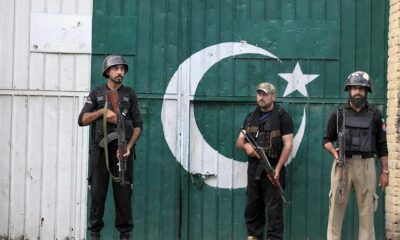
Seven police personnel killed in IED blast in northwest Pakistan