
Latest News
US democracy a broken model that failed to fit Afghanistan: China

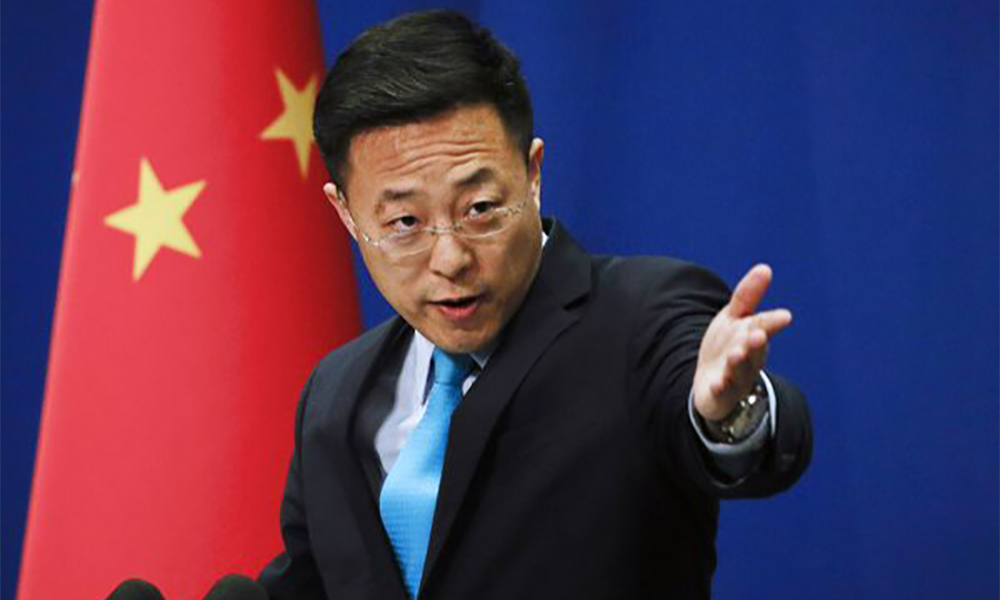
The US democracy is not an ideal model but a broken one, and forcing others to follow the US democracy will only make them detour or lead them astray, said China’s foreign ministry spokesman Zhao Lijian on Friday.
Dmitry Peskov, Press Secretary for the President of Russia, said laddt week that Washington is “trying to privatize the term ‘democracy'” and insists that only the democracy which the US believes in is true democracy, Reuters reported.
He added that Washington “prefers to create new dividing lines, to divide countries into those that — in their opinion — are good, and those that are bad”.
In response, Zhao said that Washington’s move of creating those dividing lines is simply distorting democracy.
“Mr. Peskov is right. Creating a dividing line of ‘democracy versus authoritarianism’ will only instigate ideological confrontation, which is completely distortion of and affront to democracy,” said Zhao.
Zhao said that the US democracy is not an exemplar model but a broken one, as evidenced by the Capitol riots that debunked the myth of the US democracy.
“A latest report by the Pew Research Center showed that the vast majority of American people expressed deep disappointment about their country’s political system. The US so-called ‘beacon of democracy’ has long collapsed,” said Zhao.
He said that the export of the US democracy has also proved a crushing defeat.
“Second, the export of the U.S. democracy is a fiasco. The US democracy failed to fit in Afghanistan, leading to the debacle of US forces’ withdrawal and the loss of more than 100,000 Afghan lives. The so-called ‘Arab Spring’ generated millions of refugees who have been displaced and homeless,” said Zhao.
He said that imposing the US democracy will only make others detour or lead them astray, Reuters reported.

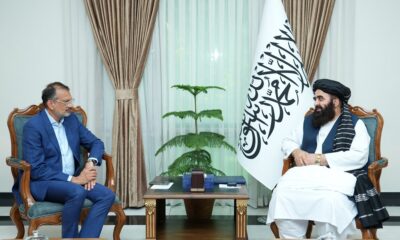




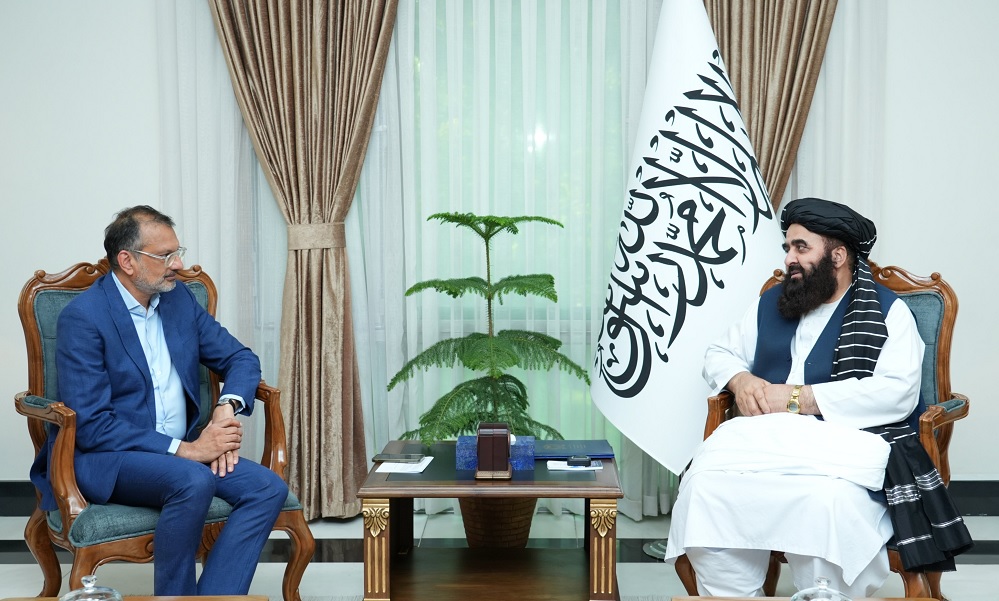
Afghanistan’s Foreign Minister Amir Khan Muttaqi met with Arafat Jamal, the United Nations High Commissioner for Refugees (UNHCR) representative in Afghanistan, to discuss the safe, dignified and voluntary return of Afghan refugees and support for those returning to the country.
According to a statement from Afghanistan’s Ministry of Foreign Affairs, the meeting focused on the return of Afghan refugees and measures to provide them with assistance and support following their arrival in Afghanistan.
The two sides also discussed strengthening cooperation and coordination between the Afghan government and UNHCR to improve conditions for returnees.
The meeting further addressed the need to coordinate the efforts of relevant countries and international organizations involved in, or interested in, supporting the return and reintegration of Afghan refugees.
The discussions come as the issue of Afghan refugee returns remains a key humanitarian and regional concern, with international organizations emphasizing the need for safe and dignified returns and continued assistance to returning families.
Latest News
Muttaqi, UN official discuss cooperation and Doha Process
The ministry said Muttaqi and DiCarlo also shared views on future engagement and cooperation regarding the Doha Process.

Afghanistan’s Foreign Minister Amir Khan Muttaqi held a phone call with Rosemary DiCarlo, the UN Under-Secretary-General for Political and Peacebuilding Affairs, the Ministry of Foreign Affairs said.
According to the ministry, the two sides discussed the overall state of cooperation between the Islamic Emirate and the United Nations and exchanged views on ways to further strengthen and expand future cooperation.
The ministry said Muttaqi and DiCarlo also shared views on future engagement and cooperation regarding the Doha Process.
No further details were provided about the timing of the next round of engagement or specific areas of cooperation.
Latest News
Maryam Nawaz says Punjab faces greater security threats from neighbouring provinces
Punjab shares borders with Khyber Pakhtunkhwa and Balochistan to the north and west, Sindh to the south and India to the east.
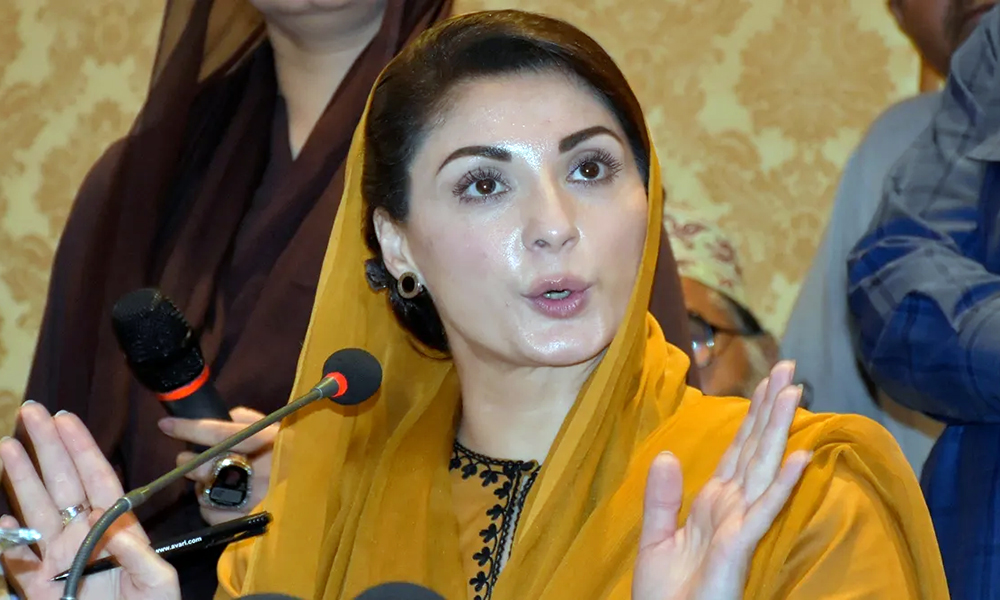
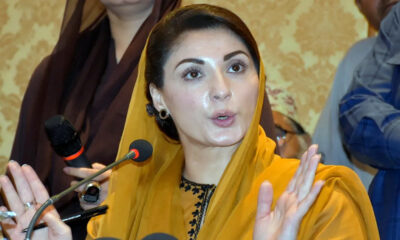
Punjab Chief Minister Maryam Nawaz Sharif says the province faces greater security threats from neighbouring Pakistani provinces than from neighbouring countries.
Speaking at an event in Lahore on Saturday, Maryam said her priority was to ensure that people in Punjab could sleep without fear.
“Threats to Punjab from neighbouring countries are fewer, while greater threats come from neighbouring provinces,” she said.
She added that terrorist attacks enter Punjab from these areas.
Punjab shares borders with Khyber Pakhtunkhwa and Balochistan to the north and west, Sindh to the south and India to the east.
Her comments come as Pakistan’s government has repeatedly accused India and the Islamic Emirate of Afghanistan of contributing to insecurity, particularly in Balochistan and Khyber Pakhtunkhwa.
The Islamic Emirate has rejected the allegations, saying insecurity in Pakistan stems from the country’s internal problems.


Muttaqi meets UNHCR representative to discuss Afghan refugee returns

Imam Abu Hanifa exhibition to draw exhibitors from more than 20 countries

Muttaqi, UN official discuss cooperation and Doha Process

Maryam Nawaz says Punjab faces greater security threats from neighbouring provinces

Messi returns to Inter Miami after Argentina retirement

Four mediators struggle to secure lasting Pakistan-Afghanistan ceasefire

HesabPay unveils new visa card and digital payment app in Kabul

AFC Champions League Elite draw nears as Al-Nassr seeded above Al-Hilal

Afghanistan secure direct qualification for 2027 Men’s ODI World Cup

Abasin Defenders stun Kabul Zalmi in Kabul Premier League

Tahawol: Afghanistan and great power rivalry in Central Asia discussed

Saar: Iran-US ongoing tensions in Middle East discussed

Tahawol: US rejection of Islamic Emirate’s proposal discussed

Saar: Pakistan’s conditions for improving ties with Afghanistan discussed

Tahawol: Shifting regional views on Islamic Emirate discussed
-

 International Sports4 days ago
Iranian clubs to face Gulf opponents at neutral venues in Asian Champions League Elite
-

 Latest News5 days ago
Putin: Russia in close contact with Tajikistan over Afghanistan security
-

 Sport4 days ago
Ariana Television Network secures exclusive rights to Afghanistan’s 2026/27 cricket series
-
 Latest News2 days ago
Khyber Chamber demands reopening of Torkham crossing
-
 Regional2 days ago
Syria begins destroying Assad-era chemical weapons
-
 World2 days ago
South Korea reviews military options for Strait of Hormuz
-
 Latest News4 days ago
Uzbekistan urges SCO to resume regular dialogue with Afghanistan
-
 Latest News5 days ago
Eight-story commercial market to be built in Kabul’s Mandawi area