
Latest News
US Central Asia strategy faces challenges linked to Afghanistan’s political and security situation
Regional connectivity projects also depend on developments in Afghanistan, the magazine argues.

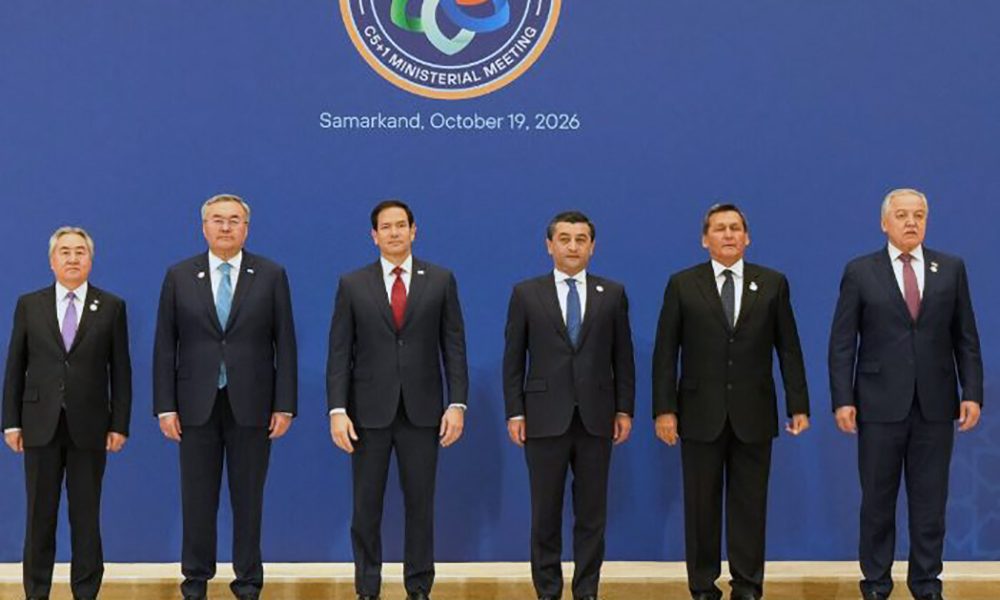
A recent analysis by the US-based magazine The National Interest argues that Washington’s efforts to expand economic and strategic ties with Central Asia could face significant challenges without addressing Afghanistan’s ongoing political and security situation.
In an article titled “US Central Asia Policy Has an Afghanistan Problem,” the magazine examined US Secretary of State Marco Rubio’s October 18 visit to Uzbekistan, where he met representatives of Kazakhstan, Kyrgyzstan, Tajikistan, Turkmenistan and Uzbekistan under the C5+1 framework.
Accompanied by a large US business delegation, Rubio sought to strengthen trade, investment, regional connectivity and security cooperation. According to the magazine, Washington is increasingly focused on Central Asia’s critical minerals, energy resources, transport corridors and industrial development as it seeks to diversify its economic partnerships and reduce dependence on China.
However, the analysis argues that economic development and regional security cannot be separated from Afghanistan’s situation. Terrorism, drug trafficking, border security and the risk of regional instability remain key concerns for Central Asian countries.
The magazine also suggests that expanding US economic engagement could pave the way for closer security cooperation with Central Asian states, including intelligence sharing, border surveillance, cybersecurity and military training.
Meanwhile, the article highlights Russia’s growing engagement with the Islamic Emirate of Afghanistan, noting Moscow’s recognition of the authorities in Kabul in July 2025 and subsequent moves toward military-technical cooperation.
The analysis also points to deteriorating relations between Pakistan and the Islamic Emirate amid Islamabad’s allegations that the Tehreek-e-Taliban Pakistan (TTP) operates from Afghan territory. The Islamic Emirate has repeatedly rejected allegations that Afghan territory is being used to threaten other countries.
Regional connectivity projects also depend on developments in Afghanistan, the magazine argues. It cites the CASA-1000 electricity transmission project, which aims to connect electricity supplies from Central Asia to South Asia, as an example of how progress depends on completing infrastructure in Afghanistan. According to a January 2026 World Bank update referenced in the article, the project cannot become operational until the Afghan section of the transmission line is completed.
The analysis describes Afghanistan as a potential land bridge between Central and South Asia through trade, energy and transport networks. However, it identifies restrictions affecting women and girls, along with the absence of an inclusive political settlement, as obstacles to long-term stability and deeper regional integration.
The National Interest calls for broader regional dialogue involving Afghanistan’s neighbors and other key countries, including Central Asian states, India, Pakistan, Russia, China, Türkiye and Saudi Arabia, to develop common approaches to security and economic cooperation.
The magazine concludes that Central Asia’s economic prospects are closely linked to Afghanistan’s stability and that Washington’s long-term regional objectives will remain difficult to achieve without addressing challenges related to Afghanistan.
The Islamic Emirate has repeatedly stated that Afghan territory will not be used against any country, particularly neighboring states, and that armed groups will not be allowed to use Afghanistan as a base for attacks against other countries.

Latest News
UNHCR: 6.3 million Afghans have returned since 2023, 60 percent reportedly forced to return
The UN and its humanitarian partners provide financial assistance to returning families at border crossings to help them meet their immediate needs, Jamal said.
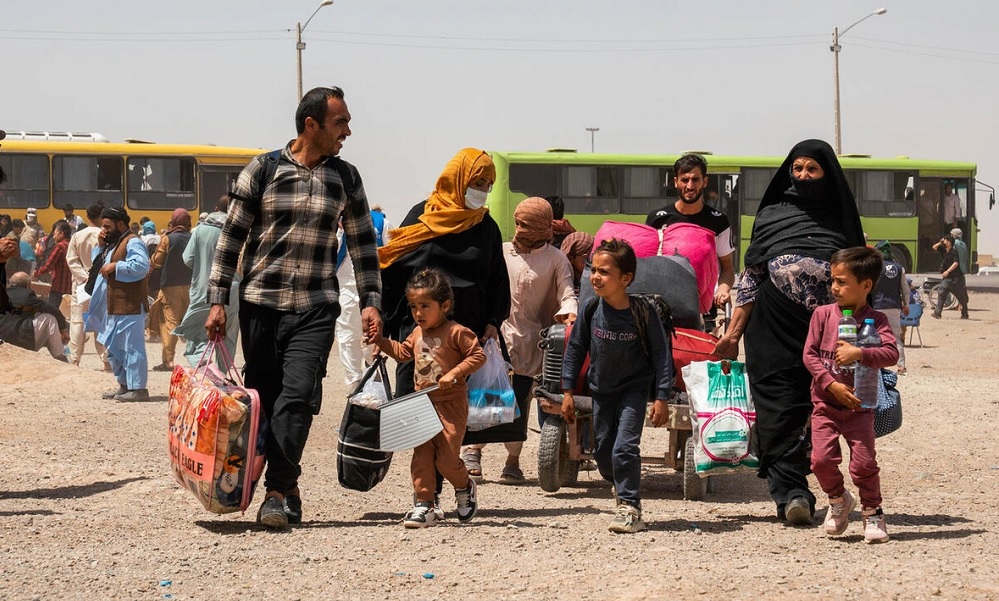
Around 6.3 million Afghans have returned to the country since 2023, with approximately 60 percent reportedly forced to return, the United Nations High Commissioner for Refugees (UNHCR) has said, warning of growing humanitarian challenges.
Arafat Jamal, UNHCR’s representative in Kabul, shared the figures in an interview with German publication MiGAZIN, published on Wednesday, October 28. He said widespread poverty, unemployment and declining international assistance had further worsened conditions in Afghanistan.
According to Jamal, returnees account for approximately 15 percent of Afghanistan’s population, with most arriving from neighbouring Iran and Pakistan.
He described accommodating such a large number of returnees as a major challenge, noting that even countries with substantial resources would struggle to absorb such a population within a short period.
Jamal also raised concerns over poverty, malnutrition and human rights conditions in Afghanistan, particularly restrictions imposed on women and girls.
He said many Afghans return with few belongings, as some are forced to sell their possessions to cover travel expenses from Iran and Pakistan.
The UN and its humanitarian partners provide financial assistance to returning families at border crossings to help them meet their immediate needs, Jamal said.
However, he stressed that returnees require continued, long-term support, particularly access to permanent shelter, employment opportunities and civil identity documents.
The rising number of returnees comes as Afghanistan continues to face economic difficulties and declining international humanitarian funding, placing additional pressure on already vulnerable communities.
Latest News
Qatar reaffirms support for Afghanistan’s stability in meeting with senior UN official
DiCarlo, meanwhile, briefed the Qatari diplomat on recent political and humanitarian developments in the country, drawing on insights from her recent visit to Kabul.
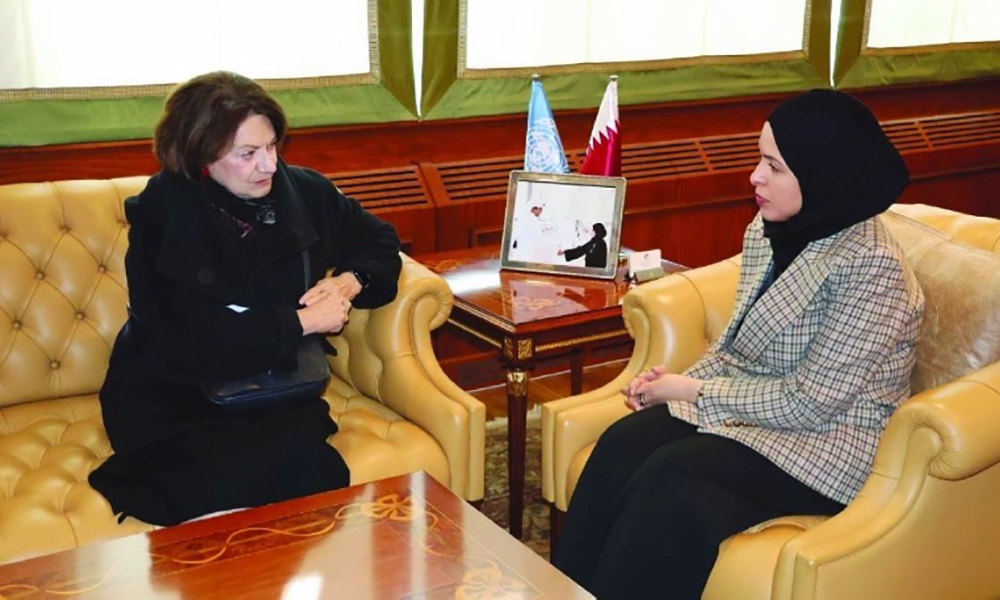
Qatar has reaffirmed its support for international efforts to promote stability in Afghanistan during a meeting between its Permanent Representative to the United Nations, Sheikha Alya Ahmed bin Saif Al-Thani, and UN Under-Secretary-General for Political and Peacebuilding Affairs Rosemary DiCarlo in New York.
According to reports, the meeting focused on the latest political and humanitarian developments in Afghanistan and ongoing international efforts to address the country’s challenges.
During the meeting, Sheikha Alya reiterated Qatar’s commitment to working closely with the United Nations and other international partners to support initiatives aimed at promoting stability in Afghanistan.
DiCarlo, meanwhile, briefed the Qatari diplomat on recent political and humanitarian developments in the country, drawing on insights from her recent visit to Kabul.
The meeting underscores Qatar’s continued diplomatic engagement with the United Nations on Afghanistan-related issues and its support for international efforts to promote stability in the country.
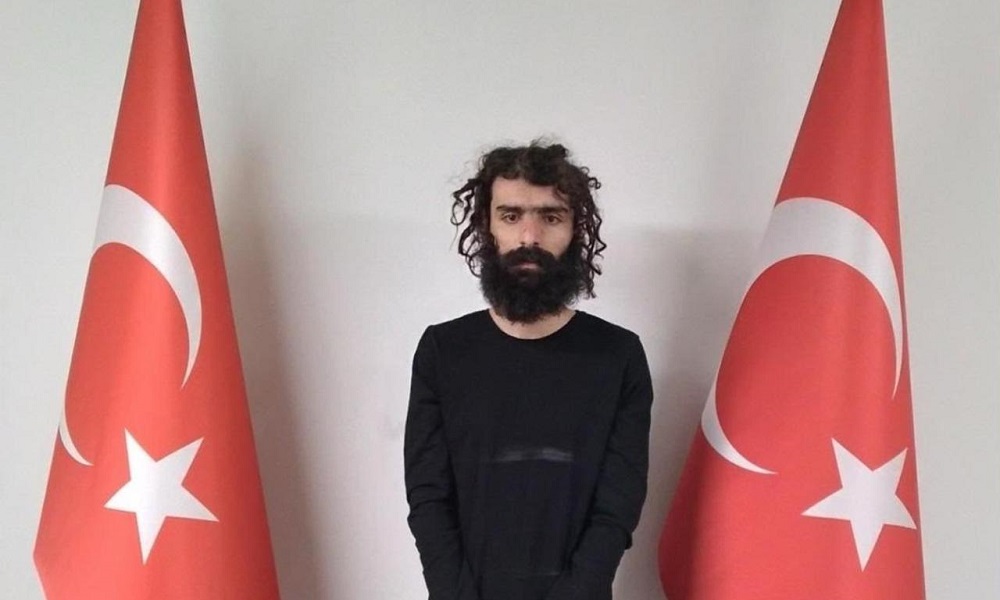
Türkiye’s National Intelligence Organization (MIT) has captured a suspected member of the Daesh terrorist group operating in the Afghanistan-Pakistan region and transferred him to Türkiye, Turkish security sources said.
According to a report by Daily Sabah, the suspect, identified as Uğur Bahadır, also known by the alias Abdullah, allegedly joined Daesh’s Khorasan branch (ISKP) in 2024 after travelling from Türkiye to the region.
The report said Bahadır received training at several terrorist camps and carried out various assignments for the group.
Following intelligence operations, MIT located and arrested him in the Afghanistan-Pakistan region before transferring him to Türkiye for questioning.
During interrogation, Bahadır reportedly provided information about Daesh’s recruitment networks, training programmes, operational activities and organizational structure in the region.
He also disclosed details of his links with other Daesh members, including Özgür Altun, known as Abu Yasir al-Turki, who was captured in early 2025 and allegedly facilitated the transfer of recruits from Türkiye to the region.
The report further said Bahadır had connections with Ahmet Kazancı, also known as Abu Ubeyde and Abu Ibrahim, who was captured in early 2026 and allegedly worked in the group’s media unit.
According to Turkish intelligence findings cited by Daily Sabah, the operation helped uncover Daesh’s recruitment networks and alleged plans to carry out attacks in Türkiye.


UNHCR: 6.3 million Afghans have returned since 2023, 60 percent reportedly forced to return
Qatar reaffirms support for Afghanistan’s stability in meeting with senior UN official

US sanctions and blockade measures disrupt Iran’s trade with Afghanistan and regional neighbors
Exclusive interview with Nooruddin Turabi, Director General of ANDMA

Sorkh Poshan Khafi and Abu Muslim Farah play out goalless draw

Cricket Bonanza: Afghanistan set for packed international schedule

ACB announces Afghanistan squads for Bangladesh, Zimbabwe series

Afghanistan to face Pakistan, India and Australia at 2027 Cricket World Cup

Afghanistan finish runners-up after 6-0 defeat to Brazil in futsal final

Four members of one family killed in Helmand in Pakistan airstrike
Exclusive interview with Nooruddin Turabi, Director General of ANDMA
Tawsia: Afghanistan’s mining potential for economic growth discussed
Saar: Regional coalition against Israel-US discussed
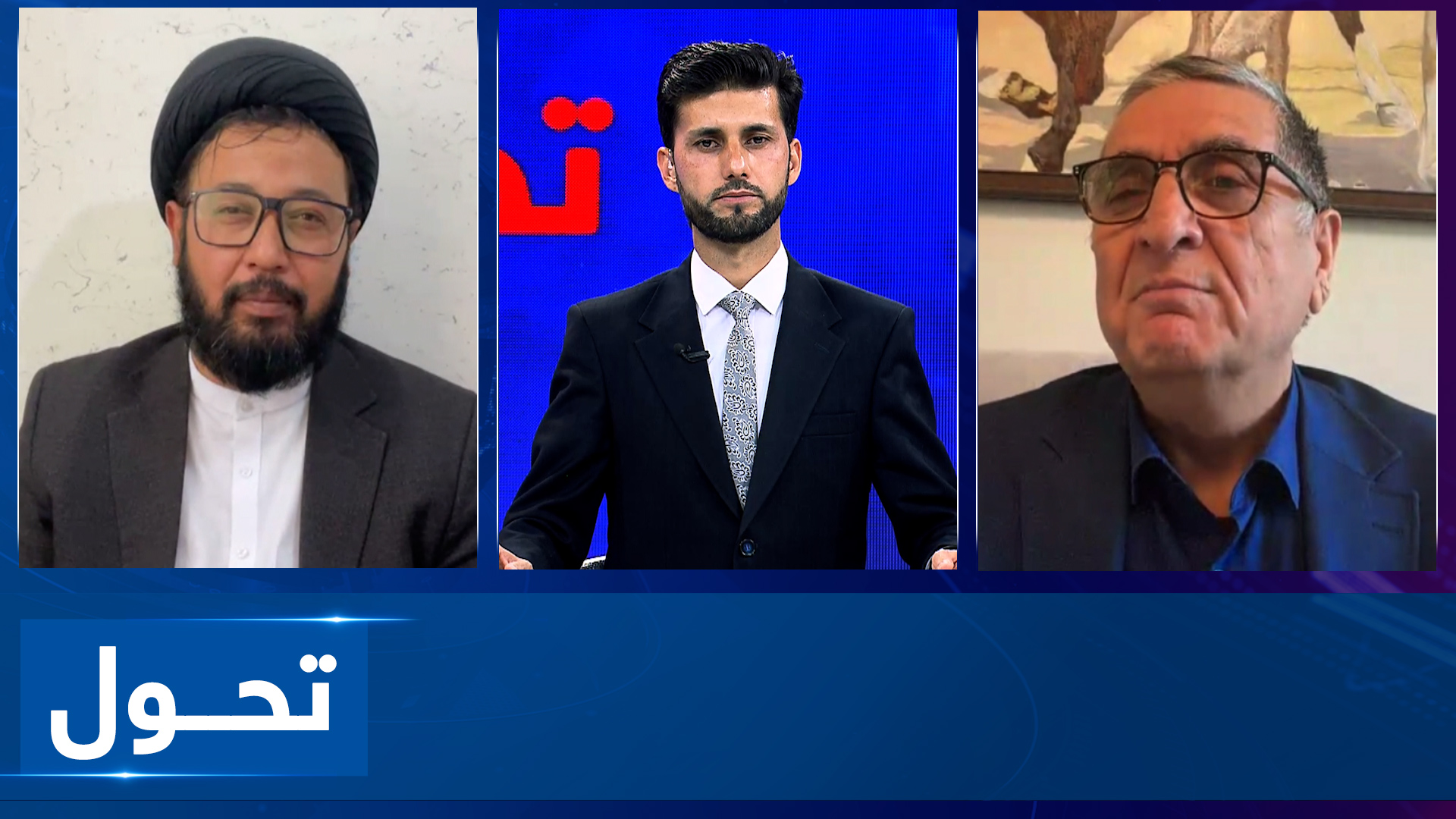
Tahawol: Interest in joining pro-Russian forces discussed
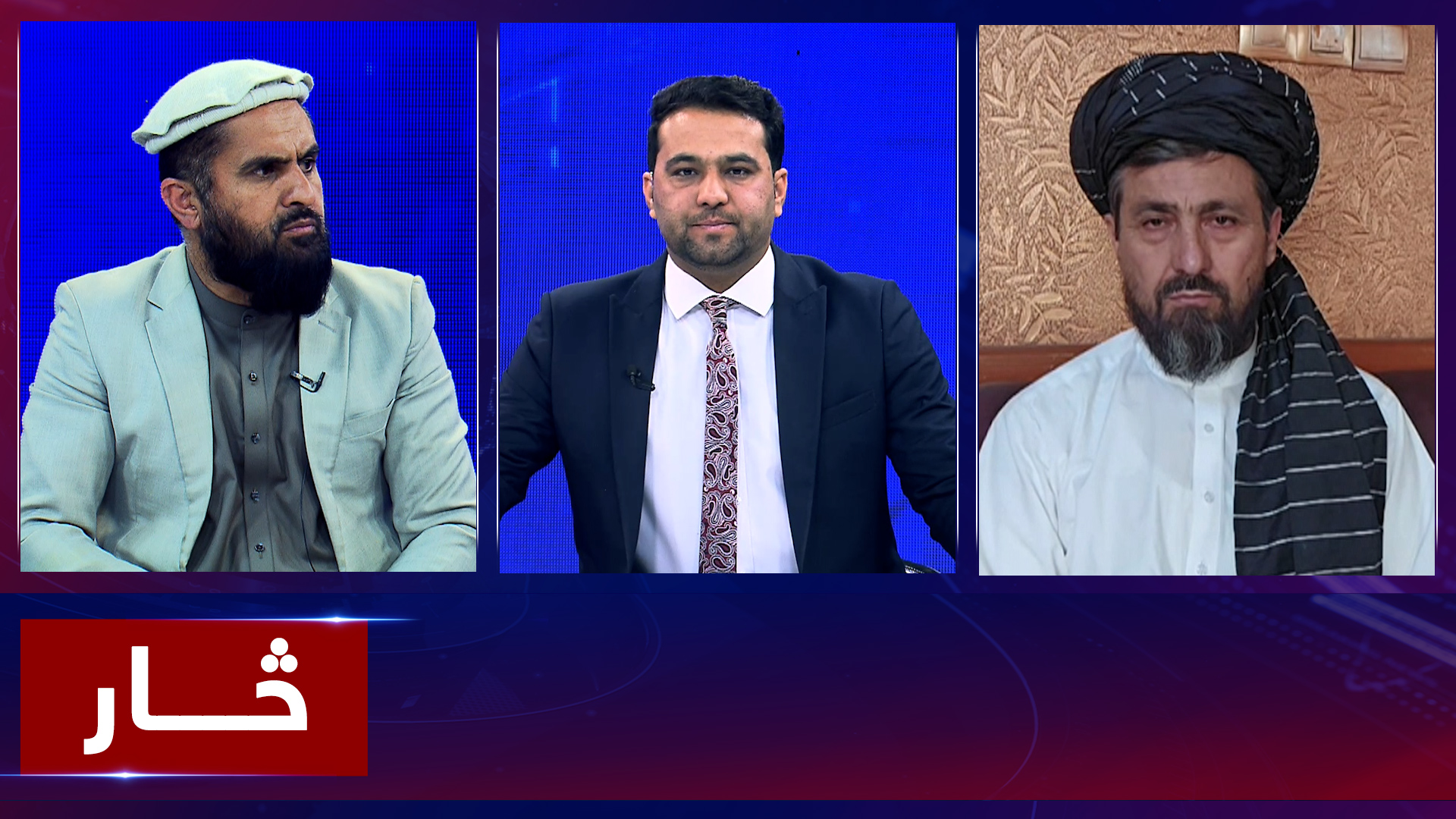
Saar: Refugee returns to Afghanistan ahead of winter discussed
-
 Sport4 days ago
Afghanistan advance to Tier C at FIFA U-15 World Cup and Festival
-
 Climate Change5 days ago
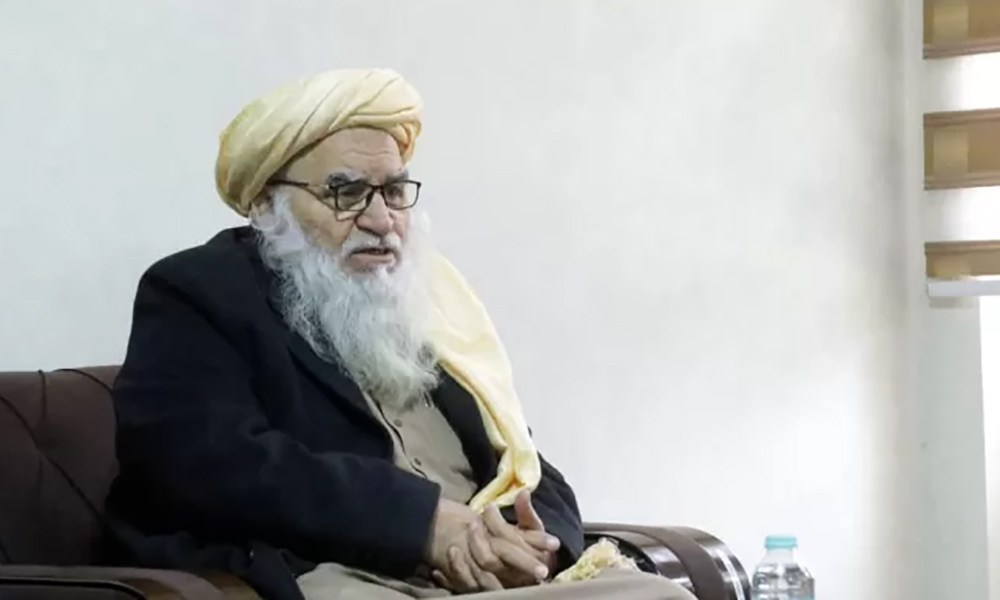
Afghanistan’s environmental protection chief travels to Malaysia for global education conference
-
 Regional4 days ago
Saudi defence pact countries push for peace in Tehran as Houthis launch more attacks
-

 Business5 days ago
WFP report notes high food and fuel costs continue to pressure Afghan households
-
 Latest News4 days ago
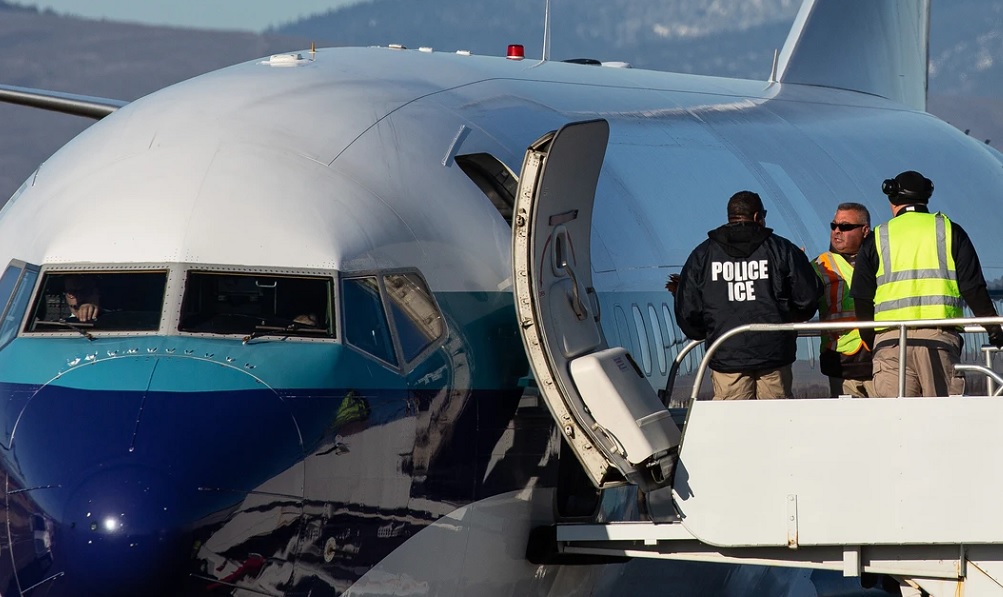
US plans to deport some Afghan migrants to Pakistan: Bloomberg
-
 World5 days ago
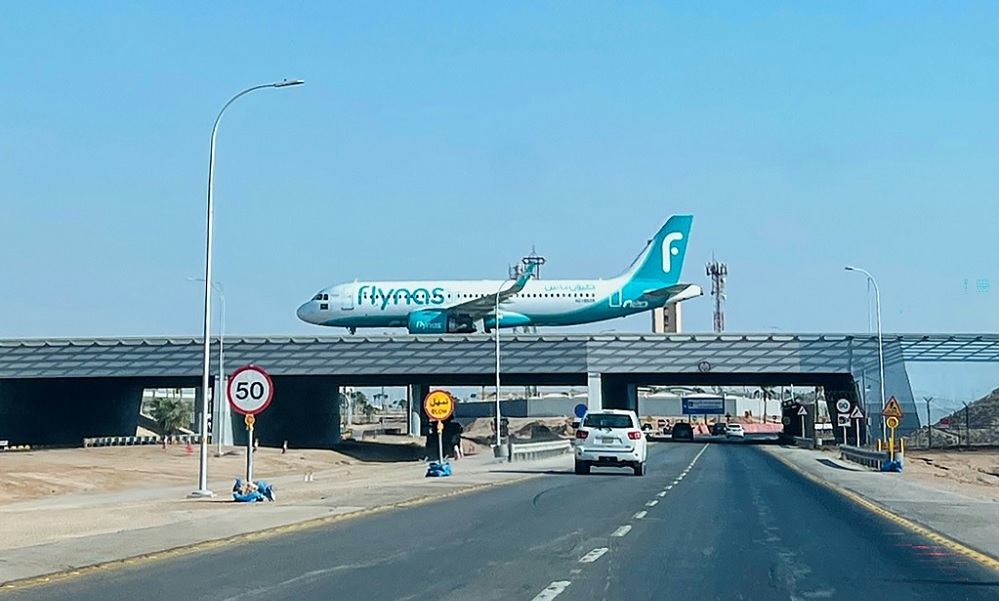
Houthis attack Saudi Arabia before high-stakes talks in Tehran
-
 Latest News5 days ago
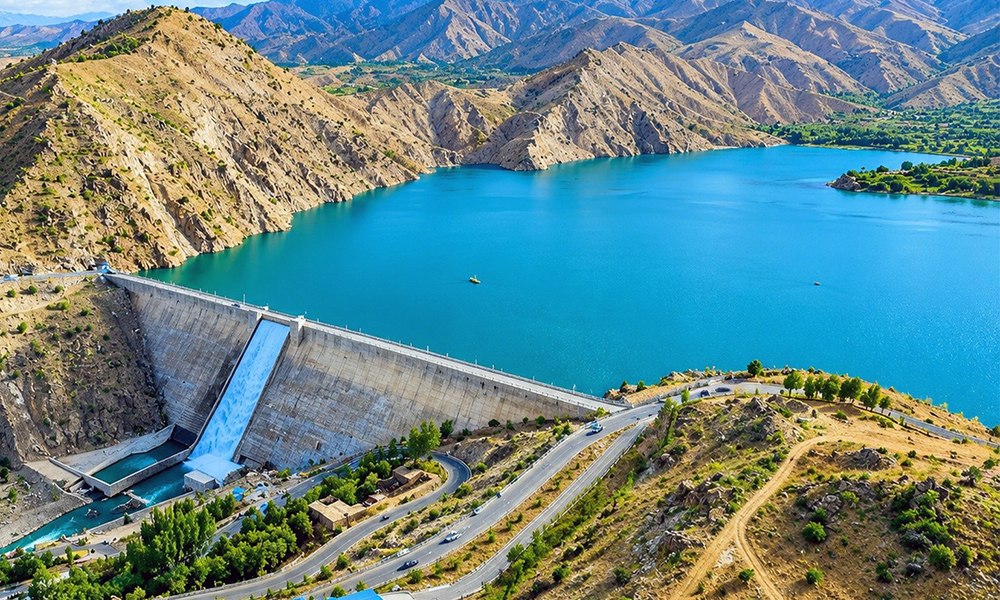
Afghanistan signs AFN 1 billion water supply deal to benefit 50,000 Kabul families
-
 Regional5 days ago
Iran says outcome of Israeli elections ‘makes no difference’