
Latest News
Unemployment spikes in Kandahar as conflict intensifies

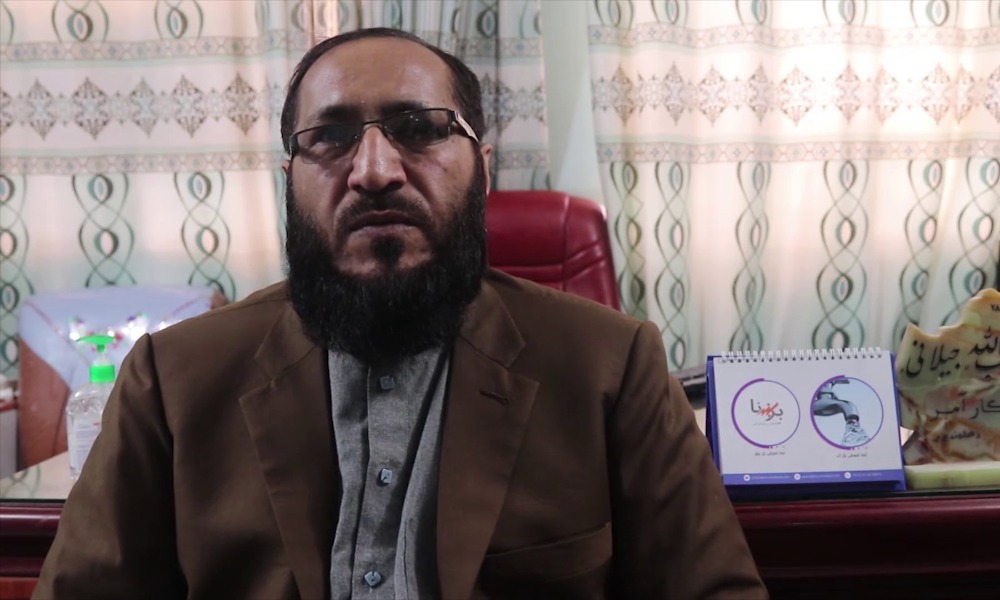
Kandahar officials said on Saturday that the local unemployment rate is estimated to be at 80 percent due to the ongoing conflict that has raged for the past four months between the Taliban and the Afghan security forces in the province.
“Job opportunities decreased during war without any doubt. If we say that 80 percent of youths are jobless it is correct,” said Habibullah Jailani, head of Kandahar labor and social affairs department.
According to Jailani, they have been forced to appeal to international organizations for help for destitute people.
“We want to distribute humanitarian assistance to them including foodstuff… and to keep them warm,” added Jailani.
Officials, meanwhile, stated that more than 20,000 families have been displaced in the province due to the war.
Residents said that they are suffering enormously, not only because of no work but also because they are being forced to seek shelter in the city.
“War has increased in recent days; we have come here (to Kandahar city) from Dand district,” said Raza Khan, a displaced resident.
“We have come here due to the war, the war has intensified, work opportunities are also less,” said Mohammad Daud, another displaced person.
Kandahar officials have not however provided updated information about the current security situation in the southern province.
Kandahar was where the Taliban originated and where its power base was located until the fall of the city in 2001, which signaled the end of organized Taliban control of Afghanistan.





Latest News
United Kingdom halts visa routes from four countries, including Afghanistan
According to Home Office figures, approximately 39 percent of the 100,000 people who claimed asylum in 2025 had initially arrived in the UK through legal routes, including study visas.
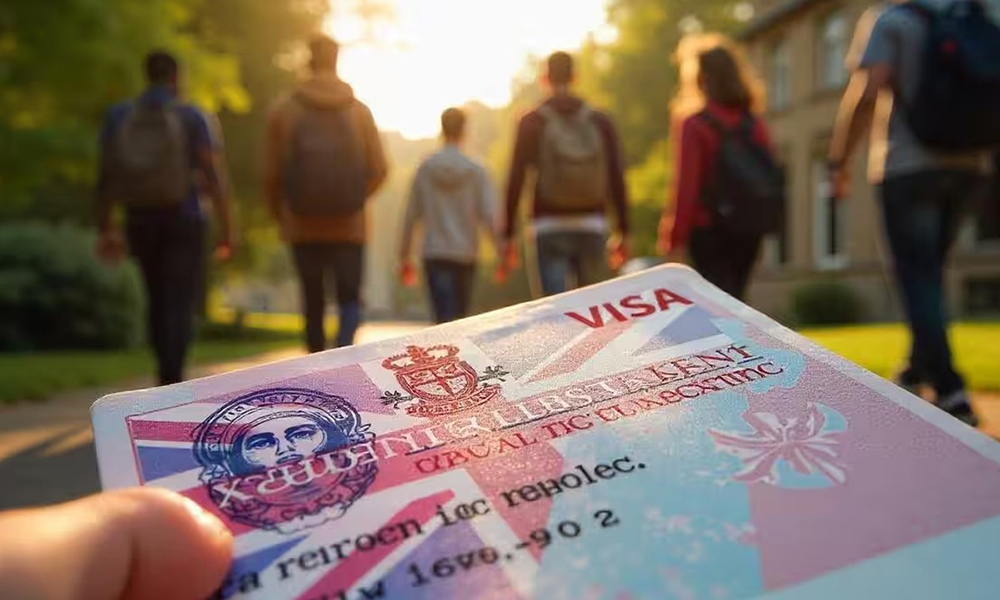
The UK government has suspended key visa routes for nationals from four countries, including Afghanistan, in what officials describe as an unprecedented move aimed at curbing misuse of the immigration system.
Home Secretary Shabana Mahmood announced that study visas for nationals of Afghanistan, Cameroon, Myanmar, and Sudan have been halted. In addition, work visa routes for Afghan nationals have also been suspended.
The Home Office said the decision follows evidence that a growing number of individuals from these countries have entered the UK through legal migration channels — such as student visas — before claiming asylum. Officials argue that this trend amounts to an exploitation of the visa system.
“Britain will always provide refuge to people fleeing war and persecution, but our visa system must not be abused,” Mahmood said in a statement. She described the move as necessary to “restore order and control” to the country’s borders.
According to Home Office figures, approximately 39 percent of the 100,000 people who claimed asylum in 2025 had initially arrived in the UK through legal routes, including study visas.
Authorities said asylum applications from nationals of the four affected countries have accounted for a significant share of the increase recorded between 2021 and September 2025.
The suspension, set to take effect through a formal change to immigration rules on Thursday, marks the first time the UK has imposed such targeted visa bans.
The move follows earlier warnings from Mahmood that visa restrictions could be introduced against other nations unless they cooperated in accepting the return of irregular migrants.
In November, similar threats were made toward Angola, Namibia, and the Democratic Republic of Congo, which later reached return agreements with the UK government.
The Home Secretary is expected to outline additional measures to tighten the asylum system in a speech later this week. Proposed reforms include reviewing refugee status every 30 months and requiring individuals to return to their home countries if conditions are deemed safe.
The policy shift comes as the government faces mounting political pressure to reduce asylum backlogs and irregular migration, while balancing its legal obligations under international refugee conventions.
Latest News
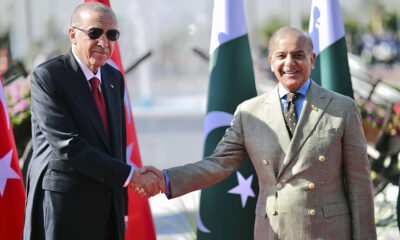
Turkey’s Erdoğan urges diplomacy in call with Shehbaz Sharif amid Middle East crisis
Ankara has previously supported mediation and diplomatic engagement aimed at reducing violence along the Durand Line.
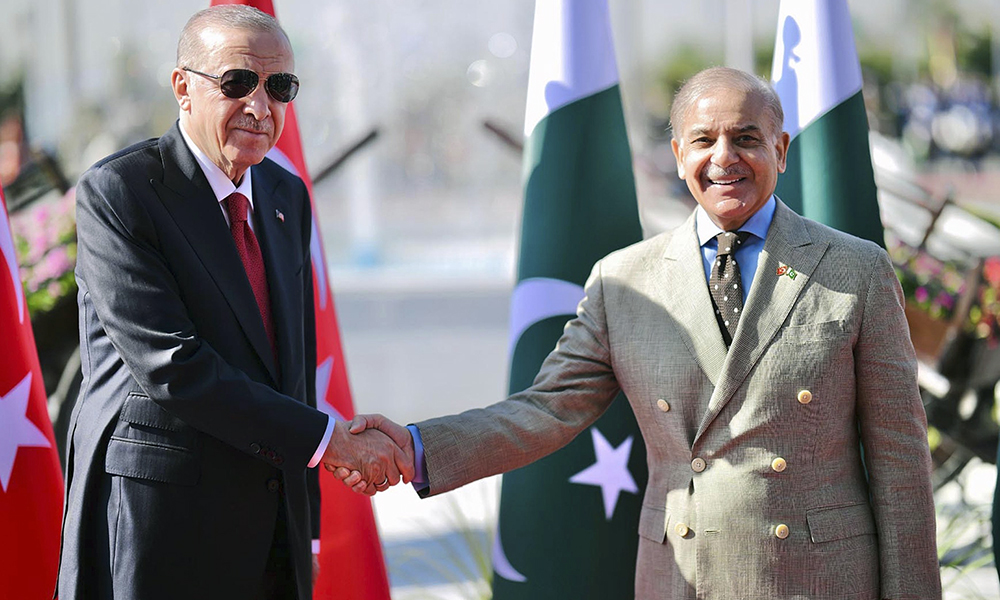
Turkish President Recep Tayyip Erdoğan held a telephone conversation Tuesday with Pakistani Prime Minister Shehbaz Sharif, calling for an urgent return to diplomacy as tensions escalate across the Middle East following recent U.S.-Israeli strikes on Iran.
According to Türkiye’s Directorate of Communications, the two leaders discussed bilateral relations as well as rapidly developing regional events.
Erdoğan stressed that renewed diplomatic engagement offers the most viable path to de-escalation and warned that continued military confrontation risks further destabilizing an already fragile region.
The call comes amid heightened tensions after joint U.S.-Israeli strikes targeted senior Iranian figures, dramatically increasing fears of wider conflict. Ankara has consistently advocated dialogue and political solutions in regional disputes, positioning itself as a potential mediator.
Condemnation of Attacks in Pakistan
During the conversation, Erdoğan condemned recent terrorist attacks in Pakistan and reaffirmed Türkiye’s solidarity with Islamabad in its counterterrorism efforts. He underscored the close strategic partnership between the two countries and reiterated Ankara’s commitment to supporting Pakistan’s security and stability.
Türkiye and Pakistan maintain strong diplomatic, economic, and defense ties, with regular high-level exchanges and cooperation across multiple sectors.
Support for Pakistan-Afghanistan Ceasefire
Erdoğan also addressed tensions along the Durand Line, the disputed Afghanistan-Pakistan frontier, expressing Türkiye’s readiness to assist in efforts to restore and maintain a ceasefire between the two neighbors.
Ankara has previously supported mediation and diplomatic engagement aimed at reducing violence along the Durand Line.
The leaders additionally reviewed broader regional developments and reaffirmed their commitment to strengthening Türkiye-Pakistan relations.
As instability spreads across the Middle East, Erdoğan’s outreach underscores Ankara’s diplomatic push to contain the crisis and prevent further escalation through dialogue rather than military confrontation.
Latest News
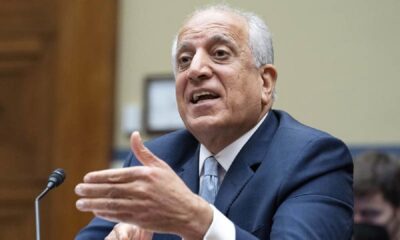
Khalilzad says Pakistani public does not support policies leading to Afghan civilian deaths
He added that, in his view, the gap between the Pakistani people and the country’s ruling structure appears to be widening.
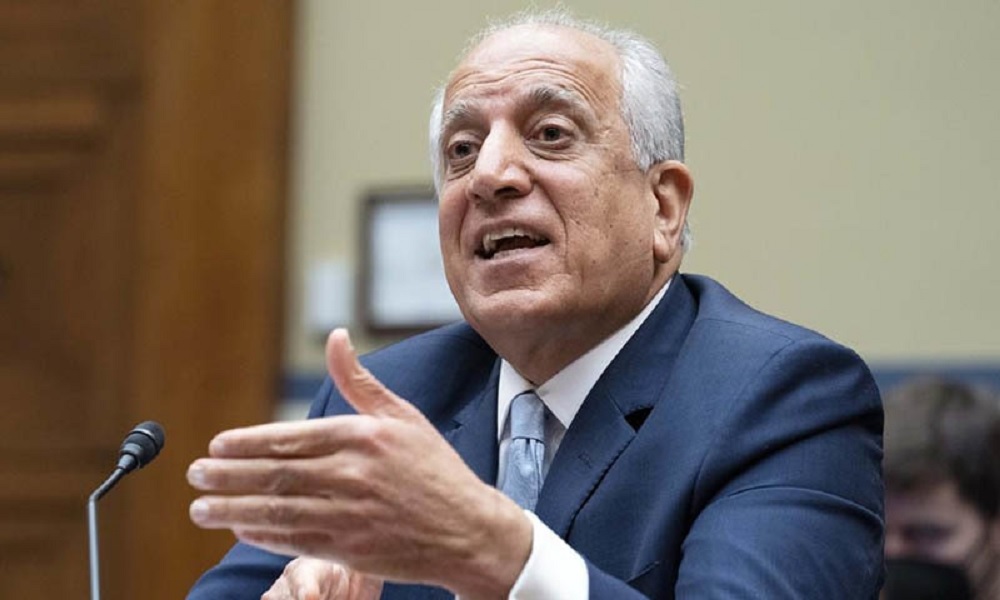
Zalmay Khalilzad, former United States Special Representative for Afghanistan Reconciliation, has said he does not believe the people of Pakistan support policies that have resulted in the killing of Afghan civilians.
Referring to a recent report by the United Nations on civilian casualties, Khalilzad stated on X that the policies of Pakistan’s governing establishment should not be equated with the views of its population.
He added that, in his view, the gap between the Pakistani people and the country’s ruling structure appears to be widening.
His remarks come amid recent UN reports indicating a rise in Afghan civilian casualties following Pakistani regime airstrikes, further intensifying regional tensions.


United Kingdom halts visa routes from four countries, including Afghanistan

Turkey’s Erdoğan urges diplomacy in call with Shehbaz Sharif amid Middle East crisis

Mujahid: Trade with Iran through Khaf–Herat railway operating normally

Khalilzad says Pakistani public does not support policies leading to Afghan civilian deaths

FIFA unveils official tournament poster to mark 100 days until World Cup kicks off

Pakistani military jet downed in Afghanistan’s Jalalabad, pilot captured alive

Afghan Air Force conducts airstrikes in Islamabad, other cities

IEA releases three Pakistani soldiers to mark Ramadan

Afghanistan’s Chief of Armed Forces underscores readiness and equipment for national defense

Afghanistan welcomes investment and technology partnerships with India

Tahawol: Discussion on ongoing conflicts between Afghanistan and Pakistan

Saar: Ongoing retaliatory operations against Pakistan discussed

Saar: Afghan forces’ operation against Pakistani military

Tahawol: Afghanistan and the Region Under the Shadow of Rising Tensions

Tahawol: Joint Israeli-US attacks on Iran discussed
-
 Latest News4 days ago
Pakistani military jet downed in Afghanistan’s Jalalabad, pilot captured alive
-
 Latest News2 days ago
Afghan air force strikes key Pakistani military installations in retaliatory operation
-
 Latest News5 days ago
IEA: Special circle in Pakistan has launched mission to destabilize region
-
 Latest News5 days ago
Turkey launches initiative to diffuse Afghanistan-Pakistan tension
-
 Latest News4 days ago
Afghan forces conduct fresh airstrikes on Pakistani military targets
-
 World3 days ago
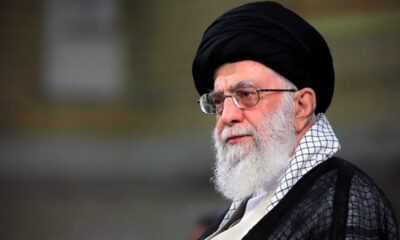
US lawmakers, world leaders react to death of Ayatollah Ali Khamenei after Iran strikes
-
 Latest News4 days ago
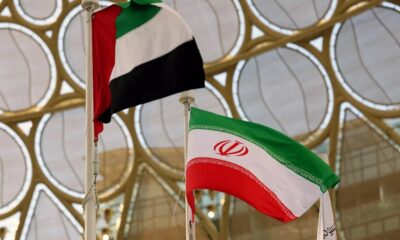
UAE and Iran call for diplomatic resolution to Afghanistan–Pakistan tensions
-
 Regional3 days ago
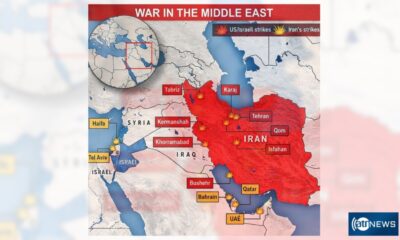
Iran launches widespread drone and missile strikes on Gulf states amid US-Israeli attacks