
Latest News
UN sends in millions to pay Afghan health workers


The United Nations has paid nearly $8 million in salaries to some 23,500 health workers across Afghanistan over the past month, bypassing the health ministry in a test case to inject much-needed liquidity into a dire Afghan economy.
The U.N. development agency UNDP and the Global Fund health aid organization teamed up to resurrect a program that had been funded by the World Bank until it suspended assistance when the Western-backed Afghan government collapsed and the Islamic Emirate of Afghanistan (IEA) took control in August.
The United Nations has been struggling to get enough cash into Afghanistan to help deliver humanitarian aid to millions of people on the brink of famine and prevent the collapse of the economy and health and education services, Reuters reported.
“Someone had to step in. We were confronted not just with a health system that was collapsing, but also a financial system that was collapsing,” UNDP Regional Director for Asia and the Pacific, Kanni Wignaraja, told Reuters.
“Global Fund took the financial risk, we took the implementation risk to make these payments happen,” she said. “We’ve shown it’s possible, it can work … it goes a huge long way to saving at least the people’s economy in the country.”
The Global Fund provided $15 million, of which nearly $8 million was used for salaries, while much of the rest was spent on providing basic medical equipment, essential drugs and supplies, Reuters reported. UNDP worked out how to get the funds into the country and into the hands of health workers in 31 of Afghanistan’s 34 provinces.
Wignaraja said UNDP wired some of the money to the Afghanistan International Bank and then used a large money service provider, which UNDP declined to identify for security reasons, to distribute the rest.
The health workers paid so far – working in nearly 2,200 health facilities – had money deposited into bank accounts, while another 2,500 health workers will shortly be paid in cash because they are in remote areas.
“It’s given hope to these families. It’s reignited healthcare services,” said Wignaraja, adding that the program would now be run by the World Health Organization and the U.N. children’s agency UNICEF for the next three months.
“Without this, you literally would have all the Afghan doctors, nurses, technicians, heading across borders,” she added.
During that time Wignaraja said the United Nations would talk to the World Bank to see if it was then able to take over the program again or find a hybrid solution if the bank is unable to get any approvals needed to do so.
Wignaraja said the payment of health workers salaries over the past month had helped spark the re-opening of some banks.
“The minute you start the local community economic activity and people are able to deposit money and take money these banks are able to open their local branches,” she said.
After showing it could work, the United Nations would continue using the formal banking system and money service providers to get cash into Afghanistan for the next few months, Wignaraja said, although she added that U.N. agencies were also considering a need to bring U.S. dollars into the country.
“This has been for us a pretty crazy test run of the system,” she said of the payments to health workers, adding that she hoped international donors were “watching it really closely.”



Latest News
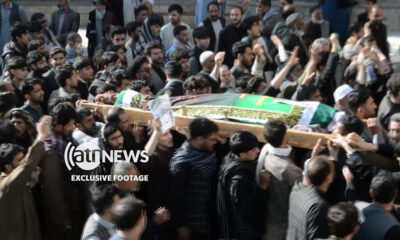
Mass funeral held for victims of deadly Herat attack
Officials confirmed that one suspect has been arrested in connection with the attack, and investigations remain ongoing.
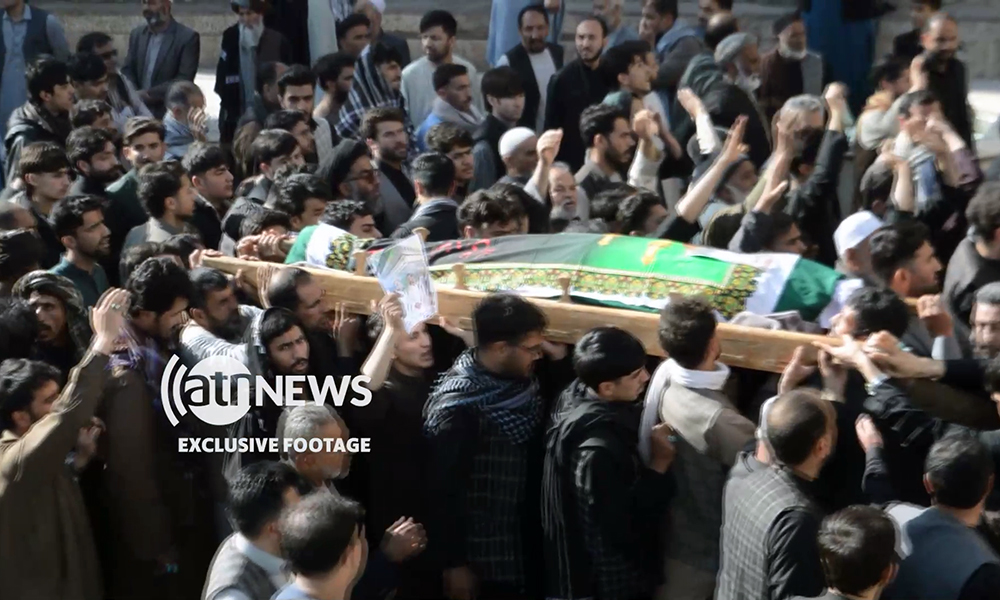
Thousands of mourners gathered in western Afghanistan on Tuesday for the funeral of victims killed in a deadly attack in Herat province, as authorities continue their investigation into the incident.
Local officials said the attack took place on Friday afternoon in Deh Miri village, located in Injil district, when four armed men on motorcycles opened fire on civilians.
At least 11 people were killed and another 11 wounded, with two of the injured reported to be in critical condition.
The victims were laid to rest under tight security, with large crowds attending the funeral to pay their respects.
Funeral participants strongly condemned the attack, chanting slogans and urging authorities to strengthen security measures and bring those responsible to justice.
No group has claimed responsibility for the attack.
Officials confirmed that one suspect has been arrested in connection with the attack, and investigations remain ongoing.
Latest News
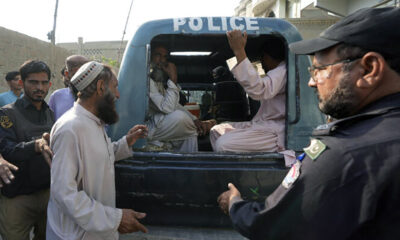
Pakistan urged to halt deportation of Afghan refugees as concerns mount
Refugees International estimates that more than 1.3 million Afghans became undocumented after PoR cards stopped being renewed in 2025, while nearly two million now face the risk of removal.
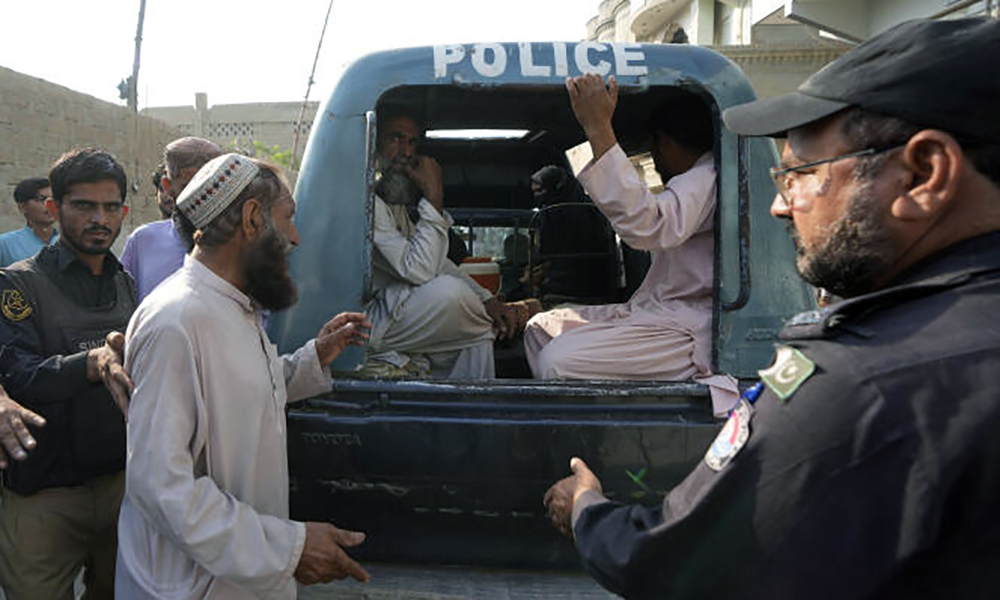
A leading international advocacy group has called on Pakistan to immediately suspend the forced deportation of Afghan refugees, warning that the policy is placing thousands at serious risk amid worsening conditions in Afghanistan.
In a statement, Refugees International said Pakistan has intensified mass deportations in recent weeks, describing the move as both unlawful and dangerous.
According to the group, more than 146,000 Afghans have been deported so far in 2026, following over one million forced returns in 2025. The pace of deportations has accelerated since the reopening of the Torkham border crossing on March 31.
The expulsions are part of Pakistan’s “Illegal Foreigners’ Repatriation Plan,” launched in October 2023. Rights advocates argue that the policy fails to account for the severe risks facing returnees, particularly women, journalists, and former civil society workers, many of whom could face arrest, persecution, or worse upon return.
“Afghans being forced back are not just migrants—they are people who may face immediate danger,” the statement said, citing cases of arbitrary detention, enforced disappearances, and extrajudicial killings in Afghanistan.
The situation is further complicated by legal uncertainty surrounding Afghan refugees in Pakistan. Millions have lived in the country for decades, including those holding Proof of Registration (PoR) cards or Afghan Citizen Cards. However, the suspension of PoR renewals and visa extensions has left large numbers without legal status, exposing them to deportation.
Refugees International estimates that more than 1.3 million Afghans became undocumented after PoR cards stopped being renewed in 2025, while nearly two million now face the risk of removal.
Rights groups say the deportations may violate the principle of non-refoulement, a cornerstone of international law that prohibits returning individuals to countries where they face serious threats to their lives or freedom.
They also warned that the expulsions could be linked to broader tensions between Pakistan and Afghan authorities, urging that refugees should not be used as leverage in political disputes.
Refugees International called on Pakistan to immediately halt forced deportations and restore legal protections for Afghan nationals, including the renewal of residency documents and visas.
Latest News
IEA slams UN sanctions as ‘unreasonable’ after update to listings
Speaking in response to the move, Islamic Emirate spokesperson Zabihullah Mujahid said the continued use of sanctions reflects a failure of policy and analysis.
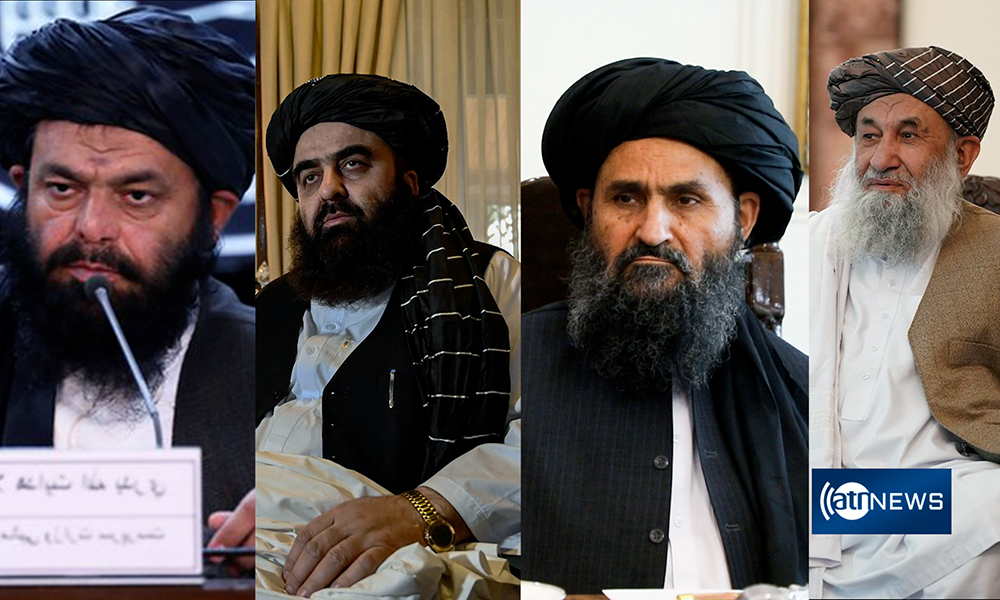
The Islamic Emirate of Afghanistan (IEA) has sharply criticized the United Nations’ sanctions regime following the latest update to listings targeting senior leaders, calling the measures “unreasonable and ineffective.”
Speaking in response to the move, Islamic Emirate spokesperson Zabihullah Mujahid said the continued use of sanctions reflects a failure of policy and analysis. He argued that repeating such measures “lacks logic” and suggests that international bodies have not properly assessed their impact.
Mujahid said the move ultimately harms ordinary Afghans rather than decision-makers, warning that restrictions placed on individuals extend to government institutions and broader society. “These actions undermine the rights of the people,” he said, adding that there is no clear or justified basis for maintaining or expanding the measures.
He also described the sanctions as a tool of political pressure, claiming decisions are made without meaningful consultation with Afghan authorities and lack transparency.
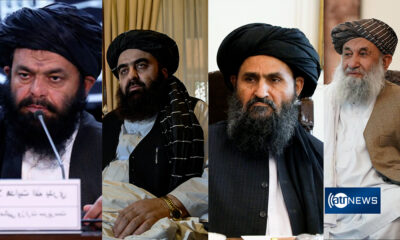
The comments came after the United Nations Security Council (UNSC) announced updates to its sanctions list as part of ongoing enforcement efforts. The council’s 1988 Sanctions Committee confirmed revisions to identifying details for four senior IEA officials: Mohammad Hassan Akhund, Abdul Ghani Baradar, Amir Khan Muttaqi, and Hedayatullah Badri.
The changes do not impose new sanctions but update aliases and personal information to improve enforcement of existing measures, including asset freezes, travel bans, and arms embargoes.
For example, Mohammad Hassan Akhund is also listed under “Mullah Haji,” while Hedayatullah Badri is identified as “Gul Agha Ishaqzai,” names associated with their previous roles.
UN officials say such updates are necessary to maintain the accuracy of the consolidated sanctions list used globally by governments and financial institutions.
The revisions follow a broader review last month covering 22 IEA figures, reaffirming their designation under the sanctions regime. More than 30 individuals remain listed, including Sirajuddin Haqqani, Abdul Salam Hanafi, and Abdul Haq Wasiq.
However, Supreme Leader Hibatullah Akhundzada continues to be absent from the list, despite repeated updates.
The sanctions framework – maintained under UN authority and binding on all member states – has recently been extended for another year, ensuring continued monitoring of IEA-linked individuals and entities.
While largely procedural, the latest update highlights ongoing international pressure on the IEA leadership, even as the group seeks greater diplomatic engagement.
It also comes amid scrutiny over foreign travel by sanctioned officials, including Abdul Ghani Baradar and Amir Khan Muttaqi, raising questions about enforcement of the restrictions.


Mass funeral held for victims of deadly Herat attack

Pakistan urged to halt deportation of Afghan refugees as concerns mount

IEA slams UN sanctions as ‘unreasonable’ after update to listings

Regional security talks focus on Afghanistan border risks

Trump says Iran wants to make a deal

IEA Supreme Leader issues Eid-ul-Fitr message urging unity and support for Islamic system

IEA supreme leader orders replacement of foreign terminology in official documents

Turkmenistan, Afghanistan discuss steps to speed up land acquisition for TAPI pipeline

IPL 2026 kicks off in under two weeks; Afghan players set to shine

Afghanistan hosts inaugural Afghanistan–Central Asia Consultative Dialogue to strengthen regional cooperation

Tahawol: Consequences of US blockade on Strait of Hormuz discussed

Saar: New Afghanistan–Uzbekistan trade agreement discussed

Tahawol: Failure of US–Iran talks in Islamabad discussed

Saar: Iran–US talks in Islamabad end inconclusive

Tahawol: Historic US-Iran talks in Pakistan discussed
-

 Business4 days ago
Etihad Airways to expand Kabul–Abu Dhabi flights to daily service amid surging demand
-

 International Sports5 days ago
FIFA appoints record number of match officials for 2026 World Cup
-
 Latest News4 days ago
UK backs Afghanistan–Pakistan talks, calls dialogue key to lasting peace
-

 Sport3 days ago
Afghanistan’s new cricket head coach Richard Pybus arrives in Kabul
-
 Sport5 days ago
ATN seals Ariana Snooker Championship deal for five seasons
-
 Sport5 days ago
Afghanistan U-17s fall to Uzbekistan as CAFA campaign nears conclusion
-
 Latest News5 days ago
India sends 3 tons of humanitarian aid to flood-affected families in Afghanistan
-
 World4 days ago
Russian special envoy Dmitriev in US, meeting Trump administration members, sources say