
Latest News
UN official warns Afghanistan’s humanitarian crisis could threaten regional stability and security

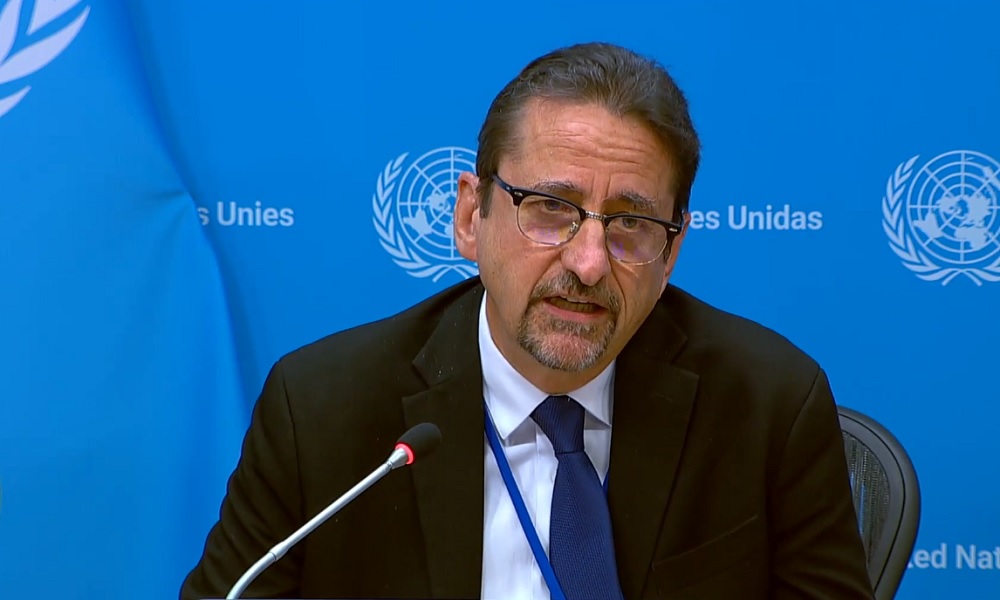
A senior United Nations official has warned that Afghanistan’s deepening humanitarian crisis could have consequences beyond the country’s borders, potentially affecting regional security, stability and migration routes.
Bruno Lemarquis, the UN Deputy Special Representative of the Secretary-General for Afghanistan and Resident and Humanitarian Coordinator, said on Friday that the country was at a “difficult crossroad” more than five years after the Islamic Emirate returned to power.
He said relative stability and security were being undermined by a fragile economy, restrictions on fundamental rights and growing humanitarian needs.
Lemarquis described restrictions on women and girls as “severe and sweeping,” saying they continue to face barriers to education, employment and participation in public life.
He noted that more than 2.6 million girls have been deprived of secondary education since 2021, while female university enrollment currently stands at zero.
The UN official also highlighted the impact of the mass return of Afghan migrants, saying approximately 6.7 million Afghans have returned to the country since 2020, many of them forcibly expelled from neighbouring countries, particularly Pakistan and Iran.
He said the large-scale returns were placing additional pressure on Afghanistan’s already overstretched public services, stressing that returnees urgently need legal documentation, protection and employment opportunities.
Lemarquis also raised concerns over a reported increase in opium poppy cultivation, citing a UN report that found production had risen by 330 percent in 2025 following a sharp decline after the 2022 ban imposed by the Islamic Emirate.
He said efforts to prevent poppy cultivation must be accompanied by viable alternative livelihoods for farmers.
Meanwhile, humanitarian needs in Afghanistan are expected to rise further in 2027 amid mass returns, regional instability and extreme weather risks associated with El Niño.
However, international humanitarian funding has continued to decline. According to Lemarquis, assistance reached $2 billion in 2023, fell to $1 billion in 2025 and has amounted to only $570 million so far in 2026.
He warned that funding shortages were threatening essential services, with around 40 percent of primary healthcare facilities expected to close between 2025 and 2026, potentially affecting 700 of the country’s 1,900 health posts.
Describing the consequences as “very, very, very significant,” Lemarquis urged the international community not to turn its back on Afghanistan.
“And there is a saying in Afghanistan that is ‘What is happening in Afghanistan is not staying in Afghanistan,’” he said.
“The consequences could go beyond the Afghanistan border, potentially affecting regional security, regional stability and migration pathways.”

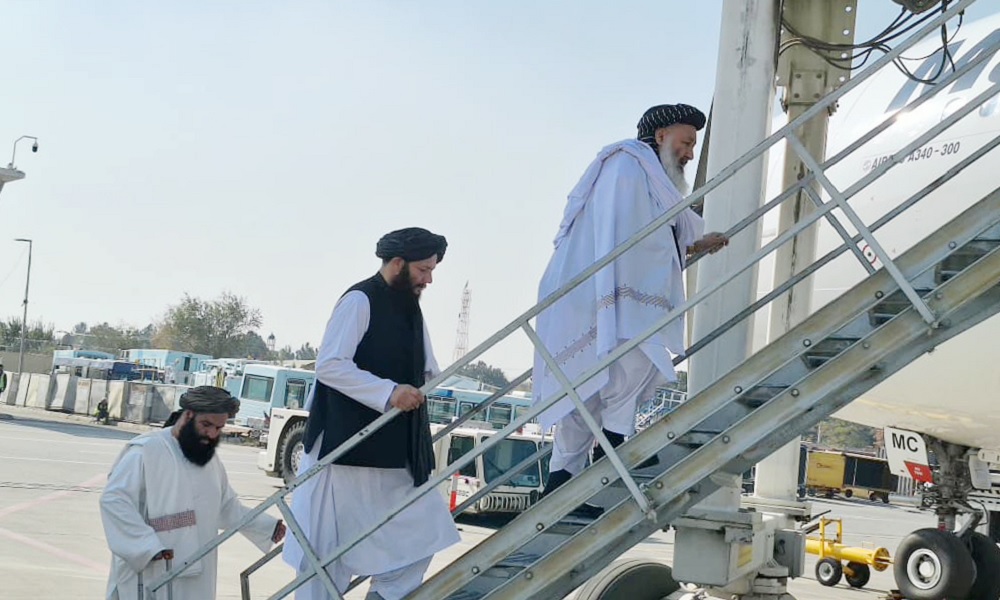
Afghanistan’s Minister of Finance, Mohammad Nasir Akhund, has travelled to Iran at the head of a delegation following an official invitation from Iran’s Minister of Agriculture, the Ministry of Finance said.
During the visit, Akhund is expected to meet with various Iranian officials to discuss bilateral economic, trade, customs and other related issues.
The visit will also include discussions on key topics for an upcoming meeting of the joint economic commission between Afghanistan and Iran.
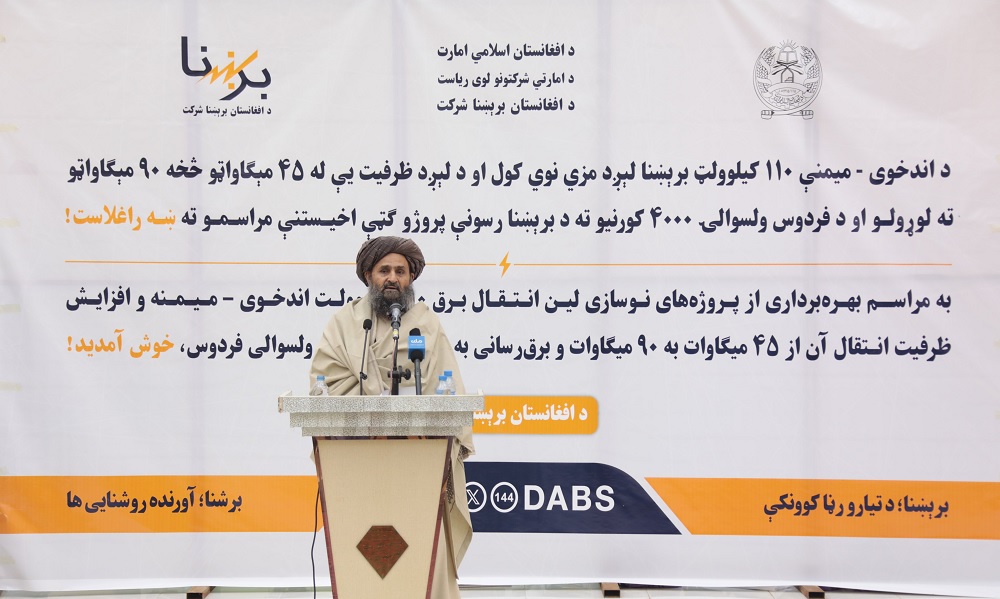
Afghanistan’s Deputy Prime Minister for Economic Affairs, Mullah Abdul Ghani Baradar, on Saturday inaugurated the rehabilitated 110-kilovolt (kV) power transmission line connecting Maimana and Andkhoy in Faryab province.
According to the Deputy Prime Minister’s Office for Economic Affairs, the completion of the project will provide around 60,000 consumers with a more stable and reliable electricity supply.
Speaking at the inauguration ceremony, Baradar said the project would help meet local electricity needs, expand industrial activities and contribute to the region’s economic and social development.
He said the Islamic Emirate of Afghanistan (IEA) had implemented several electricity generation and transmission projects in a relatively short period, reducing reliance on imported electricity and power outages while creating new opportunities for industrial growth.
Baradar also said several major electricity infrastructure projects would be implemented over the next year to ensure a sustainable power supply, adding that the country’s existing electricity capacity would increase several times.
Addressing Afghanistan’s security situation, Baradar said the country was currently experiencing a level of security that he claimed was unmatched in most countries. He added that foreign tourists and visitors had continued to travel to Afghanistan since the IEA returned to power, including to remote areas of the country.
He rejected security-related concerns raised by some countries over travel to Afghanistan, describing them as unfounded and politically motivated. He called on the international community to strengthen meaningful engagement with Afghanistan based on realities on the ground.
Baradar also invited domestic and foreign investors to invest in Afghanistan, saying a secure and suitable environment had been created for large- and medium-scale investments.
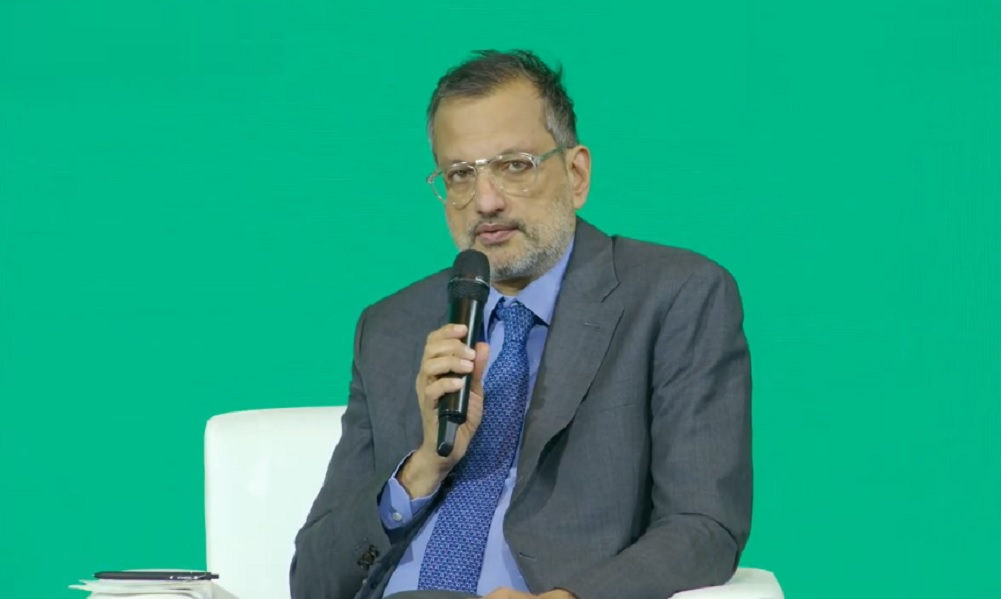
The UN refugee agency’s representative in Afghanistan has called on the international community to maintain their support for Afghanistan, warning that the return of more than 6.5 million Afghans over the past three years has placed significant pressure on the country.
Arafat Jamal, UNHCR Representative in Afghanistan, made the remarks during the eighth International Conference on Action with Women and Peace in Seoul, South Korea, where he highlighted the challenges facing returnees amid poverty, drought and climate-related disasters.
He said the returning population accounts for around 15 percent of Afghanistan’s total population, describing the influx as one of the world’s largest movements of people. He added that Afghanistan was struggling to absorb the large-scale returns due to its existing economic and humanitarian challenges.
Jamal also highlighted difficulties facing Afghan women, saying that the absence of war does not necessarily mean all citizens enjoy safety.
In a separate interview with The Korea Times during his visit to Seoul, Jamal said supporting refugees and vulnerable countries was not simply an act of charity but an investment in a safer and more stable international environment.
He stressed that Afghanistan’s strategic location, bordering seven countries including China, Pakistan and Iran, makes its stability a matter of wider international concern. Although the country is relatively calm at present, he cautioned that this situation should not be taken for granted without continued international support.

Afghanistan’s finance minister travels to Iran for official visit
Newly rehabilitated power line to benefit 60,000 consumers in Faryab
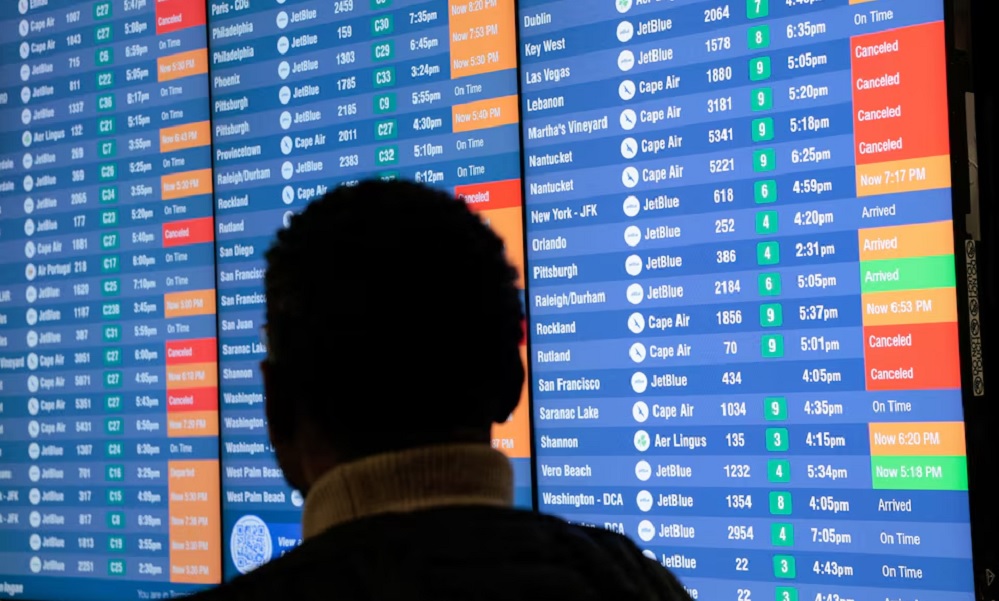
US to resume flights after air traffic network failure sparks chaos
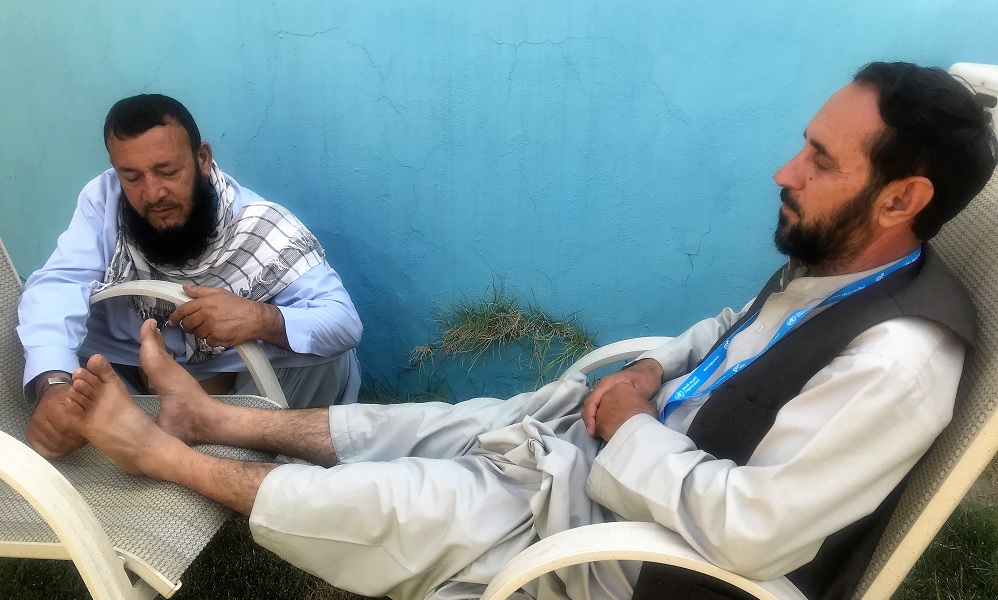
Diabetes screening available in only one in 20 public health facilities in Afghanistan: WHO
UNHCR representative urges continued international support for Afghanistan

Afghanistan finish runners-up after 6-0 defeat to Brazil in futsal final

Trump says US may strike Iran’s ‘Pickaxe Mountain’ nuclear facility

Rubio heads to Central Asia while other US officials hit foreign policy hot spots

Violent protests spread across Europe as Albanian PM blames ‘foreign hand’

Governments take websites offline as critical cyber flaws trigger global alert
Tahawol: Russia’s special attention to situation in Afghanistan discussed
Saar: Discussion on US’s humiliating defeat in Afghanistan
Tahawol: High-level Russian delegation’s visit to Kabul discussed
Saar: Afghanistan’s situation in focus at CSTO discussed

Tahawol: Efforts to halt deportation of Afghan refugees from US discussed
-
 World5 days ago
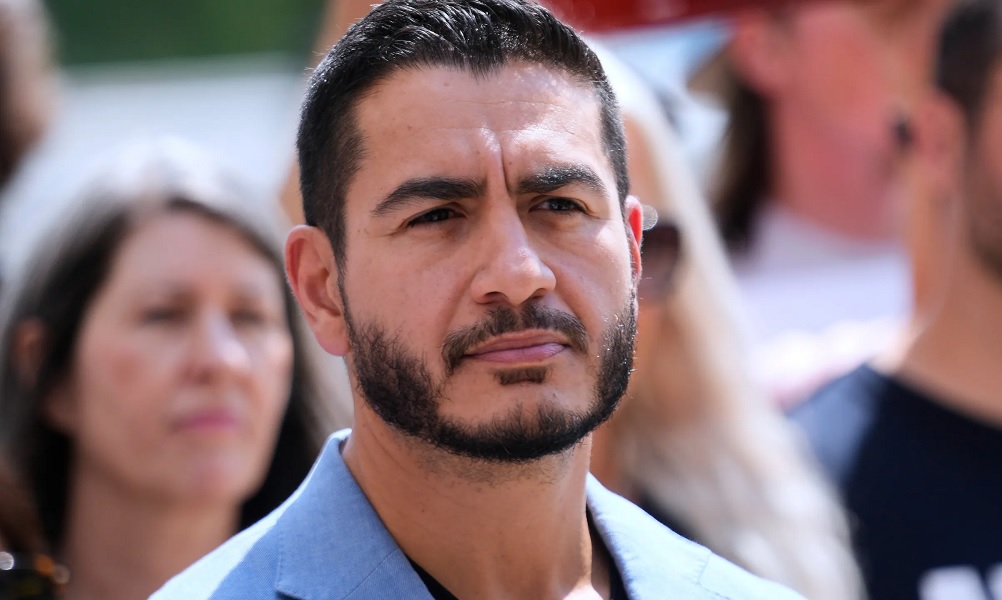
First Muslim US senator-elect El-Sayed calls for review of aid to Pakistan
-
 Sport4 days ago
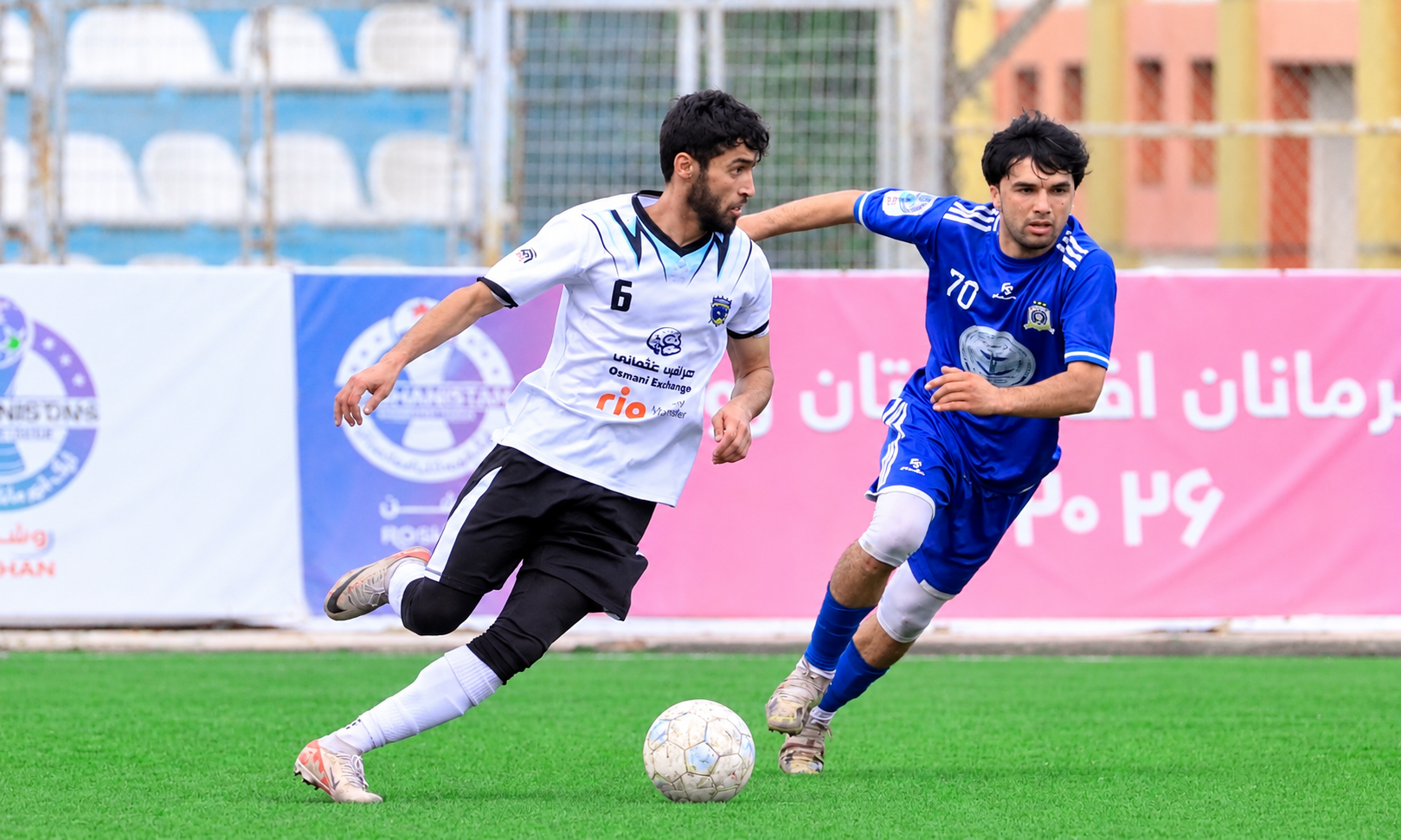
Omar Zawak thrash Istiqlal Kabul 5-1 in ACL
-

 World4 days ago
Trump says further US attacks on Iran ‘highly unlikely’ as peace talks gain momentum
-
 Sport5 days ago
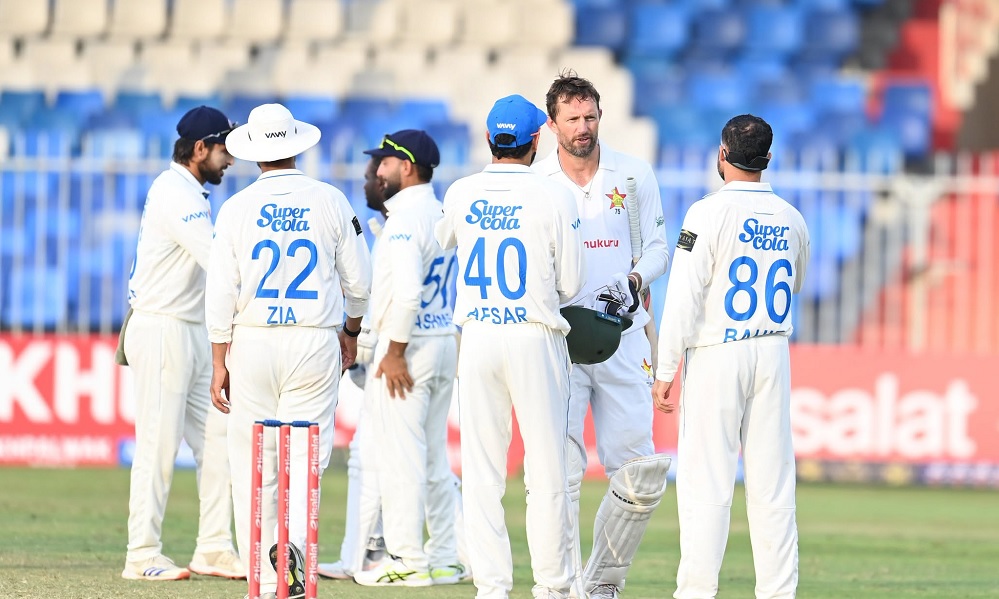
First Test between Afghanistan and Zimbabwe ends in a draw
-
 Latest News3 days ago
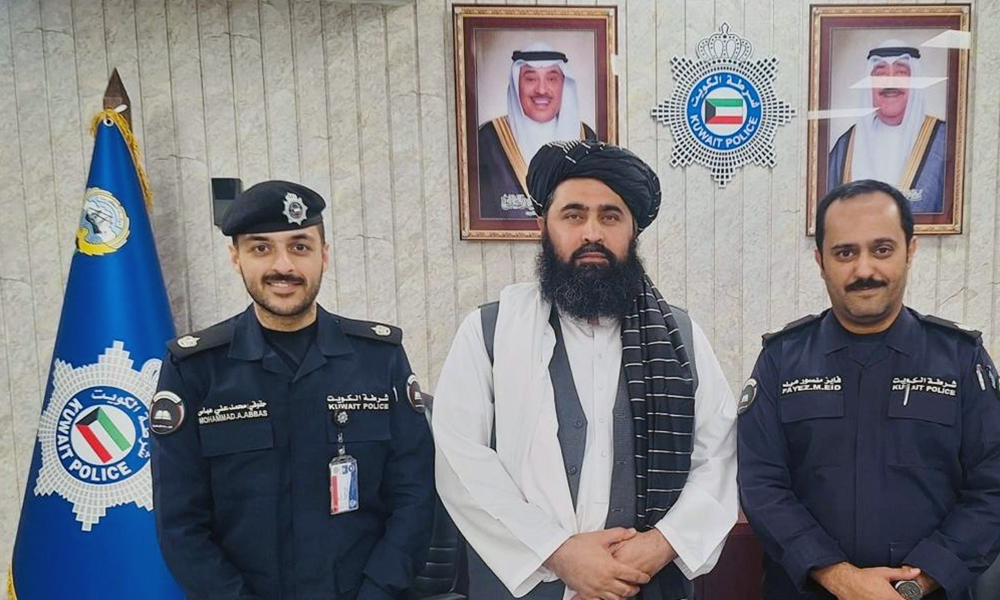
Afghan embassy in Kuwait discusses situation of Afghan prisoners with Kuwaiti officials
-
 Health4 days ago
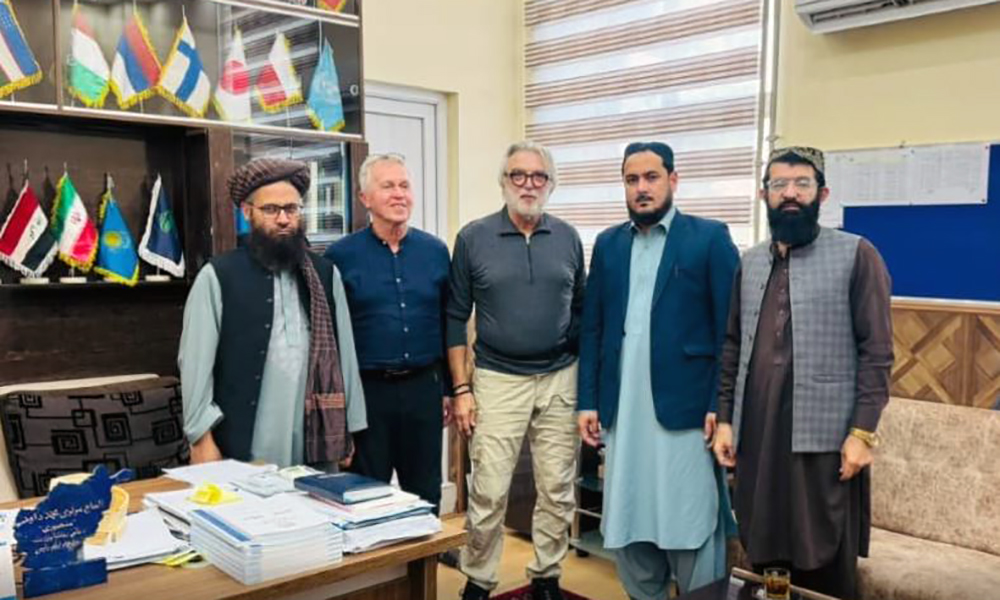
German medical team launches free surgical mission at Bamiyan provincial hospital
-
 Business3 days ago
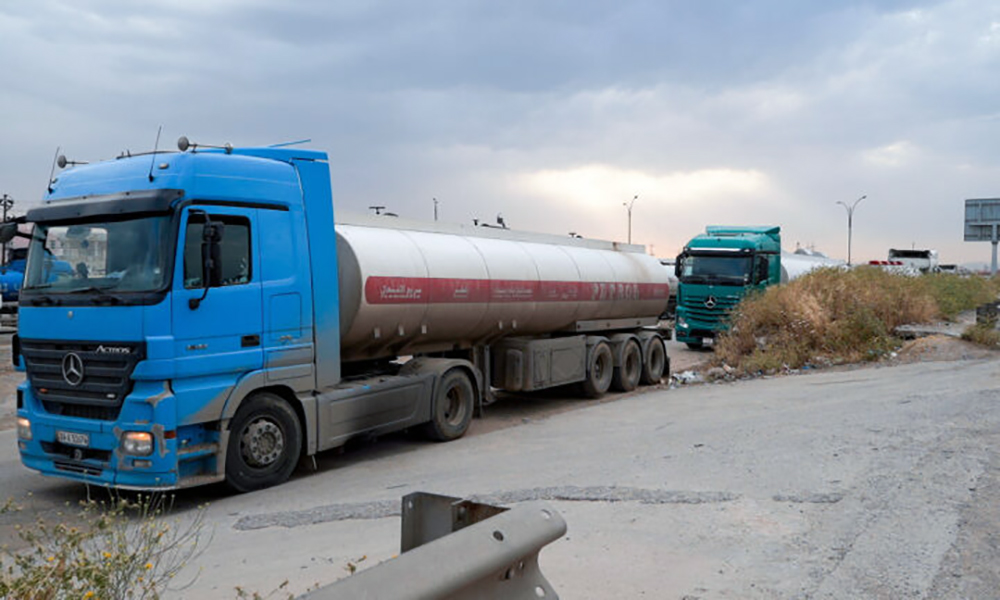
Iraqi intelligence report alleges oil smuggling network supplying Afghanistan and Turkey through Iran
-
 Business4 days ago
$30 million pharmaceutical investment launched in Herat as new production line opens