
Latest News
UN: Decades of war have left deep and lasting trauma across Afghanistan
Nearly 60 percent had also suffered physical injuries, many of which continued to affect them for months, years or even decades.

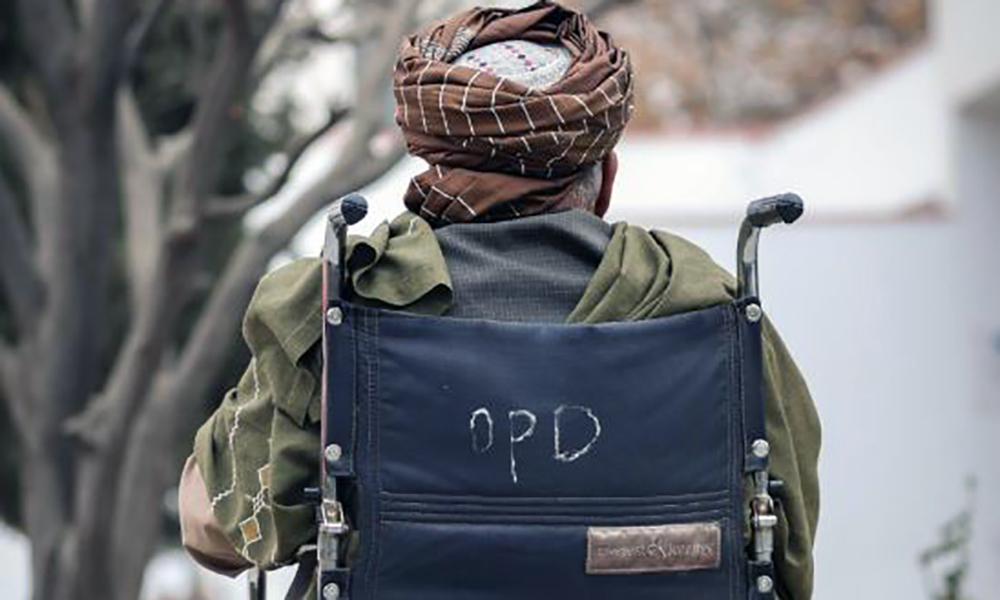
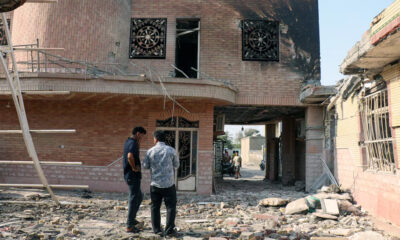
More than four decades of conflict have left Afghans facing profound physical, psychological, social and economic consequences, with many victims still without access to justice, compensation or formal recognition of the harm they suffered, according to a new UN report.
Afghanistan endured more than 40 years of armed conflict, ending in late 2021 – a war that resulted in widespread deaths, displacement and destruction.
Between 2009 and 2021, the UN Assistance Mission in Afghanistan (UNAMA) documented more than 40,000 civilian deaths and more than 77,000 injuries as fighting continued between government and coalition forces, the Islamic Emirate and other armed groups.
The latest report focuses on the period leading up to the Islamic Emirate’s takeover in 2021 and is based on interviews with nearly 200 victims of armed conflict and their relatives.
Lasting physical and psychological impact
The report found that 95 percent of those interviewed had experienced emotional or psychological harm, including depression, anxiety, memory loss, flashbacks and other trauma-related symptoms.
Nearly 60 percent had also suffered physical injuries, many of which continued to affect them for months, years or even decades.
Some victims continue to live with chronic pain and disabilities but face financial barriers and limited access to healthcare.
For others, conflict-related injuries prevented them from continuing their education or employment, creating long-term economic difficulties for them and their families. In some cases, relatives were also forced to leave work or education to provide care.
Women widowed by the conflict face particular economic insecurity, with restrictions imposed by Afghanistan’s authorities limiting their access to employment.
Victims struggle to obtain justice
The report also found that many victims have been unable to obtain compensation or other forms of redress.
More than half of those interviewed, or 55 percent, had never attempted to seek compensation or justice. Many said they believed their concerns would not be taken seriously or feared retaliation.
Among those who had sought redress, 64 percent said their efforts were unsuccessful. They cited bureaucratic obstacles, a lack of response, perceived discrimination and limited transparency when dealing with authorities or institutions.
When asked about their priorities, 81 percent of victims identified financial compensation as a key need, while 48 percent called for access to justice and 47 percent sought guarantees for their personal security.
“The interviews we conducted highlight the depth and breadth of collective trauma that continues within Afghan society,” said Georgette Gagnon, a UNAMA official.
She said addressing victims’ needs requires acknowledgement of the harm they have suffered and a genuine commitment to placing their voices and rights at the centre of efforts to address the legacy of conflict.


Latest News
Japan, UNODC launch $9.4 million counternarcotics project in Afghanistan
UNODC said about 8,000 former poppy-growing households, representing an estimated 56,000 people, are expected to benefit from alternative livelihood programmes.
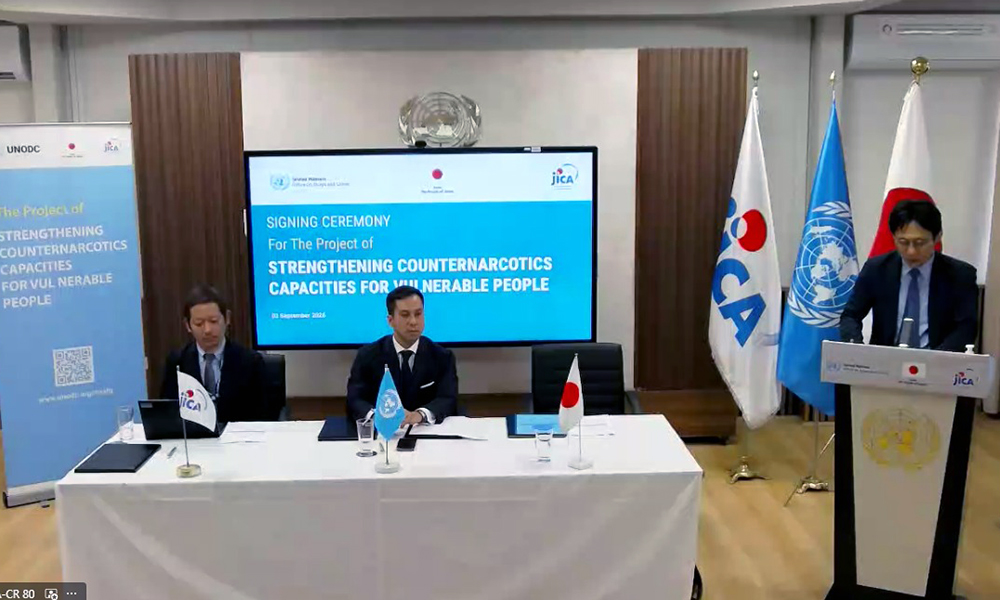
Japan and the United Nations Office on Drugs and Crime (UNODC) have launched a $9.4 million initiative aimed at supporting vulnerable communities affected by Afghanistan’s drug economy.
The two-year project, funded by the Government of Japan through the Japan International Cooperation Agency (JICA), will run from September 2026 to September 2028 in Badakhshan, Badghis, Helmand, Kandahar and Takhar provinces.
A grant agreement for the initiative, titled “Strengthening Counternarcotics Capacities for Vulnerable People,” was signed in Kabul on Thursday. Japan has allocated JPY 1.488 billion, approximately $9.4 million, for the project.
The initiative will focus on rural communities that previously depended on poppy cultivation for their livelihoods, while expanding prevention and treatment services for people affected by or at risk of drug use.
UNODC said about 8,000 former poppy-growing households, representing an estimated 56,000 people, are expected to benefit from alternative livelihood programmes.
A further 45,000 people affected by or at risk of drug use are expected to receive support through prevention, treatment, rehabilitation and reintegration services.
The project builds on a previous counternarcotics programme implemented by UNODC with JICA support between 2024 and 2026.
Japan’s Ambassador to Afghanistan, Kenichi Masamoto, said counternarcotics was an area where Afghanistan and the international community shared common interests and responsibilities.
He said sustainable progress depended on Afghan ownership supported by constructive international cooperation, and welcomed continued dialogue through the Doha Process as a platform for cooperation and confidence-building.
JICA Chief Representative for Afghanistan Sota Tosaka said the agency would build on its longstanding partnership with UNODC to expand opportunities for vulnerable communities to establish sustainable livelihoods and strengthen their resilience and self-reliance.
UNODC Country Representative for Afghanistan Polleak Ok Serei said Japan’s continued support was important in addressing the challenges posed by illicit drug economies and drug use.
He said the project’s combination of alternative livelihoods, drug-use prevention, treatment, rehabilitation and international cooperation would support practical and sustainable solutions for healthier and more resilient communities.
The initiative will also contribute to the objectives of the Doha Process Counternarcotics Working Group, which seeks to promote coordinated national and international action against illicit drugs while supporting Afghanistan’s reintegration into the international community and compliance with its international obligations.
Latest News
Security Commission reviews Afghanistan’s security situation
The meeting reviewed Afghanistan’s security situation from various aspects, with detailed discussions held on measures to further strengthen security, stability and overall security capabilities.
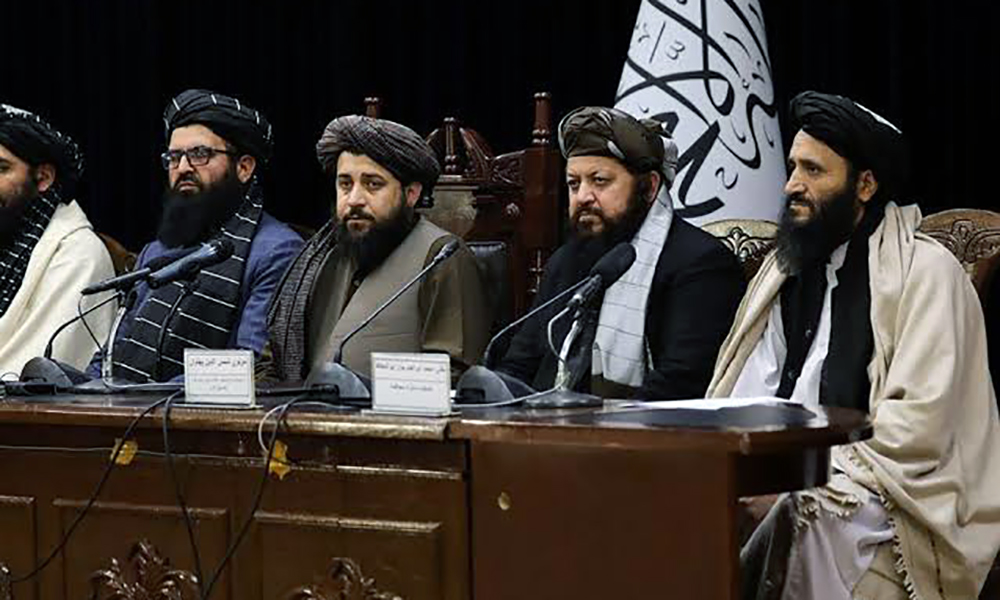
A meeting of the Central Commission for Security and Clearance Affairs was held under the chairmanship of Mohammad Yaqoob Mujahid, head of the commission and Minister of Defense.
The meeting reviewed Afghanistan’s security situation from various aspects, with detailed discussions held on measures to further strengthen security, stability and overall security capabilities.
Sediqullah Nusrat, media official of the Commission for Security and Clearance Affairs, said the country’s overall security situation was assessed as satisfactory.
He added that reports from security and clearance commissions in all provinces were also reviewed.
According to him, the security situation across the provinces was described as satisfactory, while full coordination exists between security and civilian institutions to ensure better implementation of affairs.
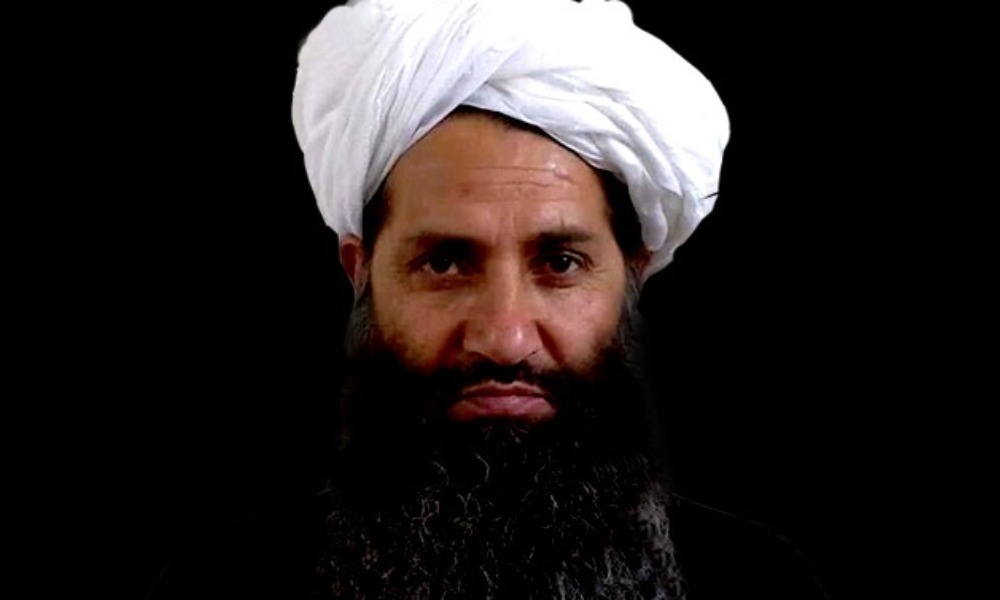
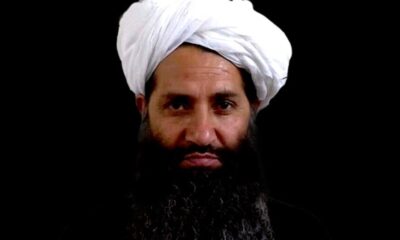
Mawlawi Hibatullah Akhundzada, Supreme Leader of the Islamic Emirate of Afghanistan (IEA), has issued a five-article decree ordering the Ministry of Interior Affairs to arrest those responsible for traffic accidents on the country’s highways and refer them to the relevant courts.
Under the decree, the Ministry of Transport and Aviation has been instructed to fully cooperate with the Ministry of Interior in identifying and arresting those responsible for traffic accidents, as well as collecting relevant information and evidence.
The decree also instructs courts to prioritize cases related to traffic accidents and ensure the rights of the victims’ heirs are protected.
The order comes amid a reported increase in traffic accidents on Afghanistan’s highways in recent months, with the number of fatalities also rising.


Japan, UNODC launch $9.4 million counternarcotics project in Afghanistan

El Niño likely to intensify, may become strongest ever recorded, WMO says

Security Commission reviews Afghanistan’s security situation

Iran war escalation raises concern over civilian death toll

IEA Supreme Leader issues decree on traffic accidents

Four mediators struggle to secure lasting Pakistan-Afghanistan ceasefire

HesabPay unveils new visa card and digital payment app in Kabul

AFC Champions League Elite draw nears as Al-Nassr seeded above Al-Hilal

Afghanistan secure direct qualification for 2027 Men’s ODI World Cup

Uzbekistan’s Fergana region strengthens economic ties with Afghanistan

Tahawol: Shifting regional views on Islamic Emirate discussed

Saar: UNSC review of Afghanistan situation discussed

Tahawol: SCO meeting outcome on Afghanistan discussed

Saar: Calls for faster progress on Trans-Afghan Railway project discussed

Tahawol: Five years since the US withdrawal from Afghanistan
-
 World4 days ago
Trump floats idea of renaming Atlantic or Pacific Ocean
-
 Regional2 days ago
Pakistan, Saudi Arabia and Türkiye strengthen new Mecca Defence Alliance
-
 Sport3 days ago
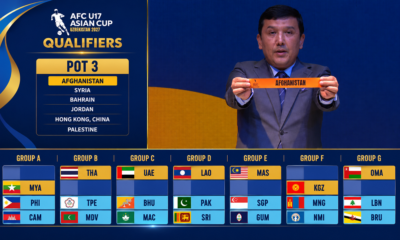
Afghanistan drawn in Group A of AFC U17 Asian Cup qualifiers
-
 Latest News4 days ago
US deports Afghan man with family ties to US military to Central African Republic
-
 Climate Change4 days ago
Nepal flood rescue mission enters critical phase as thousands remain missing
-
 Latest News4 days ago
IEA spokesman says government will resolve issue of girls’ education
-
 Regional4 days ago
War weighs on Iran’s economy as US intensifies sanctions
-
 Latest News3 days ago
Retired U.S. general: ‘I was quite unhappy with the ending in Afghanistan’