
Latest News
U.S. forces leave Bagram base in Afghanistan – official

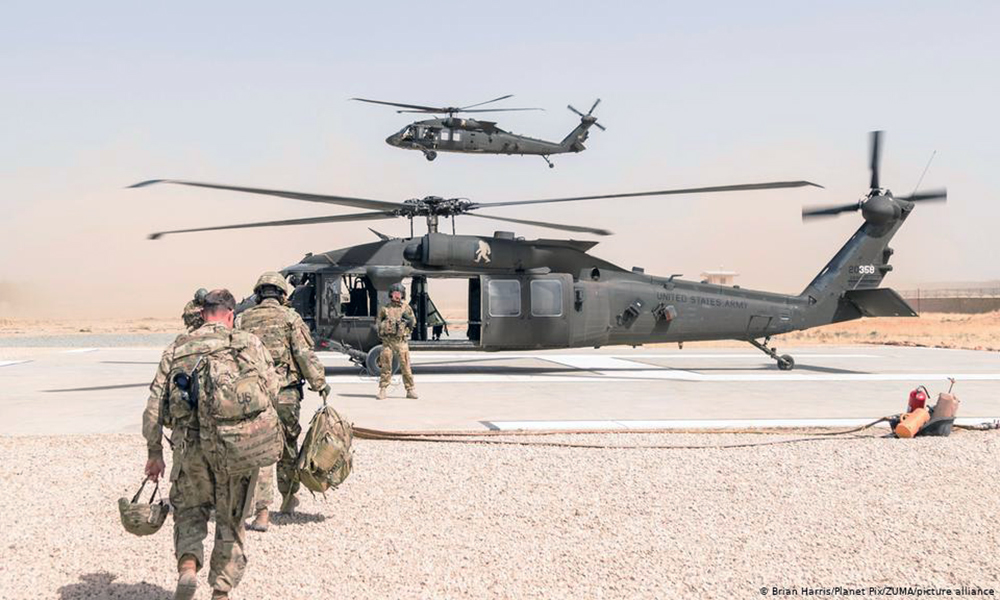
American troops pulled out of their main military base in Afghanistan on Friday, a U.S. defence official said, under an agreement with the Taliban allowing for the withdrawal of all U.S. forces from the country after a two-decade war.
“All American soldiers and members of NATO forces have left the Bagram airbase,” said the senior U.S. security official on condition of anonymity.
The U.S. military has coordinated its air war and logistical support for its Afghan mission from the Bagram airbase, about 60 km (40 miles) north of Kabul, and the withdrawal of the forces symbolises the end of the U.S. military involvement in the country.
The base is being handed over to the Afghan government as its armed forces face a surging war with the Taliban and questions swirl about their prospects.
An Afghan official said the base would be officially handed over to the government at a ceremony on Saturday.
The U.S. defence official said General Austin Miller, the top U.S.commander in Afghanistan “still retains all the capabilities and authorities to protect the force” that are stationed in the capital, Kabul.
Two other U.S. security officials said this week the majority of U.S. military personnel would most likely be gone by July 4, with a residual force remaining to protect the embassy.
Last month, U.S. President Joe Biden told his Afghan counterpart, Ashraf Ghani, that “Afghans are going to have to decide their future, what they want”.
Ghani said his job was now to “manage the consequences” of the U.S. withdrawal.
The agreement with the Taliban on the U.S. pull-out was struck under the administration of President Donald Trump.
In exchange for the U.S. withdrawal, the Taliban, fighting to expel foreign forces and oust the U.S.-backed government, have vowed to prevent any international terrorism from Afghan soil.
They also made a commitment to enter into talks with their Afghan rivals but little progress has been made in negotiations.

Latest News
Kunduz Gold Mine begins operations with $20 million investment
Officials described the initiative as one of Kunduz’s largest mining projects, saying it is expected to create hundreds of jobs and support local economic development.
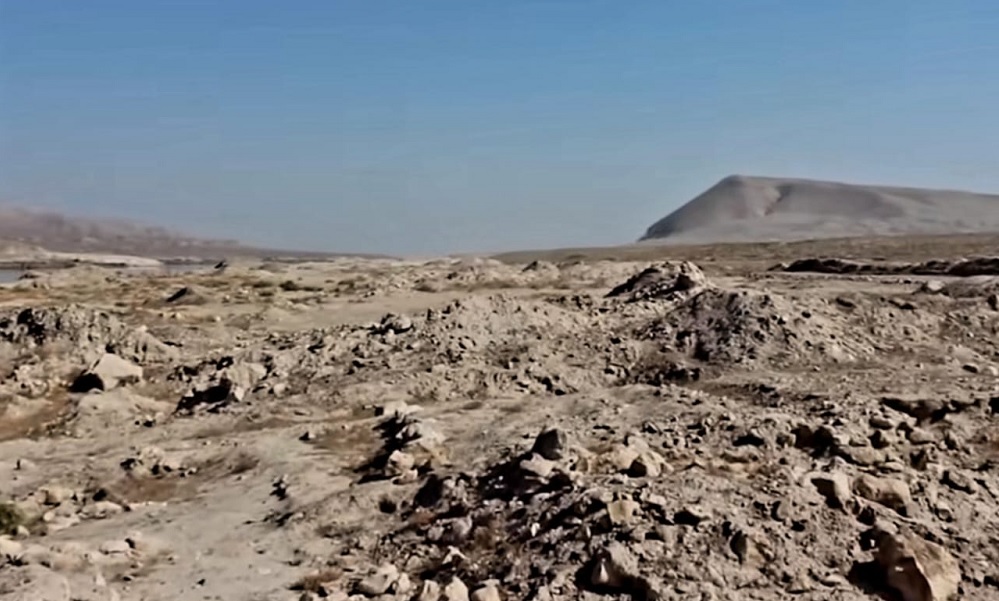
Gold mining operations have begun in northern Afghanistan’s Kunduz province, with a $20 million investment in the Sarkh-Betel and Takhta Qabad areas of Qala-e-Zal district, local authorities say.
The project was launched in the presence of local officials, tribal elders and residents, according to the provincial Department of Mines and Petroleum.
Officials described the initiative as one of Kunduz’s largest mining projects, saying it is expected to create hundreds of jobs and support local economic development.
The contracting company has also allocated $200,000 for road construction and other development projects in Qala-e-Zal district, officials said.
Residents have welcomed the start of operations, expressing hope that the project will provide employment for young people, improve infrastructure and boost household incomes.
They also stressed the importance of prioritising local workers and investing in essential services to ensure communities benefit directly from the mining activity.
The project marks a new development in Kunduz’s mining sector, with local authorities and residents hoping the investment will generate sustainable employment and deliver broader economic benefits to the district.
Latest News
Afghan migrants in Türkiye seek solutions to residency and consular challenges
The representatives also called for the activation of an Afghan migrant affairs attaché office in Türkiye to facilitate the handling of their concerns.
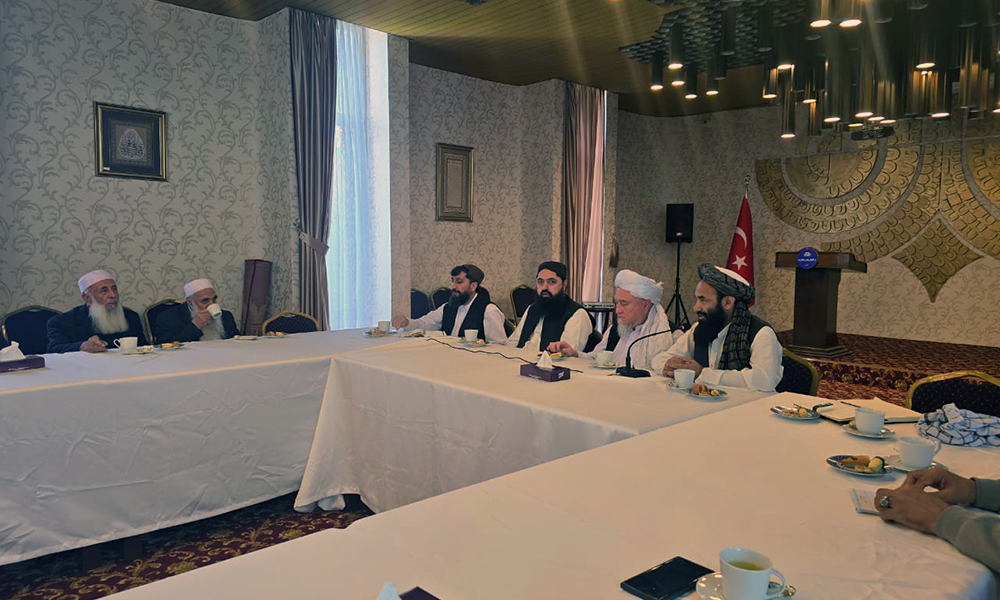
Representatives of Afghan migrants living in Ankara, Türkiye, have raised concerns over residency fees, visa restrictions, detention cases and access to consular services during a meeting with a delegation from Afghanistan’s Ministry of Refugees and Repatriation and Ministry of Foreign Affairs.
The meeting was held on Friday October 23, with the participation of Saeed Ahmad Banuri, head of the office of the leadership of the Ministry of Refugees and Repatriation, and Saniullah Farahmand, the Islamic Emirate’s ambassador to Türkiye.
Banuri said the delegation had been assigned, following directives from the Islamic Emirate’s leadership and reports received from Türkiye, to hear migrants’ complaints directly and refer them to the relevant authorities in Afghanistan and Türkiye for follow-up.
During the meeting, three representatives of Afghan migrants outlined several challenges, including the high cost of renewing residence permits, difficulties obtaining visas for sick migrants, problems in camps, the detention of some Afghans despite holding valid residency documents, difficulties obtaining civil and health documents, and high air travel ticket prices.
The representatives also called for the activation of an Afghan migrant affairs attaché office in Türkiye to facilitate the handling of their concerns.
Farahmand said the Afghan Embassy would continue efforts to address migrants’ problems within its capacity.
Banuri assured the representatives that their concerns would be documented and conveyed to the relevant authorities in both countries in an effort to find solutions.
Meanwhile, Mohammad Saber Omar, deputy head of the Consular Affairs Department responsible for migrant affairs at Afghanistan’s Ministry of Foreign Affairs, addressed difficulties involving civil documentation and assured the participants that efforts would be made to address the issue.
The meeting focused on improving consular assistance, addressing residency-related difficulties and strengthening coordination between Afghan authorities and their counterparts in Türkiye.
Latest News
Afghanistan, Turkmenistan discuss Herat gas pipeline expansion and distribution networks
During the visit, the Afghan Gas chief also met with representatives of international companies to explore opportunities for technical and commercial cooperation.
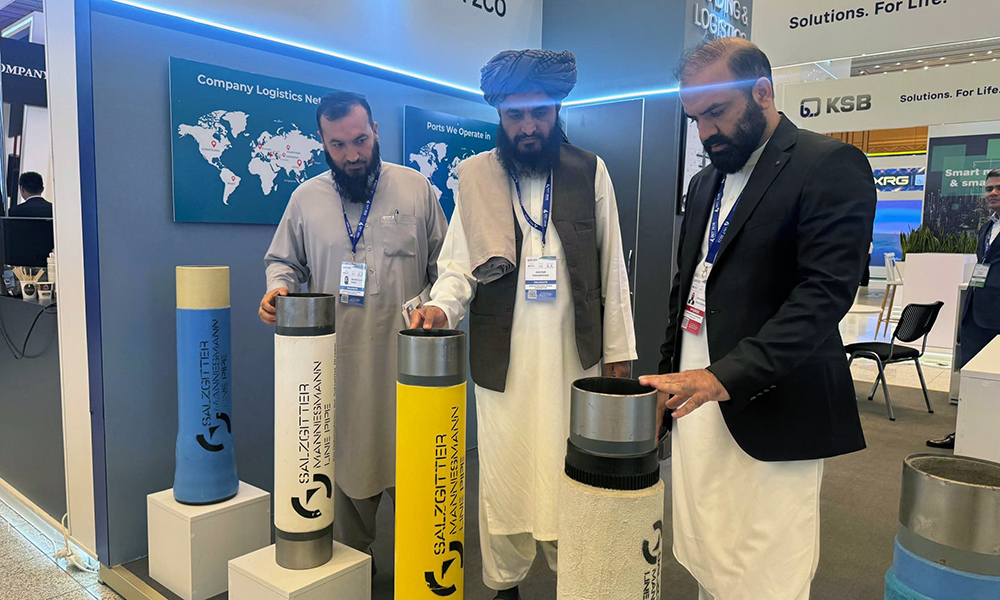
Afghanistan and Turkmenistan have held discussions on the development of the Herat gas pipeline and the expansion of gas distribution networks, as Kabul seeks to attract investment and introduce modern technologies to the country’s energy sector.
Akhtar Mohammad Mansour, Chief Executive Officer of the state-owned Afghan Gas Company, held talks with officials from Turkmenistan’s state-owned Turkmengaz company and representatives of the Turkmenistan-Afghanistan-Pakistan-India (TAPI) gas pipeline project during a visit to Turkmenistan, where he attended the country’s international oil and gas conference.
According to Afghanistan’s General Directorate of State-Owned Companies, the discussions focused on issues related to gas transmission and distribution, as well as the use of advanced equipment and internationally recognized technical standards in the sector.
Mansour reportedly identified the adoption of modern technologies in gas extraction, transmission and distribution as a key priority for Afghan Gas.
Focus on Investment and Technical Cooperation
During the visit, the Afghan Gas chief also met with representatives of international companies to explore opportunities for technical and commercial cooperation.
The discussions emphasized direct cooperation, the exchange of technical expertise and experience, and the adoption of new technologies. Mansour also highlighted the importance of attracting investment to Afghanistan’s gas sector.
The General Directorate of State-Owned Companies said the meetings provided an opportunity to strengthen ties with international firms, identify potential areas for joint cooperation and present investment opportunities in Afghanistan’s gas industry.
TAPI Project Remains a Key Regional Energy Initiative
The TAPI gas pipeline project is designed to transport natural gas from Turkmenistan through Afghanistan to Pakistan and India, making it one of the region’s major energy cooperation initiatives.
The expansion of gas transmission infrastructure and distribution networks could help improve access to energy in Afghanistan while creating opportunities for investment and strengthening regional economic cooperation.


ACL: Istiqlal Kabul and Sarsabz Yashlar play out 1-1 draw
Four ways US foreign policy could change if Democrats win in November
Kunduz Gold Mine begins operations with $20 million investment
ATN secures exclusive rights to broadcast ILT20 Season 5 in Afghanistan
Afghan migrants in Türkiye seek solutions to residency and consular challenges

Cricket Bonanza: Afghanistan set for packed international schedule

Afghanistan says 28 killed, 32 captured in Nuristan operation

Afghanistan on climate front line as Kabul faces groundwater warning

ACB announces Afghanistan squads for Bangladesh, Zimbabwe series

Trump rejects Iranian proposal to open Hormuz and end fighting
Tahawol: UN’s role in tackling global crises discsused
Saar: Pakistan’s blame on Kabul for its own failures discussed
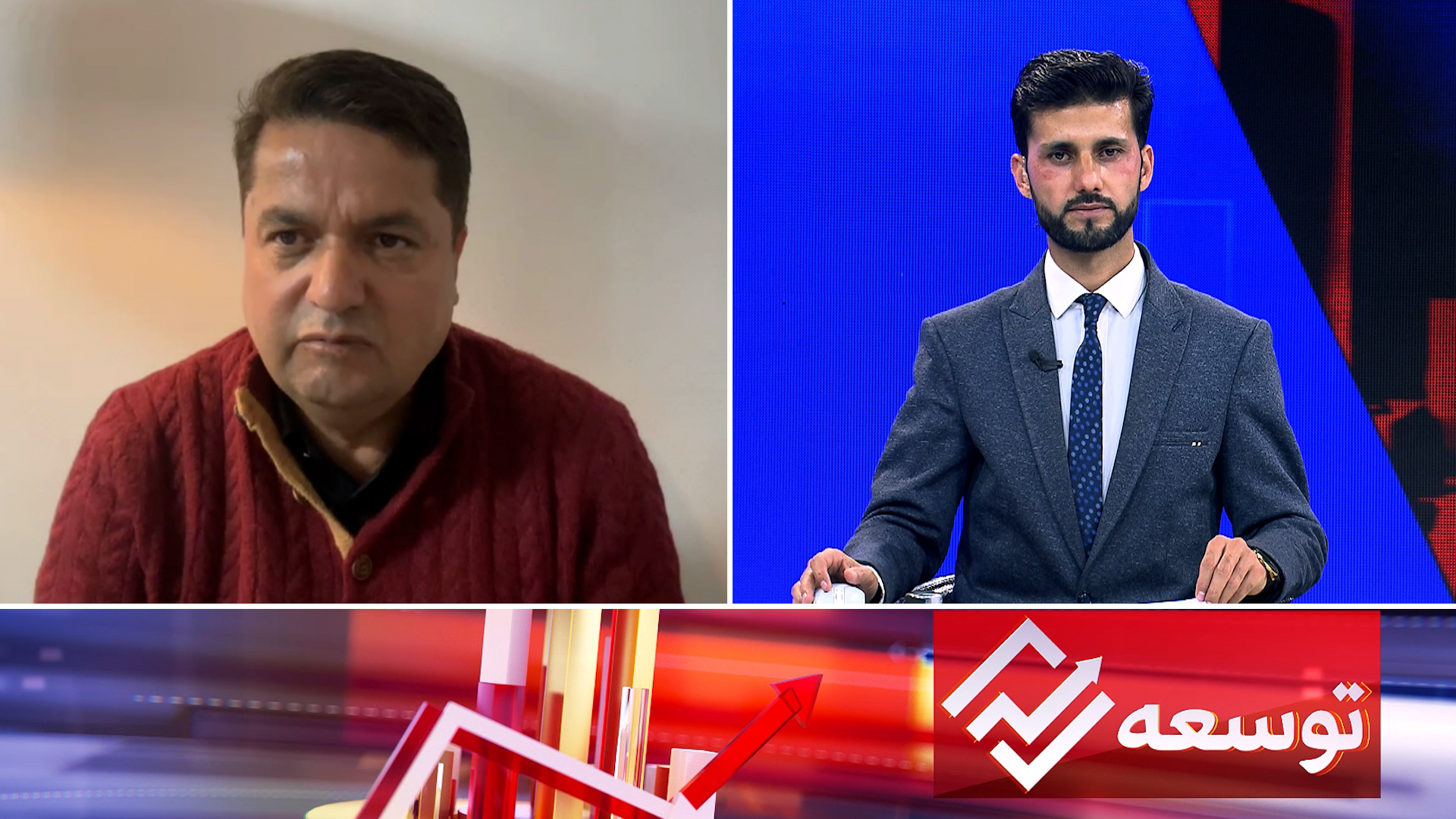
Tawsia: New opportunities in Afghanistan’s energy, trade and agriculture sectors discussed

Exclusive interview with Ali Bilal, runner-up in Mr. Olympia Men’s Physique category

Tahawol: Doha meeting and Afghanistan’s political and economic future discussed
-
 Latest News3 days ago
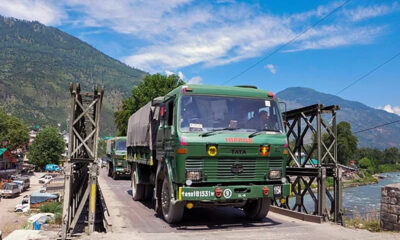
Afghanistan’s new Wakhan road to China faces major hurdles
-
 Latest News4 days ago
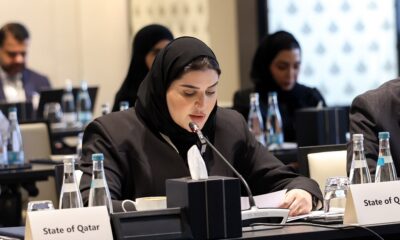
Qatar calls for shift from humanitarian aid to economic recovery in Afghanistan
-

 Science & Technology3 days ago
Governments take websites offline as critical cyber flaws trigger global alert
-

 World4 days ago
Governments warn citizens over security risks in France after riots
-
 Business4 days ago
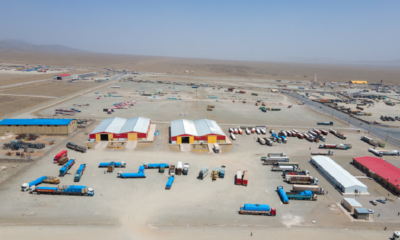
Transit of Afghan goods through Sheikh Abu Nasr Farahi border crossing doubles
-
 Latest News3 days ago
CSTO to supply Tajikistan with weapons to strengthen Afghan border
-
 Latest News3 days ago
Russia to expand security and defence cooperation with Afghanistan
-
 Regional4 days ago
Iran tells Pakistan army chief no talks with Washington until demands are met