
Latest News
Turkey confirms Istanbul Conference to start on April 24

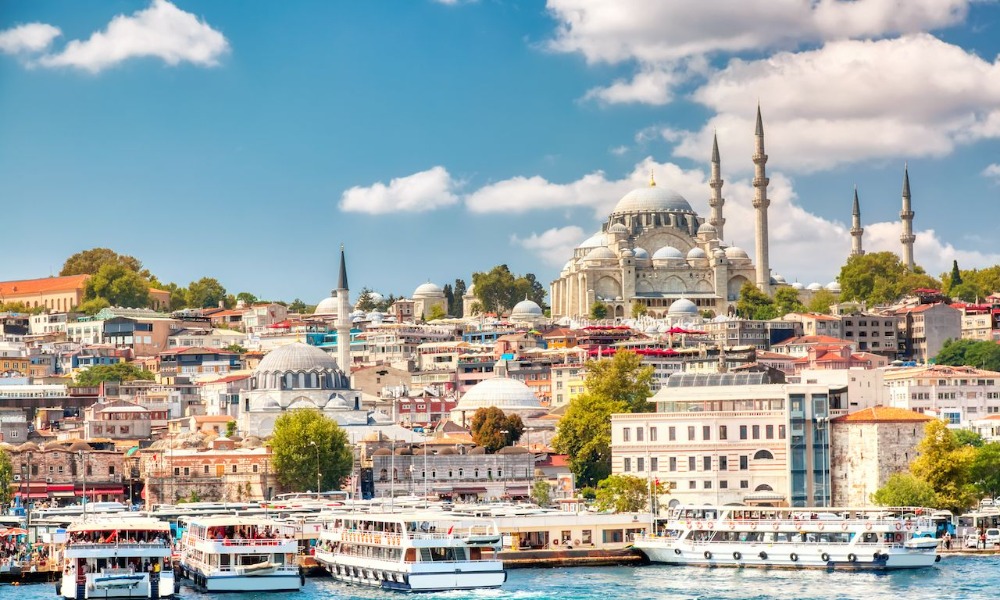
Turkey’s foreign ministry said on Tuesday the Istanbul Conference will start on April 24 and run through to May 4.
In a statement issued by the ministry, Turkish officials stated Turkey, Qatar and the United Nations will co-convene the conference “between representatives of the islamic Republic of Afghanistan and the Taliban.”
The conference will be hosted by Turkey in Istanbul.
“The overriding objective of the Istanbul Conference on the Afghanistan Peace Process is to accelerate and complement the ongoing intra-Afghan negotiations in Doha on the achievement of a just and durable political settlement,” read the statement.
The ministry also said participation in the conference and its agenda have been the subject of extensive consultations with the Afghan parties.
“The conference will focus on helping the negotiating parties reach a set of shared, foundational principles that reflect and agreed vision for a future Afghanistan, a roadmap to a future political settlement and an end o the conflict.”
The ministry said it “is our expectation that the conference will provide an important opportunity for all partners to reiterate support for the people of Afghanistan on their path toward inclusive peace, stability, and prosperity.”
This comes just hours after Turkey’s Daily Sabah reported that sources from the ministry of foreign affairs said the start of the talks would likely be postponed until later this month.
All indications until now pointed towards talks starting later this week.
However, a Taliban spokesperson said Monday that the group would not attend the peace conference tentatively planned for later this week in Turkey, putting U.S. efforts to set in place a peace plan anytime soon in jeopardy.
A spokesperson for the Taliban’s political office Mohammad Naeem said on Monday night that the group would however discuss whether to attend talks if they were set for a later date.
Naeem said attendance at the conference and the Blinken peace proposal were being discussed “and whenever the discussion is completed we will share our final decision.”

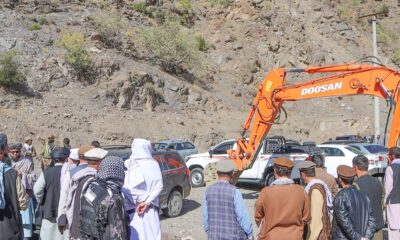


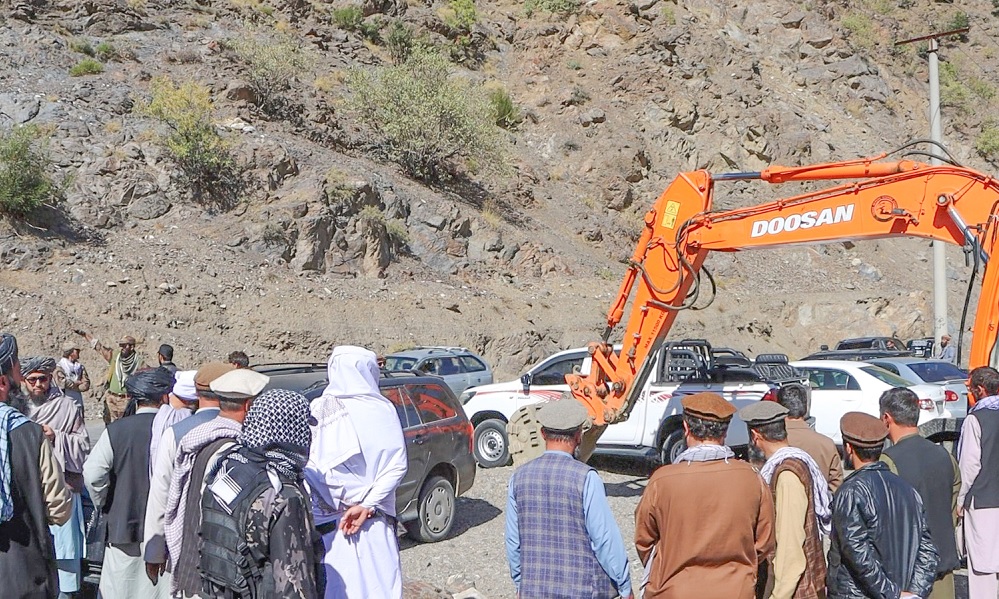
The Ministry of Public Works of the Islamic Emirate of Afghanistan (IEA) has launched a 40 million afghani (AFN) project to rehabilitate 45 kilometres of the main road in Panjshir province, aiming to improve road conditions and facilitate safer travel.
The project was officially inaugurated in the presence of Panjshir Governor Mohammad Agha Hakim, provincial Public Works Director Mohammad Fahim Muwahid, local officials and tribal elders.
The rehabilitation work begins in the Dalan Sang area of Shutul district and extends to Doabi in Baharak Bazaarak. It includes repairing and patching the road surface, constructing gabion retaining walls, building culverts and roadside drainage channels, as well as other related works.
According to the Ministry of Public Works, the project has been contracted to the private sector. Its implementation is expected to prevent further deterioration of the road and ease transportation difficulties for residents.
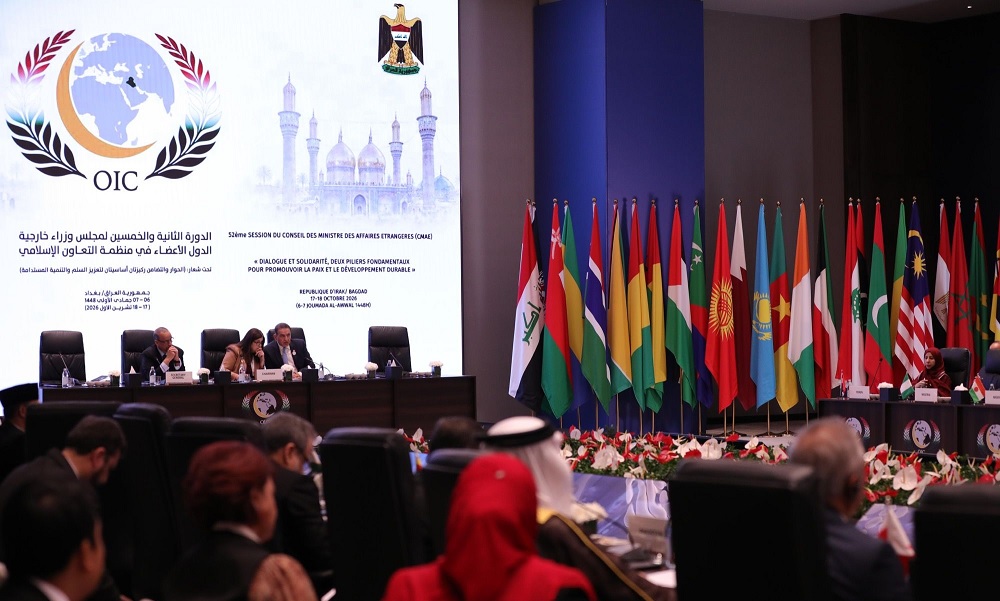
“In Afghanistan, we will continue dialogue with the de facto authorities on the rights of women and girls to education and work, based on Islamic values, and support the humanitarian and economic needs of the Afghan people,” he said addressing the OIC Council of Foreign Ministers in Baghdad, Iraq.
At the meeting, Turkish Foreign Minister Hakan Fidan also said the situation in Afghanistan, Sudan and Somalia was challenging and should be at the top of the meeting’s agenda.
Latest News
Mullah Baradar urges UNAMA not to overlook Afghanistan’s economic and security achievements
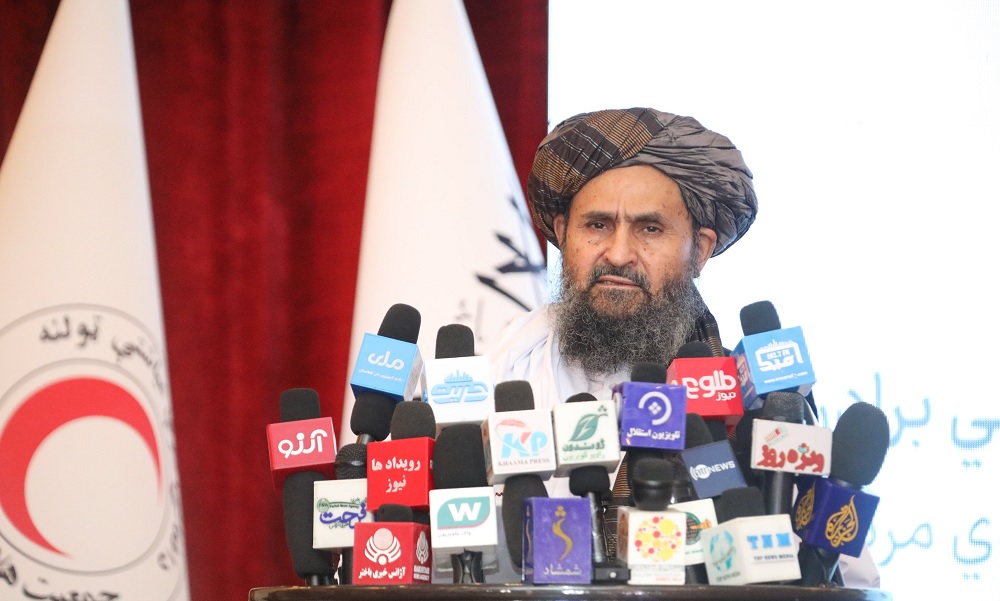
Mullah Abdul Ghani Baradar, the Islamic Emirate of Afghanistan’s Deputy Prime Minister for Economic Affairs, has urged the United Nations Assistance Mission in Afghanistan (UNAMA) to publish its reports on Afghanistan impartially, taking the country’s realities into account and not overlooking its economic and security achievements.
He made the remarks on Sunday at a ceremony organised by the Afghan Red Crescent Society to mark the special week dedicated to supporting people in need.
Baradar said: “It is not fair for Afghanistan’s economic and security achievements to be ignored in reports, while UNAMA, as an opposing and hostile party, focuses on the negative aspects.”
The deputy prime minister for economic affairs said many Afghans were facing a severe economic and humanitarian crisis due to recent droughts, seasonal floods, earthquakes and the forced return of thousands of families to the country. He said addressing these challenges required serious attention.
He called on wealthy individuals, traders, investors, charitable organisations and international humanitarian agencies to provide practical assistance and cooperate with the Afghan Red Crescent Society.
Meanwhile, Noorulhaq Anwar, head of the General Directorate of Administrative Affairs, called on Afghanistan’s neighbouring countries to stop harassing and suppressing Afghans and depriving them of economic opportunities.
Referring to relations between neighbours, Anwar said neighbours should help reduce one another’s difficulties rather than make people’s lives harder through economic pressure.
Without naming any specific country, Anwar added that Afghanistan’s neighbours were still harassing and suppressing Afghans and depriving them economically.


IEA launches 40 million afghani road rehabilitation project in Panjshir

Violent protests spread across Europe as Albanian PM blames ‘foreign hand’

Greek coast guard says 12 migrants die in Aegean sea crossings

Afghanistan finish runners-up after 6-0 defeat to Brazil in futsal final

Trump endorses Netanyahu in close Israeli election

Cricket Bonanza: Afghanistan set for packed international schedule

Afghanistan says 28 killed, 32 captured in Nuristan operation

Silk Road highway in Wakhan corridor now reaches the China border

CNN, MS NOW and Politico sue Trump, challenging White House ban

Dogharoun handles 60% of Iran’s exports to Afghanistan
Violent protests spread across Europe as Albanian PM blames ‘foreign hand’

Tahawol: Afghanistan’s empty seat at OIC Meeting

Saar: Islamic Emirate–Pakistan clashes discussed

France rocked by nationwide clashes, looting and fires

Tahawol: Russian economic delegation’s visit to Kabul
-
 Latest News5 days ago
Afghan official says Durand Line crossings to remain closed until Islamabad accepts demands
-
 Latest News4 days ago
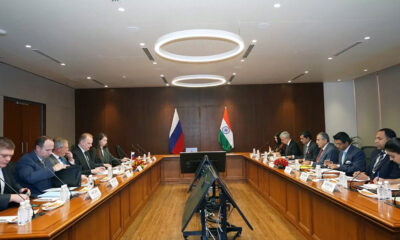
India, Russia hold security talks on Afghanistan and Pakistan amid regional tensions
-
 Latest News4 days ago
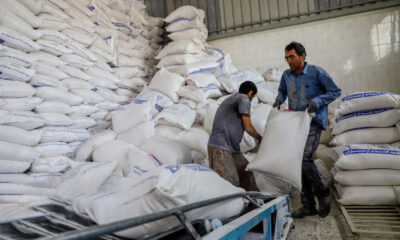
Uzbekistan gains ground in Afghanistan’s flour market as Kazakhstan loses exports
-
 World5 days ago
Yemen hospitals overwhelmed by surge in war casualties, Red Cross warns
-

 Sport1 day ago
Afghanistan reach Brazil futsal tournament final after beating Cape Verde 4-2
-
 Latest News5 days ago
OIC envoy briefs Kabul diplomats on talks with Afghan authorities
-
 Regional4 days ago
School roof collapse kills teacher, 21 children in NW Pakistan
-
 Latest News4 days ago
Iran says nearly 60,000 Afghan students attend its universities, urges more refugee aid