
Latest News
Troika calls on Taliban to cancel Spring offensive after Moscow summit

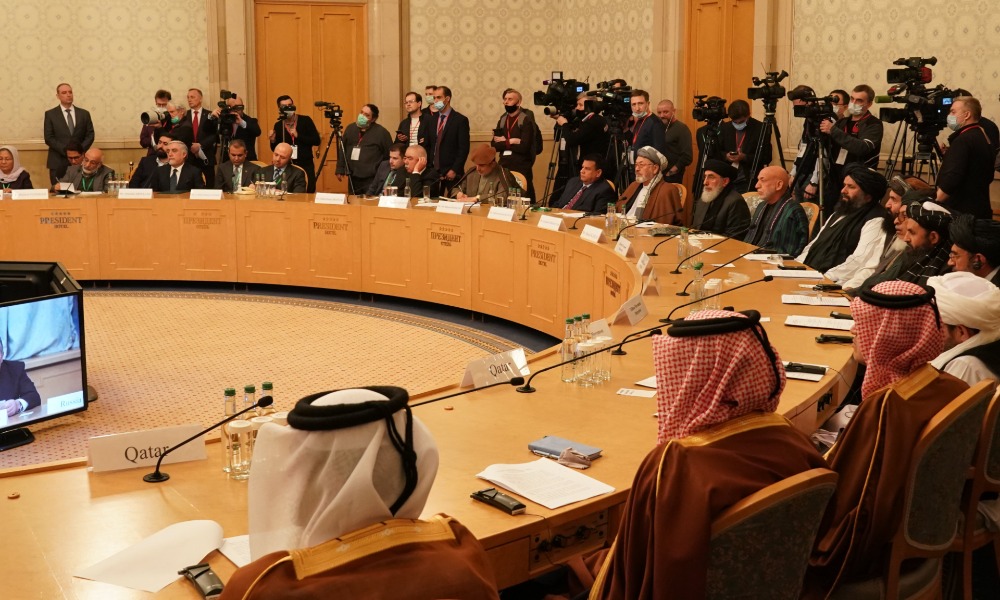
Russia, China, the US and Pakistan, also known as the Troika, on Thursday called on the Taliban to not pursue a Spring offensive and said they do not support the restoration of an Islamic Emirate.
Following a day of discussions in Moscow on accelerating the peace process in Afghanistan, the Troika stated they had agreed on a number of points.
In a joint statement issued by the four countries, they stated they acknowledge the widespread and sincere demand of the Afghan people for a lasting and just peace and an end to the war and “confirm that a sustainable peace can only be achieved through a negotiated political settlement.”
“We call on all parties to the conflict in Afghanistan to reduce the level of violence in the country and on the Taliban not to pursue a Spring offensive, so as to avoid further casualties and to create an environment conducive to reaching a negotiated political settlement.
Citing the UN Security Council resolution 2513 (2020), the Troika said they do not support the restoration of the Islamic Emirate and called on the Afghan government and the High Council for National Reconciliation to engage openly with their Taliban counterparts regarding a negotiated settlement.
“We urge participants in the intra-Afghan negotiations to engage immediately in discussions on fundamental issues to resolve the conflict, including the foundations of the future peaceful and stable Afghan State, the content of a political roadmap leading to an inclusive government, and the modalities of a permanent and comprehensive ceasefire.”
“At this pivotal moment, our four states call on the parties to negotiate and conclude a peace agreement that will bring an end to over four decades of war in Afghanistan,” the statement read.
They also said they strongly advocate a durable and just political resolution with will result in an independent, sovereign, unified and peaceful Afghanistan “free of terrorism and an illicit drug industry”.
They also called on both the Afghan government and the Taliban to ensure no terrorist groups nor individuals use Afghan soil to threaten the security of any other country.
The Troika also stated: “We reaffirm that any peace agreement must include protections for the rights of all Afghans, including women, men, children, victims of war and minorities.”
All concerned countries were also encouraged to support the Afghan people and to contribute to a lasting peace.
“We reaffirm our commitment to mobilize international political and economic support for a post political settlement in Afghanistan,” the statement read.
The Troika also acknowledged Qatar for its support of the peace process and said they were in support of the continuation of discussions between the negotiating teams in Doha.
In conclusion, they stated they welcome all international efforts that are underway to facilitate and support a negotiated settlement as soon as possible.
“We note that the UN Secretary General Gutteres’ appointment of Mr. Jean Arnault as his personal envoy on Afghanistan and regional issues. We welcome the UN playing a positive and constructive role in the Afghan peace and reconciliation process.”
Thursday’s event was attended by representatives of the Afghan government, the Taliban, prominent Afghan political figures and Qatar and Turkey representatives, who were guests of honor.
The US Special Representative for National Reconciliation Zalmay Khalilzad also attended the meeting, which is the first of two such summits planned.
The next landmark meeting will be held in Turkey next month – which is in line with Washington’s push for a political settlement as soon as possible.



Latest News
Guterres proposes 60 job cuts at UNAMA
Guterres also proposed an additional $3.2 million for the Independent Investigative Mechanism for Afghanistan, following its initial establishment phase in 2026.
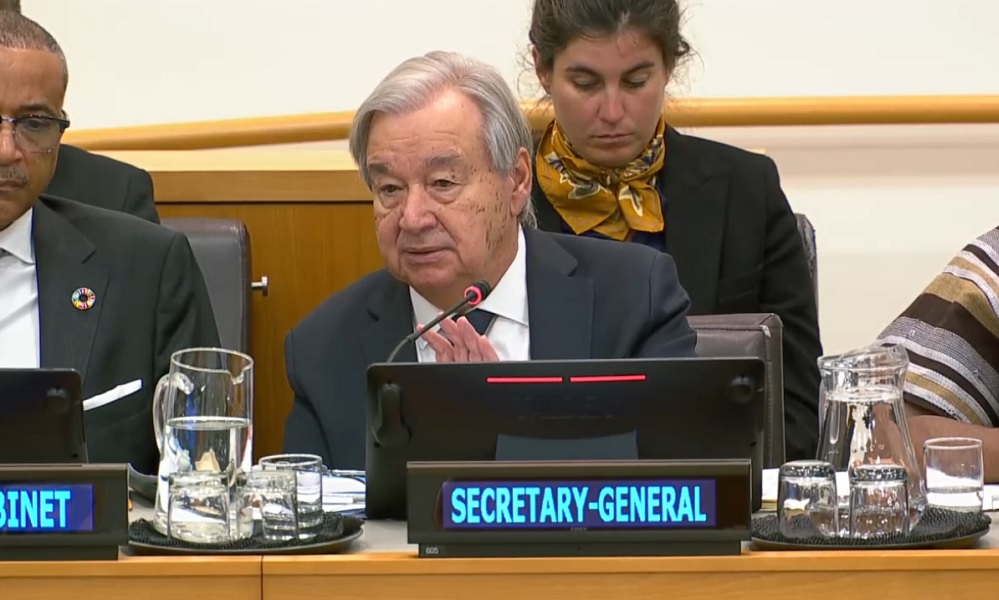
UN Secretary-General António Guterres has proposed reducing 60 posts at the United Nations Assistance Mission in Afghanistan (UNAMA) while allocating an additional $3.2 million to the Independent Investigative Mechanism for Afghanistan under the UN’s proposed 2027 programme budget.
Presenting the proposed budget to the General Assembly’s Fifth Committee, Guterres said the post reductions were part of broader adjustments to the UN’s special political missions and wider efforts to improve efficiency and align resources with the organization’s mandates.
The proposed budget includes a net reduction of seven posts across the relevant budget areas, following 116 post reductions, partly offset by the creation of 84 new posts and the conversion of 25 others. Of the proposed cuts, 60 posts are at UNAMA and 44 at the UN Integrated Office in Haiti.
Guterres also proposed an additional $3.2 million for the Independent Investigative Mechanism for Afghanistan, following its initial establishment phase in 2026.
He said the additional funding would support the mechanism’s operations through further staffing and non-staff resources.
The mechanism is intended to support investigations into serious international crimes committed in Afghanistan, in line with its mandate.
The proposed UN programme budget for 2027 amounts to $3.302 billion, excluding major construction projects in Nairobi and Geneva. Including those projects, the total rises to $3.408 billion, representing a reduction of about 1.2 percent, or $40.8 million, compared with the approved 2026 budget.
Guterres said the budget reflects the UN’s ongoing reform efforts to improve efficiency, strengthen accountability and ensure that resources are directed towards delivering its mandated programmes.
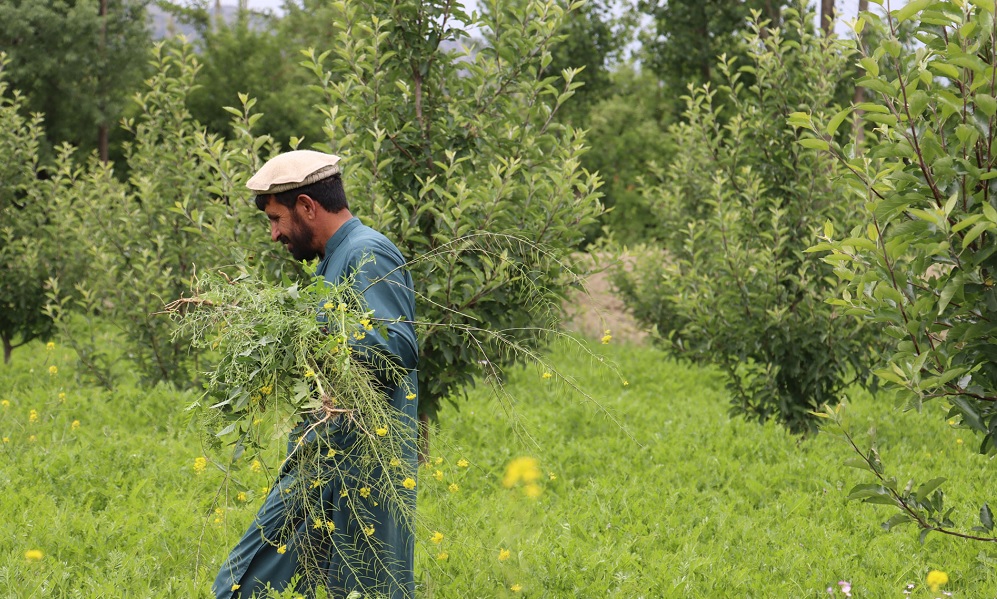
Farmers across Afghanistan are adopting innovative farming methods to conserve water, reduce post-harvest losses and increase household incomes, the Food and Agriculture Organization of the United Nations (FAO) says.
Ahead of World Food Day 2026, observed under the theme “Innovate today. Nourish tomorrow,” the FAO highlighted six initiatives helping communities address agricultural challenges, from water scarcity to food preservation.
In Kunduz, laser land-levelling technology is helping farmers improve irrigation and distribute water and fertilizer more evenly. Since 2025, the FAO has provided irrigation associations with shared access to the equipment and training, benefiting more than 23,000 farming families.
In Faryab, mushroom cultivation is creating income opportunities for women in water-scarce communities. One grower produces up to 40 kilograms a month, earning around 8,000 Afghanis from local sales. FAO-supported training and equipment are helping women expand production and access local markets.
In Paktia, farmers are combining fruit trees with alfalfa cultivation, providing livestock feed while orchards mature. The approach diversifies production, while soil and water conservation practices help protect farmland.
In Takhar, solar dryers are helping women preserve vegetables and fruit for winter consumption and sale. According to the FAO, households using the dryers reduced average post-harvest losses from about 26 percent to seven percent, while around one-quarter sold some of their dried produce.
In Bamyan, solar cookers are reducing reliance on firewood and shrubs, easing pressure on rangelands affected by drought and grazing. The initiative complements community efforts to restore vegetation and rehabilitate degraded land.
In Herat, naturally ventilated raisin-making houses are improving grape preservation and product quality. The FAO reports that drying time has fallen from around 30 days to 15 days, while post-harvest losses have dropped from 40–50 percent to 10–15 percent.
The organization has also supported storage facilities that preserve onions, apples and potatoes without powered refrigeration.
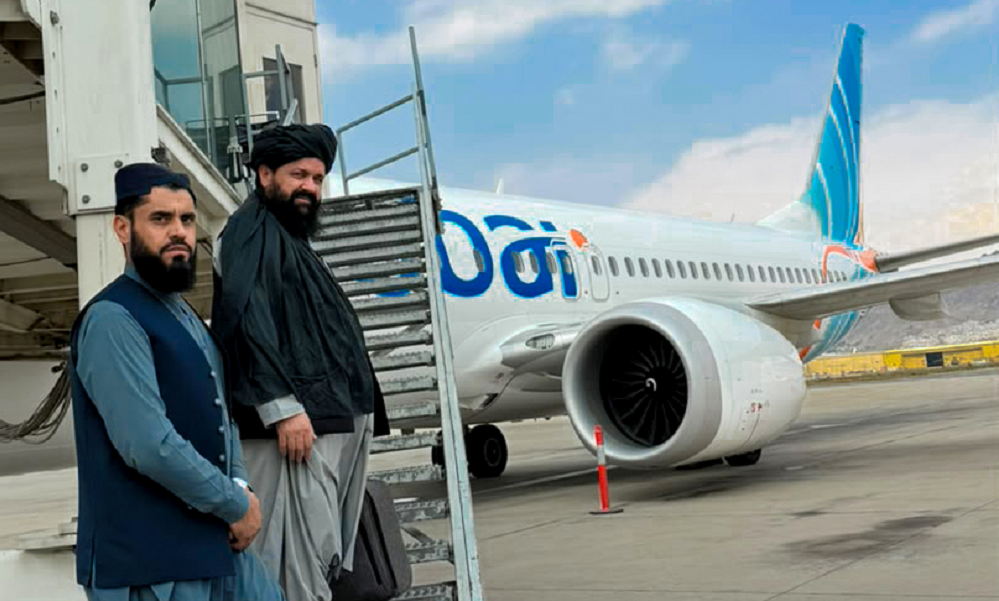
Abdul Karim Fateh, head of the Afghanistan Railway Authority, has travelled to Kazakhstan with a technical delegation to attend the 14th Ministerial Meeting on Transport of the Economic Cooperation Organization (ECO) which will be held in Astana on Thursday.
According to the authority, Fateh is expected to outline the current state of Afghanistan’s railway network, ongoing infrastructure projects and future development plans during the meeting.
He will also hold talks with representatives of ECO member states on expanding trade and transit, strengthening regional transport links and enhancing economic cooperation.
The authority said Afghanistan’s participation in the meeting is expected to help promote joint railway projects, attract investment and strengthen connectivity between Afghanistan and other ECO member states.


Guterres proposes 60 job cuts at UNAMA

Afghan farmers adopt climate-resilient innovations to improve food security

Afghanistan railway chief heads to Kazakhstan for ECO meeting

Saudi Aramco administrative building attacked, limited fire reported

Tahawol: Warnings over worsening insecurity in Pakistan discussed

Cricket Bonanza: Afghanistan set for packed international schedule

New warnings reignite debate over AI threat to humanity

UN warns of mounting humanitarian and human rights pressures in Afghanistan

Afghanistan says 28 killed, 32 captured in Nuristan operation

CNN, MS NOW and Politico sue Trump, challenging White House ban
Tahawol: Warnings over worsening insecurity in Pakistan discussed

Saar: Concerns over potential return of US military bases to Afghanistan discussed

Tahawol: Kabul’s criticism of Islamabad’s policy toward Afghanistan

Saar: Pakistan deploying army in KP

Tahawol: EU appointing new envoy for Afghanistan
-
 Latest News4 days ago
Pakistan issues new directives for Afghan medical students and doctors
-
 Latest News4 days ago
Iranian lawmaker praises Afghanistan’s support, accuses Pakistan of ‘hypocrisy’
-
 Latest News5 days ago
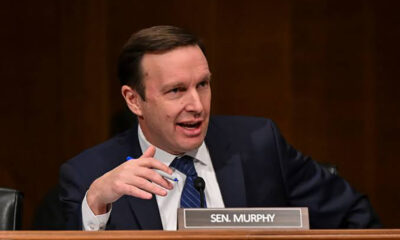
US senator cites Afghanistan visits in Pentagon ‘cover-up’ allegations over Iran war
-
 World5 days ago
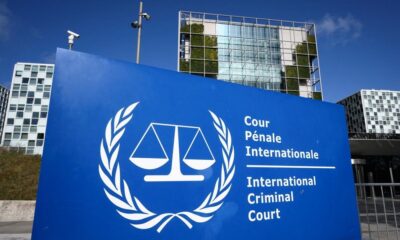
US imposes sanctions on ICC amid dispute over international prosecutions
-
 Regional3 days ago
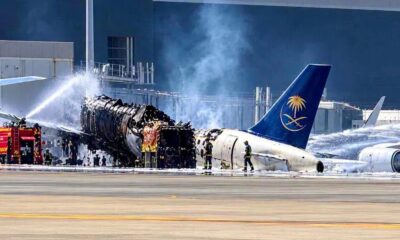
Houthis warn airlines to avoid Saudi airports after deadly Riyadh attack
-
 Sport5 days ago
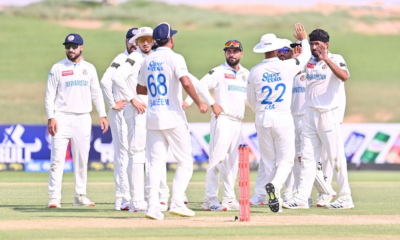
Bangladesh reach 317/8 on Day One against Afghanistan in Test match
-
 Latest News5 days ago
Afghanistan, Iran seek to expand trade and transit through western border crossings
-
 Latest News5 days ago
Kyrgyz President calls for continued regional support for Afghanistan