
Latest News
To reach a peace deal, Taliban say Ghani must go

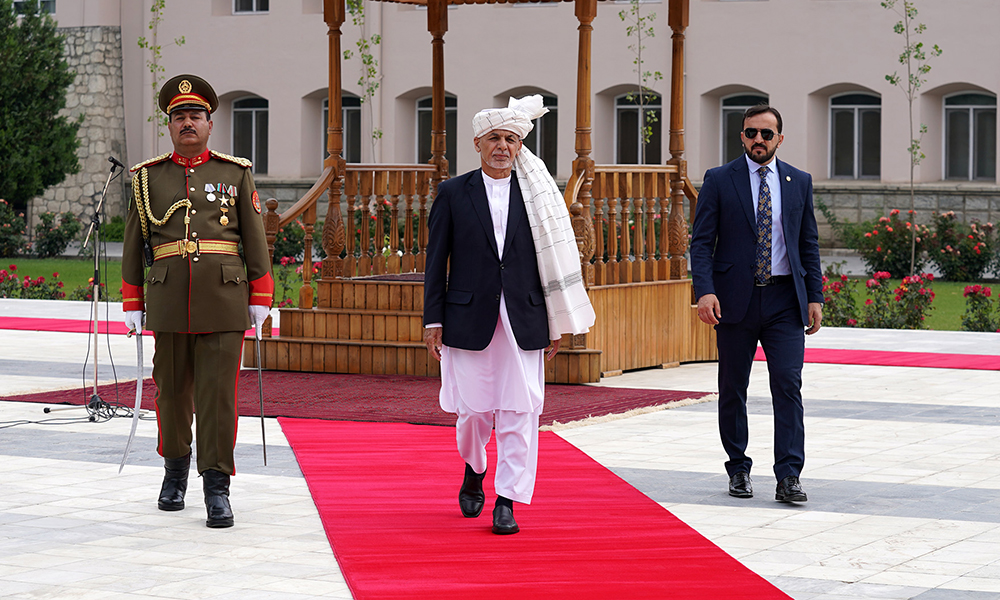
The Taliban say they don’t want to monopolize power, but insist there will only be peace in Afghanistan once President Ashraf Ghani has been removed from power and a new government is in place.
In an interview with The Associated Press, Taliban spokesman Suhail Shaheen, who is also a member of the group’s negotiating team, laid out the insurgents’ stance on what should come next in the country.
The Taliban have swiftly captured territory in recent weeks, seized strategic border crossings and are threatening a number of provincial capitals, as the last U.S. and NATO soldiers leave Afghanistan.
This week, the top U.S. military officer, General Mark Milley, told a Pentagon press conference that the Taliban have “strategic momentum,” and he did not rule out a complete Taliban takeover. But he said it is not inevitable. “I don’t think the end game is yet written,” he said.
Shaheen told AP that the Taliban will lay down their weapons when a negotiated government acceptable to all sides in the conflict is installed in Kabul and Ghani’s government is gone.
“I want to make it clear that we do not believe in the monopoly of power because any governments who (sought) to monopolize power in Afghanistan in the past, were not successful governments,” said Shaheen, apparently including the Taliban’s own five-year rule in that assessment.
“So we do not want to repeat that same formula,” he said.
But he was also uncompromising on the continued rule of Ghani, calling him a war monger and accusing him of using his Tuesday speech on the Islamic Holy day of Eid-al-Adha to promise an offensive against the Taliban, AP reported.
Shaheen dismissed Ghani’s right to govern, resurrecting allegations of widespread fraud that surrounded Ghani’s 2019 election win. After that vote, both Ghani and his rival Abdullah Abdullah declared themselves president. After a compromise deal, Abdullah is now No. 2 in the government and heads the reconciliation council, AP reported.
Shaheen meanwhile called last week’s talks in Doha a good beginning. But he said the government’s repeated demands for a ceasefire while Ghani stayed in power were tantamount to demanding a Taliban surrender.
“They don’t want reconciliation, but they want surrendering,” he said.
Before any ceasefire, there must be an agreement on a new government “acceptable to us and to other Afghans,” he said. Then “there will be no war.”
Shaheen said under this new government, women will be allowed to work, go to school, and participate in politics, but will have to wear the hijab, or headscarf. He said women won’t be required to have a male relative with them to leave their home, and that Taliban commanders in newly occupied districts have orders that universities, schools and markets operate as before, including with the participation of women and girls, AP reported.
Shaheen said there are no plans to make a military push on Kabul and that the Taliban have so far “restrained” themselves from taking provincial capitals. But he warned they could, given the weapons and equipment they have acquired in newly captured districts, AP reported. He contended that the majority of the Taliban’s battlefield successes came through negotiations, not fighting.
“Those districts which have fallen to us and the military forces who have joined us … were through mediation of the people, through talks,” he said. “They (did not fall) through fighting … it would have been very hard for us to take 194 districts in just eight weeks.”
AP reported that the Taliban control about half of Afghanistan’s 419 district centers, and while they have yet to capture any of the 34 provincial capitals
On the issue of a possible civil war, Shaheen told AP: “You know, no one no one wants a civil war, including me.”
Shaheen also repeated Taliban promises aimed at reassuring Afghans who fear the group and said they had nothing to fear from the Taliban and denied threatening them.
But, he added, if some want to take asylum in the West because Afghanistan’s economy is so poor, “that is up to them.”
He also denied that the Taliban have threatened journalists and Afghanistan’s civil society, which has been targeted by dozens of killings over the past year, AP reported.
While Daesh has taken responsibility for some attacks, the Afghan government has blamed the Taliban for most of the killings while the Taliban in turn accuse the Afghan government of carrying out the killings to defame them.
Shaheen said journalists, including those working for Western media outlets, have nothing to fear from a government that includes the Taliban.
“We have not issued letters to journalists (threatening them), especially to those who are working for foreign media outlets. They can continue their work even in the future,” he said.

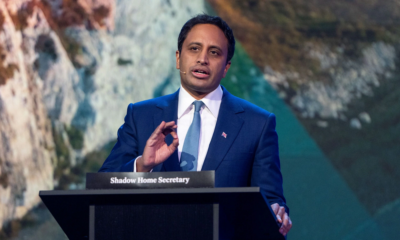


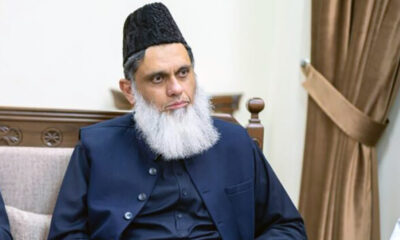



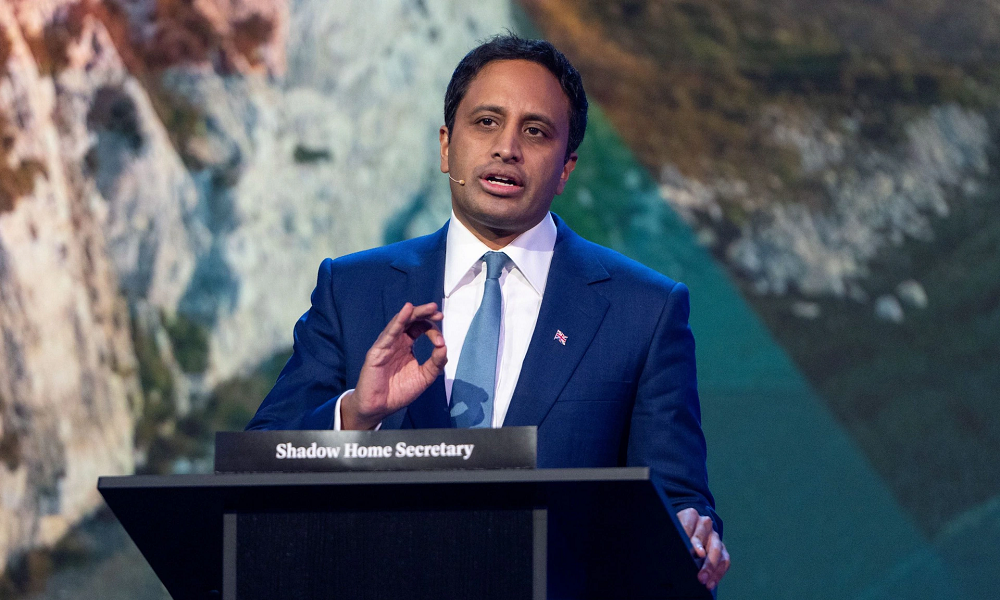
The British political party Reform UK, led by Nigel Farage, is set to impose a blanket visa ban on Afghanistan and five other countries — including Pakistan — as part of its proposed crackdown on illegal migration and states refusing to accept deported nationals.
In a speech set for Monday, the party’s newly appointed “shadow” home secretary, Zia Yusuf, will outline plans to halt all visas for diplomats, students, workers, VIPs and tourists from Pakistan, Somalia, Eritrea, Syria, Afghanistan and Sudan. Reform says these governments fail to cooperate in accepting back deported migrants and convicted criminals.
Pakistan received more than 160,000 UK visas last year, making it one of the biggest visa recipients. However, British officials say Islamabad accepts back only a small fraction of rejected asylum seekers and has resisted pressure to take back individuals convicted in high-profile criminal cases.
The move – which mirrors US President Donald Trump’s visa ban on 75 countries – would be a key element in Reform’s strategy to deport up to 288,000 illegal migrants from the UK on five charter flights a day.
On legal migration, Yusuf will say a Reform government would terminate all welfare payments to foreign nationals, including the 1.3 million currently receiving UC, up from around 900,000 in 2022.
Yusuf is expected to say that years of weak immigration enforcement have undermined public trust and that a Reform government would secure Britain’s borders and make people feel safe.
Latest News
Ex-US envoy Khalilzad condemns Pakistan air attacks on Afghanistan
He described the situation as a tragedy for both Pakistan and its neighbors, urging the Pakistani leadership to reconsider its policies and change course.
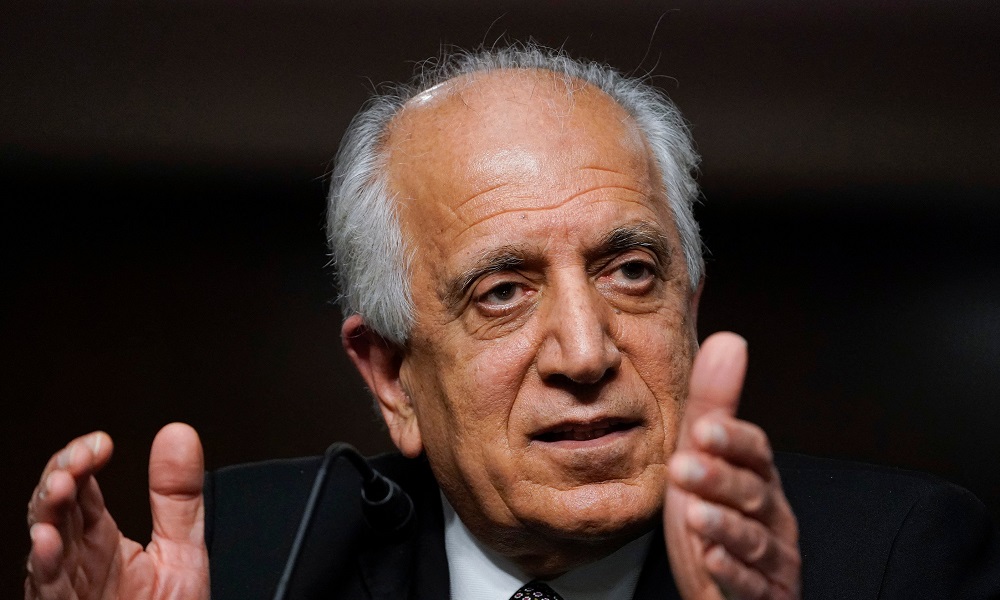
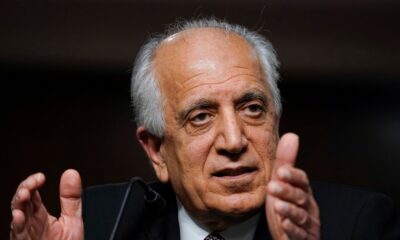
Former U.S. Special Envoy for Afghanistan, Zalmay Khalilzad, has strongly condemned Sunday’s airstrikes by Pakistan on Afghanistan. He stated that these attacks killed and wounded numerous innocent women, children, and elderly.
Khalilzad pointed to Pakistan’s long history of misgovernance, interference in minority rights, manipulation of democratic processes, and repeated military takeovers as the root causes.
He described the situation as a tragedy for both Pakistan and its neighbors, urging the Pakistani leadership to reconsider its policies and change course.
Latest News
Japan contributes $2.08 million to World Bank Trust Fund for Afghanistan
Japan has remained one of the major donors to Afghanistan’s humanitarian and development efforts.
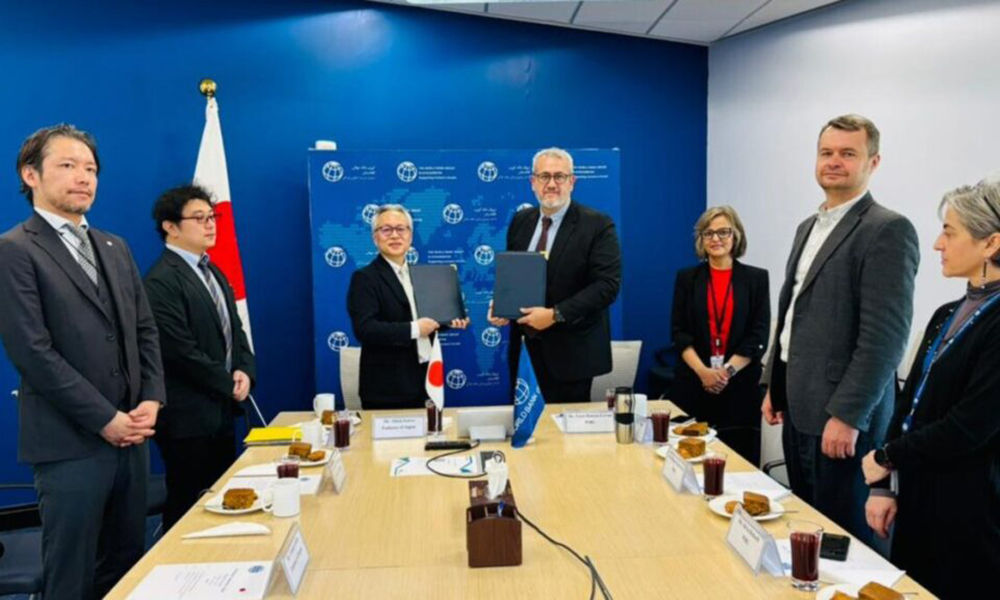
Japan has signed a $2.08 million contribution agreement with the World Bank to support humanitarian and livelihood programs in Afghanistan, its diplomatic mission in Kabul said on Sunday.
The funding will be channeled through the Afghanistan Reconstruction Trust Fund (ARTF), a multi-donor trust fund administered by the World Bank that finances essential services and development programs in the country.
In a statement, Japan said the contribution is intended to support people in need and promote livelihoods among vulnerable Afghans, including women and young people.
“Japan stands with the Afghan people,” the statement said.
Japan has remained one of the major donors to Afghanistan’s humanitarian and development efforts.


UK’s Reform party pledges visa ban affecting Afghanistan and five other states

Iran and U.S. to meet on Thursday for talks

Ex-US envoy Khalilzad condemns Pakistan air attacks on Afghanistan

Tahawol: Repeat crimes by Pakistani military in Afghanistan discussed

Saar: Pakistani military regime’s airstrikes on Afghanistan

AFC Futsal Asian Cup 2026: Day One Review

IEA releases three Pakistani soldiers to mark Ramadan

AFC Futsal Asian Cup: Afghanistan to face Iran in crucial Group D clash

Afghanistan’s Chief of Armed Forces underscores readiness and equipment for national defense

Afghanistan welcomes investment and technology partnerships with India
Tahawol: Repeat crimes by Pakistani military in Afghanistan discussed
Saar: Pakistani military regime’s airstrikes on Afghanistan

Tahawol: US military review for attack against Iran discussed

Saar: Afghanistan’s expanding ties with Central Asia discussed

Tawsia: Calls for implementing development and infrastructure projects
-
 Latest News5 days ago
Afghanistan’s Chief of Armed Forces underscores readiness and equipment for national defense
-
 Latest News4 days ago
Afghanistan welcomes investment and technology partnerships with India
-

 Sport4 days ago
Afghan Peaks founder climbs Aconcagua to promote Afghanistan’s mountain potential
-

 Latest News3 days ago
Indian customs seize Chinese walnuts falsely declared as Afghan
-

 Business4 days ago
Pakistan allows re-export of stranded Afghan transit cargo
-
 Latest News3 days ago
Pakistan’s Punjab to send home 20 more Afghans in repatriation drive
-

 Latest News4 days ago
Pakistan signals possible air strikes as Kabul releases Pakistani soldiers in goodwill move
-
 Business5 days ago
Afghanistan’s 2026 Development Framework meeting highlights self-reliance and economic stability