
Latest News
Turkey, Pakistan and Iran consulates close doors in Balkh

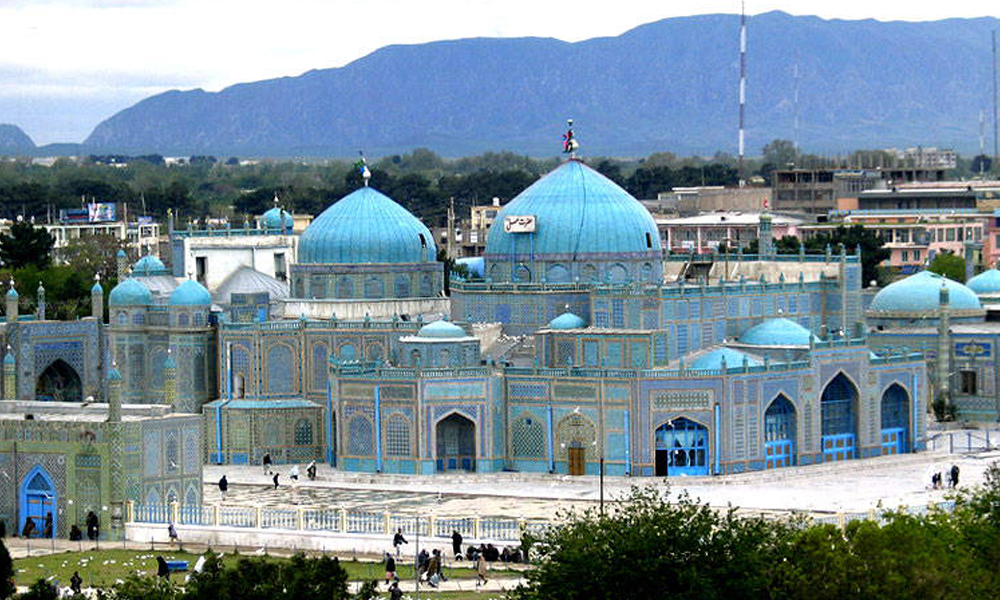
Consulate offices of Turkey, Pakistan and Iran have closed in Mazar-e-Sharif amid a deteriorating security situation in Balkh, local officials confirmed.
Officials said visas are no long being issued by these consulates and that the diplomats have been relocated to Kabul.
This comes as fighting in the province escalated substantially, resulting in the fall of a number of districts to the Taliban.
Balkh officials said that they reassured the consulates that they would ensure security and protection but that the consulates closed their doors instead.
Meanwhile, sources told Ariana News that Kazakhstan, Tajikistan and Uzbekistan are now limiting the number of visas to Afghans.
Some politicians in Balkh have meanwhile established a new mobilization council in the province to protect the city of Mazar.
This council, which consists of officials and representatives of the parties, elected Atta Mohammad Noor as the chairman of the council.
Noor said the People’s Mobilization Forces were obliged to defend the city of Mazar-e-Sharif against Taliban attacks and to take part in offensive operations to retake lost territory.

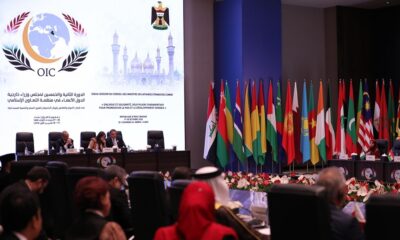



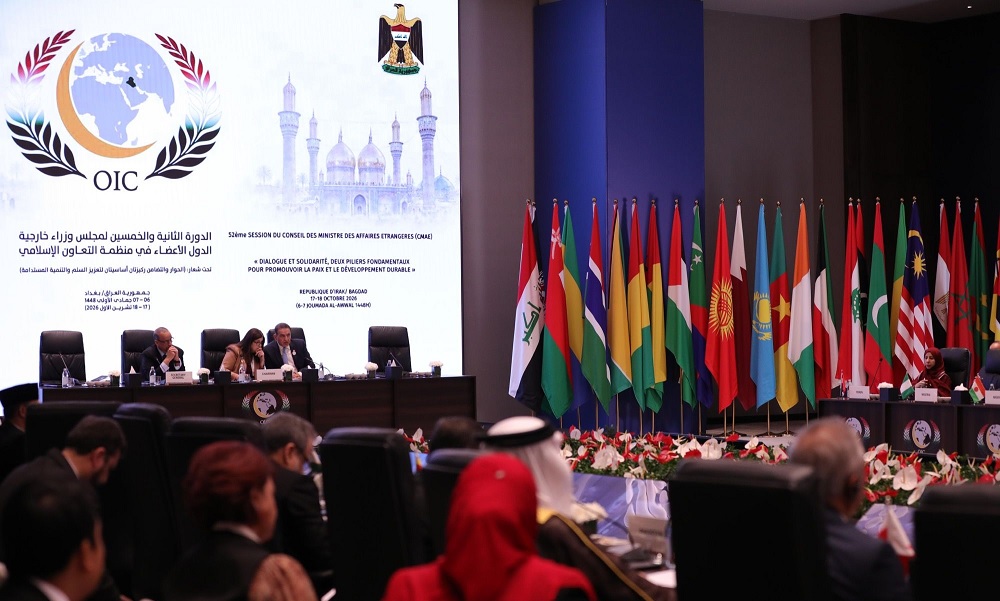
“In Afghanistan, we will continue dialogue with the de facto authorities on the rights of women and girls to education and work, based on Islamic values, and support the humanitarian and economic needs of the Afghan people,” he said addressing the OIC Council of Foreign Ministers in Baghdad, Iraq.
At the meeting, Turkish Foreign Minister Hakan Fidan also said the situation in Afghanistan, Sudan and Somalia was challenging and should be at the top of the meeting’s agenda.
Latest News
Mullah Baradar urges UNAMA not to overlook Afghanistan’s economic and security achievements
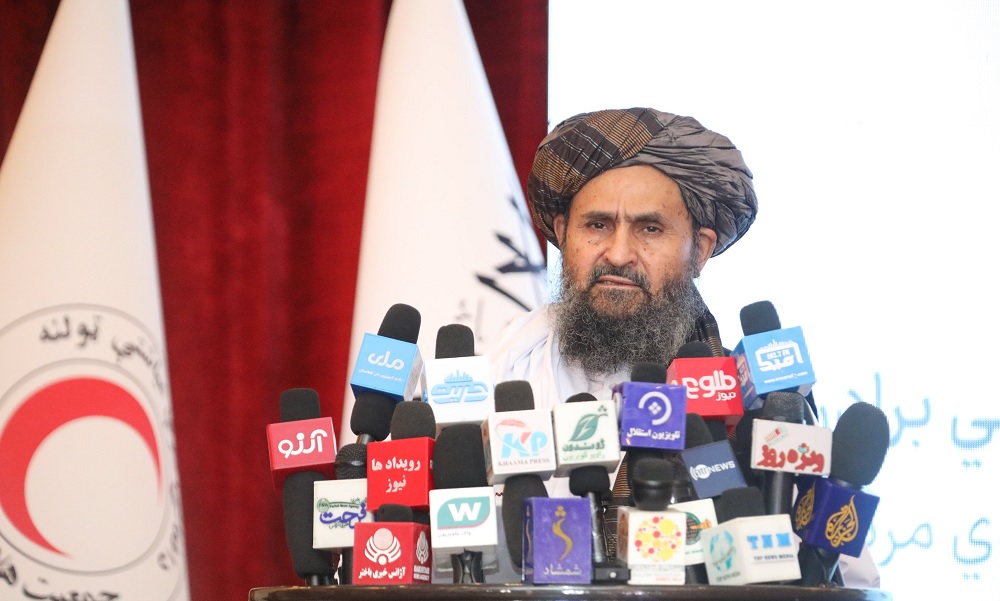
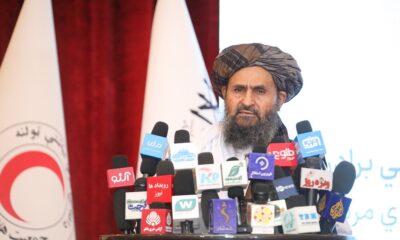
Mullah Abdul Ghani Baradar, the Islamic Emirate of Afghanistan’s Deputy Prime Minister for Economic Affairs, has urged the United Nations Assistance Mission in Afghanistan (UNAMA) to publish its reports on Afghanistan impartially, taking the country’s realities into account and not overlooking its economic and security achievements.
He made the remarks on Sunday at a ceremony organised by the Afghan Red Crescent Society to mark the special week dedicated to supporting people in need.
Baradar said: “It is not fair for Afghanistan’s economic and security achievements to be ignored in reports, while UNAMA, as an opposing and hostile party, focuses on the negative aspects.”
The deputy prime minister for economic affairs said many Afghans were facing a severe economic and humanitarian crisis due to recent droughts, seasonal floods, earthquakes and the forced return of thousands of families to the country. He said addressing these challenges required serious attention.
He called on wealthy individuals, traders, investors, charitable organisations and international humanitarian agencies to provide practical assistance and cooperate with the Afghan Red Crescent Society.
Meanwhile, Noorulhaq Anwar, head of the General Directorate of Administrative Affairs, called on Afghanistan’s neighbouring countries to stop harassing and suppressing Afghans and depriving them of economic opportunities.
Referring to relations between neighbours, Anwar said neighbours should help reduce one another’s difficulties rather than make people’s lives harder through economic pressure.
Without naming any specific country, Anwar added that Afghanistan’s neighbours were still harassing and suppressing Afghans and depriving them economically.
Latest News
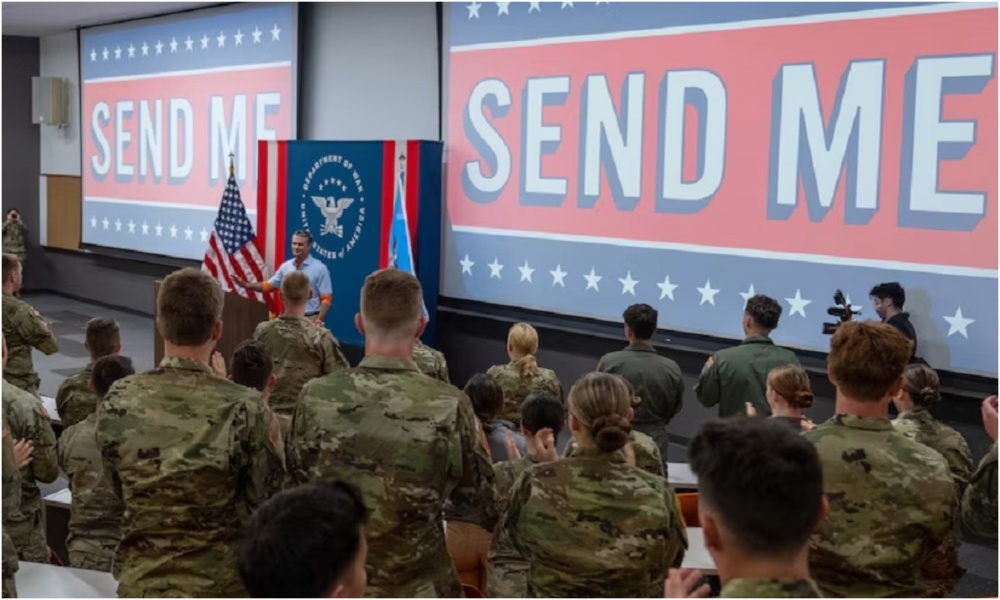
Hegseth says only a few NATO allies were involved in fighting in Afghanistan
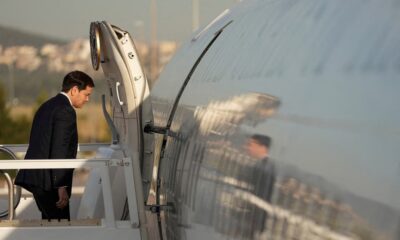
Recalling his deployment to Afghanistan, Hegseth said he would visit NATO headquarters in Kabul, where the flags of around 50 countries were displayed.


Rubio heads to Central Asia while other US officials hit foreign policy hot spots

OIC chief says it will continue dialogue with IEA on women and girls’ rights

Mullah Baradar urges UNAMA not to overlook Afghanistan’s economic and security achievements

Uzbekistan, UNICEF discuss pharmaceutical supplies to Afghanistan

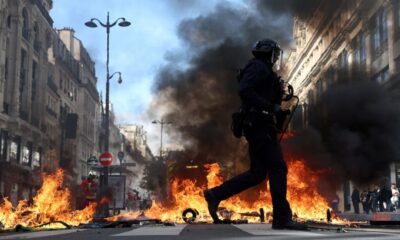
France rocked by nationwide clashes, looting and fires

Cricket Bonanza: Afghanistan set for packed international schedule

Afghanistan says 28 killed, 32 captured in Nuristan operation

Silk Road highway in Wakhan corridor now reaches the China border

CNN, MS NOW and Politico sue Trump, challenging White House ban

Dogharoun handles 60% of Iran’s exports to Afghanistan
France rocked by nationwide clashes, looting and fires

Tahawol: Russian economic delegation’s visit to Kabul

Saar: Discussion on harsh criticism of Pakistan at Moscow meeting

Tawsia: Efforts to increase energy production capacity in Afghanistan

Saar: Review of state officials’ visits to Kabul over past month discussed
-

 Sport4 days ago
Afghan futsal coach: Brazil tournament is first step towards new goals and World Cup
-
 Latest News4 days ago
Afghan official says Durand Line crossings to remain closed until Islamabad accepts demands
-
 Latest News3 days ago
India, Russia hold security talks on Afghanistan and Pakistan amid regional tensions
-
 Sport5 days ago
Afghanistan hold Bangladesh to dramatic draw in Abu Dhabi Test
-
 Latest News4 days ago
Afghan farmers adopt climate-resilient innovations to improve food security
-
 Latest News4 days ago
Guterres proposes 60 job cuts at UNAMA
-
 Latest News3 days ago
Uzbekistan gains ground in Afghanistan’s flour market as Kazakhstan loses exports
-
 Regional4 days ago
Saudi Aramco administrative building attacked, limited fire reported