
Latest News
Thank you, we have enough manpower, Mujahid tells Pakistan

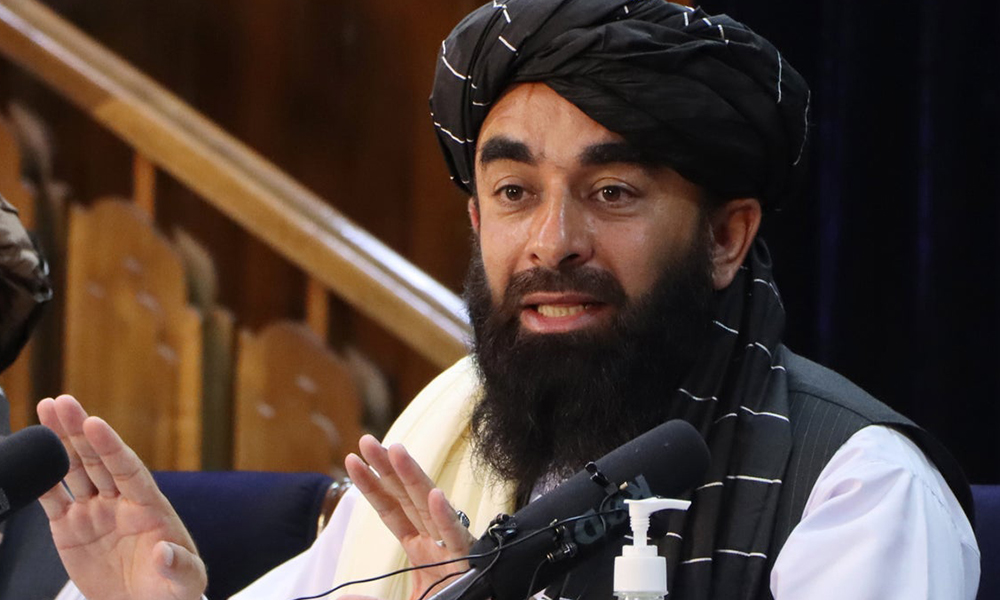
Zabihullah Mujahid, a spokesman for the Islamic Emirate of Afghanistan (IEA) has politely turned down Pakistan’s offer to send manpower to Afghanistan, stating there are enough educated young people in the country.
In an audiotaped interview with the BBC on Saturday, Mujahid thanked Pakistan but said the IEA did not need outside labor.
“There are enough educated young people to work in the ministries and there is no need for outside manpower,” said Mujahid in the audiotape, which was released by Mohammad Naeem, the spokesman for the IEA’s political office in Qatar.
“You know that countries can ask for manpower from abroad if they need to, but Afghanistan is rich in educated people,” he said.
However, Mujahid pointed out that they would accept cooperation in the economic, trade and financial sectors. He also said that there are some banking problems in Afghanistan and that these areas need help.
This comes after Pakistan Prime Minister Imran Khan on Friday told senior officials at the 3rd Apex Committee meeting on Afghanistan to stave off a crisis in their neighboring country by exporting qualified and trained manpower to Afghanistan, especially in medical, IT, finance and accounting.
Mujahid meanwhile said in the audiotape that Imran Khan has not been the only leader to offer this and that a number of other countries have also offered to send in manpower.
Khan’s remarks sparked widespread reaction. Former Afghan president Hamid Karzai also commented, on his Facebook page, and while praising Pakistan for the offer said there was no need for foreign manpower to be sent into the country.






International Sports
IPL 2026: Rajasthan vs Mumbai clash abandoned due to rain
The game was shaping into an intriguing contest, with Rajasthan putting up a strong total in a reduced 11-over match before Mumbai began their chase. However, persistent rain interruptions prevented a result
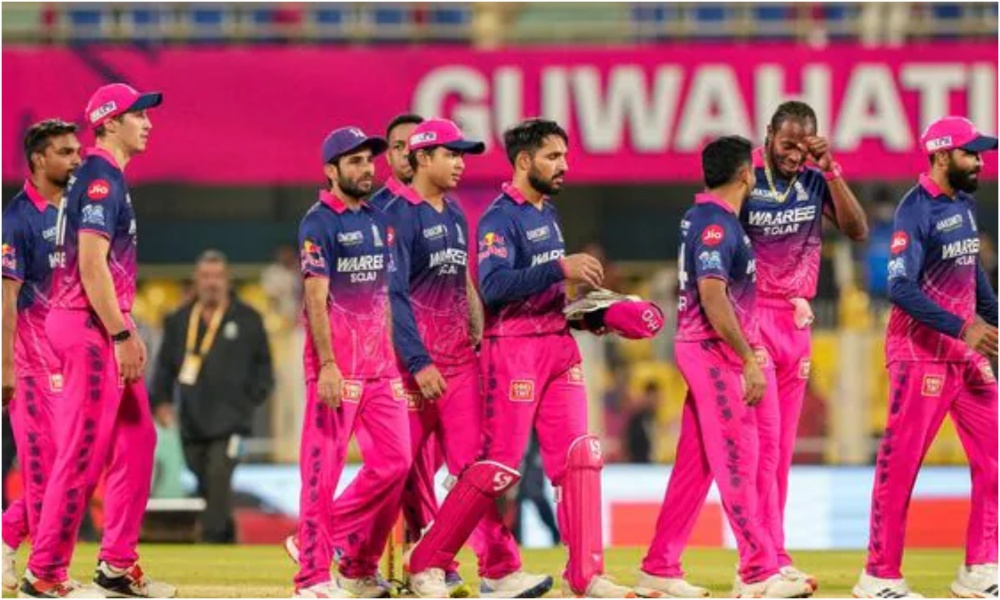
Tuesday’s Indian Premier League (IPL) clash between Rajasthan Royals and Mumbai Indians ended in frustration after rain forced the match to be called off in Jaipur.
The game was shaping into an intriguing contest, with Rajasthan putting up a strong total in a reduced 11-over match before Mumbai began their chase. However, persistent rain interruptions prevented a result, leaving both teams to share the points.
Rajasthan’s top order looked in control during their innings, capitalizing on the shortened format to post an aggressive score. Mumbai, in response, struggled to build momentum before the weather intervened, ultimately denying fans a full contest.
The result adds a point apiece to both sides but leaves questions around momentum as the tournament begins to intensify.
Match Preview: Wednesday, April 8
Attention now turns to Wednesday’s fixture, where Delhi Capitals take on Gujarat Titans in what promises to be a competitive encounter.
Delhi will be aiming to strengthen their position with a solid all-round performance, while Gujarat, known for their balanced squad, will look to maintain consistency and climb the standings. Key battles between top-order batters and pace attacks are expected to shape the outcome.
Fans in Afghanistan can watch all the IPL action live, with Ariana Television (ATN) holding exclusive broadcasting rights. Viewers are encouraged to follow Ariana Television and Ariana News on social media for the latest updates, match schedules, and breaking coverage throughout the tournament.
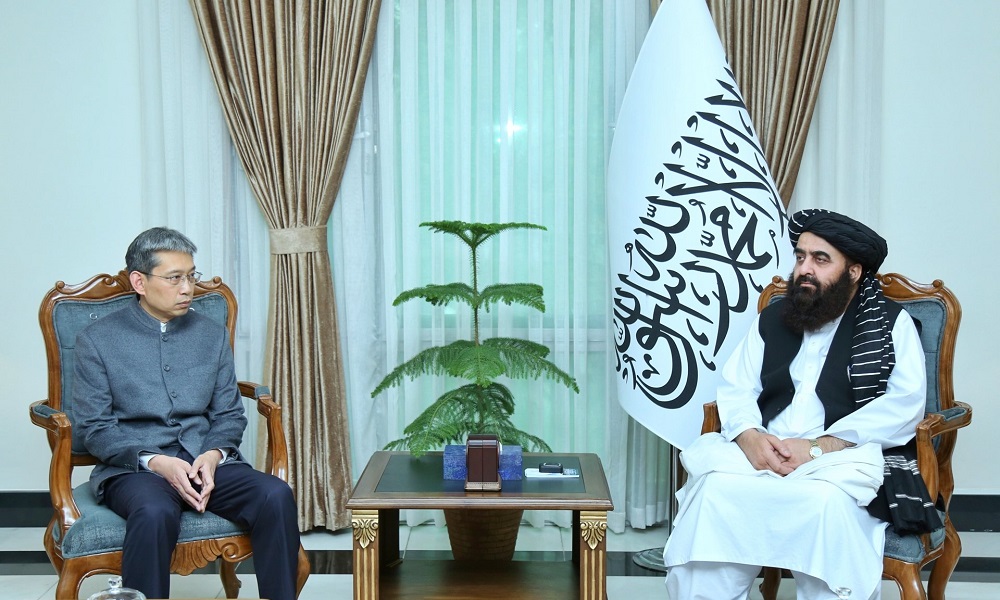
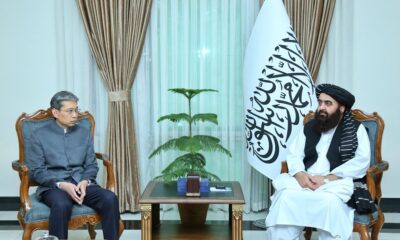
Zhao Xing, China’s ambassador to Kabul, told Amir Khan Muttaqi, Afghanistan’s foreign minister, that his country is working to create an atmosphere of trust between Afghanistan and Pakistan and has initiated talks with neutrality and cooperation.
According to a statement from the Ministry of Foreign Affairs of the Islamic Emirate, the meeting focused on bilateral cooperation, regional developments, and the ongoing dialogue process between Afghanistan and Pakistan, which took place in the city of Urumqi, China.
During the meeting, Zhao added that he hopes, given an understanding of the regional geopolitical situation, that the process of confidence-building, goodwill, and tension-free relations between Afghanistan and Pakistan will continue.
Muttaqi, while positively assessing the bilateral relations and existing cooperation between the two countries, expressed gratitude to his Chinese counterpart and their team for facilitating and hosting the Urumqi talks, as well as to Saudi Arabia, Turkey, Qatar, and the United Arab Emirates for their mediating efforts.
Muttaqi stated that so far there have been good discussions between Kabul and Islamabad and expressed hope that minor differences in interpretation do not hinder the progress of the negotiations.
The foreign minister emphasized that the Islamic Emirate of Afghanistan’s stance regarding tensions has been defensive, considering the protection of its territory a legitimate right, and remains committed to continued understanding and dialogue based on mutual respect and comprehension.
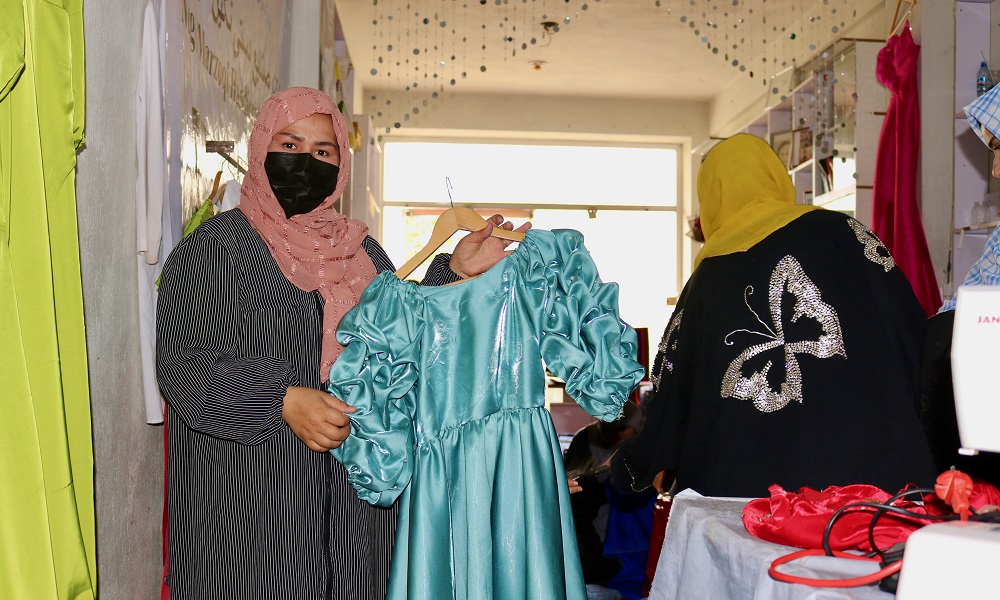
The Government of Japan, in partnership with the United Nations Development Programme, has launched a new $2.35 million initiative aimed at supporting vulnerable communities in Afghanistan facing economic hardship, climate shocks, and the aftermath of the country’s collapsing poppy economy.
The project, titled “Resilient Income Solutions Empowering Alternative Livelihoods (RISE)”, will run from March 2026 to March 2027 and target some of the country’s most affected regions, including Balkh Province and Nimroz province.
Funded by the Japan, the initiative seeks to help vulnerable Afghans, particularly women and women-led households, transition to sustainable sources of income.
The program will invest in productive infrastructure such as irrigation systems, water management facilities, and market-supporting assets, while also strengthening local value chains and supporting women-led businesses.
The project comes at a critical time, as Afghanistan faces overlapping challenges, including food insecurity, large-scale returnee movements, and limited economic opportunities. By promoting alternative livelihoods, the initiative aims to reduce reliance on illicit economies and help stabilize high-risk communities.
Japanese Ambassador to Afghanistan, Kenichi Masamoto, reaffirmed Japan’s commitment to the country’s recovery. “This project will build upon our previous support to continue providing much-needed sustainable livelihood opportunities, especially for women and vulnerable communities,” he said.
Meanwhile, Stephen Rodriques, Resident Representative of UNDP in Afghanistan, highlighted the urgency of such efforts. He described the initiative as part of a long-standing partnership between Japan and UNDP, adding that it “offers hope to vulnerable communities most affected by ongoing economic, social, and environmental crises.”
In addition to infrastructure and economic support, the RISE project will promote social cohesion by bringing together host communities and returnees through shared economic activities.
The initiative builds on UNDP’s earlier programs under the Area-Based Approach to Development Emergency Initiatives (ABADEI) and aligns with broader UN strategies for Afghanistan, with a focus on inclusive recovery and long-term stability.


Iran agrees to temporary ceasefire as US pauses attacks

IPL 2026: Rajasthan vs Mumbai clash abandoned due to rain

Tahawol: Ongoing negotiations between Kabul-Islamabad discussed

Saar: Afghanistan in spotlight of SCO discussed

China seeking to build trust between Afghanistan and Pakistan

IEA Supreme Leader issues Eid-ul-Fitr message urging unity and support for Islamic system

14 Pakistani soldiers killed after military post falls along Durand line: MoD

IEA supreme leader orders replacement of foreign terminology in official documents

Afghan airstrikes target Pakistani military sites in retaliation for air attacks

Turkmenistan, Afghanistan discuss steps to speed up land acquisition for TAPI pipeline
Tahawol: Ongoing negotiations between Kabul-Islamabad discussed
Saar: Afghanistan in spotlight of SCO discussed

Tahawol: Continuation of Middle East crisis discussed

Saar: Ongoing Kabul-Islamabad talks in China discussed

Tawsia: This week’s key economic developments in Afghanistan discussed
-
 Latest News3 days ago
IEA supreme leader orders replacement of foreign terminology in official documents
-
 Latest News3 days ago
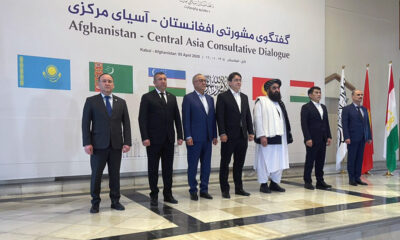
Afghanistan hosts inaugural Afghanistan–Central Asia Consultative Dialogue to strengthen regional cooperation
-

 Business5 days ago
Tripartite agreement to launch new Russia–Turkmenistan–Afghanistan transit corridor
-
 Latest News5 days ago
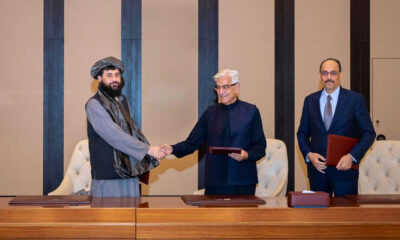
China says Afghanistan–Pakistan peace talks show progress
-

 Business4 days ago
Kazakhstan eyes rare metals mining projects in Afghanistan and Rwanda
-
 Regional5 days ago
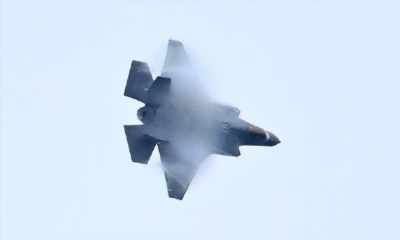
Iran claims it shot down US F-35 jet
-

 World5 days ago
US Army chief of staff fired by Hegseth, sources say
-
 Latest News5 days ago
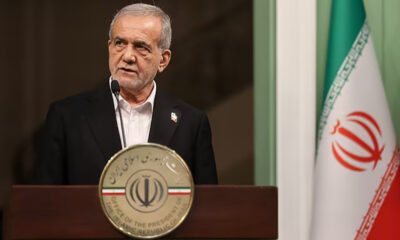
Afghan doctors urged to support Iranian health institutions amid US and Israeli attacks