
Latest News
Taliban state they ‘are not ready’ for the Istanbul Conference


The Taliban’s spokesman Mohammad Naeem said on Monday the group is not ready to participate at the Istanbul Conference scheduled to start on April 16.
Naeem told Ariana News that if a later date is set, the group will hold discussions on whether to attend and will then “share the details of our decisions.”
Meanwhile, the Afghan government and the High Council for National Reconciliation (HCNR) are working to finalize the list of Turkey conference participants that will represent the Republic.
Sources said that 19 people – including politicians, government officials, and representatives of Afghan women – are expected to attend the conference.
According to the source, Chairman of the HCNR Abdullah Abdullah, Former President Hamid Karzai, Former Mujahidin leader Abdul Rasul Sayyaf, Marshal Abdul Rashid Dostum, Foreign Minister Mohammad Haneef Atmar, Jamiat-e-Islami Leader Salahuddin Rabbani, Former Vice President Mohammad Karim Khalili, Former Vice President Yunus Qanuni, Former Balkh Governor Atta Mohammad Noor, NSA Hamdullah Mohib, Sayeed Hamid Gailani, President’s Advisor for Political and Security Affairs Mohammad Mohaqiq, Chief Negotiator Masoom Stanekzai, Salam Rahimi, Deputy HCNR Hajji Din Mohammad, Habiba Sarabi, Fawzia Koofi, Fatima Gailani, and Hizb-e-Islami Leader Gulbuddin Hekmatyar are expected to attend the Istanbul Conference from the Islamic Republic side.
The HCNR, however, said this list is not finalized, adding “changes could be made in the list. Most of the participants are leading politicians.”
This comes as the US, UN, Turkey, and Qatar have handed over guiding principles for the Istanbul Summit to the Afghan government and the Taliban.
A document seen by Ariana News shows that there are nine guiding principles that could help the negotiating parties reach an agreement on some key points ahead of the Istanbul conference.
The principles include:
1- A permanent and comprehensive ceasefire is needed for the country
2- Conducting joint work for the restoration of peace without mutual accusation
3- Political partnership under Islamic principles
4- Formation of an inclusive and accountable participatory government
5- Future political arrangements need to reflect the diversity of Afghan society by way of providing equal rights for all citizens and without discrimination
6- Protecting and supporting human rights in Afghanistan
7- Future government will implement a balanced socio-economic development program to cope with poverty in Afghanistan
8- Afghanistan will maintain friendly relations with its neighbors, the region, and the international community
9- The two parties have to engage in peaceful negotiations in order to implement these principles






International Sports
IPL 2026: Gujarat Titans edge Delhi Capitals in last-ball thriller
The result adds important points for Gujarat as the competition intensifies, while Delhi will look to bounce back after falling just short in one of the closest matches of the season so far.

The Indian Premier League (IPL) delivered another dramatic contest on Wednesday, April 8, as Gujarat Titans narrowly defeated Delhi Capitals in a high-scoring encounter in Delhi.
In a match that went down to the final ball, Gujarat held their nerve to secure a thrilling one-run victory. The game featured standout batting performances, including a commanding innings from Delhi’s top order, while Gujarat’s bowlers, led by Rashid Khan, produced crucial breakthroughs at key moments to seal the win.
The result adds important points for Gujarat as the competition intensifies, while Delhi will look to bounce back after falling just short in one of the closest matches of the season so far.
Attention now turns to Thursday’s clash between Kolkata Knight Riders and Lucknow Super Giants.
Kolkata will be aiming to build momentum with a strong all-round performance, while Lucknow will look to capitalise on their balanced squad and secure a key win in the early stages of the tournament. With both teams boasting explosive batting line-ups and quality bowling attacks, fans can expect another competitive and entertaining contest.
Broadcast Information
Cricket fans in Afghanistan can watch all the action live, as Ariana Radio and Television Network (ATN) holds exclusive rights to broadcast the IPL matches.
Games are being aired nationwide on Ariana Television, bringing the excitement of the tournament directly to viewers at home.
Latest News
US explores third-country resettlement for stranded Afghan allies in Qatar
U.S. lawmakers have also urged action. Jeanne Shaheen said Washington has a responsibility toward these individuals, warning that they could face serious risks if forced to return home.
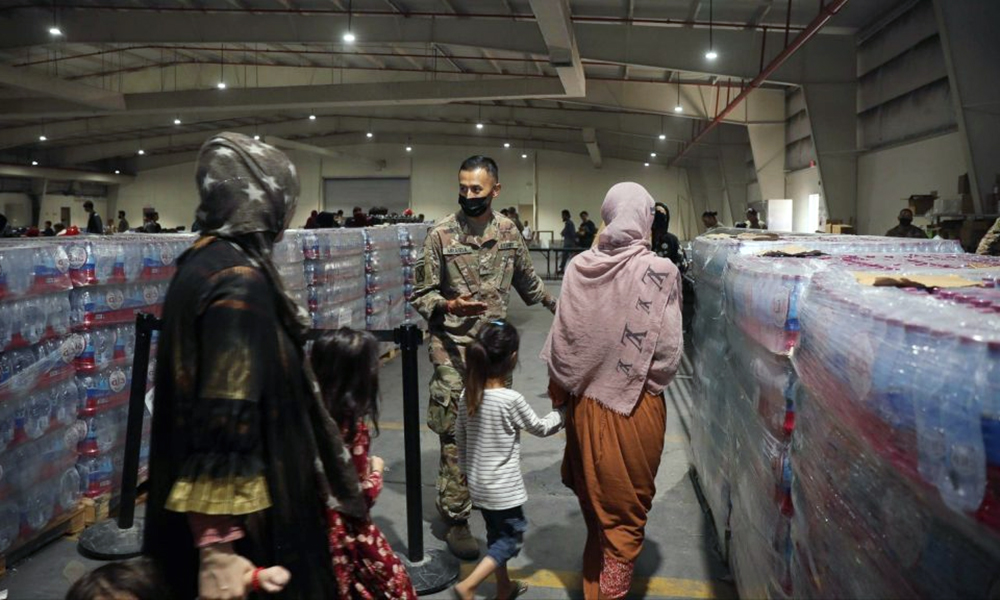
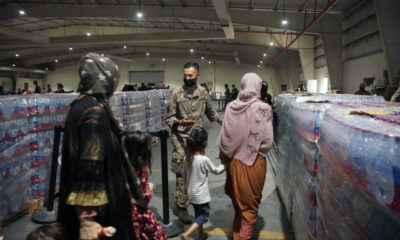
More than 1,100 Afghans who previously worked with U.S. forces remain stranded in Qatar, as Washington seeks alternative countries to resettle them following delays in relocation programmes.
The group is currently housed at Camp As Sayliyah, a former U.S. military facility in Qatar, where they have been awaiting visa processing and relocation decisions for months.
A report by The Wall Street Journal said U.S. officials are now in discussions with several countries in sub-Saharan Africa and Southeast Asia to take in the Afghanistan nationals. The efforts come after a March 31 deadline to close the facility passed without a clear resolution.
The camp reportedly costs more than $10 million per month to operate, and Qatari authorities have urged the United States to move forward with resettlement plans and shut down the site.
Conditions at the facility have become increasingly difficult, with morale among residents declining as uncertainty over their future grows. Many of those staying at the camp say they fear returning to Afghanistan due to potential reprisals.
Advocacy groups have raised concerns about the prolonged delays. Shawn VanDiver, head of Afghan Evac, said many of the individuals feel stuck in limbo after deadlines passed without clear communication, describing the situation as deeply frustrating for those affected.
U.S. lawmakers have also urged action. Jeanne Shaheen said Washington has a responsibility toward these individuals, warning that they could face serious risks if forced to return home.
Meanwhile, the US State Department has pointed to earlier policy decisions as contributing to the current situation, citing challenges stemming from the withdrawal from Afghanistan.
The situation highlights ongoing difficulties in resettling Afghan allies years after the end of the U.S. military presence, as thousands remain in temporary locations awaiting permanent relocation.
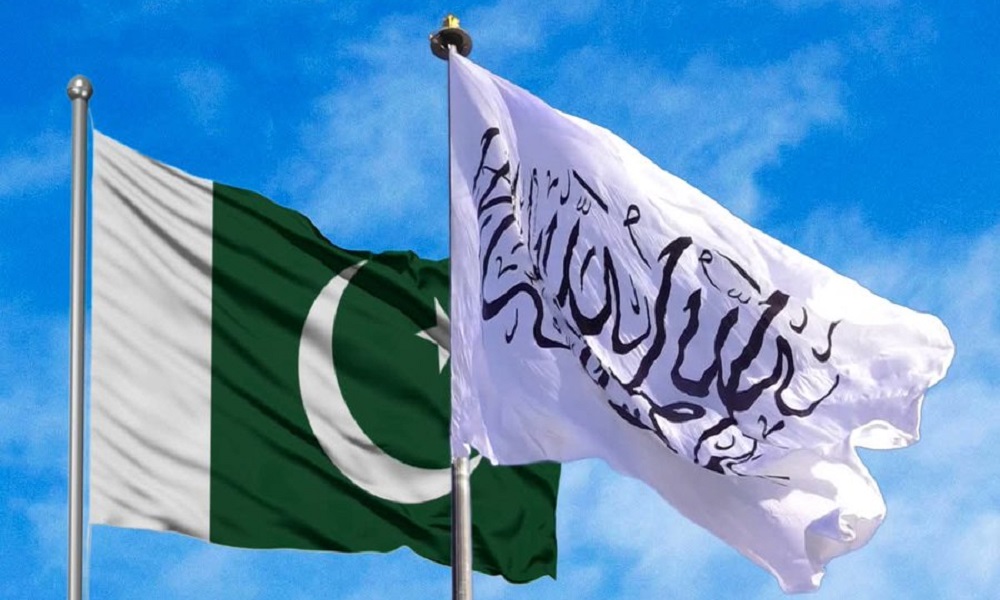
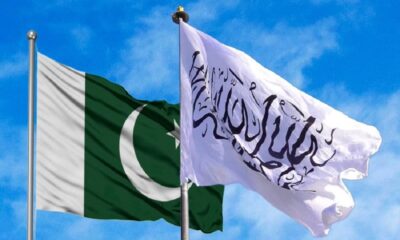
Officials from Afghanistan and Pakistan have concluded a new round of talks in China, with both sides describing the discussions as constructive and agreeing to work toward a comprehensive resolution of their disputes.
The talks were held in the city of Urumqi under the mediation of China, which has increasingly taken on a diplomatic role in facilitating dialogue between the two neighbours.
Abdul Qahar Balkhi, spokesperson for the Islamic Emirate’s Ministry of Foreign Affairs, said the talks covered a wide range of issues, including bilateral relations, security concerns, and broader regional stability.
According to Balkhi, the discussions were held in a “constructive atmosphere,” with both sides engaging in comprehensive exchanges. He added that Afghan officials expressed appreciation for China’s hospitality and efforts in hosting the talks, and voiced hope that the process would lead to stronger confidence-building, improved mutual understanding, and more effective cooperation.
In a separate statement, China’s Foreign Ministry confirmed that both Afghanistan and Pakistan had agreed to seek a “comprehensive solution” to their ongoing disputes. It said the talks were conducted in a “constructive, practical and sincere” environment, with in-depth discussions on key areas of concern.
The statement further noted that both sides committed to avoiding actions that could escalate tensions or worsen the situation, instead emphasizing dialogue and mutual understanding as the primary path forward.
China highlighted its role as an active mediator, noting its close relations with both countries and its continued commitment to supporting stability in the region. Beijing said it would maintain its efforts to promote confidence-building measures and encourage continued engagement between Kabul and Islamabad.
The talks come amid ongoing tensions between Afghanistan and Pakistan, with security issues and cross-Durand Line attacks remaining key challenges. Observers say China’s involvement reflects its growing interest in regional stability and its willingness to play a more prominent diplomatic role in South and Central Asia.


IPL 2026: Gujarat Titans edge Delhi Capitals in last-ball thriller

US explores third-country resettlement for stranded Afghan allies in Qatar

Israel prepares for long conflict despite US–Iran ceasefire efforts

Tahawol: Two‑week truce agreement between Iran-US reviewed

Afghanistan, Pakistan hold ‘constructive’ China-mediated talks

IEA Supreme Leader issues Eid-ul-Fitr message urging unity and support for Islamic system

14 Pakistani soldiers killed after military post falls along Durand line: MoD

IEA supreme leader orders replacement of foreign terminology in official documents

Afghan airstrikes target Pakistani military sites in retaliation for air attacks

Turkmenistan, Afghanistan discuss steps to speed up land acquisition for TAPI pipeline
Tahawol: Two‑week truce agreement between Iran-US reviewed

Saar: US–Iran two-week ceasefire agreement discussed

Tahawol: Ongoing negotiations between Kabul-Islamabad discussed

Saar: Afghanistan in spotlight of SCO discussed

Tahawol: Continuation of Middle East crisis discussed
-
 Latest News4 days ago
IEA supreme leader orders replacement of foreign terminology in official documents
-
 Latest News4 days ago
Afghanistan hosts inaugural Afghanistan–Central Asia Consultative Dialogue to strengthen regional cooperation
-
 Latest News5 days ago
Severe rainfall and natural disasters cause heavy casualties across Afghanistan
-
 Latest News5 days ago
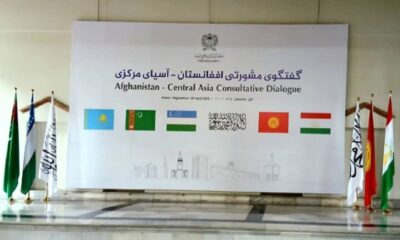
Kabul to host ‘Afghanistan–Central Asia Consultative Dialogue’ tomorrow
-
 Latest News4 days ago
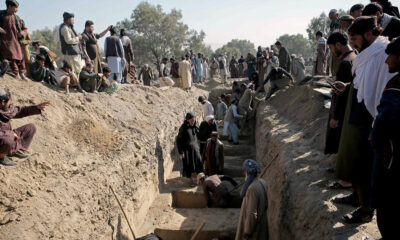
IEA accuses Pakistan of war crimes amid heavy civilian losses
-

 World4 days ago
US rescues 2nd F-15 pilot hit above Iran: Trump
-

 Saar5 days ago
Saar: Ongoing Kabul-Islamabad talks in China discussed
-
 Latest News3 days ago
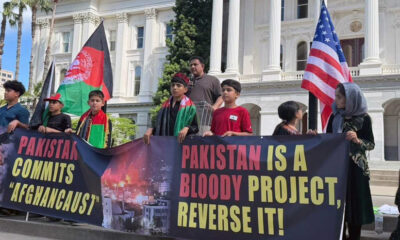
Afghan community in California condemns Pakistani strikes amid growing global protests