
Latest News
Taliban seek permanent instability in Afghanistan: NSA Mohib

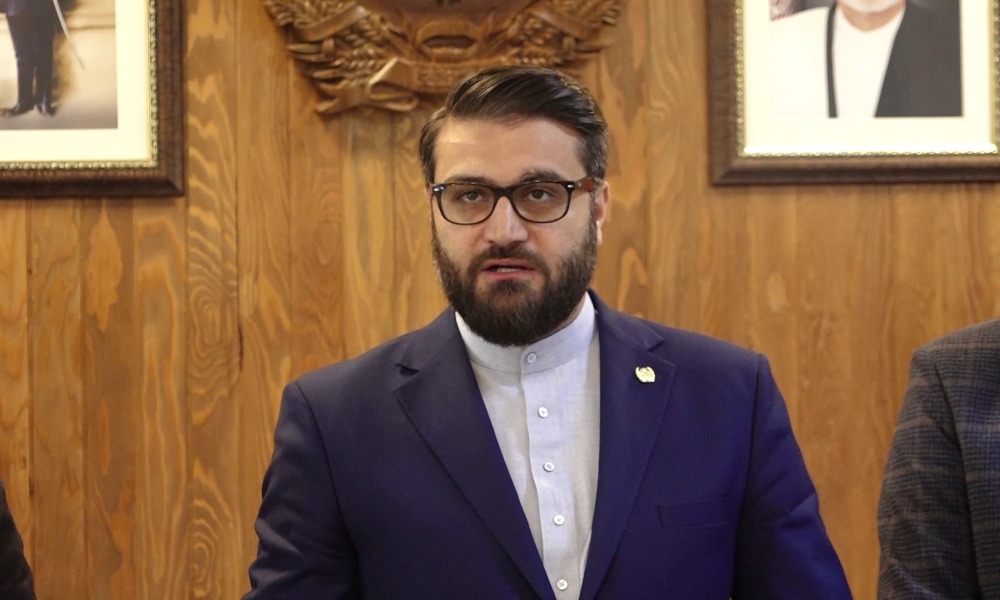
Hamdullah Mohib, National Security Adviser (NSA) said on Saturday that Taliban’s intentions are clear and that the group does not want peace.
Addressing a press conference in Kabul, Mohib said the Taliban wants the Republic system to collapse in order for them to take control.
“Taliban’s intention is clear. Taliban do not want peace; their bosses won’t allow them to make peace. It is a fact that they want permanent instability in Afghanistan,” said Mohib.
The NSA said that foreign countries are not willing to recognize a Taliban regime or their governing system known as the Islamic Emirate. He also said the group is not prepared to reduce the levels of violence.
“Taliban are an aggressive force and controlled by others. They want to destroy Afghanistan, they just want complete power and nothing else,” added Mohib.
The NSA also said that Afghan forces and civilians have suffered heavy casualties in the current winter season compared to the past.
Meanwhile Afghan deputy defense and interior ministers said on Saturday that Afghan forces would defend their country and that the Taliban will not be able to take control of cities.
“Taliban leadership is in Doha, and are not aware of the war situation in Afghanistan. They are killing Afghans illegitimately,” said Massoud Andarabi, the interior minister.
“As you see the NSA visited many corps and we brought reforms in our institutions, it means we want peace. If the Taliban want war we are ready,” said Shah Mahmood Miakhel, deputy defense minister.
This comes on the heels of a flurry of comments by Biden administration officials who have stated in the past few days that Washington will review the US-Taliban deal signed in February last year.
Key among the issues under review is the end-April troop withdrawal deadline. This is conditions based but indications point towards the Taliban having broken their commitments.
The Taliban were required to reduce the levels of violence and cut all ties with terrorist organizations including al-Qaeda. However, officials and experts have stated that neither of these two commitments have been met in the past year.

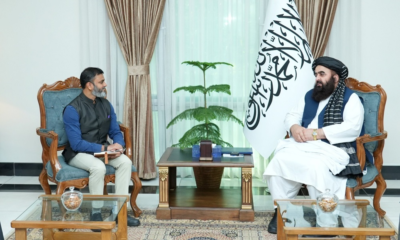


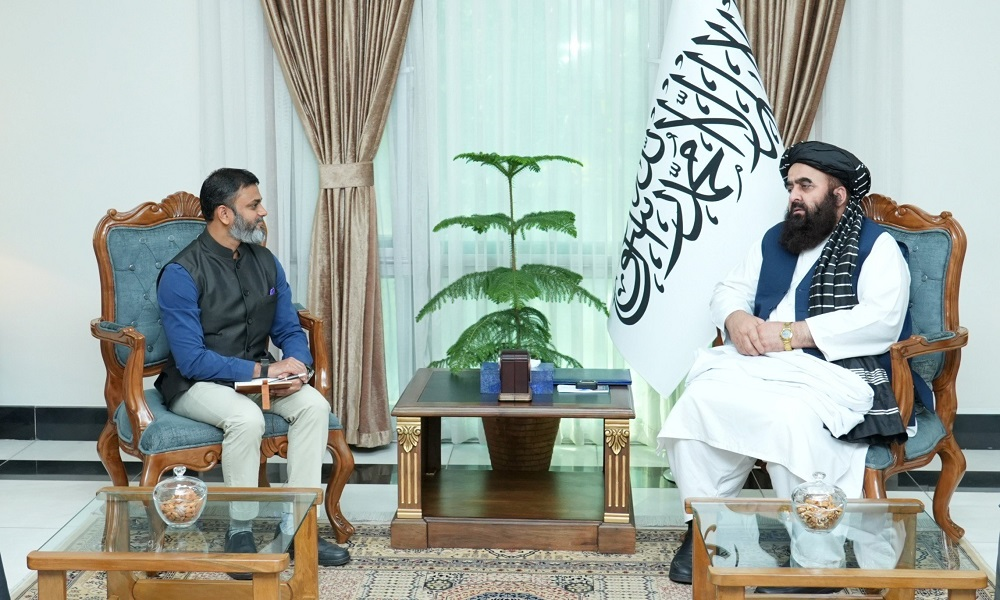
Amir Khan Muttaqi, Minister of Foreign Affairs of the Islamic Emirate of Afghanistan, met with Yatin Patel, India’s chargé d’affaires in Kabul, on Wednesday.
The Ministry of Foreign Affairs said Muttaqi emphasized that, in line with its balanced foreign policy, the Islamic Emirate attaches importance to relations with India.
Referring to the growing volume of trade between the two countries, he stressed the need to strengthen communication and cooperation between Afghanistan’s and India’s public and private sectors, adding that cooperation should be expanded to make better use of existing capacities.
Meanwhile, Yatin Patel said India seeks to expand its relations and engagement with Afghanistan in the economic, political and humanitarian fields.
Muttaqi also wished Patel success in his new assignment.
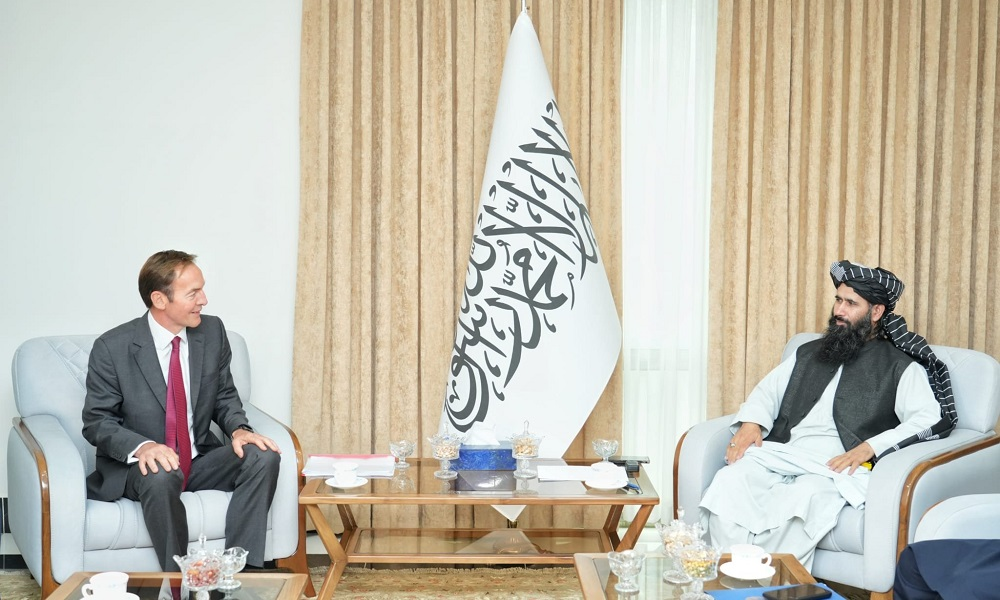
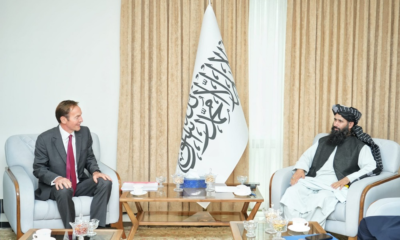
Mohammad Naeem, Deputy Minister for Finance and Administration at the Ministry of Foreign Affairs of the Islamic Emirate of Afghanistan, met on Wednesday with Richard Lindsay, the UK’s Special Representative for Afghanistan.
The Ministry of Foreign Affairs said the two sides discussed Afghanistan’s political, economic and security situation, regional stability, humanitarian assistance and consular services.
Naeem expressed appreciation for the UK’s humanitarian assistance and cooperation with Afghanistan and stressed the importance of continuing cooperation between the two sides.
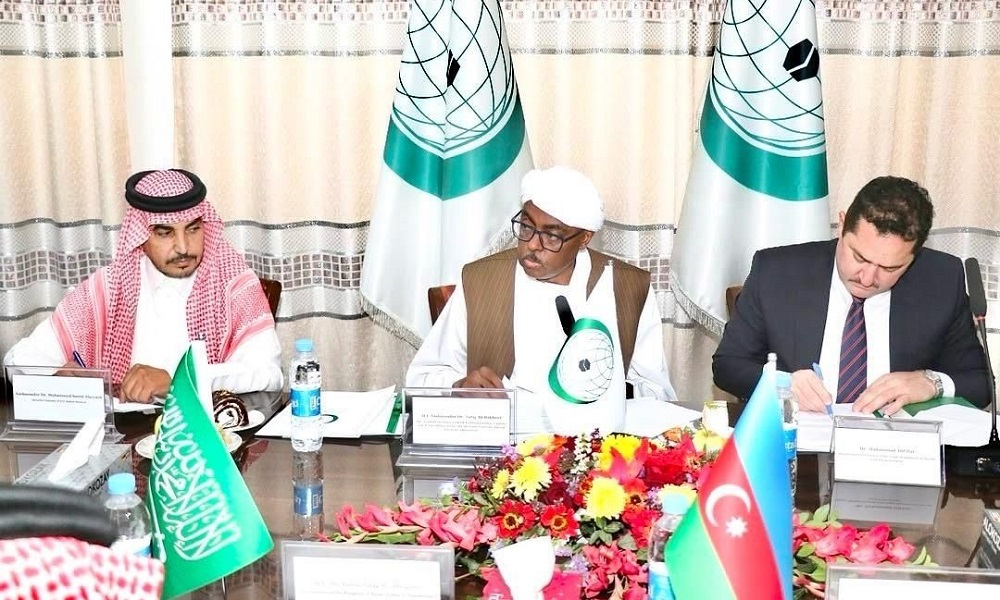
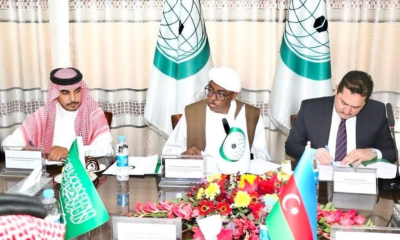
The Organization of Islamic Cooperation’s (OIC) Special Envoy to Afghanistan, Ambassador Dr Tarig Ali Bakheet, has briefed ambassadors and heads of mission from OIC member states in Kabul on the outcomes of his official visit to the country.
The briefing followed meetings with Afghanistan’s authorities and international partners, focusing on humanitarian assistance, counter-terrorism efforts, healthcare, education and measures to improve livelihoods.
According to the OIC, discussions also explored opportunities to strengthen cooperation in addressing Afghanistan’s humanitarian and development challenges.
Bakheet emphasised the need for OIC member states to coordinate their efforts and maintain cooperation to support the Afghan people, particularly in meeting the country’s ongoing humanitarian needs and development priorities.
The meeting also provided an opportunity for diplomats to exchange views on the OIC’s current activities in Afghanistan and discuss potential areas for future engagement.
The OIC, a grouping of Muslim-majority countries, has continued to engage on Afghanistan through diplomatic contacts and humanitarian initiatives, with a focus on supporting the population and addressing the country’s social and economic needs.
The briefing comes as Afghanistan continues to face significant humanitarian and economic challenges, making international assistance and coordination important for the delivery of essential services and the improvement of livelihoods.


FM Muttaqi says IEA values ties with India under its balanced policy

Afghanistan and UK stress expanding bilateral cooperation

OIC envoy briefs Kabul diplomats on talks with Afghan authorities

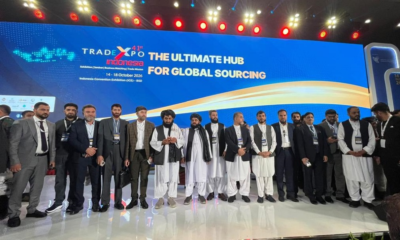
Afghan delegation attends 41st international exhibition in Indonesia

Afghan official says Durand Line crossings to remain closed until Islamabad accepts demands

Cricket Bonanza: Afghanistan set for packed international schedule

UN warns of mounting humanitarian and human rights pressures in Afghanistan

Afghanistan says 28 killed, 32 captured in Nuristan operation

CNN, MS NOW and Politico sue Trump, challenging White House ban

Silk Road highway in Wakhan corridor now reaches the China border

Tahawol: Warnings over worsening insecurity in Pakistan discussed

Saar: Concerns over potential return of US military bases to Afghanistan discussed

Tahawol: Kabul’s criticism of Islamabad’s policy toward Afghanistan

Saar: Pakistan deploying army in KP

Tahawol: EU appointing new envoy for Afghanistan
-
 Latest News4 days ago
Pakistan issues new directives for Afghan medical students and doctors
-
 Latest News4 days ago
Iranian lawmaker praises Afghanistan’s support, accuses Pakistan of ‘hypocrisy’
-
 World5 days ago
US imposes sanctions on ICC amid dispute over international prosecutions
-
 Regional3 days ago
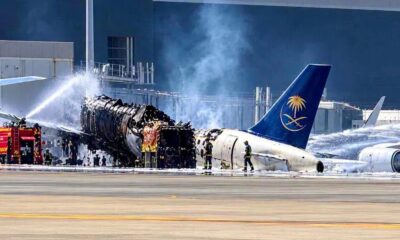
Houthis warn airlines to avoid Saudi airports after deadly Riyadh attack
-
 Business4 days ago
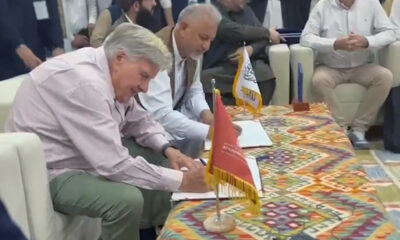
Afghan-Austrian partnership aims to boost carpet exports to European markets
-
 Sport3 days ago
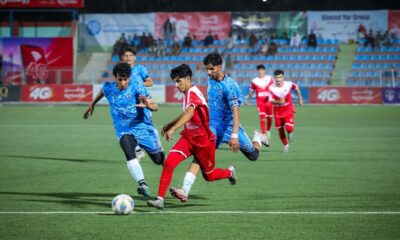
Afghanistan Champions League second half to kick off on October 16
-

 World2 days ago
One dead in new attack on Saudi airport, a day after Houthi strike kills 13
-

 World3 days ago
14 killed in two separate mass shootings across the United States