
Latest News
Taliban-Al Qaida ties yet strong

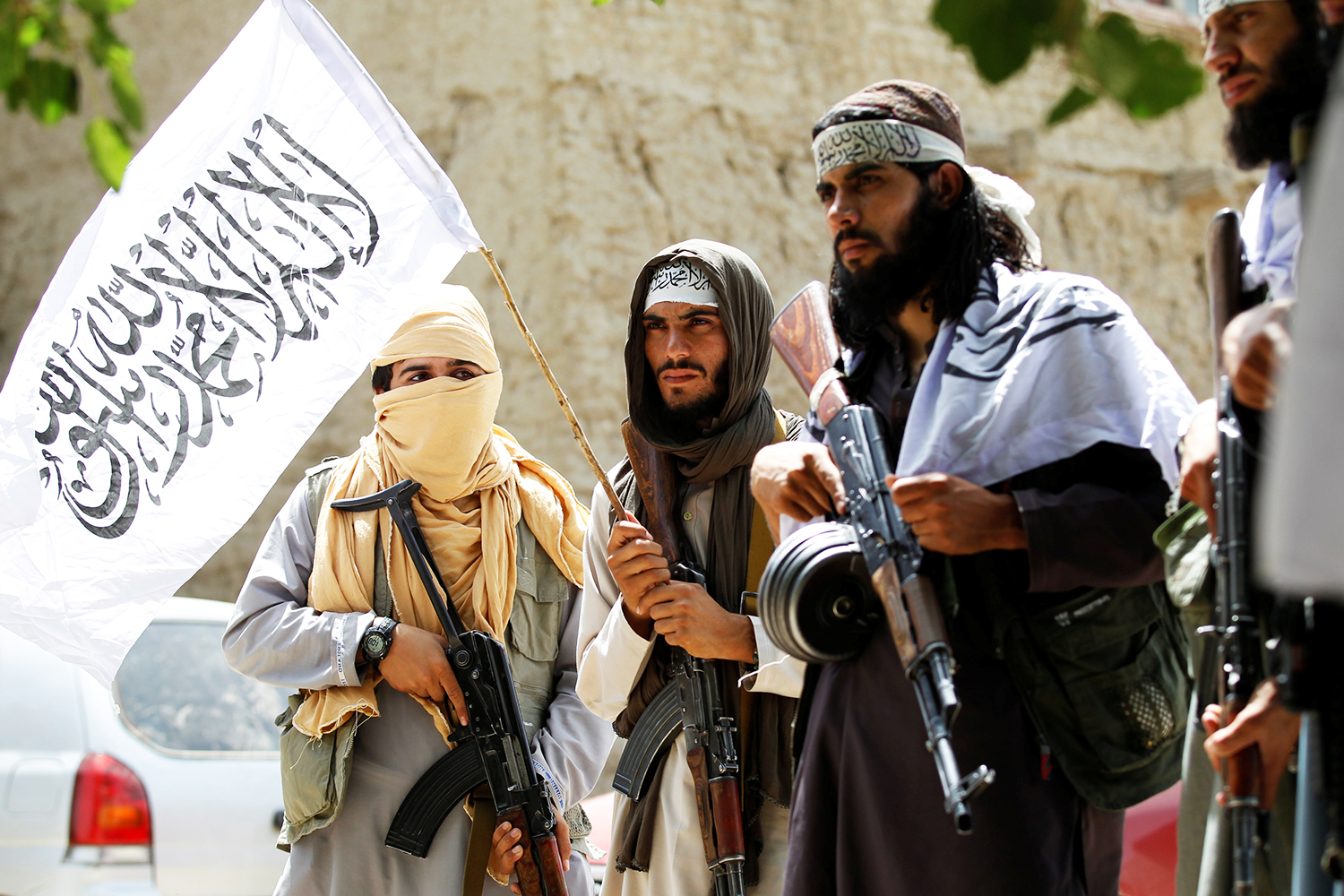
The latest findings of the UN Sanctions Committee show that al-Qaida continues its cooperation with the Taliban, providing them with religious and military training, whilst the Taliban are amid peace talks with the US.
The report also indicates that al-Qaeda has increased its financial support to the Taliban, trying to prevent the Intra-Afghan peace talks.
On the other hand, sources close to the Taliban, indicate that the Taliban has reached an agreement with the US to stop attacking the US troops and to reduce attacking the Afghan army.
Breaking up the Taliban links with terrorist groups, such as al-Qaida, is a crucial element of the talks in Doha; however, the report of the UN Sanctions Committee implies that the Taliban are still in touch with al-Qaida in Afghanistan.
Moreover, the findings in the report infer that al-Qaida is very concerned about the Taliban’s concentration on the peace talks. It adds that al-Qaida, with the intensification of financial aid to the Taliban, is trying to hold the Taliban back from the peace talks with the Afghan government.
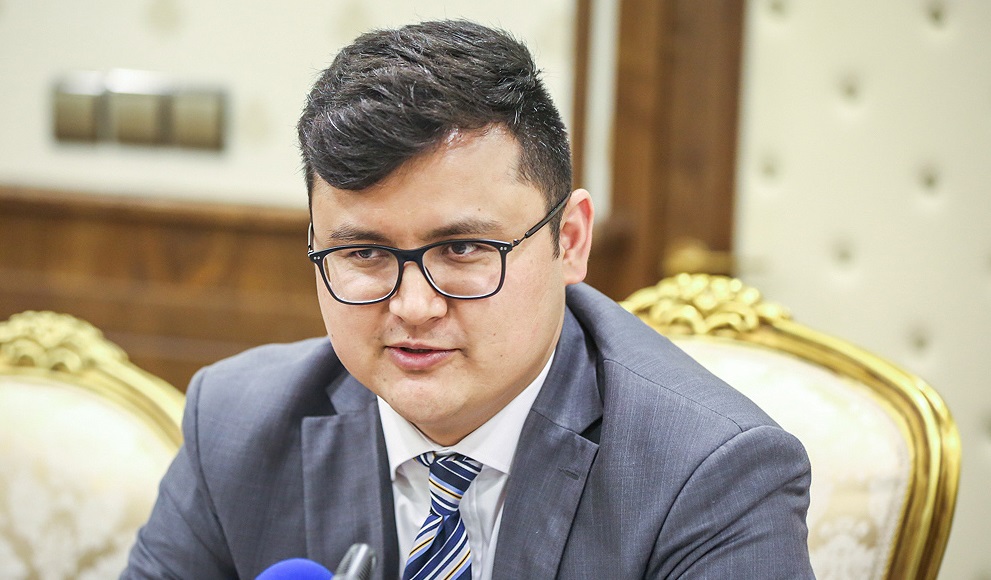 Tamim Aasi, chair of the Institute of War and Peace Studies, said, “Americans studied the Taliban’s policy, and Gen Miller made some new suggestions and demands to the Taliban.”
Some sources, close to the Taliban, indicate that the Taliban’s negotiations on the demand of the US on ‘violence reduction’ has not concluded. However, according to some international news agencies, the Taliban have reached an agreement with the US over ‘stopping attacks on the US troops’ and ‘reducing attacks on the Afghan forces.
Nonetheless, Jalaluddin Shinwari, the former attorney general of the Taliban, said, “The Taliban has agreed not to attack the US troops and to decrease attacks on the Afghan forces. However, it has not been officially announced.”
As soon as the negotiations with NATO in Brussels are conducted, Zalmay Khalilzad will travel to Islamabad and then, to Kabul, in order to share the ‘violence reduction’ policy with the Afghan government – a policy that has been arguable to the presidential palace but welcomed by the CE Office.
Durrani Waziri, the deputy spokesperson of the president, said that ‘ceasefire’ is the only way forward to seek a ‘peace with dignity’, sustainable and long-lasting.
Even though the peace talks between the US and the Taliban are intensely in progress to apply ‘ceasefire’ or ‘reduce violence’, the war has been intensified lately leaving dozens of Afghan troopers killed and/or wounded.






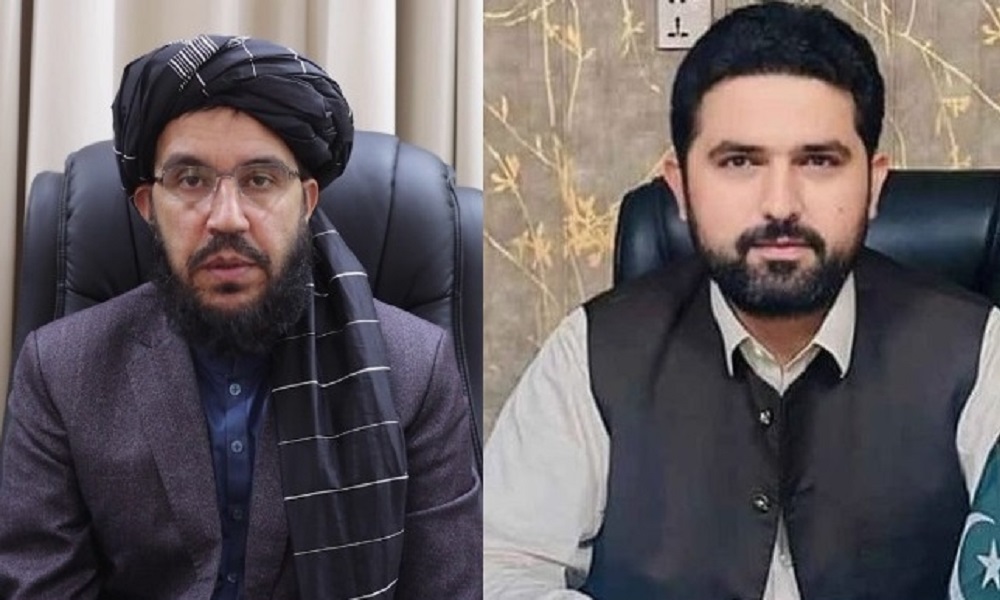
Sardar Ahmad Shakeeb, ambassador of the Islamic Emirate of Afghanistan in Islamabad, held a telephone conversation with Sohail Afridi, Chief Minister of Khyber Pakhtunkhwa, to discuss the situation of Afghan refugees in the province, with a particular focus on returnees.
According to a statement from the Afghan Embassy in Islamabad, Shakeeb expressed appreciation for ongoing efforts to support Afghan refugees, highlighting Afridi’s recent visit to the Hamza Baba camp in Landi Kotal. He welcomed directives issued to improve conditions at the camp, including the reactivation of mobile registration teams, and expressed hope that such initiatives would be further expanded.
The ambassador also called for an increase in mobile registration teams, improved facilities at the Hamza Baba camp and other sites, the swift release of thousands of stranded refugees, and an overall acceleration of the return process to Afghanistan.
Afridi, in response, thanked the Afghan ambassador and said he closely monitors the registration process and migrant holding centres across Khyber Pakhtunkhwa on a daily basis.
He added that he would issue the necessary instructions to relevant authorities to ensure the concerns raised are addressed as quickly as possible.
Latest News
Kabul–Tehran call highlights growing ties and support for diplomatic solutions
Iran’s Foreign Minister Abbas Araghchi, for his part, praised the continued growth of ties between Tehran and Kabul and expressed support for further expanding cooperation in areas of mutual interest.
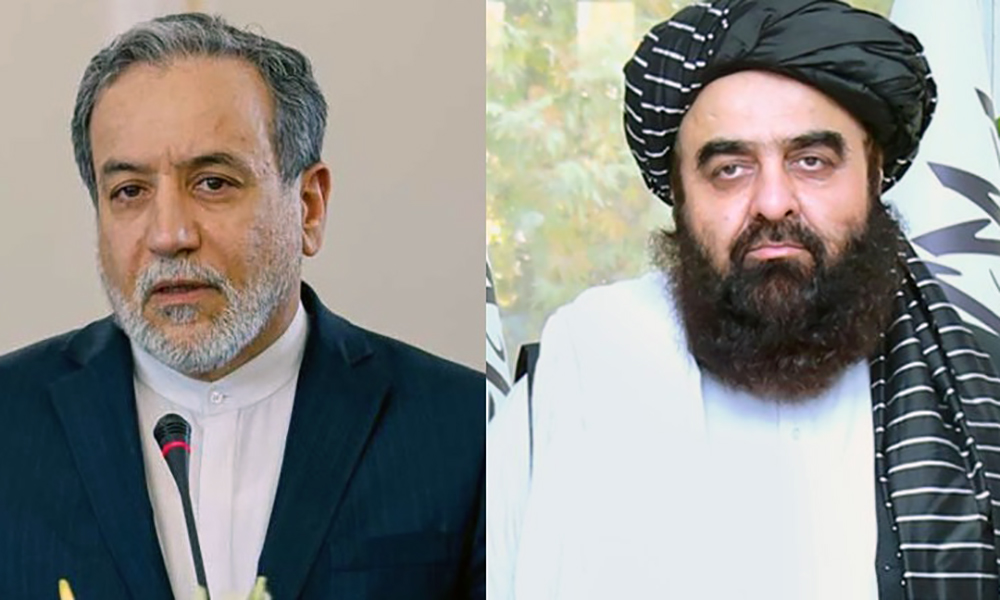
Afghanistan and Iran have reaffirmed their commitment to strengthening bilateral relations and advancing regional dialogue during a phone call between their foreign ministers.
Afghanistan’s Foreign Minister Amir Khan Muttaqi described bilateral cooperation as positive and steadily progressing, welcoming increased trade and expanding collaboration across multiple sectors.
Muttaqi also underscored the importance of diplomacy, calling ongoing engagement between Iran and the United States a constructive development, and stressing that outstanding issues should be resolved through dialogue and negotiation.
Iran’s Foreign Minister Abbas Araghchi, for his part, praised the continued growth of ties between Tehran and Kabul and expressed support for further expanding cooperation in areas of mutual interest.
He also briefed his Afghan counterpart on the latest developments in talks between Iran and the United States.
Officials say the exchange reflects a shared interest in sustaining dialogue, deepening economic links, and promoting greater stability across the region.
Latest News
Pakistan ramps up deportations of Afghan refugees, rights group warns
More than 146,000 Afghans have been deported from Pakistan in 2026 alone, with numbers rising in April. Detainees are typically transferred to holding centres before being expelled.
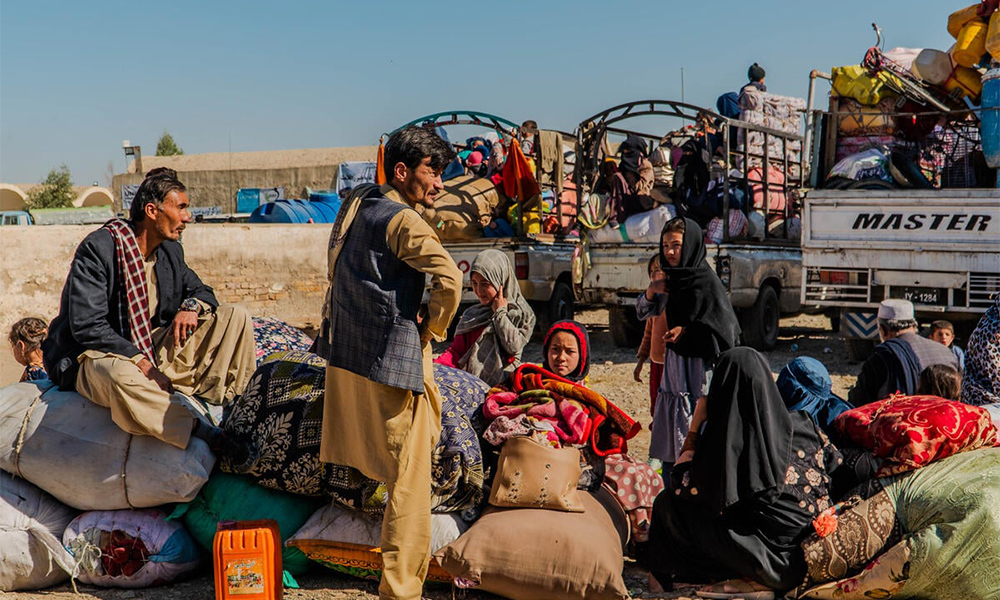
Pakistani authorities have escalated raids, detentions and forced returns of Afghan refugees following renewed border clashes with Afghanistan, according to Human Rights Watch.
The group said police operations in several cities have included door-to-door searches, late-night raids and arrests without warrants. Afghans with valid visas have reportedly been detained alongside undocumented migrants, many of whom lack paperwork after Pakistan stopped renewing refugee registration documents in 2023.
More than 146,000 Afghans have been deported from Pakistan in 2026 alone, with numbers rising in April. Detainees are typically transferred to holding centres before being expelled.
Refugees interviewed by the group described arrests during everyday activities, confiscation of money and phones, and demands for bribes. Fear of detention has also prevented many from seeking medical care or sending children to school.
Human Rights Watch also reported cases of family separations and children being deported alone. Some returnees have ended up in overcrowded border camps in Afghanistan with limited access to food, shelter and healthcare.
The crackdown follows escalating violence along the disputed Durand Line frontier with Pakistan since late 2025. Rights groups say the forced returns may violate international law, including the prohibition on sending people back to countries where they risk persecution or harm.


Tahawol: Ceasefire extension between US and Iran discussed

Saar: Rising arbitrary arrests of Afghan refugees in Pakistan discussed

IEA ambassador, Khyber Pakhtunkhwa chief minister discuss Afghan refugee situation

Public Health Minister, WHO envoy discuss healthcare services in Afghanistan

IPL 2026: Sunrisers dominate Delhi Capital with record-breaking batsmen show

IEA supreme leader orders replacement of foreign terminology in official documents

Russia deems US military presence in Afghanistan unacceptable

Afghanistan hosts inaugural Afghanistan–Central Asia Consultative Dialogue to strengthen regional cooperation

TAPI gas pipeline advances 25 km in Afghanistan

Russia backs Uzbekistan–Afghanistan trade hub, praises regional economic cooperation
Tahawol: Ceasefire extension between US and Iran discussed
Saar: Rising arbitrary arrests of Afghan refugees in Pakistan discussed

Tahawol: Russia’s Security Concerns Over Afghanistan discussed

Saar: Islamic Emirate delegation’s visit to Brussels discussed

Tahawol: Pakistan’s failed efforts to impose war in Afghanistan discussed
-

 Latest News4 days ago
Afghanistan launches media platform to improve access to information
-
 Latest News3 days ago
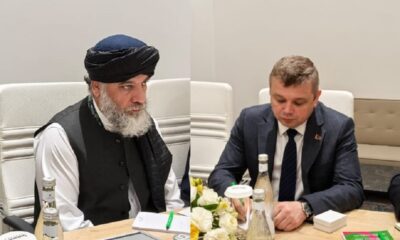
Afghanistan, Belarus hold talks on fuel imports
-
 Latest News5 days ago
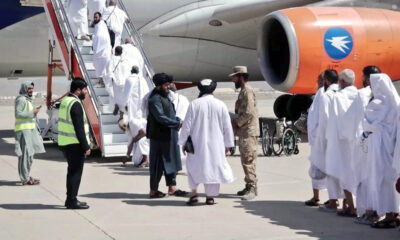
Afghanistan to airlift 30,000 pilgrims to Saudi Arabia in 96 flights for Hajj 2026
-

 Regional5 days ago
Ships crossing Hormuz need OK from IRGC, unfreezing funds part of deal, Iran official says
-
 Business5 days ago
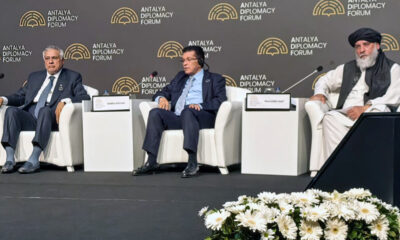
Afghan commerce minister highlights trade trust and market stability at Antalya Forum
-
 Latest News5 days ago
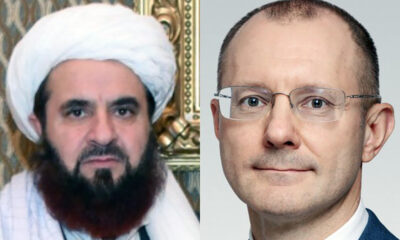
Afghanistan and Russia discuss expansion of banking cooperation in Moscow meeting
-

 World3 days ago
UAE seeks US financial backstop amid Iran war fallout, warns of possible shift from dollar
-

 World5 days ago
Ghalibaf accuses Donald Trump of ‘false claims’, warns on Strait of Hormuz