
Latest News
Taliban ‘Agrees’ to Talk with Afghan Political Parties

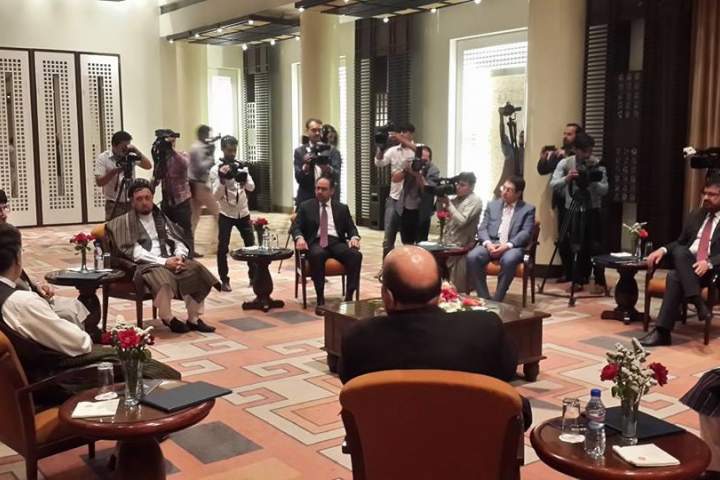
The Taliban have asked the Afghan political parties to come up with a team of negotiators amid escalated peace efforts to reach into a political settlement in Afghanistan, sources told Ariana News Tuesday.
Though, the Taliban repeatedly refuse to engage in direct talks with the Afghan government – including in their recent six days of talks with U.S. officials in Qatar – sources told Ariana News that the armed group has asked the Afghan political parties to introduce a negotiating team to begin face-to-face talks with their representatives.
“We respect the Taliban’s call. There should be a comprehensive intra-Afghan dialogue. No sides should be sidelined including the government,” said Hamayoun Jareer, a senior member of Hezb-e-Islami party led by Gulbuddin Hekmatyar.
The Taliban did not comment in this regard yet.
Many Afghan politicians believe that without initiating intra-Afghan dialogue, lasting peace cannot be ensured in the country.
“If the Taliban and the Afghan government don’t reach on a peace agreement, any kind of deal in this regard will lead into deepening the ongoing crisis in the country,” said Abdul Hadi Arghandiwal, the head of Hezb-e-Islami.
It comes as the U.S. envoy Zalmay Khalilzad who has recently engaged in six days of talks with the Taliban in Qatar said that his meeting with the Taliban in Doha was much better than previous meetings.
He said there is a moment of opportunity and he hopes Afghans seize this opportunity to put political differences aside and deal with “this moment positively and urgently.”
“We have the opportunity to avoid future tragedies, to bring the 40 years of war to an end, to a good end, and I urge everyone to rise to the occasion. I am hopeful that they will,” Khalilzad said.

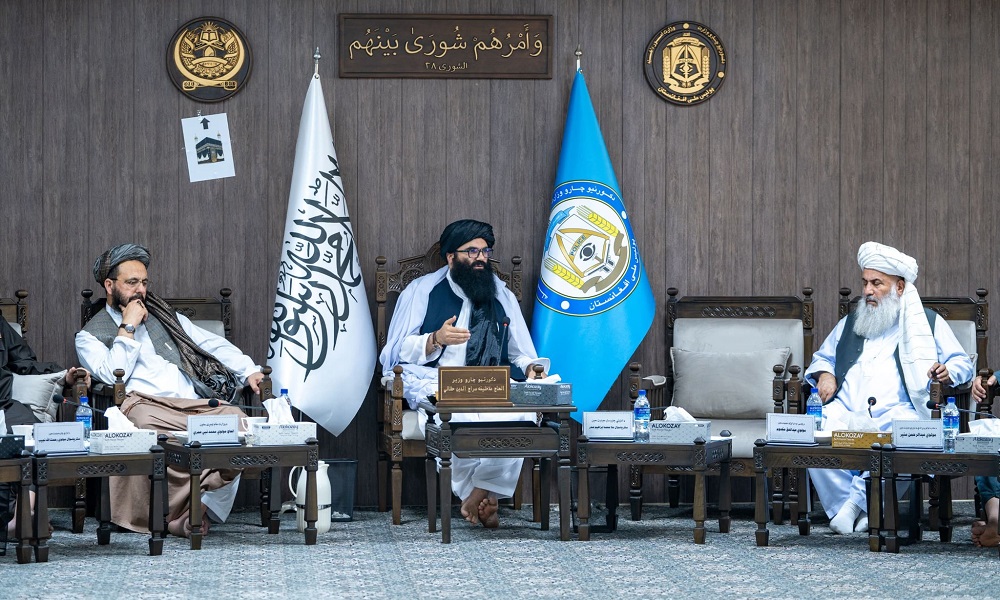
Khalifa Sirajuddin Haqqani, Minister of Interior Affairs, has stressed the need to adopt necessary security measures to ensure the safety of citizens during the month of Muharram.
Abdul Mateen Qani, spokesperson for the Ministry of Interior, said that Haqqani raised the issue during a leadership meeting of the ministry attended by deputy ministers, directors, and officials from various departments.
During the meeting, Haqqani emphasized the implementation of a new law approved by the leader of the Islamic Emirate for the Ministry of Interior and also called for the adoption of necessary security measures to ensure public safety during Muharram.
Haqqani added that serious efforts are needed to further strengthen individual and social security, and that security forces across the country should intensify efforts to build public trust through sincere service to the people so that issues can be addressed in a timely manner through coordination between citizens and security forces.
The meeting also stressed the provision of technical equipment for the Crime Prevention Directorate as well as improving the capacity of its professional staff.
Latest News
Uzbek president highlights active role in Trans-Afghan Railway project; Khalilzad urges Pakistan’s support
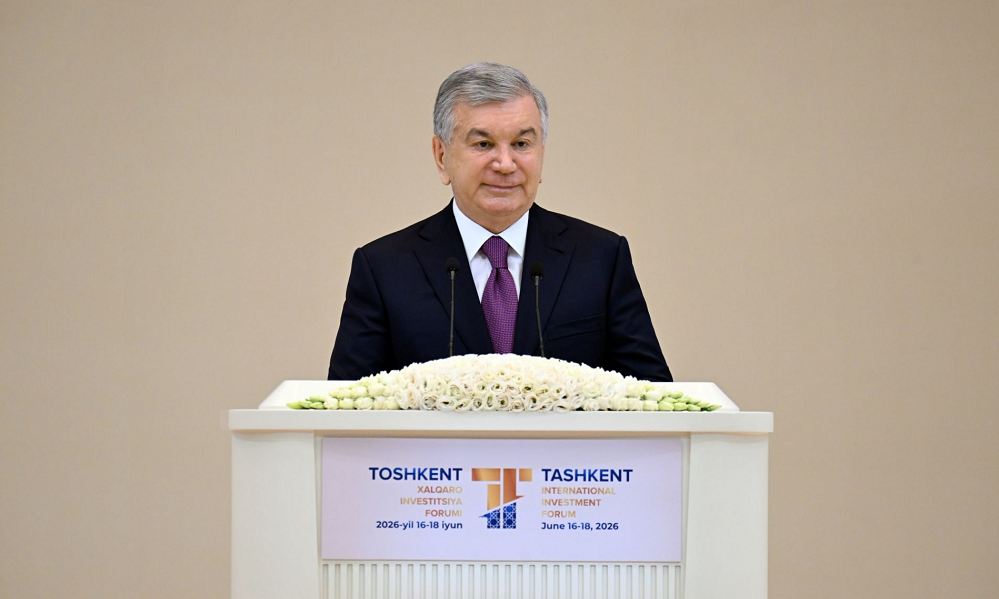
Uzbek President Shavkat Mirziyoyev has said that Uzbekistan is playing an active role in advancing the Trans-Afghan Railway project, a major regional infrastructure initiative aimed at connecting Central Asia with South Asian markets through Afghanistan.
Speaking at the Fifth Tashkent International Investment Forum, Mirziyoyev said the project would provide Central Asian countries with access to southern seaports and strengthen regional transport and trade connectivity.
The Trans-Afghan Railway is expected to connect Central Asia with Pakistan’s seaports via Afghanistan, offering landlocked countries in the region a shorter route to global markets. In 2025, Uzbekistan, Afghanistan, and Pakistan signed a trilateral agreement in Kabul to conduct a feasibility study for the railway.
Meanwhile, former U.S. Special Representative for Afghanistan Zalmay Khalilzad welcomed Mirziyoyev’s support for the project, describing it as an important step toward linking Central Asia and Afghanistan with South Asia, the Arabian Sea, and the Indian Ocean.
In a post on X, Khalilzad said the successful implementation of the railway could contribute to greater prosperity and stability in Central Asia, Afghanistan, and Pakistan. He identified strained relations between Afghanistan and Pakistan as a major obstacle to the project’s realization.
Khalilzad argued that the economic and transit benefits of the corridor should encourage both countries to resolve their differences through diplomatic engagement and negotiated agreements. He added that the Islamic Emirate of Afghanistan (IEA) has expressed interest in the project and called on Pakistan’s military leadership to respond in kind.
“Both should think of the positive future than can lie ahead, instead of repeating past mistakes,” he said.


Haqqani orders security measures to ensure public safety during Muharram

Uzbek president highlights active role in Trans-Afghan Railway project; Khalilzad urges Pakistan’s support

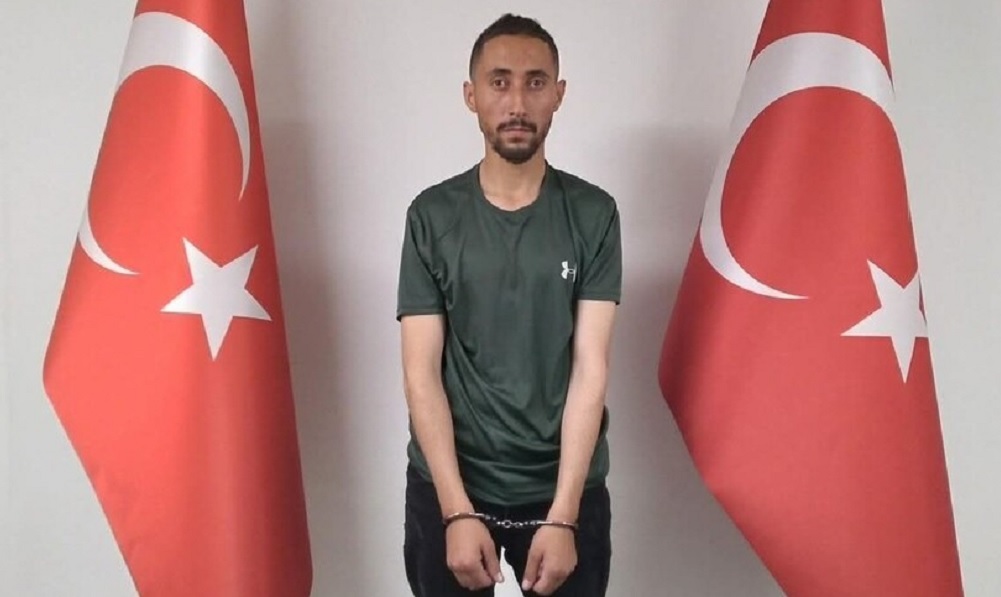
Türkiye captures senior ISIS-K operative

More central banks signal plans to increase gold holdings, WGC survey shows

UK urges Pakistan and Afghanistan to prevent further escalation

Norway’s Viking-inspired World Cup team photo goes viral

Afghanistan announce squad for India series

Afghanistan, Russia sign military cooperation agreement

Major pharma firms eye investment in Afghanistan

Afghanistan expands oil production as investment in Amu Darya fields grows

Tahawol: New chapter in regional cooperation discussed

Saar: Extension of UNAMA Mission in Afghanistan discussed

Tahawol: US and Iran’s preliminary agreement to end war

Saar: UNSC meeting on Afghanistan

Tahawol: Pakistan PM defending Durand Line fencing
-
 Latest News2 days ago
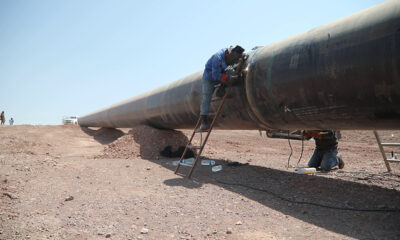
TAPI project advances in Afghanistan as 84kms of pipeline laid
-
 Regional3 days ago
Iran banks hit by major cyber attack
-
 Latest News5 days ago
Final round of 1405 Kankor exam concludes in Afghanistan
-
 Latest News4 days ago
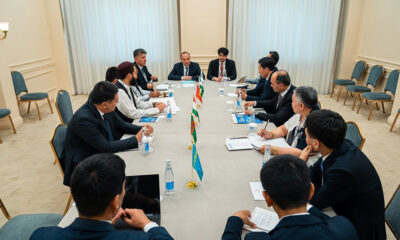
Central Asia–Afghanistan dialogue underscores regional connectivity and stability
-
 Latest News3 days ago
Afghan officials press Chinese delegation on Mes Aynak mining project
-

 International Sports2 days ago
World Cup 2026: Havertz, Ayari and Balogun lead Golden Boot standings
-
 Latest News3 days ago
WFP navigates complex route to deliver emergency food aid to Afghan schoolchildren
-

 Sport4 days ago
India beat Afghanistan by 7 wickets despite Gurbaz century in ODI opener