
Business
SIGAR issues pessimistic economic forecast for Afghanistan

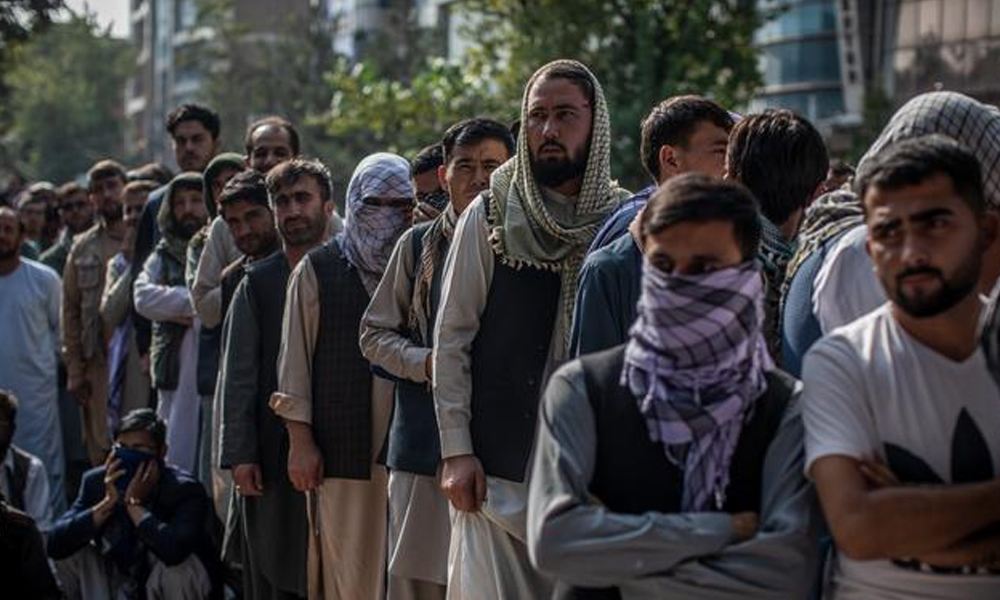
Afghanistan’s economy suffered severe contraction in 2021, with the UN Development Programme (UNDP) and IMF estimating up to a 20–30 percent drop, the US Special Inspector General for Afghanistan Reconstruction (SIGAR) reported.
According to SIGAR’s latest report, annual per capita income is estimated to have fallen from $650 in 2012, to $500 in 2020, and is expected to drop to $350 by 2022.
SIGAR stated that male unemployment in Afghanistan may nearly double from 15.2 percent in 2019 to 29 percent by 2022.
“In the worst-case scenario modeled by the Asian Development Bank, unemployment could increase by more than 40 percent in the short run and household consumption could contract by 44 percent,” read the report.
The devaluation of the afghani has also impacted the Afghan economy and further diminished Afghan households’ ability to purchase food and
other necessary items, because much foreign trade was settled in US dollars.
Since August last year, the afghani has depreciated against the US dollar, from approximately 77 afghani to the dollar to around 105 as of January
2, 2022.
SIGAR also reported that adding to the pressure on the country’s limited cash reserves, Afghanistan lacks the technical capabilities to print its own currency.
According to SIGAR, the IEA has not yet secured or developed a domestic printing source for afghani banknotes.
SIGAR reported that Afghanistan’s largely cash-based economy has continued to struggle with an acute cash shortage since November, which has limited day-to-day economic activities.
“Banks are at the center of a liquidity crisis, with lost access to international financing and depositors attempting to recover their funds,” read the report.
According to a UNDP report, Afghanistan’s banking system is in “existential crisis.” Total deposits had fallen to the equivalent of $2 billion as of
September 2021 from $2.8 billion the month.
As the Afghan economy has struggled to find areas of sustainable economic growth in recent years, the country has increasingly relied on remittances from Afghans working abroad, especially in neighboring Iran.
By 2019, remittances accounted for the equivalent of 4.3 percent of Afghanistan’s annual GDP, an increase from 1.2 percent in 2014, according to World Bank data.
However, officials from the UN’s International Organization for Migration estimate this figure could have been as high as 15–20 percent, given that many remittances are sent through the informal hawala money-transfer system.
According to officials at Médecins Sans Frontières, with the absence of a functioning banking sector, many NGOs have also been forced to rely on
hawalas to pay expenses within Afghanistan.
In November 2021, the IEA announced a complete ban on the use of foreign currency in Afghanistan, interfering with remittance activities and
worsening the country’s liquidity crisis.
However, SIGAR reported that indicators suggest that the currency ban is not being actively enforced against the US dollar, which continues to be widely used in Afghan markets.






Business
Iran calls for extending Herat railway to Uzbekistan border
Meanwhile, Afghanistan’s Ministry of Public Works said the country has significant potential to serve as a regional connectivity hub.
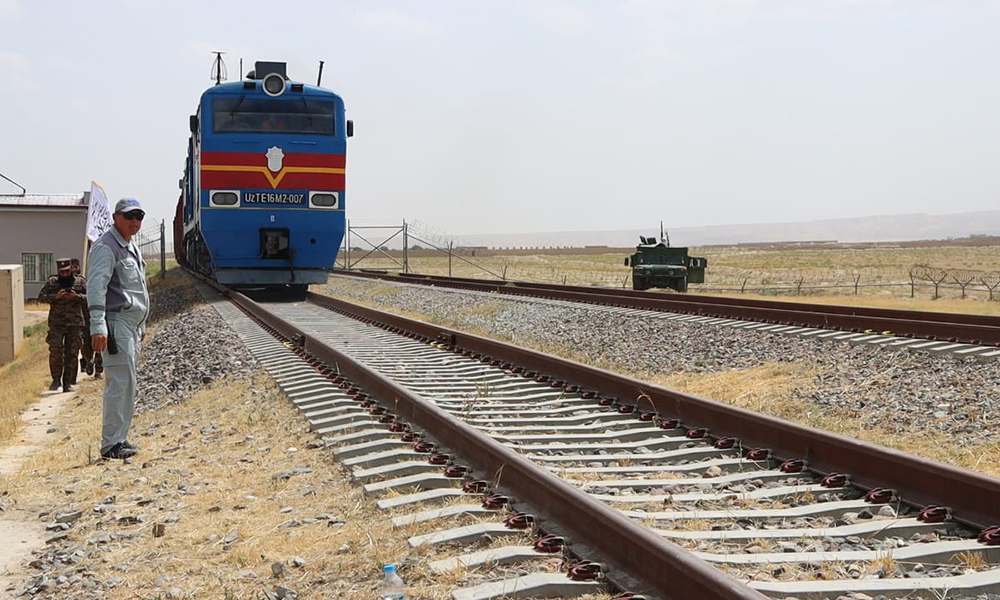
Iran’s Minister of Roads and Urban Development, Farzana Sadeq, has called for extending Afghanistan’s railway network from Herat to the Termez border area in Uzbekistan to strengthen regional trade and transport links.
Farzana made the proposal during a specialised meeting on the Trans-Afghan Corridor in Astana, Kazakhstan, saying Iran is exploring ways to expand railway connectivity with Afghanistan and Uzbekistan.
She said the proposed route could create new opportunities for freight transportation and improve regional countries’ access to open waters. She added that the railway connection should eventually link with the wider railway networks of Central Asia and China.
The Iranian minister also proposed that countries along the Iran–Afghanistan–Tajikistan–Kyrgyzstan–China corridor hold a meeting under the Economic Cooperation Organization (ECO) to identify practical mechanisms for implementing the plan.
Referring to the Chabahar transit agreement between Iran, Afghanistan and India, Farzana said the port has the potential to facilitate the movement of goods from Afghanistan and Central Asian countries to international markets.
She also identified potential railway connections linking Afghanistan with Türkiye and Europe through Sarakhs and Razi, as well as access to the Caucasus and the Black Sea through Sarakhs and Jolfa, as projects worth pursuing within the regional transport network.
Meanwhile, Afghanistan’s Ministry of Public Works said the country has significant potential to serve as a regional connectivity hub. The ministry said Afghanistan welcomes investment from all countries, including Iran, in railway development and transit infrastructure and is ready to cooperate on such projects.
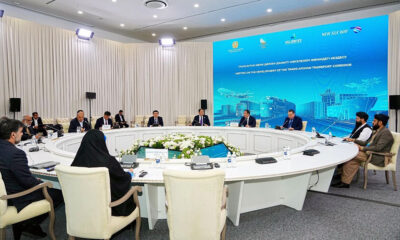
Transport ministers from Iran, Uzbekistan, Pakistan and Kazakhstan, along with the head of the Islamic Emirate of Afghanistan’s railway authority, attended the Trans-Afghan Corridor meeting in Astana.
Business
Dogharoun border handling 70% of Iran’s exports to Afghanistan
Dogharoun also accounted for 34 percent of the province’s imports and 20 percent of inbound transit goods from Afghanistan to Iran during the same period.
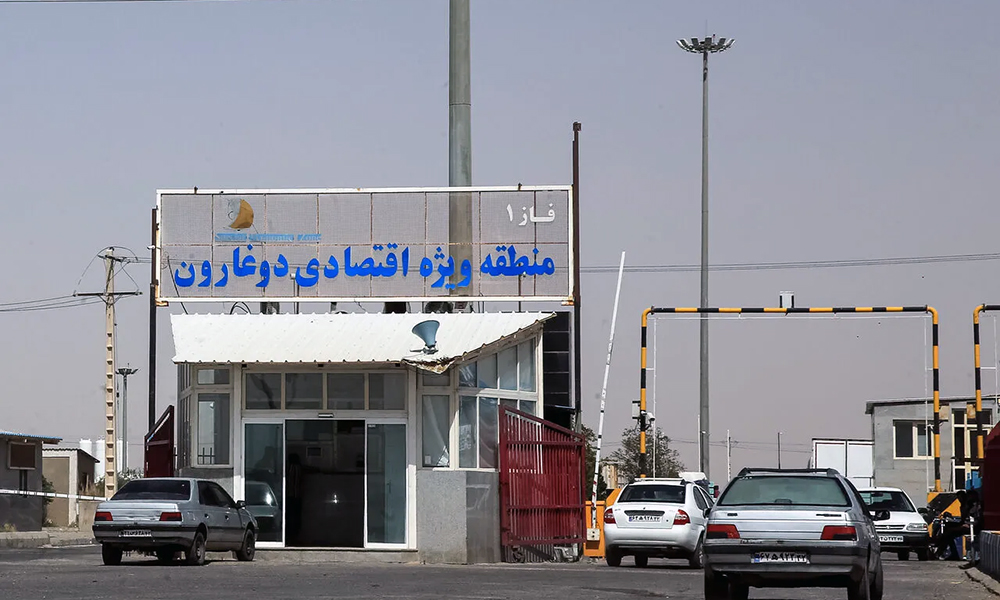
Mohsen Rokni, head of the Dogharoun border terminal, says the crossing accounted for 70 percent of Iran’s exports to Afghanistan during the first half of the current solar year, making it the leading export gateway among border crossings in Iran’s Razavi Khorasan Province.
According to Rokni, Dogharoun also accounted for 34 percent of the province’s imports and 20 percent of inbound transit goods from Afghanistan to Iran during the same period.
He said major Iranian exports through the crossing include construction materials, steel products, food items, fruits and vegetables, and petroleum products.
Located near the Iranian city of Taybad along the Afghan border, Dogharoun remains a key trade and transit route between the two countries.
Business
Regional partners seek progress on Trans-Afghan corridor and CASA railway
The discussions took place during the international NEW SILK WAY business forum in Astana, attended by senior transport officials from the five countries.
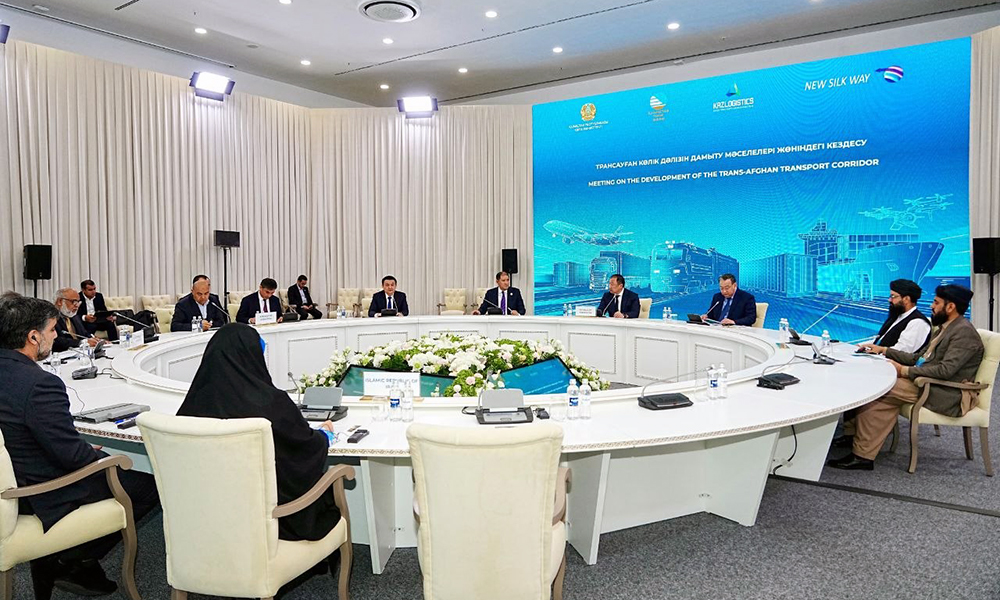
Officials from Kazakhstan, Afghanistan, Uzbekistan, Pakistan and Iran have discussed ways to advance the Trans-Afghan transport corridor and the Central Asia-South Asia (CASA) railway project, aiming to strengthen regional connectivity and expand trade routes.
According to Kazakhstan’s Ministry of Transport, the discussions took place during the international NEW SILK WAY business forum in Astana, attended by senior transport officials from the five countries.
The meeting focused on the CASA railway project, which aims to improve transport links between Central, South and West Asia, increase freight capacity and provide better access to international markets and seaports.
Participants reviewed the project’s current status and practical implementation requirements, including route coordination, infrastructure development and the establishment of a cargo base.
They also discussed financing mechanisms, attracting potential investors and international financial institutions, and strengthening coordination among Kazakhstan, Uzbekistan, Afghanistan and Pakistan.
Kazakhstan’s Minister of Transport, Nurlan Sauranbaev, said the participating countries had reaffirmed their shared interest in developing the Trans-Afghan corridor and implementing the CASA railway project.
“It is important for us to move from discussions to practical action,” Sauranbaev said, adding that the project could create an additional transport link between the regions, increase transit capacity, expand freight opportunities and strengthen trade and economic ties.
Following the meeting, participants reaffirmed their commitment to continued cooperation and the development of practical measures to advance the project.


Tahawol: Iran’s reaction to Pakistan’s mediation discussed

Saar: Review of SCO meeting in Tajikistan

Russian troops arrive in Uzbekistan for joint military exercises

Government assesses 115 private hospitals in Kabul, only two earn top grade

Arman FC begin second half of Afghanistan Champions League with 2-0 win

Cricket Bonanza: Afghanistan set for packed international schedule

Afghanistan says 28 killed, 32 captured in Nuristan operation

Silk Road highway in Wakhan corridor now reaches the China border

CNN, MS NOW and Politico sue Trump, challenging White House ban

Afghanistan on climate front line as Kabul faces groundwater warning
Tahawol: Iran’s reaction to Pakistan’s mediation discussed
Saar: Review of SCO meeting in Tajikistan

Trump blames migrants for violence in France as US midterms loom

Tahawol: US–Iran tensions escalate with mutual threats

Saar: IEA–UNAMA relations: five years under review
-

 Sport2 days ago
Afghanistan reach Brazil futsal tournament final after beating Cape Verde 4-2
-
 Latest News4 days ago
Nearly 19.2 million Afghans face winter hunger as child malnutrition set to surge, UN agencies warn
-

 Regional4 days ago
Trump says US may strike Iran’s ‘Pickaxe Mountain’ nuclear facility
-
 Business4 days ago
Regional partners seek progress on Trans-Afghan corridor and CASA railway
-

 World5 days ago
Trump says he is talking to Russia and China about denuclearization
-
 Latest News3 days ago
Afghanistan’s hunger crisis deepens as 16 million face food insecurity ahead of winter
-

 Sport4 days ago
Afghanistan Champions League: Abu Muslim Farah beat Sarsabz Yashlar 3-1
-
 Latest News4 days ago
Lavrov warns of western-backed ‘color revolutions,’ raises concerns over Afghanistan’s regional security