
Business
Protesting truckers driving up prices at Kabul’s bazaars

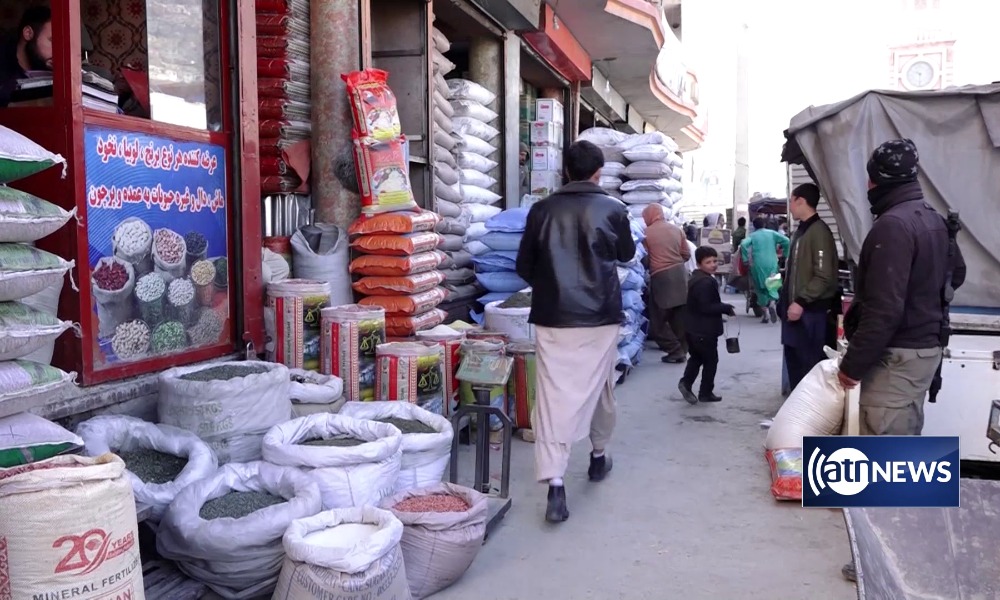
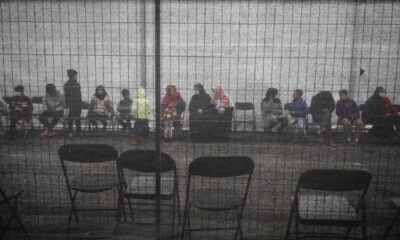
Shopkeepers and Kabul residents on Wednesday raised concerns about the increase in price of basic goods, foodstuff and fuel, which they attribute to protesting truck drivers.
In protest against this move, truck drivers have since blocked key highways for other trucks into Kabul.




Business
Afghanistan, Kazakhstan envoys discuss expanding trade and regional connectivity
Ambassador Shakeeb thanked Kazakhstan for its continued support and constructive engagement with Afghanistan, particularly in efforts aimed at peace and economic development.

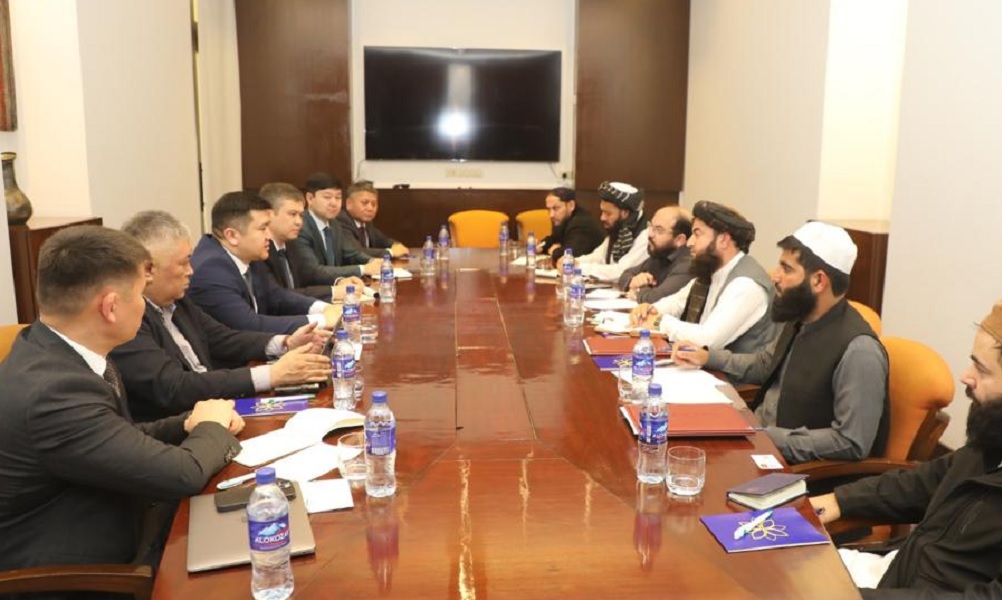
Afghanistan’s Ambassador to Pakistan, Sardar Ahmad Shakeeb, has met with Kazakhstan’s Ambassador to Pakistan, Yerzhan Kistafin, to explore ways to strengthen bilateral relations and advance regional cooperation.
The two envoys exchanged views on Afghanistan–Kazakhstan ties, regional connectivity, and major infrastructure initiatives, as well as the opportunities and challenges facing regional trade. Discussions also touched on Kazakhstan’s role in promoting regional stability and other matters of mutual interest.
Ambassador Shakeeb thanked Kazakhstan for its continued support and constructive engagement with Afghanistan, particularly in efforts aimed at peace and economic development.
He expressed hope that the proposed $3 billion joint trade agreement, once finalized, would bring tangible benefits to both countries and contribute to broader regional economic integration.
Ambassador Kistafin reaffirmed Kazakhstan’s support for stability and economic growth in Afghanistan, highlighting his country’s involvement in key regional connectivity and trade projects.
He said the current security and stability situation in Afghanistan has increased Kazakhstan’s confidence in expanding regional trade and transit, and praised the efforts of the Islamic Emirate in this regard.
He also stressed the need for coordinated regional efforts to ensure lasting stability, sustainable economic development, and the smooth movement of goods and transit across the region.
Business
Mahirood Customs leads Iran’s exports to Afghanistan
More than 1.5 million tonnes of goods were exported to Afghanistan through the border crossing during this period.
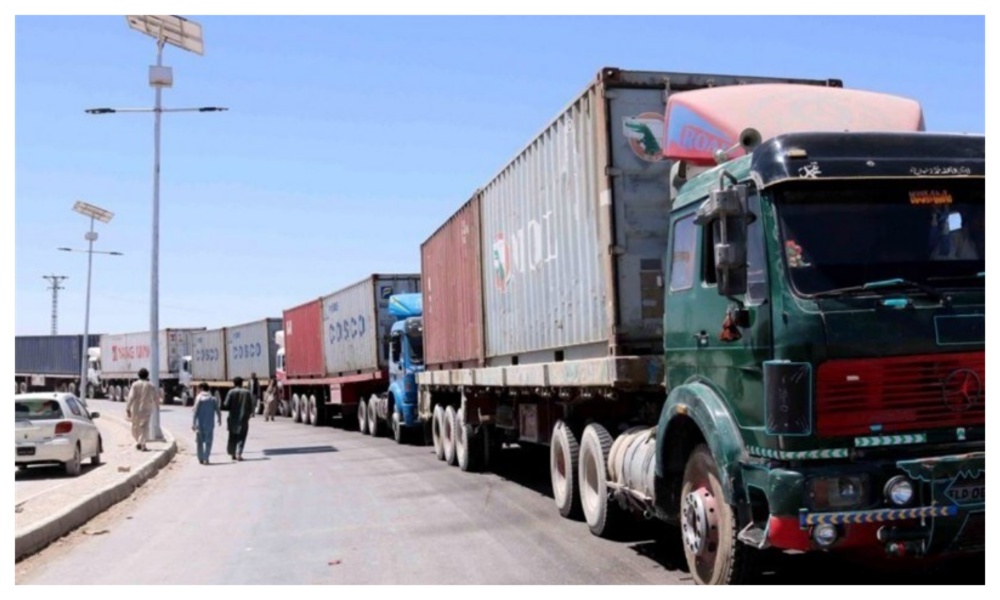
Mahirood Customs in South Khorasan province has become Iran’s main export gateway to Afghanistan, accounting for 36 percent of the country’s total exports to its eastern neighbor, Iranian officials said.
South Khorasan Governor Seyed Mohammadreza Hashemi told local media that Mahirood ranked first among Iran’s 71 active customs points during the first eight months of the current Iranian year.
More than 1.5 million tonnes of goods were exported to Afghanistan through the border crossing during this period.
Official customs figures show that Iran’s total exports to Afghanistan exceeded 4.26 million tonnes in the first eight months of the year, with Mahirood handling the largest share, Hashemi said.
He attributed the strong performance to South Khorasan’s strategic location, improved border infrastructure, effective planning, close cooperation with traders, and coordinated efforts by government agencies.
Hashemi said the expansion of exports via Mahirood Customs is contributing to economic growth, job creation, and stronger economic diplomacy for the province.
He added that continued support for exporters and streamlined customs procedures could further increase South Khorasan’s share of the Afghan market and other target markets in the future.


Tawsia: India’s enthusiasm for investing in Afghanistan discussed

Japan allocates nearly $20 million in humanitarian aid for Afghanistan

Afghan border forces prevent illegal entry of hundreds into Iran

US pauses green card lottery program after Brown University shooting

India issues over 200 medical visas to Afghans in last four months

Afghanistan U19 cricket team defeats India A U19

Afghanistan economy under pressure as Pakistan shocks reshape trade flows

Gaza death toll tops 70,000, health ministry says

India set to establish pharmaceutical factories in Afghanistan: MoIC

Afghanistan offers tax breaks, free land to attract Indian investors
Tawsia: India’s enthusiasm for investing in Afghanistan discussed

Tahawol: Global concerns over migration escalation discussed

Saar: Calls for Afghanistan’s balanced, economy-oriented foreign policy discussed

Tahawol: Discussion on regional countries’ meetings on Afghanistan

Saar: Regional efforts to address Afghanistan-Pakistan issues discussed
-

 Latest News5 days ago
Germany speeds up admission of Afghans from Pakistan
-

 Sport5 days ago
IPL 2026 Auction set for Abu Dhabi with $28.6 million purse at stake
-
 Latest News4 days ago
Afghanistan to establish independent oil and gas authority
-

 Latest News5 days ago
US intelligence chief warns of ‘direct threat’ from suspected terrorists inside the country
-
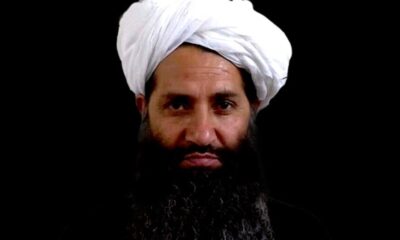
 Latest News3 days ago
IEA supreme leader stresses enforcement of Sharia law and sincere public service
-

 International Sports4 days ago
ILT20: Desert Vipers qualify for playoffs with five-wicket win over Dubai Capitals
-

 World5 days ago
Father and son behind Bondi Jewish festival shooting that killed 15, Australian police say
-

 International Sports4 days ago
ATN secures broadcast rights for four major AFC sporting events