
Latest News
Presidential Candidates Reject Negotiating in ARG

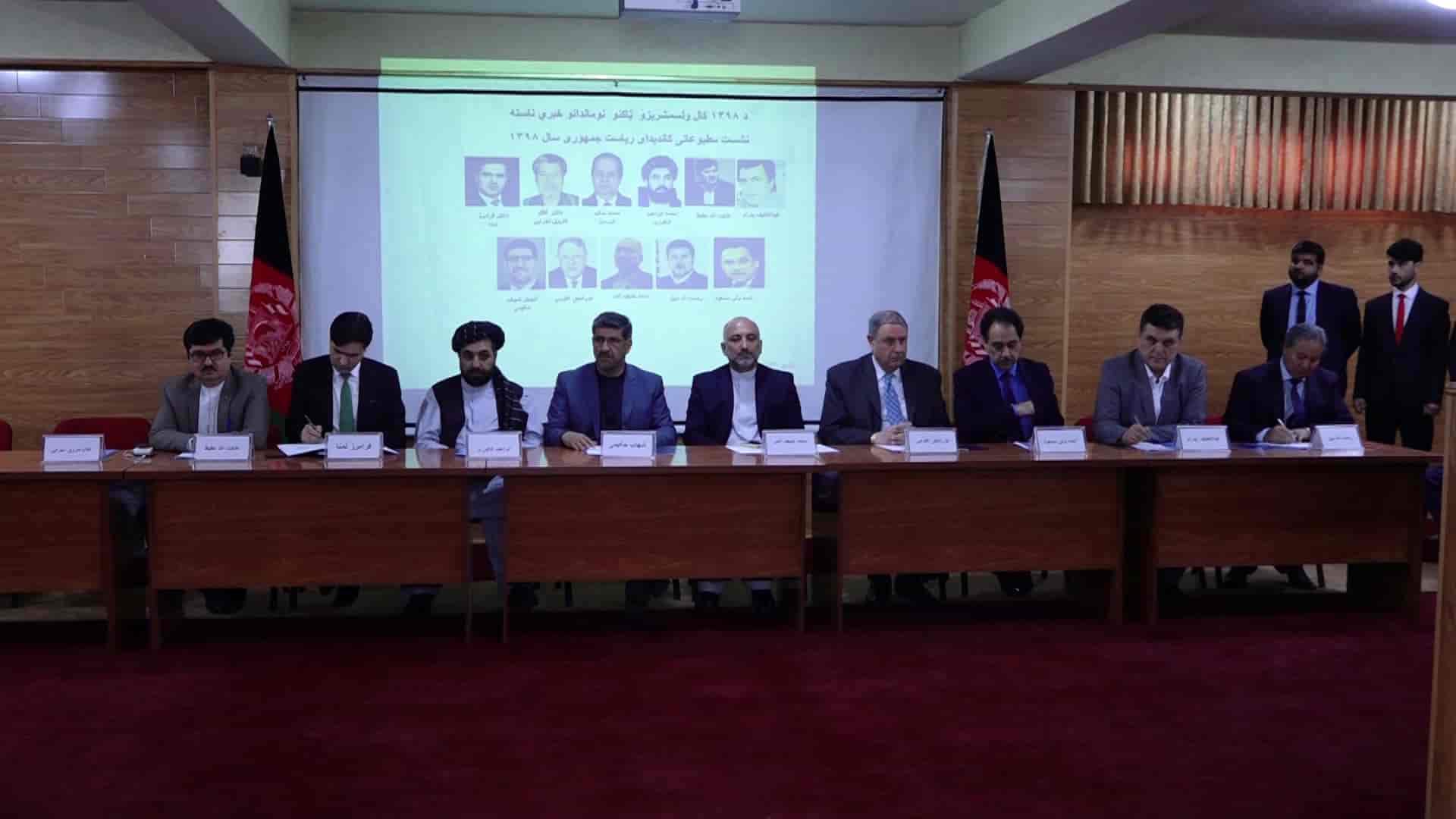
 Presidential candidates are not ready to negotiate with President Ghani on the circumstances of his tenure extension in the Presidential Palace (ARG).
President Ghani is ready to negotiate on ordaining the election ethical principles.
But, the Presidential Candidates Council say that President Ghani should be ready to negotiate with them in another place rather than Arg.
“They have illegally inside the ARG. It is the time that they come outside of the ARG so the discussions over the election take place in a location rather than Arg,” said Shahab Hakimi, a Presidential Candidate.
However, none of the sides have become ready to prepare set the ground for beginning the negotiations.
“We hope that the negotiations take place soon and the President should not fear from sitting and talking to the candidate,” said Faramarz Tamana another Presidential Candidate.
At the same time, the presidential candidate claim that the President has created networks and opened offices for his election campaigns using government assets and facilities.
In contrast, ARG rejects these allegations and accuse the candidates of campaigning before the scheduled date.
“These sayings are demagogical and Arg wants to make the candidates busy with these issues,” said Hakim Torsan, a presidential candidate.
Meanwhile, the presidential candidates are supposed to protest against the continuation of the government’s tenancy in the coming days.
In addition, they are supposed to contemplate on boycotting the coming presidential election.
This comes as they [candidate] warns that in the case referred to this option, another crisis will be created in the country.











Latest News
CSTO claims security risks from Afghanistan remain high
The alert was issued at the 43rd meeting of the Afghanistan working group under the CSTO Council of Foreign Ministers.
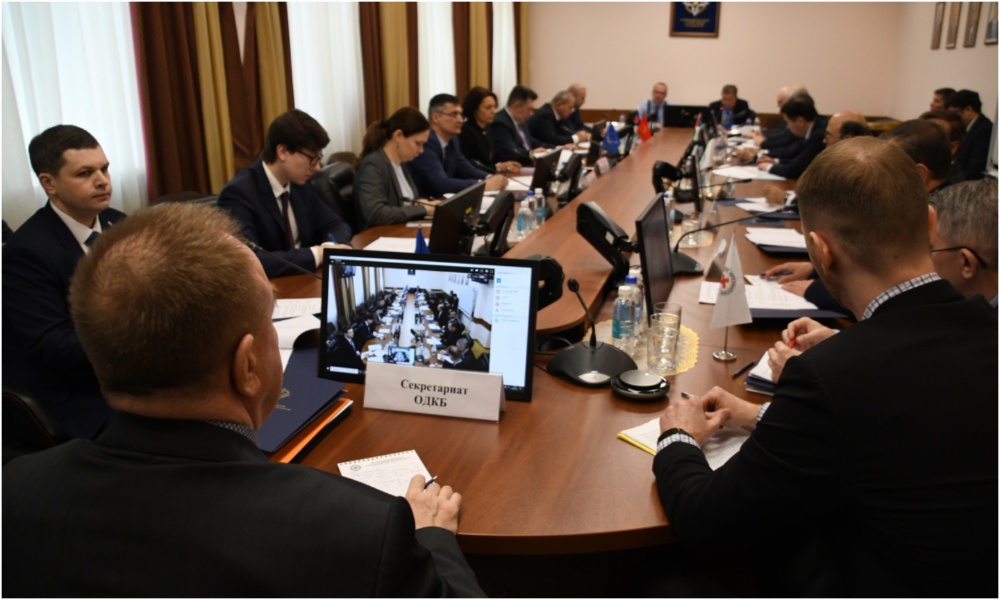
The Collective Security Treaty Organization (CSTO) has warned that security threats originating from Afghanistan remain high, following a review of the situation by officials and regional representatives in Moscow.
The alert was issued at the 43rd meeting of the Afghanistan working group under the CSTO Council of Foreign Ministers, held Wednesday at the organization’s secretariat.
Delegations from CSTO member states joined representatives from the U.N. Office of Counter-Terrorism, the Shanghai Cooperation Organization, CIS anti-terror bodies, and the International Committee of the Red Cross. Participants exchanged assessments of Afghanistan’s military, political, and humanitarian situation and discussed its implications for regional stability.
In a statement, the CSTO emphasized the importance of continuing humanitarian and economic support for the Afghan population.
Officials also called for sustained monitoring of developments in the country and efforts to promote peaceful processes, aiming to reduce the risk of regional spillover.
The Moscow meeting highlights continuing concern among Central Asian and Russian-led security institutions over potential threats from Afghanistan. The CSTO has repeatedly cautioned that extremist groups could exploit various issues including porous borders, and regional tensions.
Neighboring countries remain wary of cross-border militancy, trafficking, and armed group movements. Regional security organizations have increasingly coordinated assessments, as Afghanistan—while outside formal security frameworks—continues to influence the region.
International organizations also highlight Afghanistan’s fragile humanitarian and economic situation. Millions remain reliant on aid, and reduced funding alongside the return of large numbers of Afghans from neighboring countries has intensified existing pressures.
Afghanistan has long been considered a primary external security concern for CSTO members, particularly Tajikistan and Kyrgyzstan.
The latest warning underscores that, while no immediate crisis has emerged, Afghanistan remains central to overlapping security and humanitarian challenges.
International Sports
IPL 2026: Gujarat Titans edge Delhi Capitals in last-ball thriller
The result adds important points for Gujarat as the competition intensifies, while Delhi will look to bounce back after falling just short in one of the closest matches of the season so far.
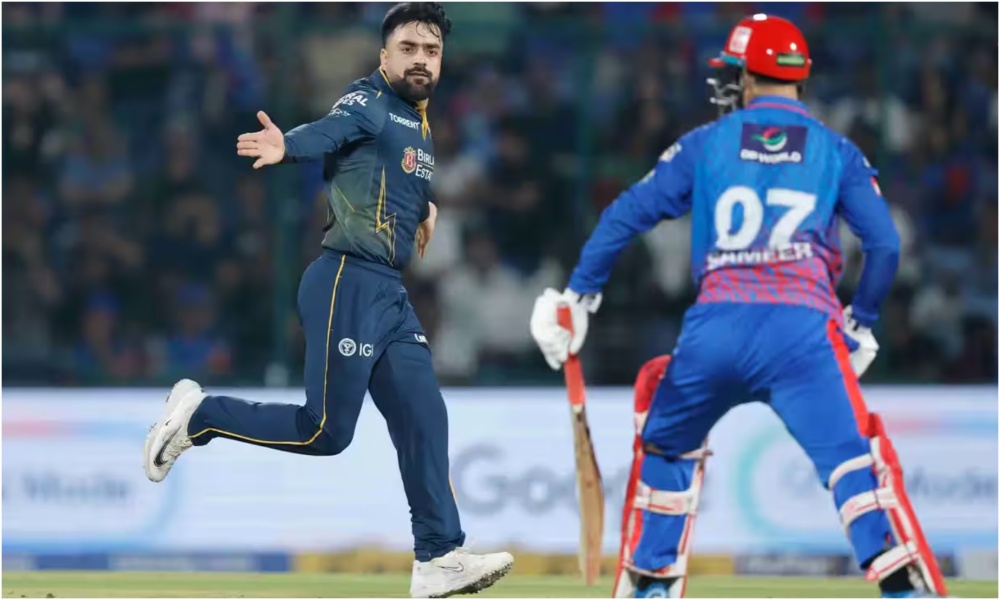
The Indian Premier League (IPL) delivered another dramatic contest on Wednesday, April 8, as Gujarat Titans narrowly defeated Delhi Capitals in a high-scoring encounter in Delhi.
In a match that went down to the final ball, Gujarat held their nerve to secure a thrilling one-run victory. The game featured standout batting performances, including a commanding innings from Delhi’s top order, while Gujarat’s bowlers, led by Rashid Khan, produced crucial breakthroughs at key moments to seal the win.
The result adds important points for Gujarat as the competition intensifies, while Delhi will look to bounce back after falling just short in one of the closest matches of the season so far.
Attention now turns to Thursday’s clash between Kolkata Knight Riders and Lucknow Super Giants.
Kolkata will be aiming to build momentum with a strong all-round performance, while Lucknow will look to capitalise on their balanced squad and secure a key win in the early stages of the tournament. With both teams boasting explosive batting line-ups and quality bowling attacks, fans can expect another competitive and entertaining contest.
Broadcast Information
Cricket fans in Afghanistan can watch all the action live, as Ariana Radio and Television Network (ATN) holds exclusive rights to broadcast the IPL matches.
Games are being aired nationwide on Ariana Television, bringing the excitement of the tournament directly to viewers at home.
Latest News
US explores third-country resettlement for stranded Afghan allies in Qatar
U.S. lawmakers have also urged action. Jeanne Shaheen said Washington has a responsibility toward these individuals, warning that they could face serious risks if forced to return home.
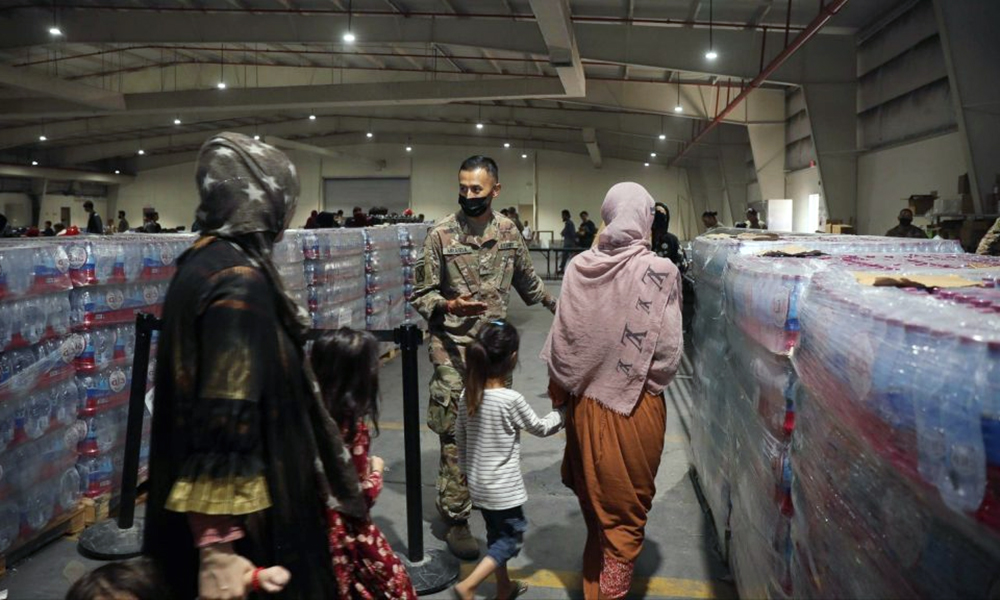
More than 1,100 Afghans who previously worked with U.S. forces remain stranded in Qatar, as Washington seeks alternative countries to resettle them following delays in relocation programmes.
The group is currently housed at Camp As Sayliyah, a former U.S. military facility in Qatar, where they have been awaiting visa processing and relocation decisions for months.
A report by The Wall Street Journal said U.S. officials are now in discussions with several countries in sub-Saharan Africa and Southeast Asia to take in the Afghanistan nationals. The efforts come after a March 31 deadline to close the facility passed without a clear resolution.
The camp reportedly costs more than $10 million per month to operate, and Qatari authorities have urged the United States to move forward with resettlement plans and shut down the site.
Conditions at the facility have become increasingly difficult, with morale among residents declining as uncertainty over their future grows. Many of those staying at the camp say they fear returning to Afghanistan due to potential reprisals.
Advocacy groups have raised concerns about the prolonged delays. Shawn VanDiver, head of Afghan Evac, said many of the individuals feel stuck in limbo after deadlines passed without clear communication, describing the situation as deeply frustrating for those affected.
U.S. lawmakers have also urged action. Jeanne Shaheen said Washington has a responsibility toward these individuals, warning that they could face serious risks if forced to return home.
Meanwhile, the US State Department has pointed to earlier policy decisions as contributing to the current situation, citing challenges stemming from the withdrawal from Afghanistan.
The situation highlights ongoing difficulties in resettling Afghan allies years after the end of the U.S. military presence, as thousands remain in temporary locations awaiting permanent relocation.


Afghanistan faces economic strains following a ‘series of shocks’ last year

NATO chief says Trump frustrated by allies’ stance on Iran conflict

CSTO claims security risks from Afghanistan remain high

IPL 2026: Gujarat Titans edge Delhi Capitals in last-ball thriller

US explores third-country resettlement for stranded Afghan allies in Qatar

IEA Supreme Leader issues Eid-ul-Fitr message urging unity and support for Islamic system

14 Pakistani soldiers killed after military post falls along Durand line: MoD

IEA supreme leader orders replacement of foreign terminology in official documents

Afghan airstrikes target Pakistani military sites in retaliation for air attacks

Turkmenistan, Afghanistan discuss steps to speed up land acquisition for TAPI pipeline

Tahawol: Two‑week truce agreement between Iran-US reviewed

Saar: US–Iran two-week ceasefire agreement discussed

Tahawol: Ongoing negotiations between Kabul-Islamabad discussed

Saar: Afghanistan in spotlight of SCO discussed

Tahawol: Continuation of Middle East crisis discussed
-
 Latest News4 days ago
IEA supreme leader orders replacement of foreign terminology in official documents
-
 Latest News4 days ago
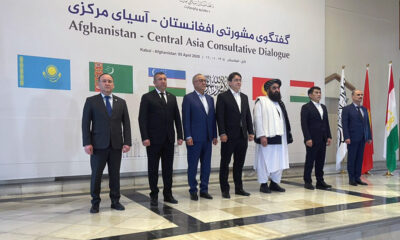
Afghanistan hosts inaugural Afghanistan–Central Asia Consultative Dialogue to strengthen regional cooperation
-
 Latest News5 days ago
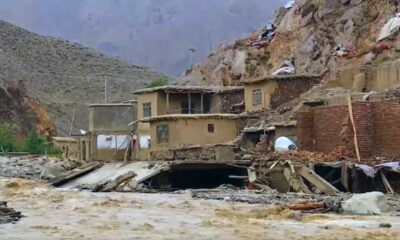
Severe rainfall and natural disasters cause heavy casualties across Afghanistan
-
 Latest News4 days ago
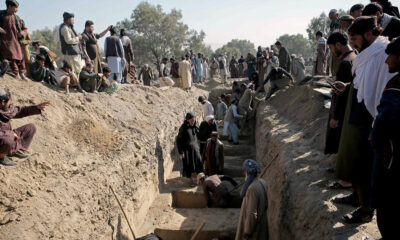
IEA accuses Pakistan of war crimes amid heavy civilian losses
-
 Latest News5 days ago
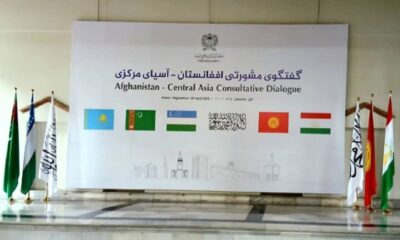
Kabul to host ‘Afghanistan–Central Asia Consultative Dialogue’ tomorrow
-

 World4 days ago
US rescues 2nd F-15 pilot hit above Iran: Trump
-
 Saar5 days ago
Saar: Ongoing Kabul-Islamabad talks in China discussed
-
 Latest News2 days ago
China seeking to build trust between Afghanistan and Pakistan