
Latest News
Positive cases of Coronavirus rise to 281 – Afghanistan


 The Ministry of Public Health announced that the number of positive cases of COVID-19 has jumped to 281, with six deaths in Afghanistan.
The Ministry said that most of the affected individuals were recorded in Herat and Kabul provinces.
According to the latest statistics, 20 new cases were diagnosed in Herat, 14 cases in Kabul, one in Nimroz, one in Ghor and one new case in eastern Nangarhar province.
Out of 281 cases, 204 of them were registered in Herat, 32 cases were recorded in Kabul and the rest were reported in 19 provinces of the country.
It comes as the World Bank donated 100.4 million USD to Afghanistan to fight COVID-19.
The press release of the World Bank said that the fund is donated to Afghanistan to take effective actions to fight Coronavirus and boost the Health structure of Afghanistan.
“This new fast track package will cover all 34 Afghan provinces and reinforce essential health care services to slow down the spread of COVID-19 across Afghanistan and deliver optimum care in the case of a surge in demand for treatment,” the World Bank said.
 Meanwhile, Waheedullah Mayar, the MOPH Spokesperson said, “the MOPH appreciates the World Bank’s aids and urges it to make available the fund as soon as possible for the people of Afghanistan.”
President Ashraf Ghani also said that COVID-19 is not only a pandemic, but also a big stroke to the World’s economy, emphasizing that a two-headed government can not overcome the COVID-19 crisis.
In the meantime, the United Nations Aids Mission to Afghanistan (UNAMA) in a statement said that one of its employees was tested positive for Coronavirus in Herat.
The UNAMA reiterated its commitment to continue its support to Afghanistan for fighting the COVID-19.

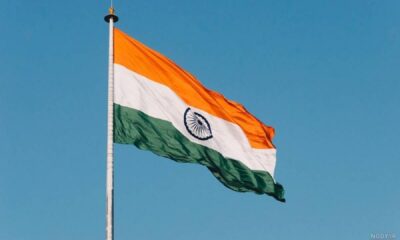
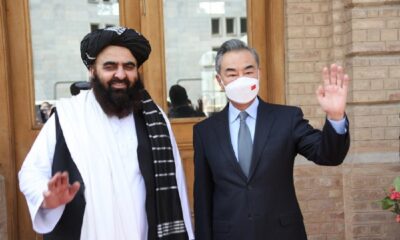










The Indian Ministry of External Affairs has condemned recent airstrikes by Pakistan on Afghanistan’s territory.
In a statement, Ministry spokesperson Shri Randhir Jaiswal said the attacks resulted in the deaths of several civilians and the destruction of civilian infrastructure.
He described the strikes as yet another act of aggression by Pakistan, which continues to oppose the idea of an independent Afghanistan.
India reiterated that Afghanistan’s sovereignty and territorial integrity must be fully respected.
Latest News
14 Pakistani soldiers killed after military post falls along Durand line: MoD
The statement added that Afghan forces destroyed one armored tank and a military vehicle belonging to Pakistani troops during the fighting.
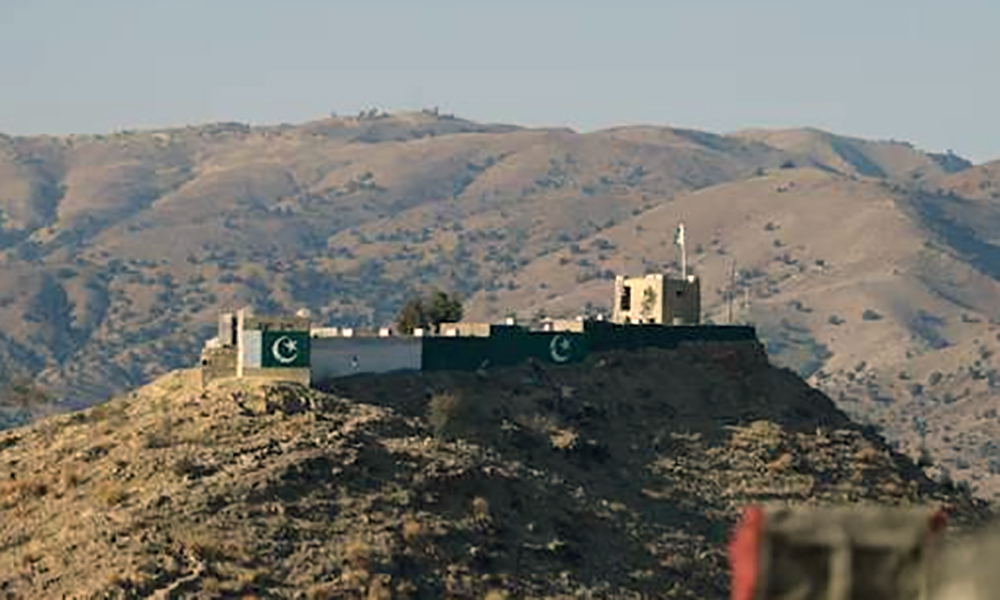
Afghanistan’s Ministry of Defense announced Saturday that Afghan defensive forces captured a Pakistani military post along the Durand Line in eastern Afghanistan following clashes between the two sides.
In a statement, the ministry said the operation was launched in response to what it described as “crimes of the Pakistani military regime” in border areas of Kunar and Nangarhar provinces.
According to the ministry, 14 Pakistani soldiers were killed and 11 others wounded during the operation.
The statement added that Afghan forces destroyed one armored tank and a military vehicle belonging to Pakistani troops during the fighting.
Defense officials emphasized that Afghanistan’s forces remain prepared to respond to any threats along the Durand Line.
Latest News
UN Security Council to vote on extension of UNAMA mission in Afghanistan
The Islamic Emirate of Afghanistan has previously criticized UNAMA’s activities, claiming that the mission’s reports misrepresent the situation in Afghanistan.
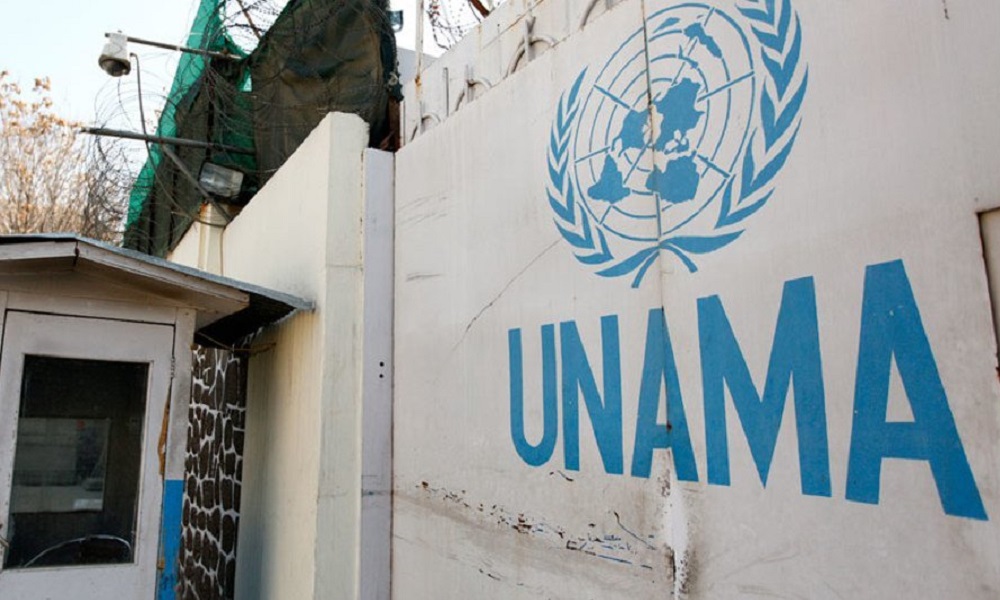
The United Nations Security Council is set to vote on Monday regarding the extension of the UN Assistance Mission in Afghanistan (UNAMA), with a draft resolution proposing a three-month extension until June 17.
The debate over the mission’s extension has divided key members of the Council. China initially called for a one-year extension, while the United States has advocated for a shorter duration. The U.S. position is based on the belief that a three-month extension would allow the Council to conduct a comprehensive review of UNAMA’s mandate before committing to a longer-term renewal.
A statement from the Security Council explained that Washington views this as an opportunity to reassess the mission’s appropriateness and effectiveness. “This mission is one of the most costly political special missions of the United Nations and operates in a highly complex environment. Therefore, the Council needs to assess whether the mission remains appropriate and effective,” the statement read.
The draft resolution also emphasizes growing concerns about human rights in Afghanistan, particularly the ongoing restrictions placed on women and girls. It calls on the Islamic Emirate of Afghanistan to lift these limitations and stresses the need for continued support in areas such as development, counterterrorism, and mine clearance. UNAMA’s field presence is also considered vital for providing critical humanitarian support and monitoring developments on the ground.
The Islamic Emirate of Afghanistan has previously criticized UNAMA’s activities, claiming that the mission’s reports misrepresent the situation in Afghanistan, painting a negative and misleading image to the international community. As the vote approaches, the future of the mission—and its ability to effectively address Afghanistan’s ongoing challenges—hangs in the balance.


Tahawol: Afghan, Chinese FMs’ phone talks discussed

Saar: UN meeting on UNAMA mission in Afghanistan discussed

India condemns Pakistani airstrikes on Afghanistan

RGC navy commander claims attacks on three US military bases

14 Pakistani soldiers killed after military post falls along Durand line: MoD

Pakistani military jet downed in Afghanistan’s Jalalabad, pilot captured alive

Afghan Air Force conducts airstrikes in Islamabad, other cities

IEA releases three Pakistani soldiers to mark Ramadan

Afghanistan’s Chief of Armed Forces underscores readiness and equipment for national defense

Afghanistan welcomes investment and technology partnerships with India
Tahawol: Afghan, Chinese FMs’ phone talks discussed
Saar: UN meeting on UNAMA mission in Afghanistan discussed

Exclusive interview with Stephen Rodriguez, UN Development Programme Representative in Afghanistan

Tawsia: Trade agreement between Afghanistan-Uzbekistan

Tahawol: Discussion on intensification of attacks in Middle East
-

 Sport4 days ago
Afghanistan’s white-ball series against Sri Lanka postponed
-
 Latest News1 day ago
Afghan airstrikes target Pakistani military sites in retaliation for air attacks
-
 Latest News5 days ago
Russia, China and UK urge Afghanistan and Pakistan to resolve issues through dialogue
-
 Latest News5 days ago
Trump envoy warns Afghanistan could face fate similar to Iran or Venezuela over detained Americans
-
 Latest News2 days ago
IEA condemns Pakistan’s airstrikes in several Afghan provinces
-
 Latest News5 days ago
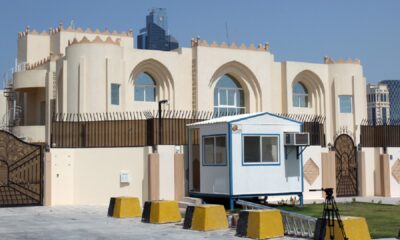
Reports about closure of IEA’s Doha office denied
-
 Regional5 days ago
Iran says oil blockade will continue until attacks end, Trump threatens to hit harder
-

 Business4 days ago
Uzbekistan ratifies preferential trade agreement with Afghanistan