
Business
Politicians, Warlords, Gov’t Officials Owe 4.5 Billion AFNs in Unpaid Electricity Bills

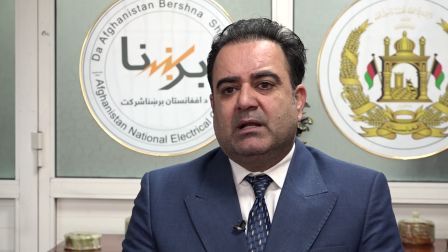
 A number of politicians, warlords, members of the National Assembly, and government officials owe 4.5 billion Afghanis in unpaid electricity bills to the Afghanistan power utility company – Da Afghanistan Breshna Sherkat (DABS), an official said on Monday.
According to the authorities, the warlords and powerful figures have beaten the staff of DABS in many occasions after they were asked to pay dues.
Wahidullah Tawhedi, DABS Spokesman told Ariana News that these people are not committed to the national interest and are calling themselves “powerful”. He said that members of parliament, political and Jahadi figures, government officials and local commanders are among the indebted customers who are not paying their electricity consumption charges.
The official further asked the judicial and law enforcement units to increase their cooperation with the power utility company.
At the same time, an official in the Afghanistan Industrial Association (AIA) says that denial of warlords to pay their electricity bills have caused DABS to face many challenges.
“This is the money of the nation. The government must act against those who denies to pay the electricity bill,” said Sakhi Ahmad Payman, the Head of AIA.

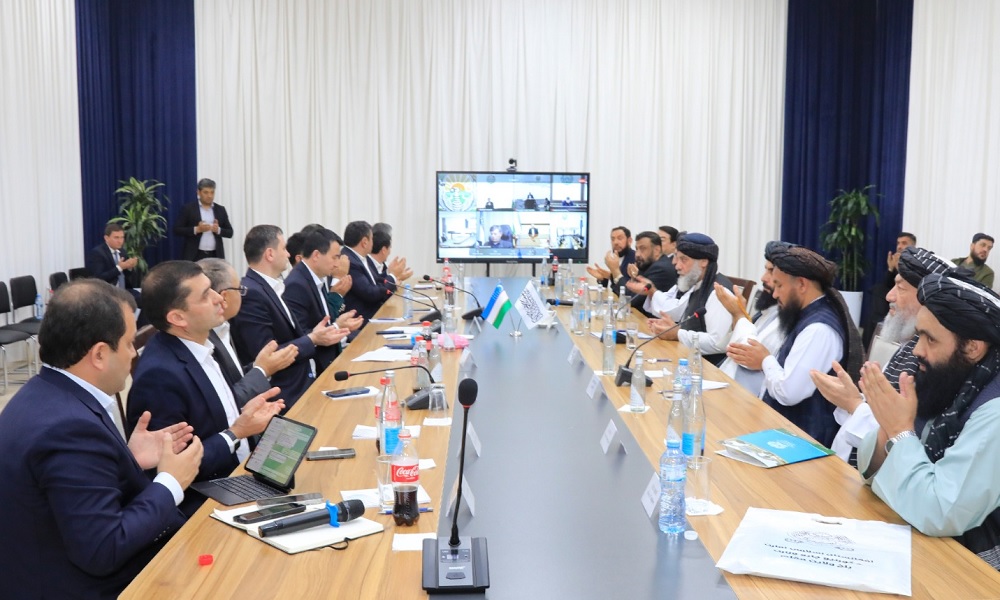
Nooruddin Azizi, Minister of Industry and Commerce of the Islamic Emirate of Afghanistan (IEA), during his official visit to Termez, Uzbekistan, met with Jamshid Khodjayev, Deputy Prime Minister of Uzbekistan, to discuss expanding bilateral economic ties.
The meeting was attended by Mohammad Yousuf Wafa, Governor of Balkh, Abdul Ghaffar Bahr, Afghan Ambassador to Tashkent, and several representatives from Afghanistan’s private sector. The two sides held extensive talks on enhancing trade relations, increasing trade volumes, expanding transit routes, removing trade barriers, and promoting joint economic initiatives.
Minister Azizi emphasized the growing partnership between the two countries and stressed the need to accelerate the implementation of agreements while providing greater support and facilities for traders and investors.
Deputy Prime Minister Khodjayev welcomed the Afghan delegation, highlighting the interest of Uzbek investors in sectors such as agriculture, mining, transport, infrastructure, and health. He also announced Uzbekistan’s readiness to deploy technical teams to support the execution of joint projects.
Azizi expressed Afghanistan’s full commitment to cooperating on shared economic initiatives, while representatives from the Afghan private sector shared their proposals, emphasizing the importance of closer collaboration between the two countries’ private sectors.
The meeting also included participation from Uzbekistan’s Ministers of Transport, Agriculture, Energy, and Health, the First Deputy Minister of Foreign Affairs, and several provincial governors, who joined online.
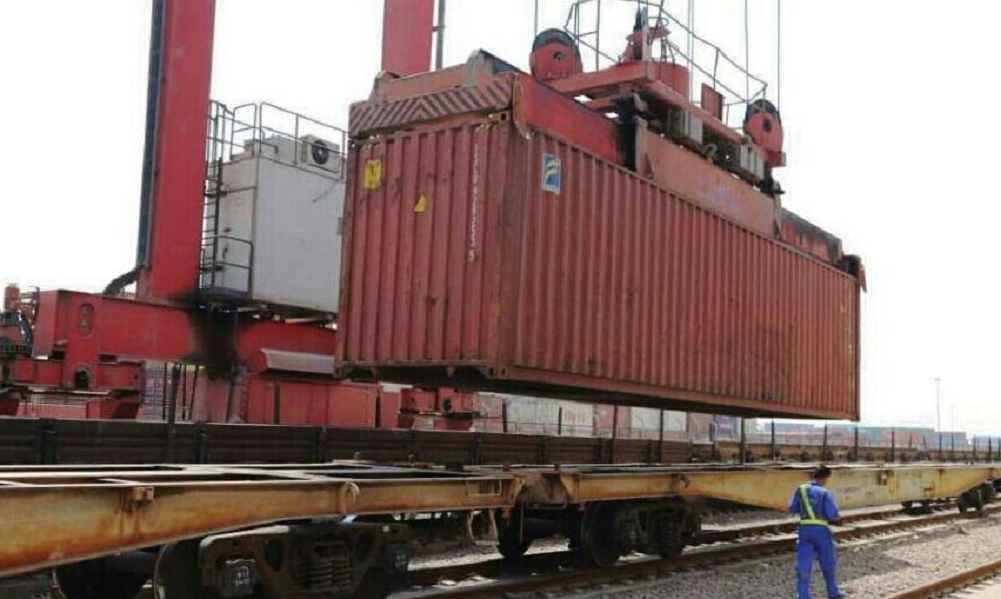
Rail freight between Iran and Afghanistan has increased 17-fold during the 1404 solar year, underscoring a sharp rise in cross-border trade and transit activity, Iranian officials say.
Shahryar Naqizada, Director General of Foreign Trade for Iran’s Railway, told state news agency IRNA that between March 2025 and February 2026, some 650,000 tons of goods were transported to Afghanistan by rail.
Of that total, approximately 150,000 tons consisted of transit cargo — goods originating in third countries and routed through Iran before entering Afghanistan.
The surge reflects Tehran’s broader push to strengthen regional connectivity and position itself as a key trade corridor linking Central Asia to international markets.
Rail links between the two neighbors have become increasingly important as Afghanistan seeks alternative trade routes and more cost-effective import channels.
A major driver of this growth is the Khaf–Herat railway line, which connects northeastern Iran to western Afghanistan and has gradually expanded commercial operations in recent years.
The line reduces transport costs and transit times compared to road freight, while also improving reliability for bulk commodities such as construction materials, fuel, food products, and industrial goods.
Looking ahead, Naqizada said Iran aims to move two million tons of cargo through the Shamtigh border crossing in the 1405 solar year (2026–2027), calling the target achievable given current momentum.
The increase in rail shipments comes amid expanding economic engagement between the two countries, including discussions on infrastructure investment, transit cooperation, and agricultural trade.
Analysts say improved rail connectivity could further integrate Afghanistan into regional supply chains, particularly if complementary customs and logistics systems are strengthened on both sides of the border.
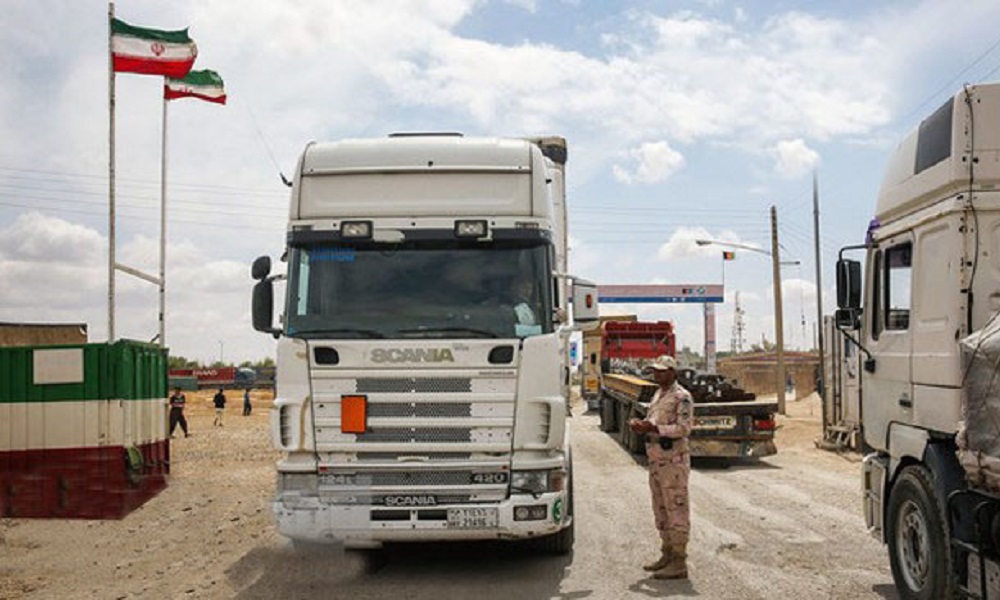
Iran is exploring ways to deepen economic engagement with Afghanistan, focusing on contract farming and trade, as discussions continue over potential formal recognition of the Islamic Emirate of Afghanistan (IEA) government, a senior Iranian business official said.
According to Iran News Daily, Mahmoud Siadat, head of the Iran–Afghanistan Joint Chamber of Commerce, said recognition of the Islamic Emirate of Afghanistan would boost investor confidence and facilitate long-term projects, including rail links connecting Iran to China via Afghanistan.
While no formal recognition has been confirmed, Siadat noted that bilateral relations have steadily improved.
Iran exports over $3 billion in goods and services annually to Afghanistan, including technical and engineering services, while Afghan exports to Iran remain limited at around $100 million.
Siadat highlighted agriculture as a key growth area, with plans for contract farming where Iranian firms would provide technology, expertise, and guaranteed purchase agreements for Afghan crops and livestock.
“Instead of importing legumes from Canada, we can source them from Afghanistan,” he said, noting that structured agricultural cooperation could benefit both countries.
Remittances from Afghans working in Iran, he added, further underline the strong economic ties between the neighbors.
Even without formal recognition, trade remains robust, but Siadat emphasized that a clear diplomatic framework could unlock more investment and strategic projects.


Afghanistan expresses deep concern as Middle East crisis intensifies

Afghanistan says Pakistani airspace violation over Kabul was thwarted

FIFA calls for ‘all teams to participate’ in 2026 World Cup amid US–Iran conflict

UNSC to convene meeting on Afghanistan in March 9

Pakistan’s night strikes hit residential areas in Afghanistan, civilian casualties reported

Pakistani military jet downed in Afghanistan’s Jalalabad, pilot captured alive

IEA releases three Pakistani soldiers to mark Ramadan

AFC Futsal Asian Cup: Afghanistan to face Iran in crucial Group D clash

Afghanistan’s Chief of Armed Forces underscores readiness and equipment for national defense

Afghanistan welcomes investment and technology partnerships with India

Tahawol: Joint Israeli-US attacks on Iran discussed

Saar: Afghan retaliatory operations against Pakistan discussed

Tahawol: Carrying out retaliatory operations against Pakistan discussed

Saar: Resumption of retaliatory operations against Pakistan discussed

Tahawol: IEA’s military response against Pakistan discussed
-
 Latest News2 days ago
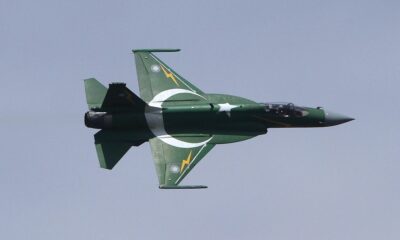
Pakistani military jet downed in Afghanistan’s Jalalabad, pilot captured alive
-
 Latest News2 days ago
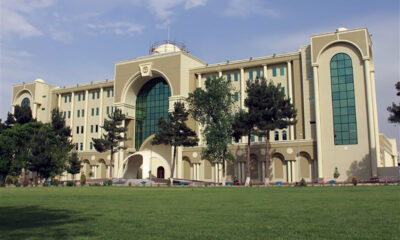
Afghan Air Force conducts airstrikes in Islamabad, other cities
-
 Latest News2 days ago
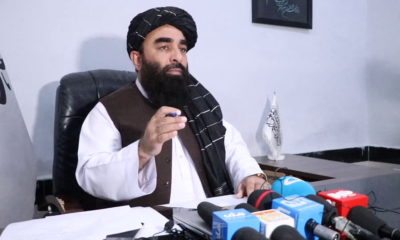
IEA: Special circle in Pakistan has launched mission to destabilize region
-
 World4 days ago
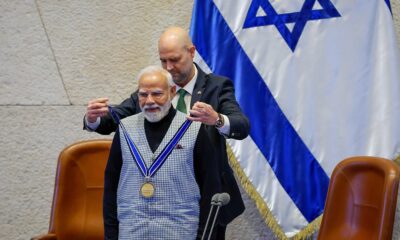
India’s Modi backs Israel in address at Israeli parliament
-
 Latest News2 days ago
Turkey launches initiative to diffuse Afghanistan-Pakistan tension
-
 Regional3 days ago
Narendra Modi holds high-level talks after historic address to Knesset
-

 Latest News3 days ago
Afghans say they are united against Pakistan aggression
-
 Latest News3 days ago
Pakistan carries out airstrikes after Afghanistan launches retaliatory attacks