
Latest News
Pakistan completes 94% of border fence, despite ‘isolated’ incidents

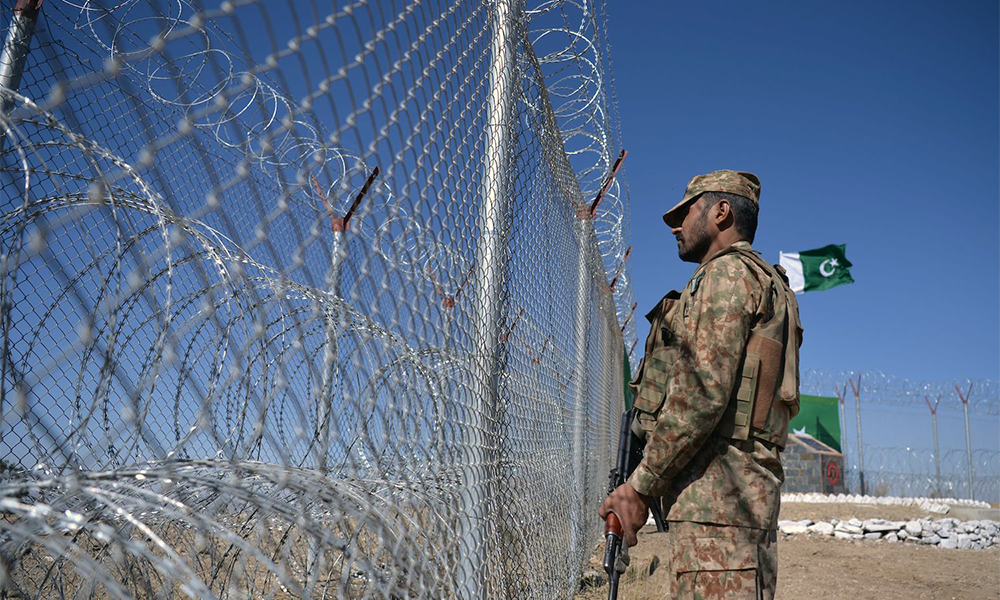
The Pakistani military has said the fencing project along the Durand Line with Afghanistan will continue despite issues raised in recent weeks.
Inter-Services Public Relations (ISPR) Director General Maj Gen Babar Iftikhar said on Wednesday that 94% of the border fence has been completed and that work on the remaining section continues.
“We are totally focused, and under the western border management regime, the work that is underway will be completed sometime soon.”
He also said the border management process would be improved.
“The blood of our martyrs was spilled in erecting this fence. It is a fence of peace. It will be completed and will remain [in place].”
Although the Islamic Emirate of Afghanistan (IEA) considers good relations with Pakistan to be a priority, footage published on social media that emerged this week allegedly shows IEA border forces destroying sections of the fence.
Iftikhar made it clear that Pakistan considers the Durand Line as the international border between the two countries. “It is an internationally recognised border,” he added.
When asked whether the government had raised the issue with the Afghan government, about the damage, Iftikhar said western border management had “local and strategic dynamics”.
He said the recent damage to the fence, allegedly by IEA forces, was “one or two localised problems”, which he said was being discussed by the governments of both countries.
“We have very good relations. We understand each other and keep talking about different issues that keep surfacing. There is no problem, fencing is underway and will continue.”
“The fencing should be stopped as a first step and the issue should be resolved through diplomacy. If the former government officials have signed any agreement with Pakistan on this issue, they should be held accountable to the Afghan people,” said Mohammad Saddiq Shinwari, an Afghan military analyst.
Since the beginning of the Islamic Emirate’s take over in the country, Pakistan has said the Afghan border forces have repeatedly clashed with the Pakistani military over the fencing.
However, the Islamic Emirate does not consider the matter a serious problem between them and officials have said that the improvement of relations with neighboring countries is a priority and that the fence problems are isolated incidents.
“The position of the Islamic Emirate is that it wants good relations with all countries, especially neighboring countries, and the small clashes that have occurred near the zero points are at the local level, and any concerns have been resolved and we do not have any concerns at the border or line level between the two countries,” said Bilal Karimi, IEA’s deputy spokesman.
Two days ago, Pakistani Foreign Minister Shah Mahmood Qureshi also reacted to the Afghan forces’ move to stop the fencing and said that Pakistan will continue fencing the border.





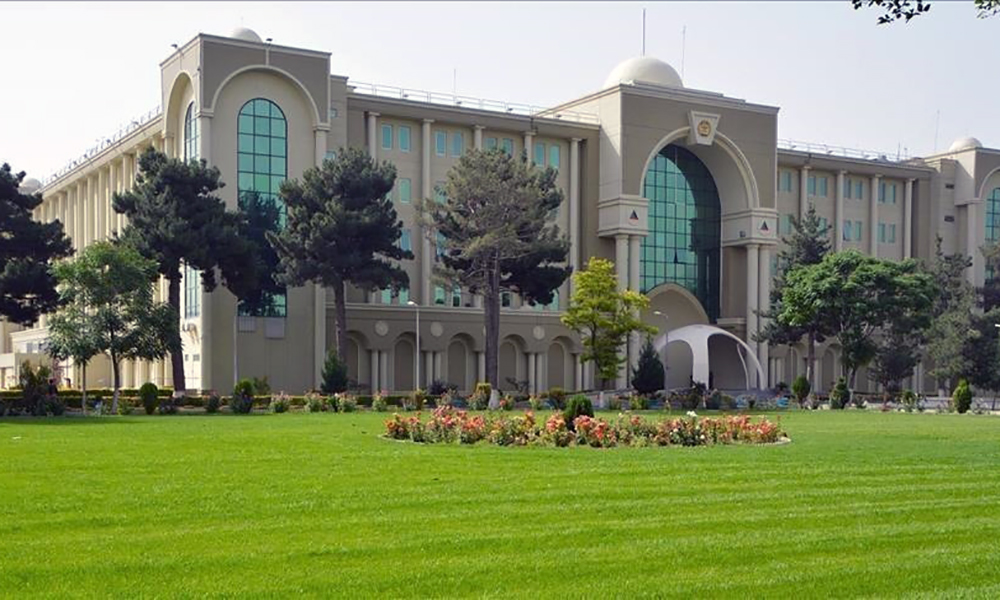
Afghanistan’s Ministry of National Defense has announced that the country’s air force carried out an attack today (Sunday) on a military camp in Wana, the main town of South Waziristan, in retaliation for last night’s attacks on Kandahar.
Enayatullah Khwarizmi, the spokesperson for the ministry, said that the SSG’s (Special Service Group) building and other key facilities inside the camp were targeted in the strike.
He added that a large part of the command headquarters and other facilities of this important center were destroyed, and Pakistani soldiers suffered heavy human and material losses in the attack.
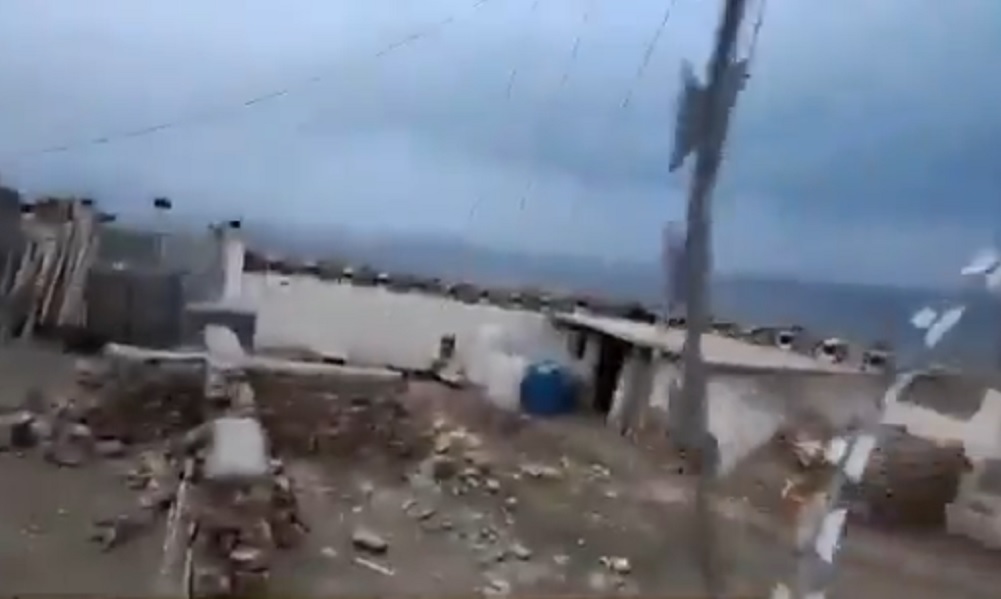
Local officials in Kandahar said a center for drug addicts was struck during recent Pakistani regime air raids in the province. Authorities confirmed that no casualties were reported in the incident.
Meanwhile, Afghanistan’s Ministry of Defense said Afghan security forces carried out retaliatory operations following the latest Pakistani airstrikes.
According to Sadeequllah Nasrat, Deputy Spokesperson for Strategic Communications and Information at the Ministry of Defense, Afghan defensive forces captured a Pakistani military position known as the “Janda Post” in Zazi Maidan district of Khost province along the Durand Line during the night.
Nasrat said the operation was part of ongoing retaliatory actions under the campaign known as “Rad al-Zulm,” describing it as a defensive response to what he called Pakistani aggression.
He also released a video showing Afghan forces taking control of the military post.
The developments come amid rising tensions between Afghanistan and Pakistan following a series of cross strikes that have drawn criticism from regional figures and increased concerns over further escalation.
Latest News
China offers to mediate between Kabul and Islamabad
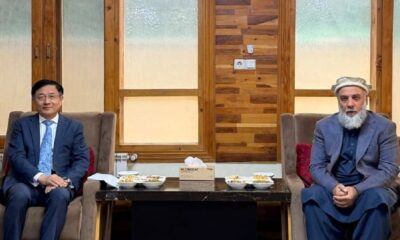
China’s special envoy for Afghanistan is actively shuttling between Kabul and Islamabad to encourage dialogue and reconciliation.
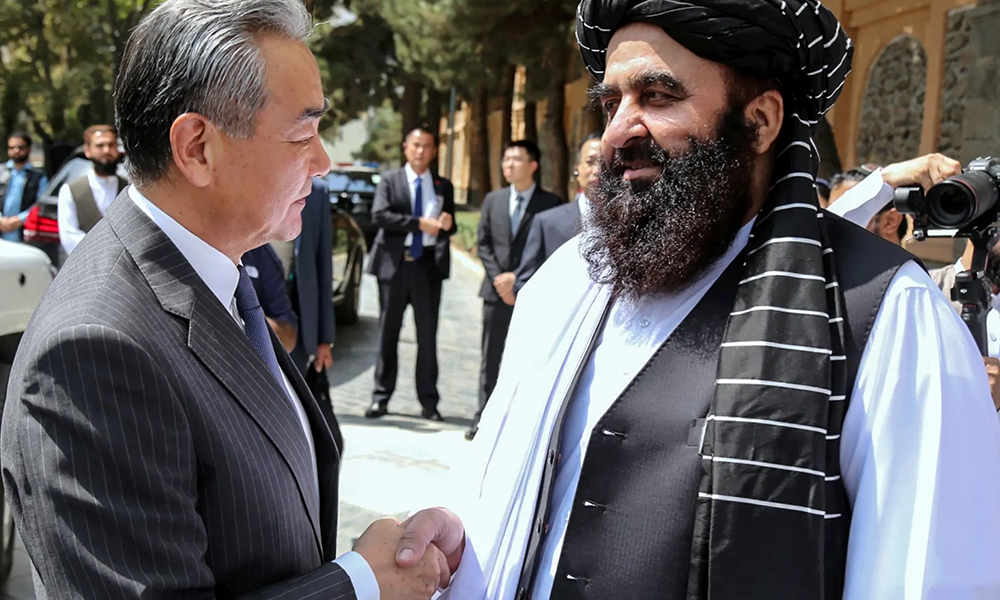
Amid rising tensions between Afghanistan and Pakistan, China has stepped forward to mediate and prevent further escalation of the conflict.
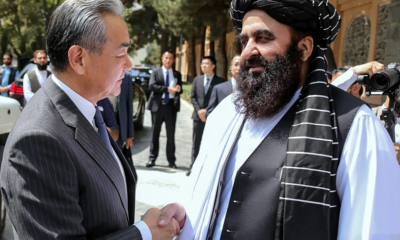
The Chinese Ministry of Foreign Affairs said that Foreign Minister Wang Yi expressed Beijing’s readiness to assist in resolving the tensions during a phone call with Amir Khan Muttaqi, Afghanistan’s Foreign Minister.
China’s special envoy for Afghanistan is actively shuttling between Kabul and Islamabad to encourage dialogue and reconciliation.
The ministry’s statement emphasized: “China hopes both sides maintain calm, conduct face-to-face talks as soon as possible, establish a ceasefire, and resolve disputes through dialogue.”
Analysts, however, caution that while the mediation may help reduce short-term tensions, the conflict may persist unless Pakistan’s policy toward Afghanistan changes.
The Islamic Emirate has reiterated that it seeks no conflict with neighbors but reserves the right to defend Afghanistan’s territory.


IPL 2026 kicks off in under two weeks; Afghan players set to shine

Afghan airstrike targets a military camp in South Waziristan

Pakistan targeting civilian sites as Afghan forces capture military post in Khost

China offers to mediate between Kabul and Islamabad

Regional criticism grows amid Pakistan strikes inside Afghanistan

Pakistani military jet downed in Afghanistan’s Jalalabad, pilot captured alive

Afghan Air Force conducts airstrikes in Islamabad, other cities

IEA releases three Pakistani soldiers to mark Ramadan

Afghanistan’s Chief of Armed Forces underscores readiness and equipment for national defense

Afghanistan welcomes investment and technology partnerships with India

Tahawol: Afghan, Chinese FMs’ phone talks discussed

Saar: UN meeting on UNAMA mission in Afghanistan discussed

Exclusive interview with Stephen Rodriguez, UN Development Programme Representative in Afghanistan

Tawsia: Trade agreement between Afghanistan-Uzbekistan

Tahawol: Discussion on intensification of attacks in Middle East
-
 Latest News2 days ago
Afghan airstrikes target Pakistani military sites in retaliation for air attacks
-

 Sport4 days ago
Afghanistan’s white-ball series against Sri Lanka postponed
-
 Latest News2 days ago
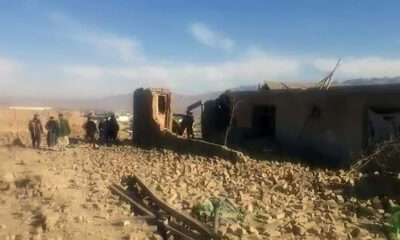
IEA condemns Pakistan’s airstrikes in several Afghan provinces
-
 Sport3 days ago
Afghanistan’s national buzkashi team set to compete in Kazakhstan
-

 Business4 days ago
Uzbekistan ratifies preferential trade agreement with Afghanistan
-
 Latest News3 days ago
China urges de-escalation in Iran crisis and Afghanistan–Pakistan tensions
-
 Latest News3 days ago
China to build nine border facilities along Tajik-Afghan frontier: report
-
 Latest News4 days ago
Azizi meets Chinese envoy to discuss expanding trade and investment in Afghanistan