
Latest News
One-third of Afghan population facing acute food insecurity


One-in-three Afghans are acutely food insecure, according to the latest Integrated Food Security Phase Classification (IPC) assessment report released by the Afghan government and its partners on Tuesday.
According to the IPC report, food insecurity in Afghanistan is attributed to the lingering impact of COVID-19, armed conflict, a rise in food prices, high unemployment rates and income loss, and the start of the complex and recurrent La Niña weather event.
“With doubling of our focus on mitigating adverse effects of COVID-19 on the most vulnerable, we have managed to bring the numbers down from a projected 42 to 35 percent, which is an achievement, however this is still far from our vision of a hunger-free Afghanistan,” said the Minister of Agriculture, Irrigation and Livestock of the Government of the Islamic Republic of Afghanistan, Anwarul Haq Ahady.
“A third of our people are struggling to feed their families. We must not let our guard down in light of the challenges ahead, specifically the drought-like effects La Niña is already triggering across the country, and the Government is preparing to respond to the impending drought”, he said.
While the Government prepares its response to an impending drought, the Food and Agriculture Organization of the United Nations (FAO) and United Nations World Food Programme (WFP) warn that current resourcing is inadequate to protect lives and livelihoods at risk.
“Millions of Afghan families already struggle to survive, and now they face the second drought in three years. A bag of wheat is 30 percent more expensive than the four-year average. Jobs are few and far between,” Mary-Ellen McGroarty, WFP Representative in Afghanistan said.
“The lean season is expected to arrive earlier and bite harder. We need to act now, bring food closer to people’s homes, and prevent irreversible malnutrition in mothers and children who will be impacted the most. We simply cannot wait and see.”
However, significant funding gaps for humanitarian agencies pose a challenge in meeting even the most basic humanitarian needs in the coming months, the report stated.
While the onset of the summer harvest may bring employment and improve access to food, the report warns the harvest is expected to be “below average” and the “food security situation is expected to deteriorate further during the 2021-2022 lean season”.
A further deterioration of the food security context will push more people to join one third of the population already food insecure.
“In order to understand the IPC report figures, we need to take into account two things. First, this analysis was conducted before any of the drought-like effects could be felt. Second, the projection period coincides with the harvest season, but the most serious effects of the lower rain and snowfall are affecting agriculture and livestock production with cascading food security impacts during the subsequent lean season.
“These figures actually call for immediate action that mitigates the impacts on agriculture and livestock production and prevents rural people from abandoning their agriculture-based livelihoods and displacing to urban areas,” said Rajendra Aryal, FAO Representative in Afghanistan.
La Niña drought-like effects are already evident in Afghanistan, according to FAO.
Early evidence of agricultural drought has been found in 25 hotspots across the country. This weather event is expected to severely affect both agricultural and livestock production in 2021.
According to FAO estimates, wheat production decreased by 16 to 27 percent in the last five drought events induced by La Niña; the potential impact on livestock production of this year’s event is expected to affect 30 percent of ruminants in 18 provinces.

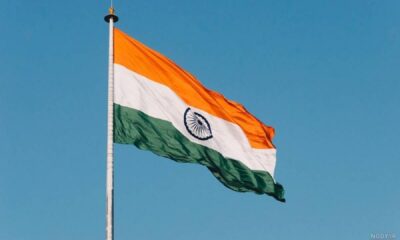




The Indian Ministry of External Affairs has condemned recent airstrikes by Pakistan on Afghanistan’s territory.
In a statement, Ministry spokesperson Shri Randhir Jaiswal said the attacks resulted in the deaths of several civilians and the destruction of civilian infrastructure.
He described the strikes as yet another act of aggression by Pakistan, which continues to oppose the idea of an independent Afghanistan.
India reiterated that Afghanistan’s sovereignty and territorial integrity must be fully respected.
Latest News
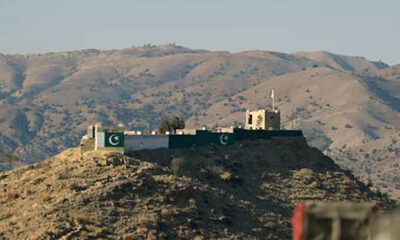
14 Pakistani soldiers killed after military post falls along Durand line: MoD
The statement added that Afghan forces destroyed one armored tank and a military vehicle belonging to Pakistani troops during the fighting.
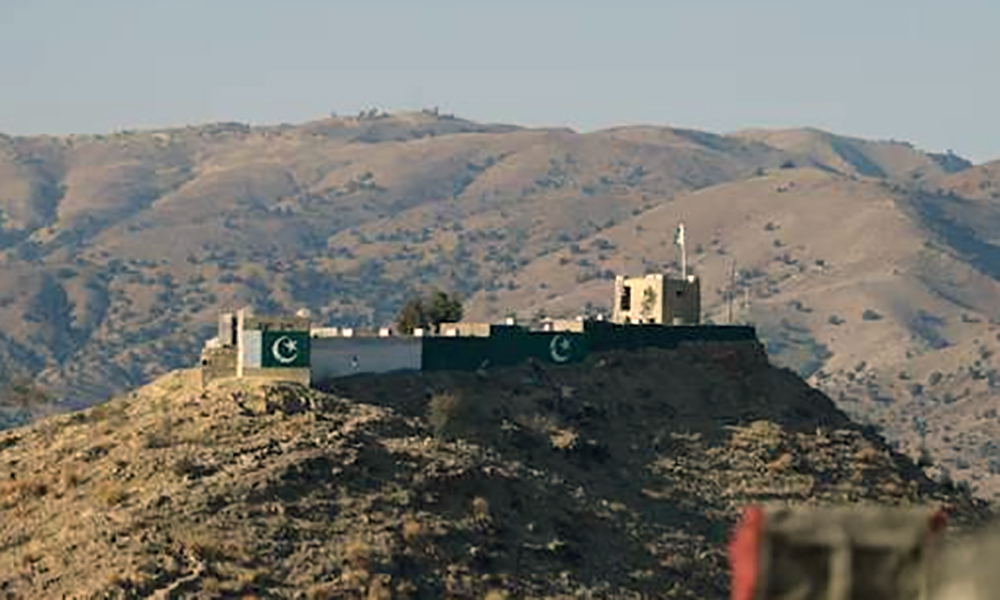
Afghanistan’s Ministry of Defense announced Saturday that Afghan defensive forces captured a Pakistani military post along the Durand Line in eastern Afghanistan following clashes between the two sides.
In a statement, the ministry said the operation was launched in response to what it described as “crimes of the Pakistani military regime” in border areas of Kunar and Nangarhar provinces.
According to the ministry, 14 Pakistani soldiers were killed and 11 others wounded during the operation.
The statement added that Afghan forces destroyed one armored tank and a military vehicle belonging to Pakistani troops during the fighting.
Defense officials emphasized that Afghanistan’s forces remain prepared to respond to any threats along the Durand Line.
Latest News
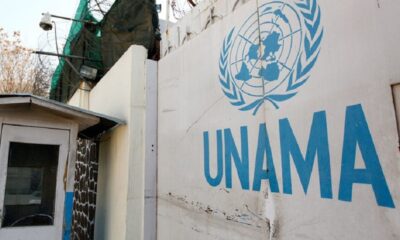
UN Security Council to vote on extension of UNAMA mission in Afghanistan
The Islamic Emirate of Afghanistan has previously criticized UNAMA’s activities, claiming that the mission’s reports misrepresent the situation in Afghanistan.
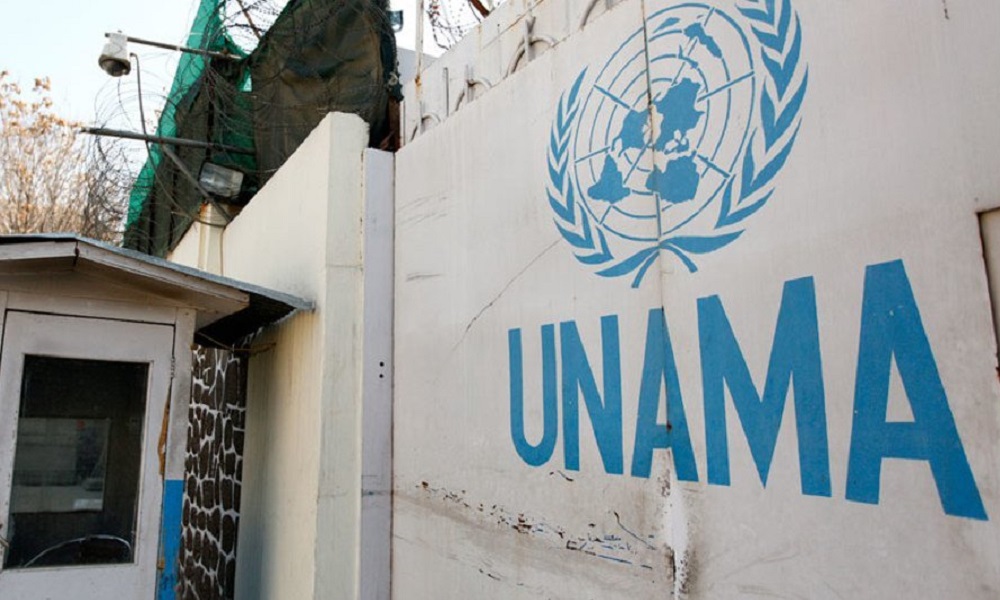
The United Nations Security Council is set to vote on Monday regarding the extension of the UN Assistance Mission in Afghanistan (UNAMA), with a draft resolution proposing a three-month extension until June 17.
The debate over the mission’s extension has divided key members of the Council. China initially called for a one-year extension, while the United States has advocated for a shorter duration. The U.S. position is based on the belief that a three-month extension would allow the Council to conduct a comprehensive review of UNAMA’s mandate before committing to a longer-term renewal.
A statement from the Security Council explained that Washington views this as an opportunity to reassess the mission’s appropriateness and effectiveness. “This mission is one of the most costly political special missions of the United Nations and operates in a highly complex environment. Therefore, the Council needs to assess whether the mission remains appropriate and effective,” the statement read.
The draft resolution also emphasizes growing concerns about human rights in Afghanistan, particularly the ongoing restrictions placed on women and girls. It calls on the Islamic Emirate of Afghanistan to lift these limitations and stresses the need for continued support in areas such as development, counterterrorism, and mine clearance. UNAMA’s field presence is also considered vital for providing critical humanitarian support and monitoring developments on the ground.
The Islamic Emirate of Afghanistan has previously criticized UNAMA’s activities, claiming that the mission’s reports misrepresent the situation in Afghanistan, painting a negative and misleading image to the international community. As the vote approaches, the future of the mission—and its ability to effectively address Afghanistan’s ongoing challenges—hangs in the balance.


Tahawol: Afghan, Chinese FMs’ phone talks discussed

Saar: UN meeting on UNAMA mission in Afghanistan discussed

India condemns Pakistani airstrikes on Afghanistan

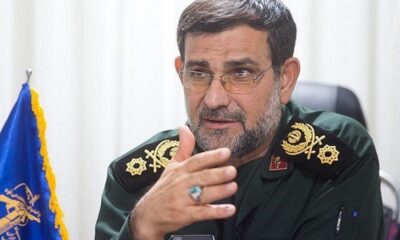
RGC navy commander claims attacks on three US military bases

14 Pakistani soldiers killed after military post falls along Durand line: MoD

Pakistani military jet downed in Afghanistan’s Jalalabad, pilot captured alive

Afghan Air Force conducts airstrikes in Islamabad, other cities

IEA releases three Pakistani soldiers to mark Ramadan

Afghanistan’s Chief of Armed Forces underscores readiness and equipment for national defense

Afghanistan welcomes investment and technology partnerships with India
Tahawol: Afghan, Chinese FMs’ phone talks discussed
Saar: UN meeting on UNAMA mission in Afghanistan discussed

Exclusive interview with Stephen Rodriguez, UN Development Programme Representative in Afghanistan

Tawsia: Trade agreement between Afghanistan-Uzbekistan

Tahawol: Discussion on intensification of attacks in Middle East
-

 Sport4 days ago
Afghanistan’s white-ball series against Sri Lanka postponed
-
 Latest News2 days ago
Afghan airstrikes target Pakistani military sites in retaliation for air attacks
-
 Latest News5 days ago
Russia, China and UK urge Afghanistan and Pakistan to resolve issues through dialogue
-

 Latest News5 days ago
Trump envoy warns Afghanistan could face fate similar to Iran or Venezuela over detained Americans
-
 Latest News2 days ago
IEA condemns Pakistan’s airstrikes in several Afghan provinces
-

 Latest News5 days ago
Reports about closure of IEA’s Doha office denied
-
 Regional5 days ago
Iran says oil blockade will continue until attacks end, Trump threatens to hit harder
-

 Business4 days ago
Uzbekistan ratifies preferential trade agreement with Afghanistan