
Latest News
Naseer Ahmad Faiq becomes Afghanistan’s envoy to UN, replacing Isaczai

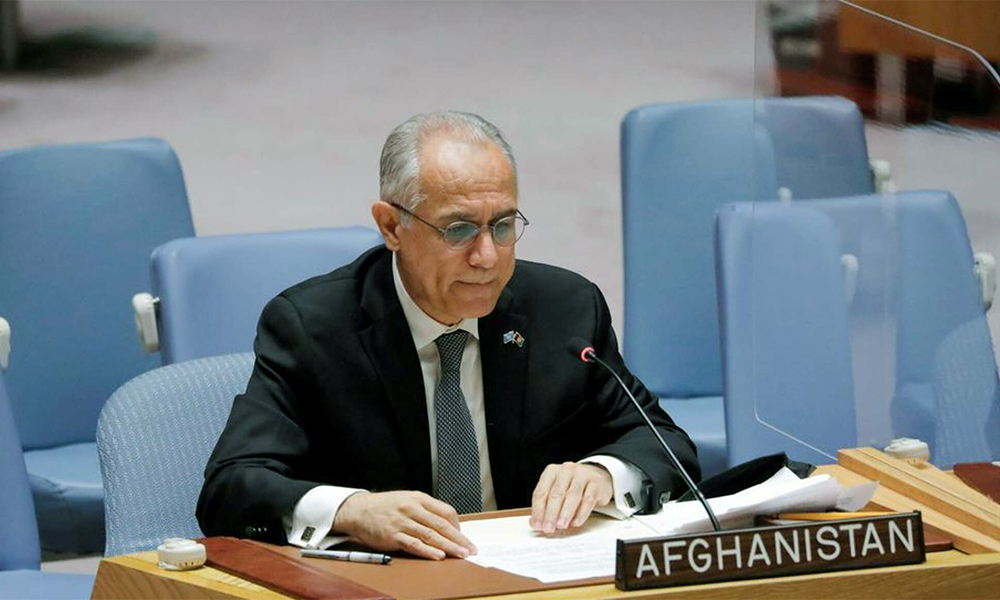
Afghanistan’s Permanent Mission to the United Nations announced late Thursday night that Naseer Ahmad Faiq has taken over the leadership of Afghanistan’s Permanent Mission to the United Nations, replacing Ghulam Mohammad Isaczai.
Afghanistan’s Permanent Mission to the United Nations wrote in an official tweet that Faiq is in charge of all activities of Afghanistan’s Permanent Mission to the United Nations.
The Mission said in a statement that Faiq would work with all members of the organization and United Nations officials to address the dire humanitarian situation currently facing Afghanistan, including the fundamental rights of all citizens, including women’s rights, girls and ethnic minorities.
The statement noted that mobilizing and providing humanitarian assistance and the effective delivery of aid to Afghanistan’s vulnerable people, who are starving in the winter cold, are among the priorities that require immediate attention.
However, the statement did not provide details by which authority Faiq was appointed as Afghanistan’s new permanent representative to the United Nations.
Faiq took over the leadership of Afghanistan’s Permanent Mission to the United Nations a day later, when Afghanistan’s ambassador to the United Nations, Ghulam Mohammad Isaczai, resigned on Wednesday, according to US media reports.
Isaczai, however, has not yet officially commented on his resignation from Afghanistan’s Permanent Mission to the United Nations.
Foreign Policy website quotes three Afghan diplomats as saying that Isaczairesigned for a reason that’s been appointed to another UN post.
Isaczai was appointed to this position in July 2021 by former Afghan President Mohammad Ashraf Ghani.
On December 6, the UN General Assembly decided that Ghulam Mohammad Isaczai would remain Afghanistan’s permanent representative to the United Nations, a move criticized by the Islamic Emirate of Afghanistan [IEA], who called the decision “unfair.”
The new government, however, has appointed IEA’s political spokesman Suhail Shaheen as Afghanistan’s permanent representative to the United Nations.

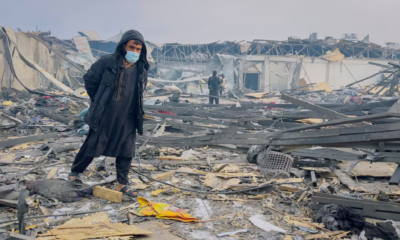
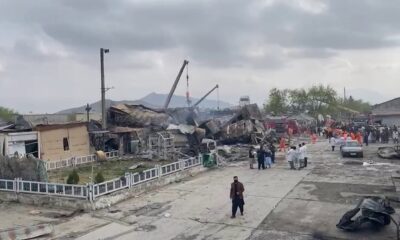
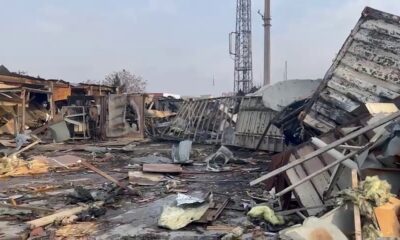
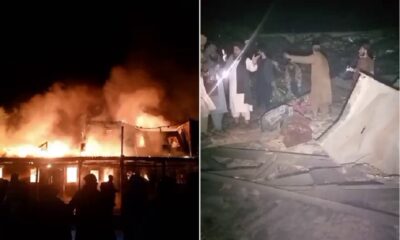

The Ministry of External Affairs of India has strongly condemned Monday night’s airstrike attributed to Pakistan on a drug rehabilitation hospital in Kabul.
In an official statement, India described the attack, which took place on the night of March 16, as a “cowardly and unconscionable act” that killed a large number of civilians at a medical facility.
It emphasized that such a site cannot be justified as a military target under any circumstances.
India further called the incident a “blatant assault” on Afghanistan’s sovereignty and a serious threat to regional peace and stability, adding that it reflects a pattern of reckless behavior.
The statement also noted that carrying out such an attack during the holy month of Ramadan makes it even more reprehensible, stressing that no moral or legal grounds exist for targeting a hospital and its patients.
India urged the international community to hold those responsible accountable and to ensure an immediate end to attacks on civilians.
It concluded by extending condolences to the families of the victims, wishing a swift recovery to the injured, and reaffirming support for Afghanistan’s sovereignty and territorial integrity.
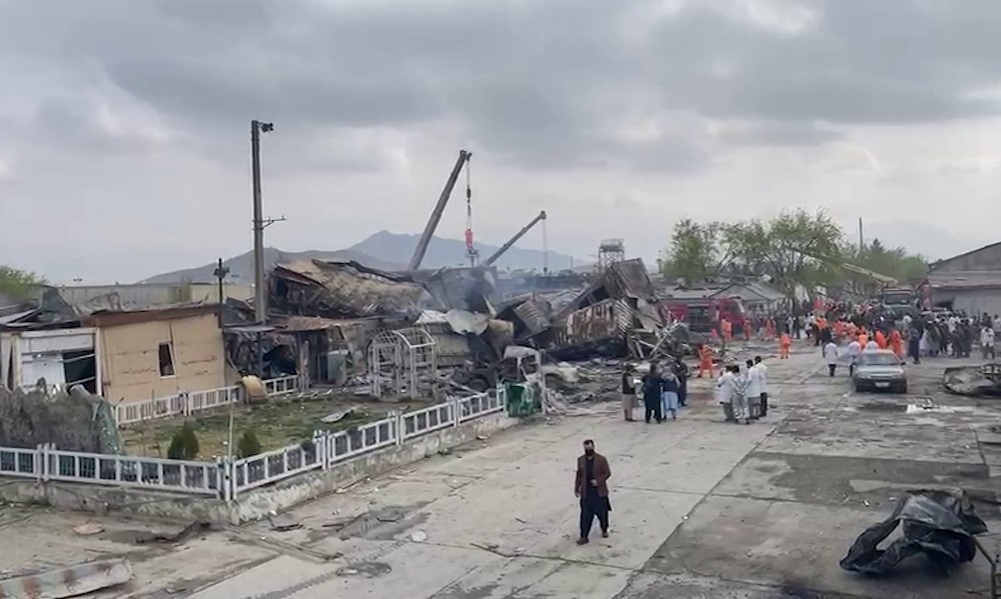
Abdul Matin Qane, spokesperson for Afghanistan’s Ministry of Interior, warned on Tuesday that the country will deliver a “teeth-breaking response” following a deadly airstrike in Kabul that authorities have blamed on Pakistan.
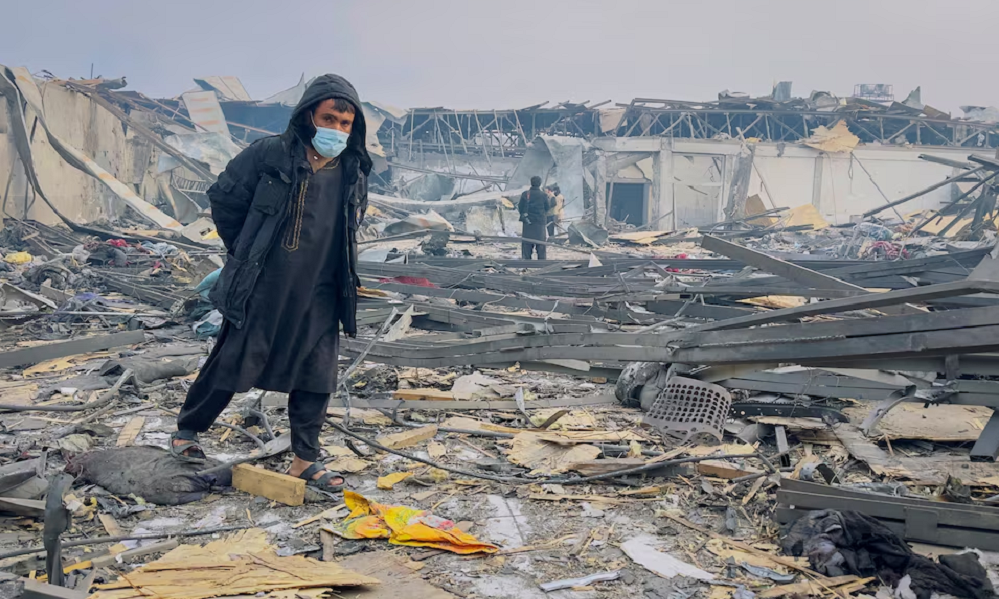
According to Afghan officials, the strike targeted the 2,000-bed Omid Addiction Treatment Hospital in the Pul-e-Charkhi area of the capital late Monday night, killing at least 400 people and wounding 250 others.
Qane said recovery efforts were still ongoing on Tuesday morning as emergency teams searched for bodies beneath the rubble.
The incident comes amid a sharp escalation in tensions between Afghanistan and Pakistan in recent weeks, marked by airstrikes, artillery fire, and growing accusations from both sides.
Afghan authorities have repeatedly condemned what they describe as Pakistani military operations inside Afghan territory, particularly in eastern and southeastern provinces.
In recent weeks, Afghan officials have reported multiple strikes and shelling incidents that they say have caused civilian casualties and damage to infrastructure.
Islamabad, meanwhile, has claimed it is targeting militant groups it accuses of using Afghan territory to launch attacks inside Pakistan.
The worsening security situation has displaced families along the disputed Durand Line frontier and heightened fears of broader conflict between the two neighboring countries. Afghan officials have warned that continued military actions risk further destabilizing the region.
Qane said Kabul views the latest strike as a major escalation and stressed that a response would be forthcoming. “Such attacks cannot go unanswered,” he said, reiterating that Afghan authorities consider the incident a violation of the country’s sovereignty.
There has been no immediate detailed response from Pakistani officials regarding the Kabul strike, though tensions between the two sides remain high as calls grow for restraint and international attention to the unfolding crisis.
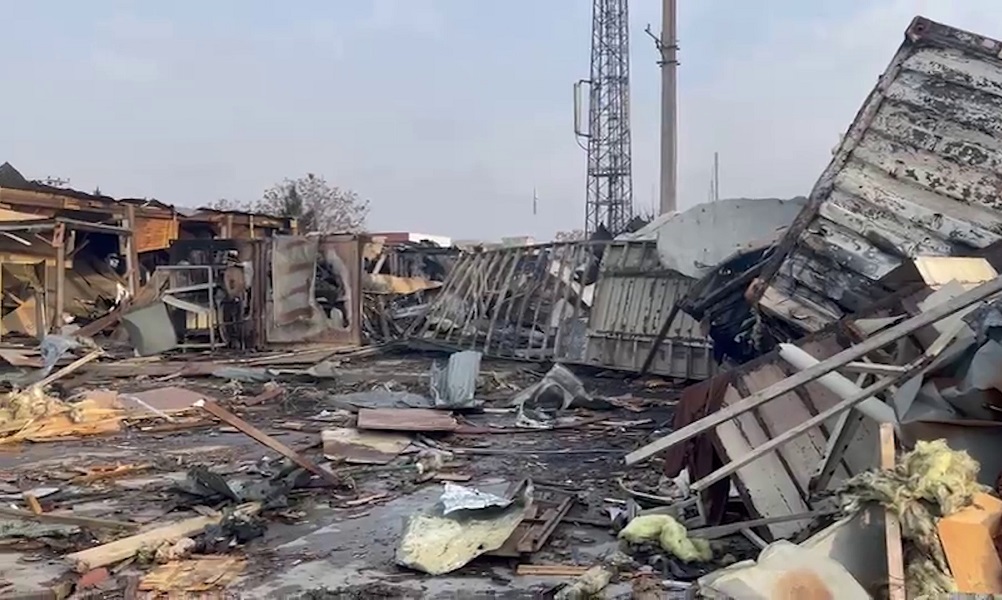
Afghan authorities say at least 400 people were killed and around 250 others injured after Pakistani military regime struck a drug rehabilitation hospital in Kabul on Monday night, marking a major escalation in tensions between the two neighboring countries.
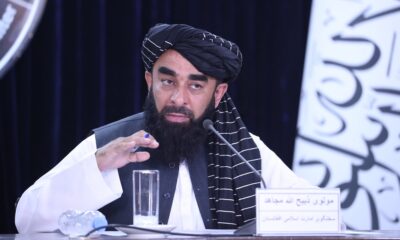
Hamdullah Fitrat, deputy spokesman for the government, said that the airstrike hit Omid Addiction Treatment Hospital, a 2,000-bed facility dedicated to the treatment of drug addiction.
“As a result of the attack, large sections of the hospital have been destroyed, and there are serious concerns about a high number of casualties. Unfortunately, the death toll has so far reached 400, while around 250 others have been reported injured,” Fitrat said on X.
The incident comes amid intensifying conflict between Afghanistan and Pakistan, which has escalated in recent months.
Richard Bennett, the UN Special Rapporteur for human rights in Afghanistan, said he was “dismayed” by fresh reports of Pakistani air strikes and resulting civilian deaths.
“My condolences. I urge parties to de-escalate, exercise maximum restraint and respect international law, including the protection of civilians and civilian objects such as hospitals,” he said in a post on X.


India condemns airstrike on hospital in Kabul, calls for accountability

Afghanistan warns Pakistan of ‘teeth-breaking’ response after deadly Kabul bombing

400 killed, hundreds wounded in Pakistan airstrike on Kabul hospital

IEA condemns alleged airstrike by Pakistan on drug treatment hospital in Kabul

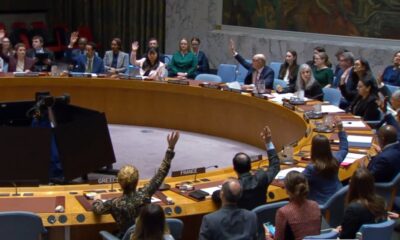
UN Security Council extends UNAMA mandate for three months after US review call

Pakistani military jet downed in Afghanistan’s Jalalabad, pilot captured alive

Afghan Air Force conducts airstrikes in Islamabad, other cities

IEA releases three Pakistani soldiers to mark Ramadan

Afghanistan’s Chief of Armed Forces underscores readiness and equipment for national defense

Afghanistan welcomes investment and technology partnerships with India

Tahawol: China’s efforts for Afghanistan-Pakistan talks

Saar: UNSC’s upcoming vote on UNAMA mandate

Tahawol: Afghan, Chinese FMs’ phone talks discussed

Saar: UN meeting on UNAMA mission in Afghanistan discussed

Exclusive interview with Stephen Rodriguez, UN Development Programme Representative in Afghanistan
-
 Latest News3 days ago
14 Pakistani soldiers killed after military post falls along Durand line: MoD
-
 Latest News4 days ago
Afghan airstrikes target Pakistani military sites in retaliation for air attacks
-
 Latest News4 days ago
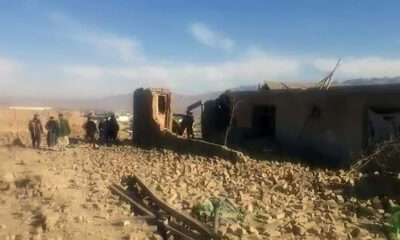
IEA condemns Pakistan’s airstrikes in several Afghan provinces
-
 Sport5 days ago
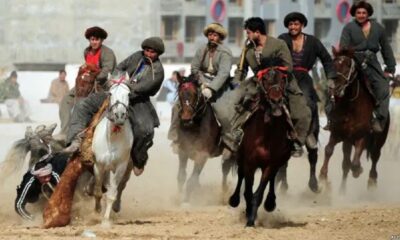
Afghanistan’s national buzkashi team set to compete in Kazakhstan
-

 World5 days ago
Iran claims it targeted a US-linked oil tanker in Strait of Hormuz
-
 Latest News2 days ago
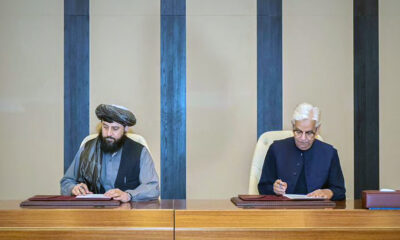
Regional criticism grows amid Pakistan strikes inside Afghanistan
-
 World3 days ago
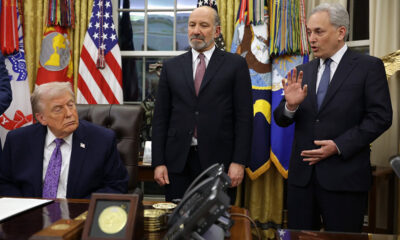
White House AI czar says US should ‘declare victory and get out’ of Iran war
-
 Latest News4 days ago
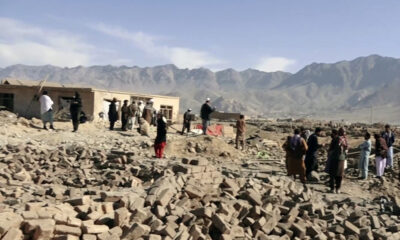
UNAMA: Four civilians killed, 14 injured in Pakistani airstrike in Kabul