
Latest News
More high-ranking officials face prosecution over COVID-19 funding fraud

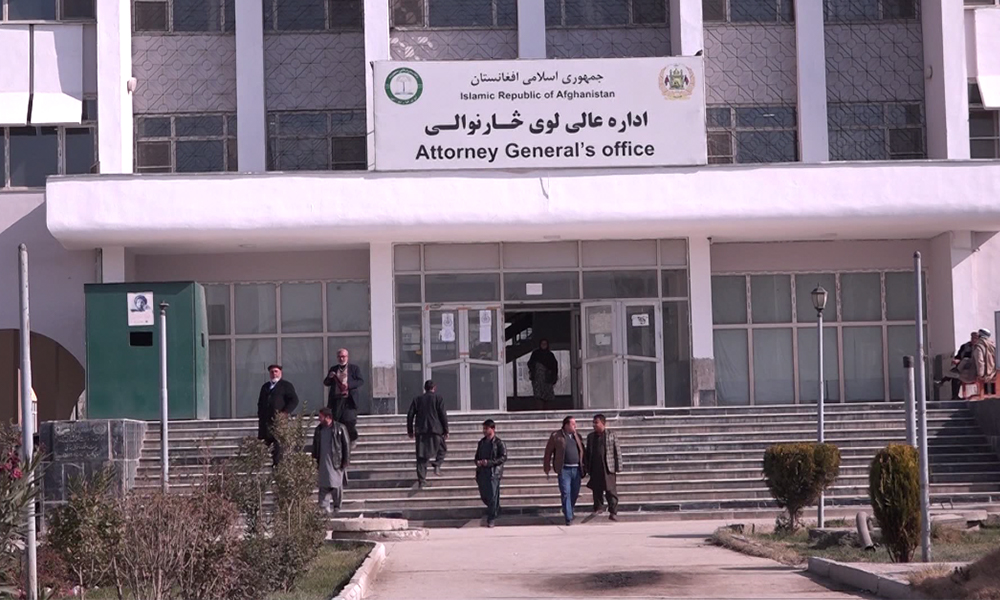
Two provincial governors and two former governors were on Tuesday referred to the Attorney General’s Office on suspicion of embezzlement of COVID-19 funds, sources have confirmed.
The fraud suspects are Wardak Governor Abdul Yamin Muzaffaruddin, Badakhshan Governor Zakaria Sawda, former Nuristan governor Hafiz Abdul Qayum and former Herat Governor Abdul Qayum Rahimi.
This comes after former Public Health Minister, Ferozuddin Feroz, and a number of current and former health officials were referred to the AGO on suspicion of misuse of authority and embezzlement of COVID-19 funds on Monday.
The Inspector General’s Office of Afghanistan said in a statement that the body was tasked in late June to investigate the issue following a presidential decree to this effect.
“According to Inspector Office’s findings, the former Public Health Minister of the Islamic Republic of Afghanistan, along with four of the ministry’s deputies, including one current deputy minister, is suspected of misuse of authority and embezzlement of resources related to the Coronavirus,” the statement said.
In July, the Inspector General’s Office accused officials of mismanagement and warned that they could be prosecuted.
The Inspector-General Ghezal Haris told media at the time that officials failed to ensure transparency in utilizing government resources.
The inspector general said the office’s initial findings indicate a lack of transparency in the COVID-19 budget expenditure, saying goods had been bought at a much higher price than the market value.
An example was that for a digital thermometer, in Badakhshan, the price had been 12,000 AFs, in Herat 24,000 AFs, and in Logar 91,000 AFs.
“Despite money having been allocated to fight the coronavirus, in some provinces, beds, mobile phones or 75-inch TVs have been purchased,” Haris said.
The Inspector General’s Office also found that although the government paid to purchase new medical equipment, the authorities, in some cases, bought used medical equipment and supplies.


Latest News
Escalating violence in Pashtun regions during Ramadan raises concerns
He described these incidents as grave violations of international law and acts that have deepened fears among affected communities.

Amid the holy month of Ramadan, violence has continued in several Pashtun areas, raising serious concerns among local communities.
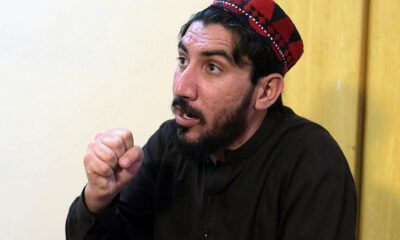
In a post in X, Manzoor Ahmad Pashteen, the founder and head of Pashtun Tahafuz Movement, noted that in Tirah, four Pashtun civilians were reportedly killed and six others injured during operations carried out by the Pakistani army. Protests that followed in Orakzai were also met with force, leaving four more individuals seeking peace and justice injured.
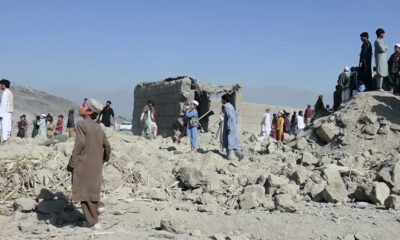
In Afghanistan’s Behsud district, 17 civilians, including women and children, were reportedly killed in airstrikes attributed to Pakistani forces, he stated.
He described these incidents as grave violations of international law and acts that have deepened fears among affected communities.
In recent days, additional casualties have been reported in Rozmak, Shawal (North Waziristan), Mubarak Shahi village (Mir Ali), Speen Wam, Abakhel village, Dosali, Takhte Khel (Lakki Marwat), Azam Warsak (South Waziristan), Bajaur, and Bannu, where clashes between security forces and armed groups have resulted in deaths and injuries among civilians, Pashteen said.
He stated that the ongoing violence reflects longstanding grievances in Pashtun regions. The Pashtun Tahafuz Movement (PTM) has stated that it will continue to oppose what it describes as injustices against Pashtun communities and will stand in solidarity with those affected.
Latest News
UNAMA reports civilian casualties from Pakistani airstrikes in Afghanistan
UNAMA urged all parties to end hostilities, protect civilians, and uphold international law principles of distinction, proportionality, and precaution to prevent further civilian harm.
The United Nations Assistance Mission in Afghanistan (UNAMA) has confirmed credible reports of civilian casualties following overnight Pakistani airstrikes inside Afghanistan on 21–22 February.
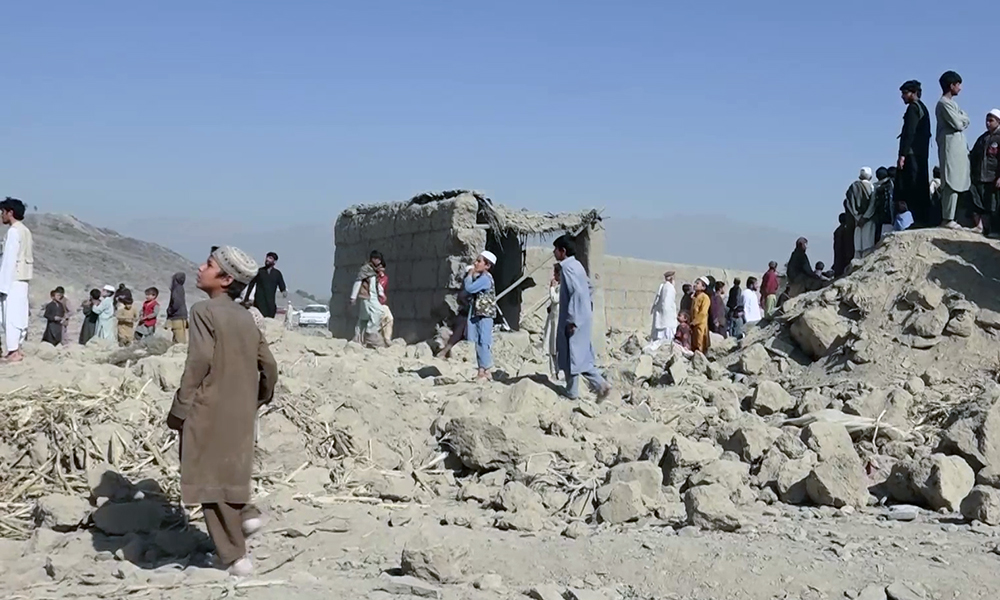
Airstrikes in Behsud and Khogyani districts of Nangarhar province, carried out between approximately 23:45 on 21 February and 00:15 on 22 February, have reportedly killed at least 13 civilians and injured seven others, including women and children.
Pakistani forces also struck Barmal and Urgun districts in Paktika province.
In Barmal’s Marghai area, an airstrike on 21 February around 23:15 hit a madrassa and partially damaged a nearby mosque.
In Urgun’s Dahna area, an airstrike at approximately 23:30 partially destroyed a vacant private residence. No civilian casualties have been reported from these strikes.
UNAMA urged all parties to end hostilities, protect civilians, and uphold international law principles of distinction, proportionality, and precaution to prevent further civilian harm.
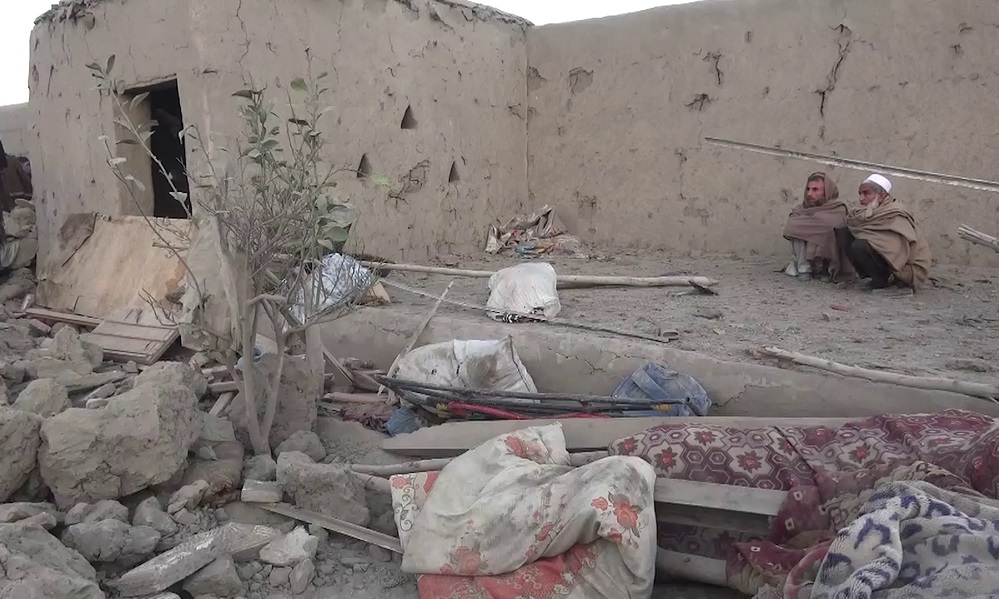
The Ministry of Education reported the tragic losses, highlighting the impact of strikes on civilians and students in the region.
Education Ministry spokesman Mansoor Ahmad Hamza also said that a student at a religious seminary was injured in Barmal district of Paktika province, another area affected by the Pakistani military attacks over the weekend.
Dozens of civilians have reportedly been killed or injured in the airstrikes, which Afghan authorities say targeted residential homes and community areas in both Nangarhar and Paktika provinces.
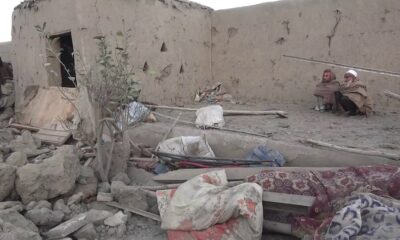
Local sources describe scenes of devastation, with families searching through rubble and emergency personnel rushing to rescue trapped individuals.
Afghanistan’s Ministry of National Defense condemned the strikes, saying they constitute a violation of Afghan sovereignty and have caused significant civilian harm.
Officials reiterated that Afghan territory must not be used for attacks against other countries and called for restraint and dialogue to prevent further escalation.
The strikes come amid ongoing tensions along the disputed Durand Line between Afghanistan and Pakistan, where security concerns and accusations of militancy have frequently strained relations between Kabul and Islamabad. Analysts note that repeated civilian casualties risk further inflaming regional tensions and complicating diplomatic efforts to reduce violence along the frontier.


Escalating violence in Pashtun regions during Ramadan raises concerns

UNAMA reports civilian casualties from Pakistani airstrikes in Afghanistan

Eight schoolchildren among those killed in Pakistani airstrikes in Afghanistan

Russia estimates up to 23,000 terrorists present in Afghanistan

Afghanistan lodges complaint with UN over Pakistani airstrikes

AFC Futsal Asian Cup 2026: Day One Review

IEA releases three Pakistani soldiers to mark Ramadan

AFC Futsal Asian Cup: Afghanistan to face Iran in crucial Group D clash

Afghanistan’s Chief of Armed Forces underscores readiness and equipment for national defense

Afghanistan welcomes investment and technology partnerships with India

Tahawol: Repeat crimes by Pakistani military in Afghanistan discussed

Saar: Pakistani military regime’s airstrikes on Afghanistan

Tahawol: US military review for attack against Iran discussed

Saar: Afghanistan’s expanding ties with Central Asia discussed

Tawsia: Calls for implementing development and infrastructure projects
-
 Latest News4 days ago
Afghanistan welcomes investment and technology partnerships with India
-

 Sport4 days ago
Afghan Peaks founder climbs Aconcagua to promote Afghanistan’s mountain potential
-

 Latest News3 days ago
Indian customs seize Chinese walnuts falsely declared as Afghan
-

 Business4 days ago
Pakistan allows re-export of stranded Afghan transit cargo
-
 Latest News3 days ago
Pakistan’s Punjab to send home 20 more Afghans in repatriation drive
-

 Latest News4 days ago
Pakistan signals possible air strikes as Kabul releases Pakistani soldiers in goodwill move
-

 Latest News2 days ago
Moldova bans Afghan airlines over safety concerns
-
 Latest News1 day ago
Afghanistan vows retaliation after Pakistan launches air strikes