
Latest News
MoI responds to Iran’s concerns; says Daesh eliminated by 98%

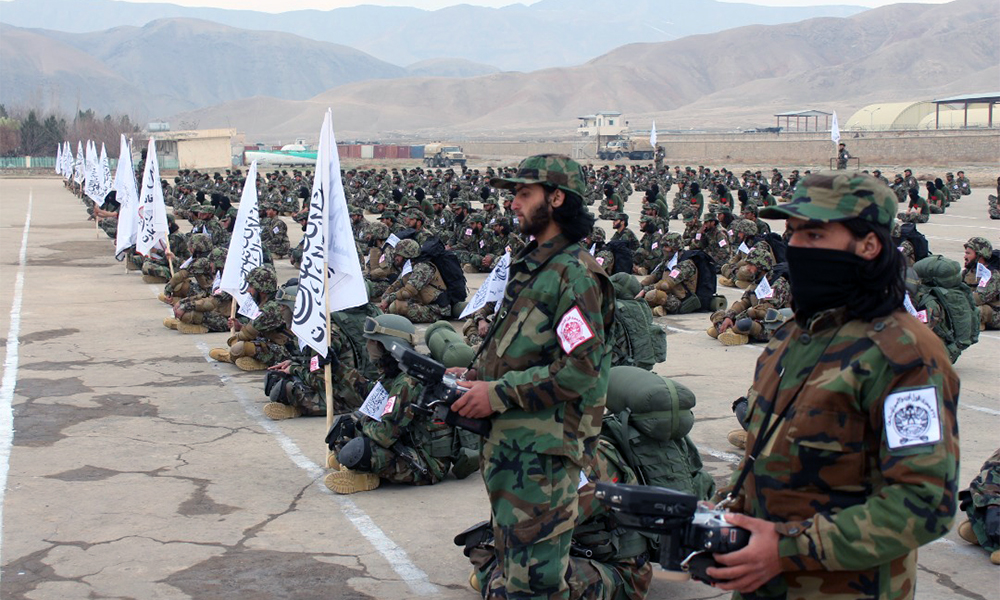
Afghanistan’s ministry of interior said Tuesday night that it has largely suppressed Daesh (ISIS-K) in the country and “eliminated the terrorist organization by 98 percent”.
The statement came on the heels of claims by Iran that the Islamic Emirate of Afghanistan (IEA) was not safeguarding Afghans, especially the Shiite community, from attacks by the group.
In response, the IEA said Daesh is no longer considered a serious threat in Afghanistan.
“The forces of the Islamic Emirate are trying to thwart the group’s sinister efforts and destroy their last hideouts, and yet the concerns of neighboring countries are not serious,” the statement said.
Iran’s Foreign Ministry spokesman Saeed Khatibzadeh said this week that the Islamic Emirate is unable to provide security to Afghanistan’s citizens, specifically to the Shiite minority, and said Iran will step forward in fighting Daesh.
“This governing body is unable to provide security. We will be pioneers in the fight against terrorist groups and Daesh. We have no minority in Afghanistan, we have tribes who share in the future of Afghanistan, so let me remind you of the definite responsibility of the Afghan governing body, and I regret that that governing body failed to provide security in some areas,” Khatibzadeh said .
Speaking at a news conference on Monday, Khatibzadeh stated that the situation in Afghanistan, and the safety of all ethnic and religious groups, is important to Iran.
Khatibzadeh also stated that Iran is ready to share its experience in the fight against Daesh with the IEA.
This comes after a spate of recent bombings in a number of provinces, including Kabul, that have mostly targeted the Shiite community. Dozens have been killed in these explosions.
The Islamic Emirate has repeatedly said that Daesh has no military presence in Afghanistan and that the group, which intended to fight in Afghanistan, has been severely repressed.







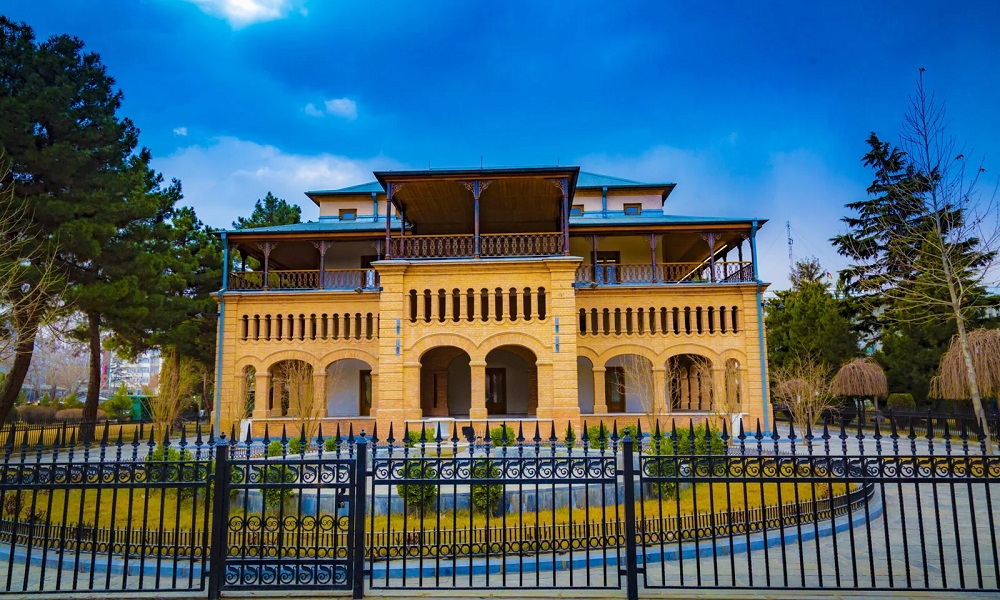
Abdul Qahar Balkhi, spokesperson for the Ministry of Foreign Affairs, said Thursday that at China’s initiative, a mid-level delegation from the Islamic Emirate of Afghanistan has arrived in the country to hold official talks with the Pakistani side in line with its principled position.
Qahar said in a statement that these talks are set to begin in the city of Urumqi with the mediation of the Chinese government.
According to Balkhi, this process is being carried forward at China’s request and on the basis of mutual respect and constructive engagement with that country.
He added that the Islamic Emirate is participating in these meetings based on a balanced and principled approach, and intends to hold comprehensive and responsible discussions with the other side on good neighborly relations, strengthening trade ties, and the effective management of security issues.
He emphasized that the Islamic Emirate believes diplomatic engagement based on mutual respect, non-interference, and constructive understanding can find practical and sustainable solutions to the existing issues between the two countries and help provide a foundation for stability and cooperation in the region.
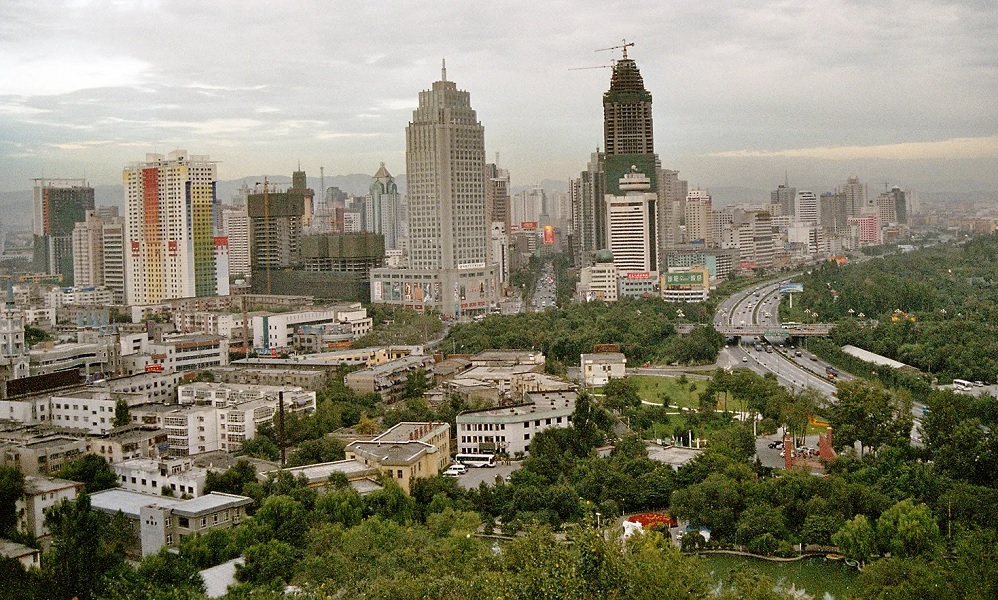
Talks between Afghanistan and Pakistan have officially begun in the Chinese city of Urumqi, sources told Ariana News on Thursday.
Afghanistan’s Minister of Economy, Din Mohammad Hanif, expressed optimism about the negotiations, saying he hopes the discussions will help bring an end to ongoing tensions and conflict between the two neighboring countries.
Meanwhile, Pakistan’s Foreign Ministry spokesperson, Tahir Andarabi, said the talks involve senior officials and rejected claims that they are merely low-level engagements, calling such reports a “false narrative.”
Islamabad confirmed it has dispatched a delegation to Urumqi, reiterating its longstanding position that Afghanistan must address Pakistan’s security concerns, particularly regarding militant groups.
Chinese Foreign Ministry spokesperson Mao Ning emphasized that both Afghanistan and Pakistan are neighbors of China, adding that Beijing supports resolving differences through dialogue and negotiation.
China has also been actively facilitating mediation between Afghanistan and Pakistan and will continue to play a constructive role in easing tensions and improving relations between the two countries, the spokesperson said.
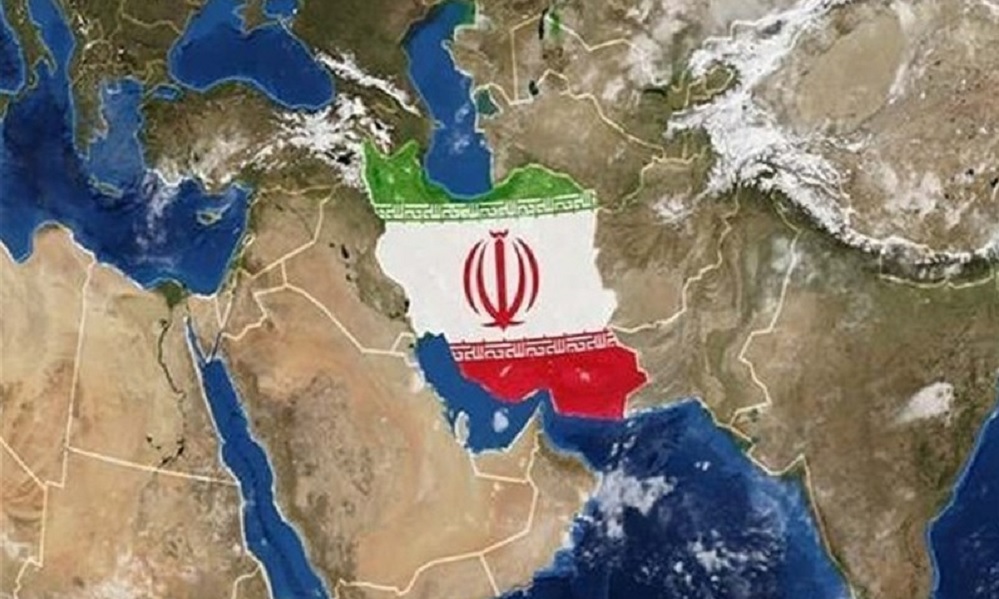
More than 1,200 Iranian nationals have returned home since the outbreak of the ongoing conflict, with many travelling through neighboring countries including Afghanistan and Armenia, according to reports.
Citing figures from Tasnim News Agency, a total of 1,262 Iranians have been repatriated from the United Arab Emirates since hostilities began. The returns come amid tightening travel restrictions and disrupted regional transport links.
Iranian authorities have formally requested that the UAE facilitate additional evacuation efforts, including the organisation of sea transport and access to a dedicated airstrip to expedite the return of citizens still stranded abroad.
Earlier on Wednesday, Dubai-based airline Emirates indicated on its website that Iranian nationals were no longer permitted to enter or transit through the UAE, further complicating travel options for those seeking to return home.
The developments come as regional airspace disruptions and security concerns linked to the ongoing conflict have significantly curtailed commercial travel routes across parts of the Middle East. With direct flights limited or suspended, many Iranians have been forced to rely on indirect and often complex routes through neighboring countries.
Countries such as Afghanistan and Armenia have emerged as key transit points due to their geographic proximity and continued land access, allowing travelers to bypass restricted air corridors.
The situation reflects broader challenges facing civilians in conflict-affected regions, where shifting aviation policies, border controls, and security risks have made cross-border movement increasingly difficult.
Authorities continue to explore alternative evacuation channels as demand for safe return routes remains high.


Tahawol: Start of talks between Kabul-Islamabad in China discussed

Saar: Ongoing US and Israeli attacks on Iran discussed

IEA confirms sending delegation to China for talks with Pakistan

Afghanistan–Pakistan talks begin in China amid hopes for easing tensions

Late drama as Lucknow edge Delhi Capitals in IPL thriller

Prominent Muslim scholar issues fatwa calling for Afghanistan-Pakistan ceasefire

IEA Supreme Leader issues Eid-ul-Fitr message urging unity and support for Islamic system

14 Pakistani soldiers killed after military post falls along Durand line: MoD

Afghanistan steps in to replace Iran in supplying fruits and vegetables to Russia

Afghan airstrikes target Pakistani military sites in retaliation for air attacks
Tahawol: Start of talks between Kabul-Islamabad in China discussed
Saar: Ongoing US and Israeli attacks on Iran discussed

Tahawol: Ongoing US–Israeli war with Iran discussed

Saar: Afghanistan-Pakistan talks in China discussed

Tahawol: Escalation of conflict in Middle East discussed
-
 Latest News3 days ago
TAPI gas pipeline advances 25 km in Afghanistan
-

 International Sports5 days ago
Injury concerns mount ahead of FIFA World Cup 2026 as stars sidelined
-
 Business5 days ago
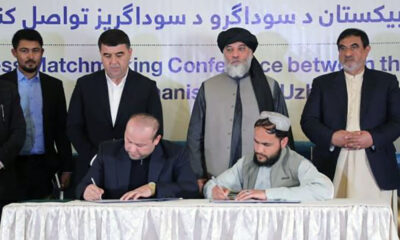
Afghanistan, Uzbekistan ink $514.8 million deals to deepen trade ties
-
 Latest News5 days ago
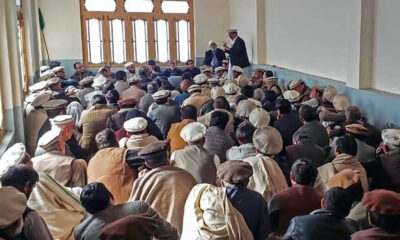
Peshawar to host key Pakistan-Afghanistan peace jirga amid ongoing tensions
-
 Latest News5 days ago
US report flags continued presence of anti-India militant groups in Pakistan
-
 Business4 days ago
Afghanistan opens doors to agribusiness investments amid rising opportunities
-
 Regional5 days ago
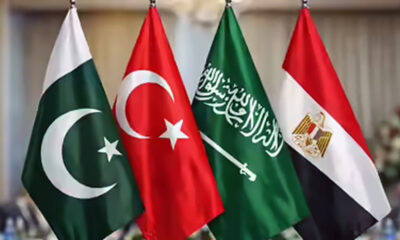
Pakistan to host talks with Saudi Arabia, Turkey, Egypt amid Iran war diplomacy
-

 International Sports5 days ago
Kohli shines as RCB open IPL title defence with dominant win