
Latest News
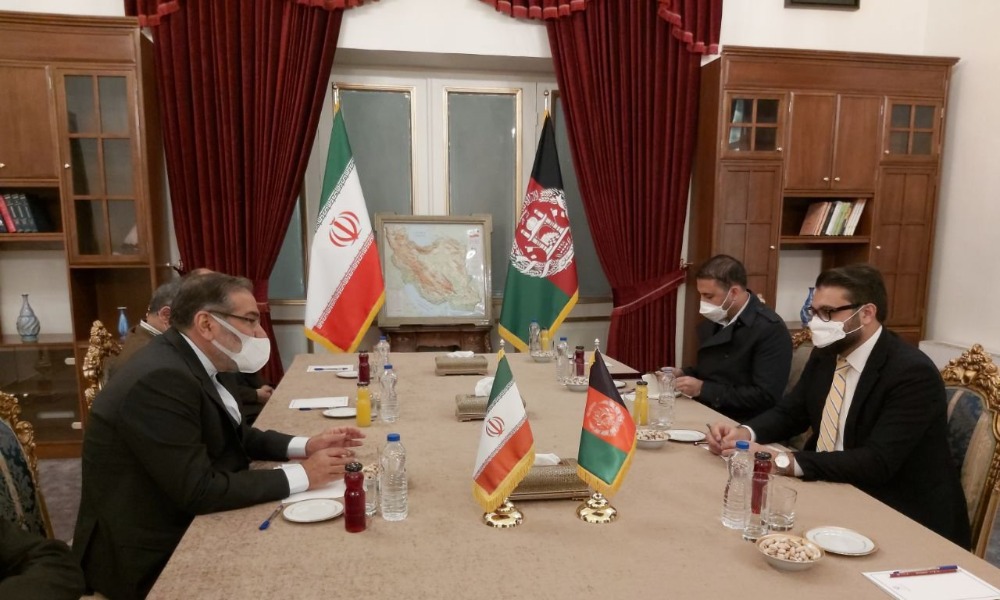
Mohib discusses regional security with Iranian officials while in Tehran






Latest News
Regional criticism grows amid Pakistan strikes inside Afghanistan
Spokesperson Randeep Jaiswal stated that the incident underscores what India described as Pakistan’s continued aggressive actions in the region.
India has condemned recent airstrikes carried out by Pakistan inside Afghanistan, describing the attacks as a violation of Afghanistan’s sovereignty and a threat to civilian safety.
India’s Ministry of External Affairs said the strikes resulted in civilian casualties and damage to infrastructure.
Spokesperson Randeep Jaiswal stated that the incident underscores what India described as Pakistan’s continued aggressive actions in the region.
At the same time, criticism has also emerged from within Pakistan. Maulana Fazlur Rehman, leader of the Jamiat Ulema-e-Islam, criticized Islamabad’s foreign policy, saying years of poor decisions have strained Pakistan’s relations with neighboring countries including India, Afghanistan, China and Iran.
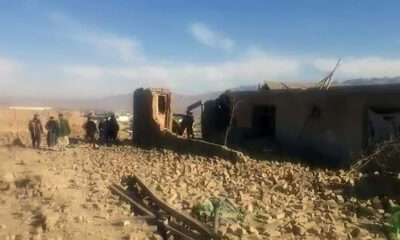
According to reports, Pakistani strikes late Thursday targeted areas in Kabul, Kandahar, Paktia Province and Paktika Province. At least four civilians were killed and 14 others injured, while several homes and other civilian facilities were damaged.
Officials of the Islamic Emirate said the attacks would not go unanswered and reported carrying out retaliatory aerial responses. Authorities also emphasized that Afghanistan seeks peaceful relations with its neighbors but will defend its territory when necessary.
The strikes have drawn criticism from citizens, regional political figures and international organizations, increasing concern about rising tensions in the region.

The Indian Ministry of External Affairs has condemned recent airstrikes by Pakistan on Afghanistan’s territory.
In a statement, Ministry spokesperson Shri Randhir Jaiswal said the attacks resulted in the deaths of several civilians and the destruction of civilian infrastructure.
He described the strikes as yet another act of aggression by Pakistan, which continues to oppose the idea of an independent Afghanistan.
India reiterated that Afghanistan’s sovereignty and territorial integrity must be fully respected.
Latest News
14 Pakistani soldiers killed after military post falls along Durand line: MoD
The statement added that Afghan forces destroyed one armored tank and a military vehicle belonging to Pakistani troops during the fighting.
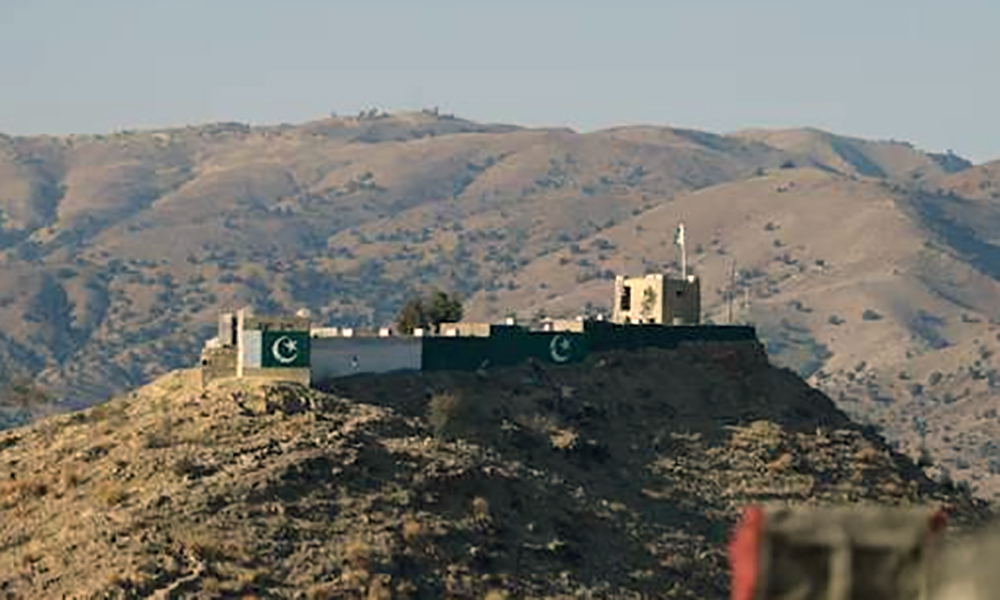
Afghanistan’s Ministry of Defense announced Saturday that Afghan defensive forces captured a Pakistani military post along the Durand Line in eastern Afghanistan following clashes between the two sides.
In a statement, the ministry said the operation was launched in response to what it described as “crimes of the Pakistani military regime” in border areas of Kunar and Nangarhar provinces.
According to the ministry, 14 Pakistani soldiers were killed and 11 others wounded during the operation.
The statement added that Afghan forces destroyed one armored tank and a military vehicle belonging to Pakistani troops during the fighting.
Defense officials emphasized that Afghanistan’s forces remain prepared to respond to any threats along the Durand Line.


Regional criticism grows amid Pakistan strikes inside Afghanistan

Afghanistan expands exports through Lapis Lazuli Corridor

Afghanistan’s national buzkashi team travels to Kazakhstan for international tournament

Trump rejects efforts to launch Iran ceasefire talks, sources say

Tahawol: Afghan, Chinese FMs’ phone talks discussed

Pakistani military jet downed in Afghanistan’s Jalalabad, pilot captured alive

Afghan Air Force conducts airstrikes in Islamabad, other cities

IEA releases three Pakistani soldiers to mark Ramadan

Afghanistan’s Chief of Armed Forces underscores readiness and equipment for national defense

Afghanistan welcomes investment and technology partnerships with India
Tahawol: Afghan, Chinese FMs’ phone talks discussed

Saar: UN meeting on UNAMA mission in Afghanistan discussed

Exclusive interview with Stephen Rodriguez, UN Development Programme Representative in Afghanistan

Tawsia: Trade agreement between Afghanistan-Uzbekistan

Tahawol: Discussion on intensification of attacks in Middle East
-

 Sport4 days ago
Afghanistan’s white-ball series against Sri Lanka postponed
-
 Latest News2 days ago
Afghan airstrikes target Pakistani military sites in retaliation for air attacks
-
 Latest News2 days ago
IEA condemns Pakistan’s airstrikes in several Afghan provinces
-

 Sport3 days ago
Afghanistan’s national buzkashi team set to compete in Kazakhstan
-

 Business4 days ago
Uzbekistan ratifies preferential trade agreement with Afghanistan
-
 Latest News3 days ago
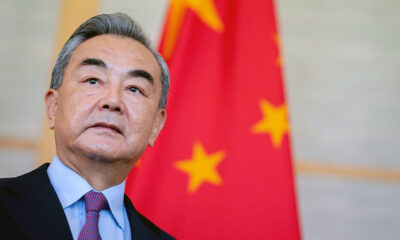
China urges de-escalation in Iran crisis and Afghanistan–Pakistan tensions
-
 Latest News3 days ago
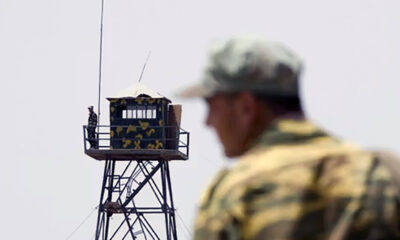
China to build nine border facilities along Tajik-Afghan frontier: report
-
 Latest News4 days ago
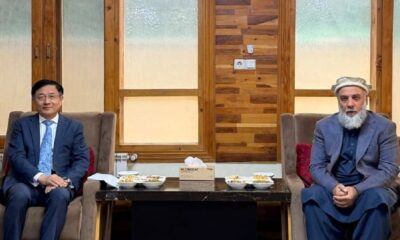
Azizi meets Chinese envoy to discuss expanding trade and investment in Afghanistan