
Latest News
Media advocates warn of challenges following troop pullout

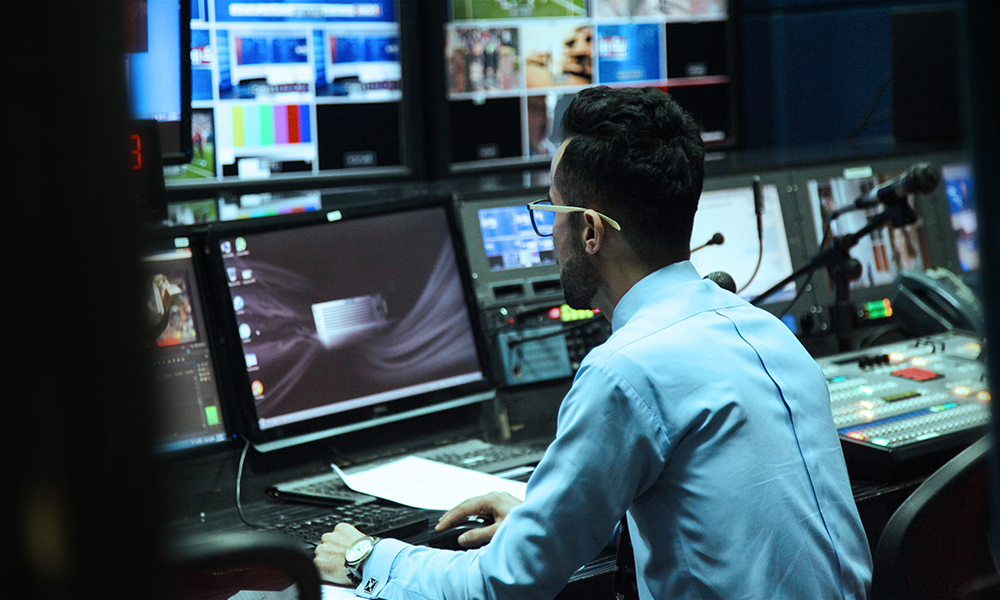
A number of media advocates warned on Saturday that hard-won freedom of speech could face challenges once foreign troops withdraw from Afghanistan.
According to them, international pressure has forced the government to support the media and freedom of expression in the country.
Media advocacy group NAI’s Chief Executive Mujib Khilwatgar stated: “Currently, the Afghan government supports the media but not for internal will, but as a result of international pressure.”
He said the Afghan media would certainly face “serious challenges by the government after the withdrawal of troops.”
The Ministry of Information and Culture, however, assured the media of the government’s support following the full withdrawal of foreign forces.
Abdul Manan Shewa-e-Sharq, the deputy minister of information and culture stated: “The Information and Culture Ministry will not allow any restrictions on freedom of speech – either now or after the withdrawal.”
This comes amid ongoing preparations by the US and NATO to withdraw from Afghanistan by September 11.
Meanwhile, CIA Director William Burns reportedly made a surprise visit to Kabul this week to discuss the withdrawal process with Afghan officials.
The Associated Press reported Saturday that two credible sources had confirmed the visit. In Washington, the CIA declined to comment when asked by AP about the director’s schedule and the agency’s role in Afghanistan.
However, a senior former Afghan security official told AP that two of six units trained and run by the CIA to track militants have already been transferred to Afghan control.
Two Afghan officials told AP that Burns quietly visited Kabul last weekend. They would not say whom Burns met with, but said some of the discussions addressed Afghanistan’s preparedness after the U.S. pullout.
Burns also reportedly reassured Afghan officials that the U.S. would continue to be engaged in counterterrorism efforts.




Latest News
India reaffirms healthcare support to Afghanistan, hands over medicines and vaccines
Indian officials said the support underscores New Delhi’s commitment to helping improve healthcare services and access to life-saving treatment in Afghanistan.
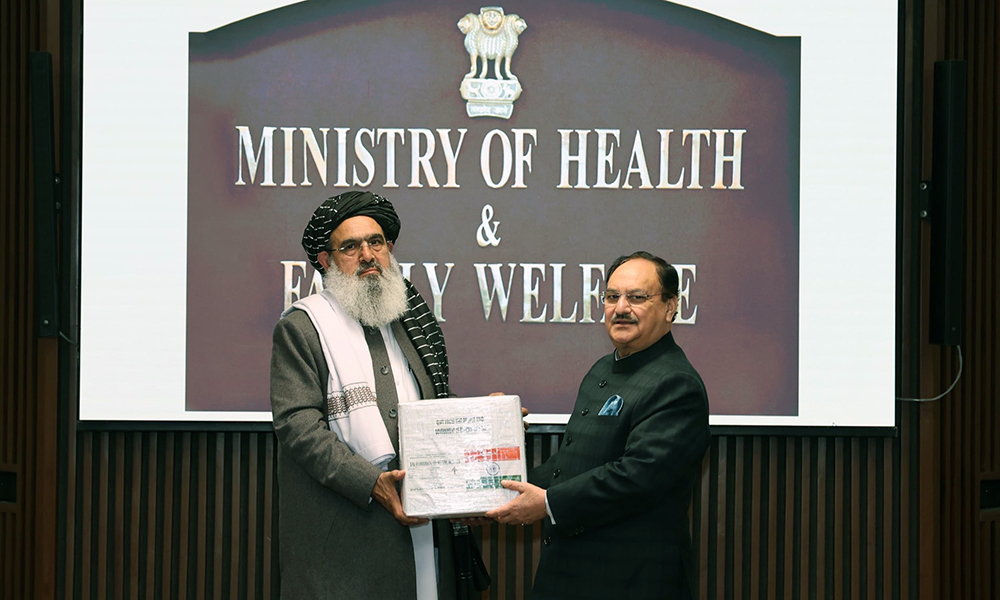
India has reaffirmed its commitment to continued humanitarian assistance and healthcare cooperation with Afghanistan, with a focus on the long-term supply of essential medicines.
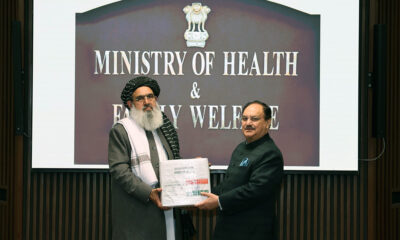
According to the Ministry of Health and Family Welfare of the Government of India, Union Health Minister J.P. Nadda held a productive meeting with Afghanistan’s Minister of Public Health, Noor Jalal Jalali. The discussions focused on strengthening cooperation in the health sector and addressing the medical needs of the Afghan people.
During the meeting, a symbolic handover of cancer medicines and vaccines was carried out, reflecting India’s ongoing support for Afghanistan’s healthcare system. The ministry also announced that a larger consignment of medicines, vaccines, and a 128-slice CT scanner is being dispatched to Afghanistan as part of India’s humanitarian assistance efforts.
Indian officials said the support underscores New Delhi’s commitment to helping improve healthcare services and access to life-saving treatment in Afghanistan.
Latest News
Afghan forces target hideout of suspects linked to cross-border attacks on Chinese nationals
Afghan forces target hideout of suspects linked to cross-border attacks on Chinese nationals
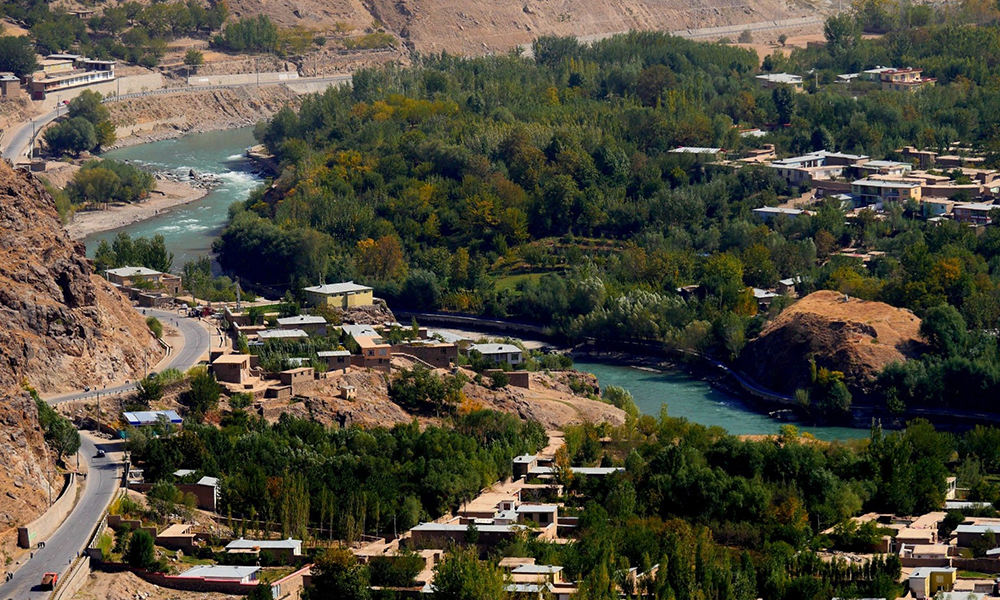
Security sources said that special forces of the Islamic Emirate of Afghanistan (IEA) have targeted a hideout in Badakhshan province linked to suspects involved in attacks against Chinese nationals in neighboring Tajikistan.
According to the sources, the operation was carried out on Tuesday night in Faizabad city, where several individuals suspected of orchestrating cross-border attacks from Badakhshan’s frontier regions were believed to be present. As a result of the operation, one wanted suspect was arrested alive along with weapons and other military equipment.
The sources added that preliminary investigations and initial confessions by the detainee indicate the planning of the attacks was carried out from outside Afghanistan.
This comes as Tajikistan’s Ministry of Foreign Affairs announced on November 27 that three Chinese citizens were killed in an attack in Khatlon province.
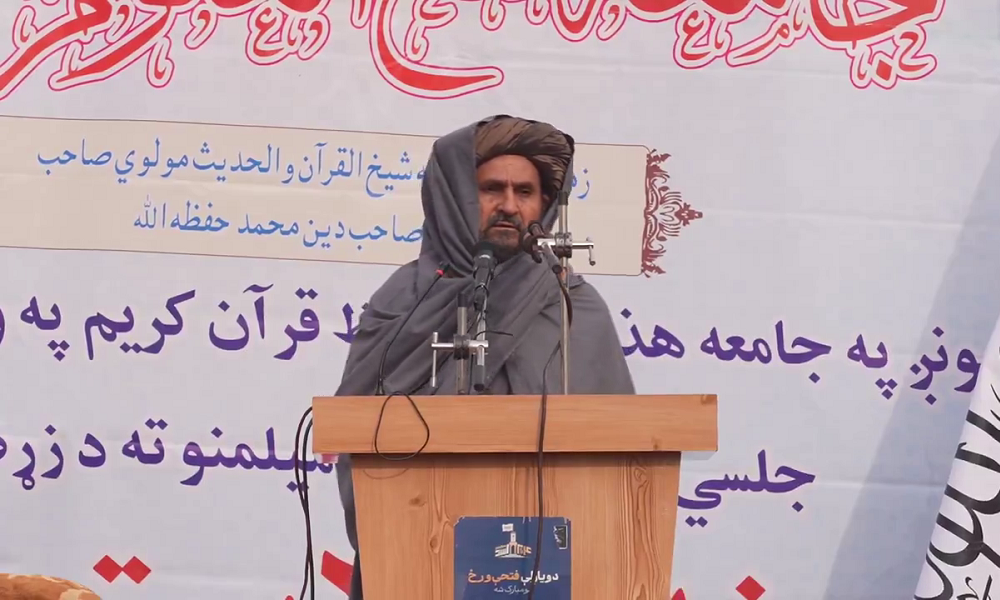
Mullah Abdul Ghani Baradar, Deputy Prime Minister for Economic Affairs, has called on religious scholars to play a stronger role in promoting the protection of the Islamic system and Afghanistan’s national interests among the public.
Speaking at a turban-tying ceremony at Jamia Fath al-Uloom in Kabul on Wednesday, Baradar urged scholars to adopt a softer tone in their sermons and public addresses.
He said that alongside teaching religious obligations, scholars should help foster a sense of responsibility toward safeguarding the Islamic system and national unity.
Baradar described madrasas as the sacred foundations of religious learning, moral education, spiritual and intellectual development, and Islamic movements within Muslim societies.
He noted that in Afghanistan, religious teachings and the concept of sacred jihad originated in madrasas, spread from villages to cities, and eventually translated into action and resistance.
He also emphasized the role of madrasas in the intellectual reform of society, the removal of what he described as un-Islamic cultural influences, and the preservation of Islamic traditions.
Baradar stressed that religious schools must remain committed to their original mission and values under all circumstances.


India reaffirms healthcare support to Afghanistan, hands over medicines and vaccines

Afghan forces target hideout of suspects linked to cross-border attacks on Chinese nationals

US readies new Russia sanctions if Putin rejects peace deal, Bloomberg News reports

Tahawol: Discussion on regional countries’ meetings on Afghanistan

Saar: Regional efforts to address Afghanistan-Pakistan issues discussed

Afghanistan U19 cricket team defeats India A U19

Afghanistan economy under pressure as Pakistan shocks reshape trade flows

Gaza death toll tops 70,000, health ministry says

India set to establish pharmaceutical factories in Afghanistan: MoIC

Afghanistan offers tax breaks, free land to attract Indian investors
Tahawol: Discussion on regional countries’ meetings on Afghanistan
Saar: Regional efforts to address Afghanistan-Pakistan issues discussed

Tahawol: Officials say interactions must be based on realities

Saar: mistreatment of Afghan refugees in Pakistan discussed

Tahawol: Intertwined interests of neighbors and Afghan security dynamics discussed
-
 Latest News5 days ago
Islamic Emirate declines to attend Tehran meeting on Afghanistan
-

 Latest News4 days ago
US delivers second batch of Afghan Black Hawk helicopters to Peru
-

 Latest News3 days ago
Germany speeds up admission of Afghans from Pakistan
-

 Sport3 days ago
IPL 2026 Auction set for Abu Dhabi with $28.6 million purse at stake
-
 Business4 days ago
Afghan economy posts second year of growth despite deep structural challenges
-
 Latest News3 days ago
Afghanistan to establish independent oil and gas authority
-

 Latest News3 days ago
US intelligence chief warns of ‘direct threat’ from suspected terrorists inside the country
-

 Sport4 days ago
ATN to broadcast ‘The Best FIFA Football Awards 2025’