
Latest News
MCIT’s new policy to boost telecommunications, Internet services

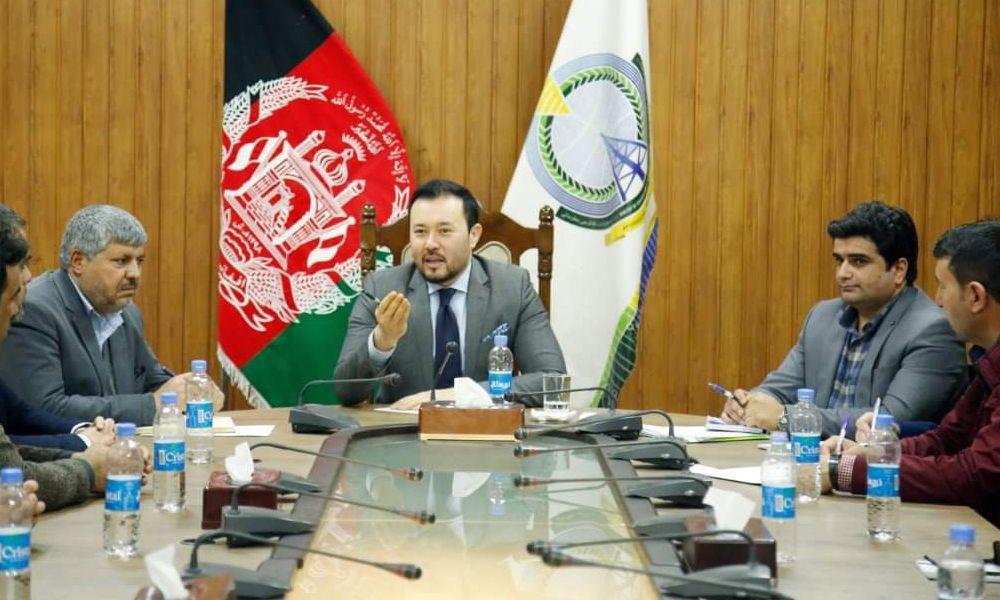
The Ministry of Communications and Information Technology says it has developed a new policy to regulate telecommunications and Internet services.
This policy will help improve the quality of services by all telecommunications companies as well as it will lower the charges, MCIT said.
According to the Acting Minister of Communications, although the prices of some companies have been decreased, standard services have not been yet provided.
As per the new policy, state-owned companies will invest $175 million by the end of this year to improve the quality of services, he said.
The ministry also acknowledges that the infrastructure of state-owned companies is not standardized, and thus the government has decided to standardize them this year.
“Our goal is to create a new policy to provide better services to citizens and to invest plenty in state-owned companies,” said Fahim Hashemi, MCIT acting minister.
On the other hand, economists criticize the MCIT leadership, noting that the ministry has not been able to develop a good plan to provide standard services.
According to them, telecommunication and Internet services in Afghanistan are more unsustainable and expensive than in any other country.
“There has been a lot of investments in telecommunications, but standard services are not being provided to Afghans, which means that the strategies in this ministry are not efficient and capacity needs to be built,” said Hakimullah Sediqqi, an economist.
Experts point out that MCIT is one of the most important sectors in the body of the government, but it has not been able to bring the best out of it.


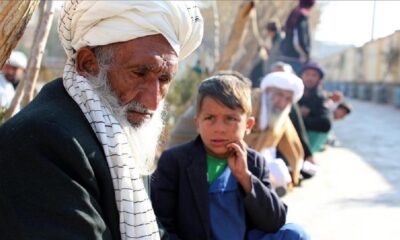


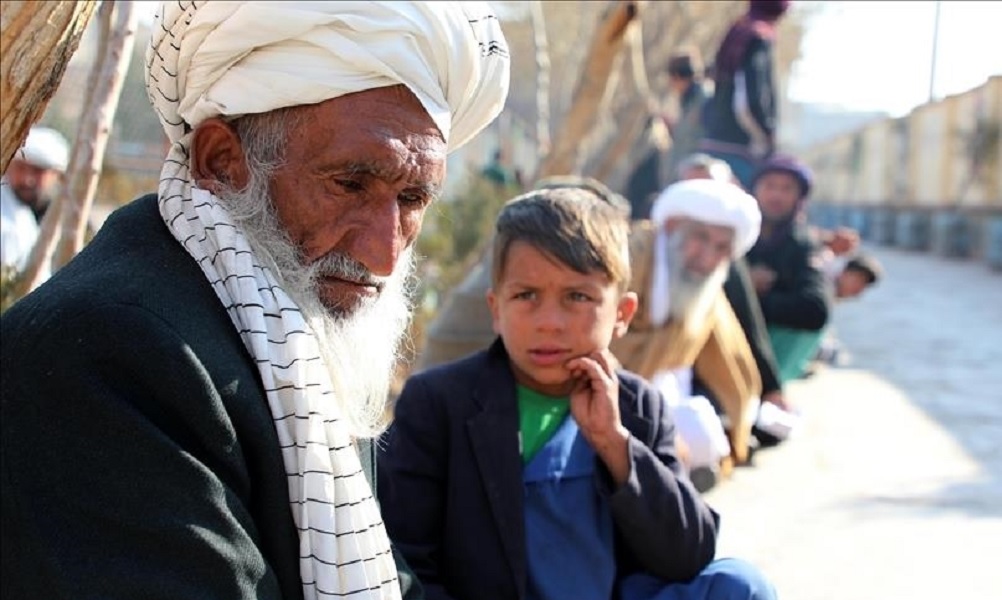
Afghanistan has once again been ranked the least happy country in the world, according to the latest edition of the World Happiness Report.
The report, which measures people’s overall life satisfaction across 147 countries, placed Afghanistan at the bottom of the global ranking for another year, with a score 1.4 out of 10. Researchers assess factors such as income levels, social support, freedom to make life choices, perceptions of corruption, and overall quality of life.
For the ninth consecutive year, Finland ranked as the world’s happiest country, with a score of 7.7. Iceland and Denmark followed it, as Nordic nations continued to dominate the top of the index.
A notable development came from Costa Rica, which climbed to fourth place — the highest ranking ever recorded for a Latin American country.
Other countries with low rankings included Sierra Leone, Malawi, Zimbabwe and Botswana.
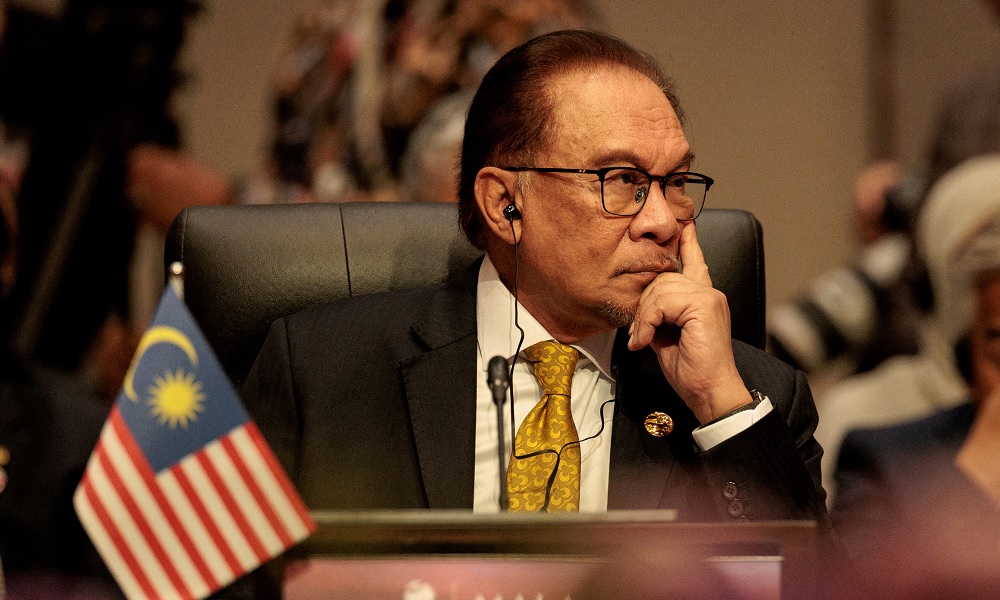
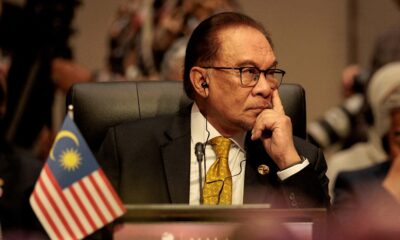
Malaysian Prime Minister Anwar Ibrahim has welcomed the temporary ceasefire between Pakistan and Afghanistan announced in connection with the Eid-ul-Fitr celebrations, calling for continued efforts to reduce tensions and achieve lasting peace.
Anwar shared the message during a telephone conversation with his Pakistani counterpart, Shehbaz Sharif. In a Facebook post, Anwar emphasized the importance of dialogue and de-escalation, while also expressing concern over rising tensions in the Middle East, particularly involving Iran, and urging all parties to prioritize peaceful solutions.
Pakistan said it had temporarily suspended military operations in Afghanistan at the request of Saudi Arabia, Qatar, and Turkey. Afghan authorities likewise announced a halt to operations during Eid, citing goodwill and similar requests from regional partners.
The ceasefire follows weeks of heightened tensions between Afghanistan and Pakistan, including Durand Line clashes and airstrikes.
Separately, Turkey President Recep Tayyip Erdogan in a phone call discussed regional developments with Pakistani Prime Minister Shehbaz Sharif, reaffirming Turkey’s commitment to peace and stability and stressing continued cooperation for long-term security.


Pakistan PM’s adviser: No intention to impose war on Afghanistan

Trump says US considering ‘winding down’ Iran war

Afghanistan again ranked last in global happiness index

Ireland to host Afghanistan for ODI series in August

Malaysian PM welcomes temporary Afghanistan–Pakistan truce, urges lasting peace

Pakistani military jet downed in Afghanistan’s Jalalabad, pilot captured alive

Afghan Air Force conducts airstrikes in Islamabad, other cities

Prominent Muslim scholar issues fatwa calling for Afghanistan-Pakistan ceasefire

Afghan air force strikes key Pakistani military installations in retaliatory operation

IEA: Special circle in Pakistan has launched mission to destabilize region

Tawsia: Assessment of Afghanistan’s economic activities in 1404

Tahawol: Temporary ceasefire draws broad support

Saar: Emphasis on resolving conflicts through diplomacy

Tahawol: Global reactions to Pakistan’s recent attacks discussed

Saar: Consequences of Pakistani airstrikes on Afghans discussed
-
 Latest News3 days ago
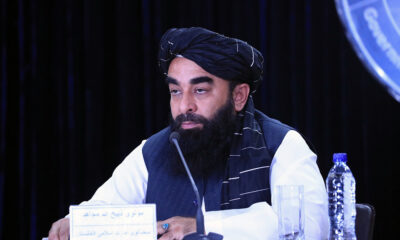
IEA announces temporary pause in defensive operations against Pakistan for Eid
-
 Latest News3 days ago
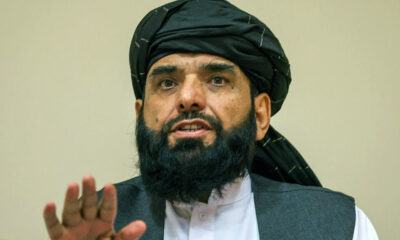
Pakistan opposes normal Afghanistan–India relations: Shaheen
-
 Sport4 days ago
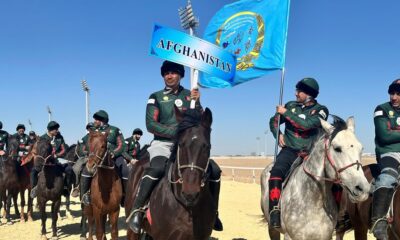
Afghanistan national buzkashi team defeats Hungary 14–0
-

 Latest News5 days ago
IEA condemns alleged airstrike by Pakistan on drug treatment hospital in Kabul
-

 Latest News4 days ago
Afghanistan warns Pakistan of ‘teeth-breaking’ response after deadly Kabul bombing
-
 Latest News3 days ago
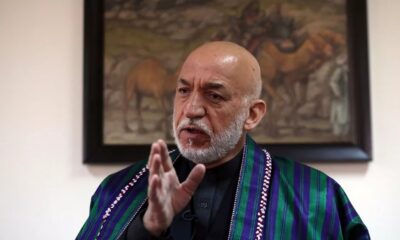
Karzai accuses Pakistan of seeking to destabilise Afghanistan after Kabul strike
-
 Latest News4 days ago
WHO Chief urges Kabul and Islamabad to prioritize peace
-
 Latest News2 days ago
Pakistani shelling hits Kunar districts despite ‘pause in hostility’ over Eid