
Latest News
Many women cut off from aid following IEA ban on female NGO workers: Save the Children

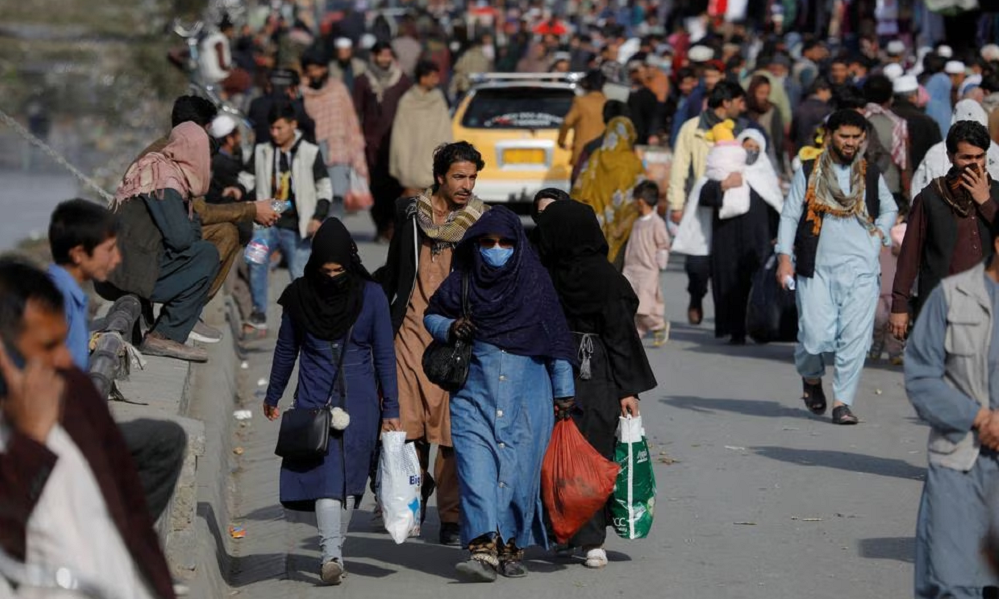
Almost two months since the Islamic Emirate of Afghanistan (IEA) issued a decree banning Afghan women from working for non-government organizations (NGOs), many women and children are missing out on life-saving aid during the most severe winter in more than a decade and worst hunger crisis in Afghanistan on record, Save the Children said on Wednesday.
Save the Children said that it paused activities in the wake of the ban because female staff are essential for the safe and effective delivery of services and are crucial for reaching women and girls. In addition, almost half of Save the Children’s workforce in Afghanistan are women.
Although some activities have restarted where assurances have been received from the IEA authorities for female staff to safely resume work, mainly in health and education, more than 50% of Save the Children’s operations are still on hold, including essential cash distributions that help families meet basic needs, water, sanitation and hygiene activities and child protection services.
“The scale and severity of the humanitarian crisis in Afghanistan is like nothing I’ve ever seen before. Almost 20 million children and adults are facing extreme hunger. Many families now only survive on bread and water for weeks at a time,” said David Wright, Save the Children’s Chief Operating Officer.
“Children are struggling to survive a freezing, miserable winter. Some are dying as temperatures plummet well below -20 degrees Celsius. Heating homes is out of the question for ordinary families and parents cannot even afford blankets or warm winter clothes,” he added.
He called on the IEA to completely reverse the ban and allow NGOs to fully resume activities with female and male staff.
“We also call on all humanitarian agencies in Afghanistan to ensure all activities are conducted with female and male teams, and urge donor countries to refrain from any commitments to reduce or freeze much needed flexible funding for Afghanistan,” Wright said. “This is not the time for the international community, and donor governments in particular, to turn their backs on Afghanistan.”





Latest News
Power project signed to electrify 47,000 homes in Jawzjan
According to MoEW, the project will be funded through revenues from Afghanistan’s mines and will provide electricity to around 47,000 families.
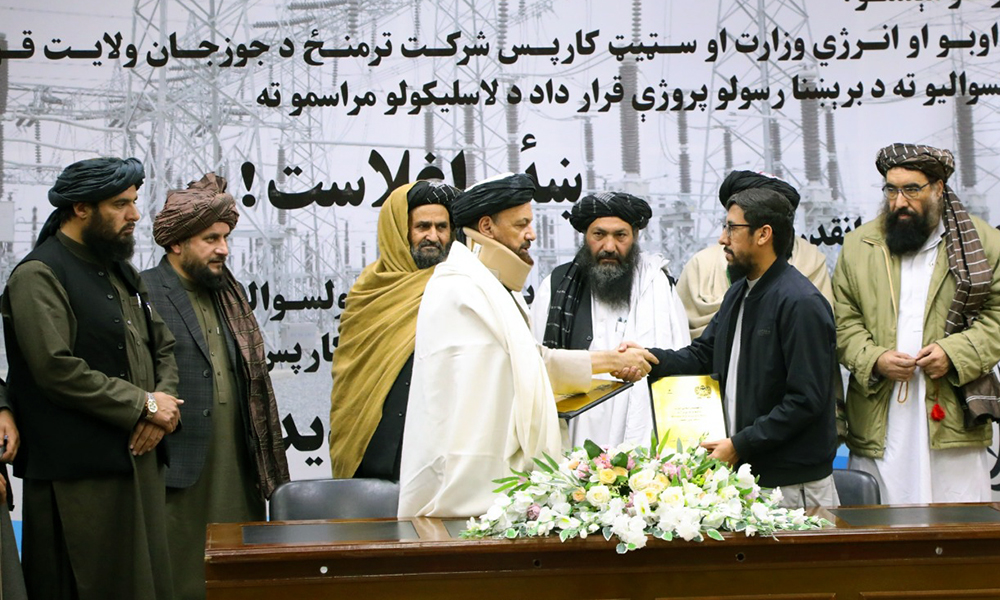
The Ministry of Energy and Water (MoEW) on Tuesday signed a major power supply project worth over 1.8 billion afghanis with domestic firm State Corps to provide electricity to Qush Tepa and Darzab districts in northern Jawzjan province.
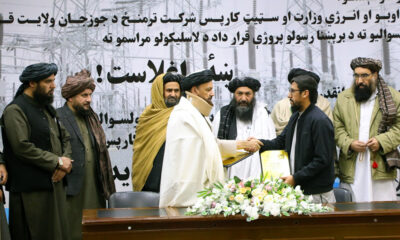
The contract signing ceremony, held at the Government Information and Media Centre, was attended by Deputy Prime Minister for Economic Affairs Mullah Abdul Ghani Baradar and senior government officials.
Mawlawi Abdul Rahman Rahmani, Director General of Renewable Energy at MoEW, said the $28.4 million project (equivalent to 1.886 billion afghanis) aims to ensure nearly all households in Qush Tepa and Darzab have access to electricity.
He explained that the project involves constructing an 85.4-kilometre transmission line from Shiberghan, the provincial capital, building substations, and establishing electricity distribution networks in both districts.
Alauddin Salim, representing State Corps, described the initiative as “crucial” and said it is expected to be completed within three years. He highlighted that domestic firms, like State Corps, are more committed than foreign companies to project delivery.
According to MoEW, the project will be funded through revenues from Afghanistan’s mines and will provide electricity to around 47,000 families. The ministry urged the company to ensure timely completion with high quality standards.
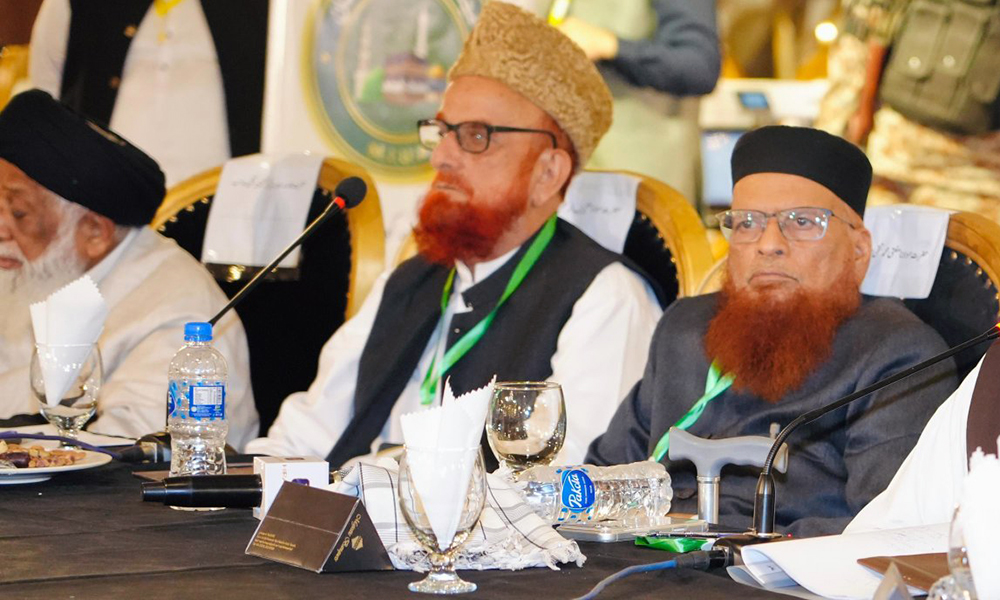
Prominent Pakistani religious scholar Mufti Taqi Usmani has strongly criticised moves to grant lifetime immunity to Pakistan’s Army Chief, General Asim Munir, describing such protection from judicial accountability as contrary to Islamic principles.
Speaking at a public gathering on Monday, Mufti Usmani said that Islam does not place any individual above the law, stressing that rulers, military leaders and ordinary citizens are equally accountable for their actions. He emphasised that justice and accountability form the foundation of an Islamic system, and that permanent immunity for powerful figures violates the spirit of Sharia.
The cleric warned that creating legal distinctions between state officials and the general public undermines public trust and fosters injustice within society. He urged state institutions to adhere to Islamic values when making political and military decisions, particularly those affecting governance and accountability.
Mufti Usmani’s remarks come amid growing debate in Pakistan over the role of the military in state affairs and the expanding authority granted to senior army officials. The issue has drawn heightened public and political attention in recent weeks, with critics arguing that excessive protections weaken democratic institutions and the rule of law.
Latest News
Fazal Ur Rehman says Pakistan’s ‘attacks’ on Afghanistan are unjustifiable
“If you justify attacks on Kabul by claiming your enemies are present there, then why is your response different when India targets its enemies inside Pakistan?” he said.
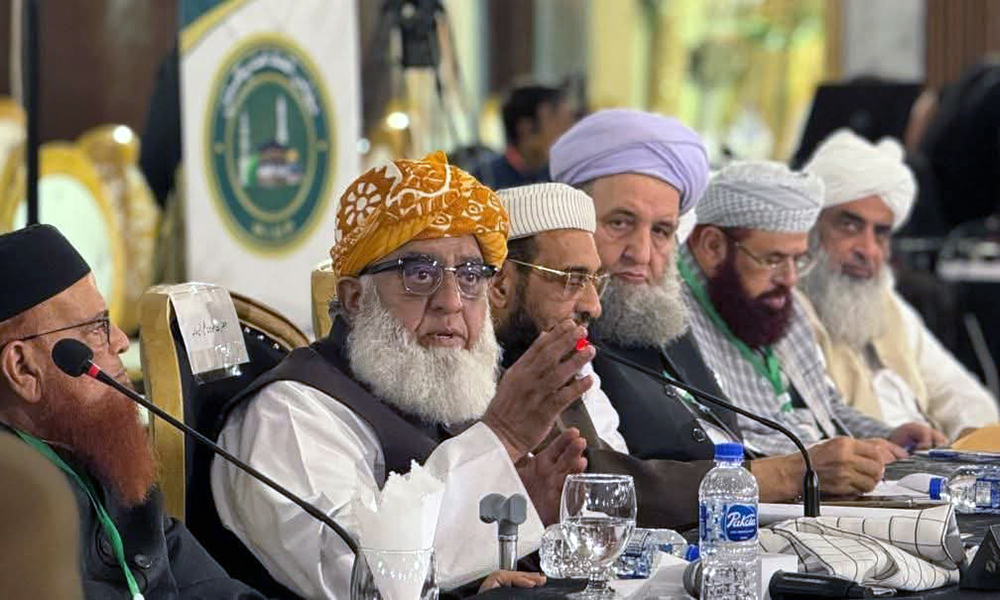
Senior Pakistani religious leader and politician Maulana Fazal Ur Rehman has condemned attacks on Afghanistan carried out under the pretext of targeting militant groups, calling such actions unjustifiable and counterproductive.
He urged both Kabul and Islamabad to resolve their disputes through dialogue and political engagement rather than military means.
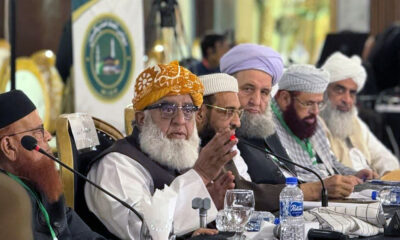
Speaking at a gathering of Pakistani religious scholars titled “Pakistani Ummah Unity,” Fazal Ur Rehman, who heads the Jamiat Ulema-e-Islam (JUI-F) party, criticized Pakistan’s security approach toward Afghanistan.
Addressing Pakistan’s military leadership, he questioned the rationale behind cross-border actions, asking why attacks are justified against Afghanistan when similar logic is rejected in response to Indian strikes inside Pakistan.
“If you justify attacks on Kabul by claiming your enemies are present there, then why is your response different when India targets its enemies inside Pakistan?” he said.
Fazal Ur Rehman warned that continued tensions between Afghanistan and Pakistan serve the interests of neither country and risk further destabilizing the region.
He stressed that dialogue, mutual respect, and political understanding remain the only sustainable solutions to long-standing disputes between the two neighbors.


Power project signed to electrify 47,000 homes in Jawzjan

Ariana News to broadcast key AFC Champions League Two clash

Pakistani cleric condemns lifetime immunity for Army Chief as un-Islamic

Fazal Ur Rehman says Pakistan’s ‘attacks’ on Afghanistan are unjustifiable

Trump administration recalls dozens of diplomats in ‘America First’ push

Afghanistan economy under pressure as Pakistan shocks reshape trade flows

Gaza death toll tops 70,000, health ministry says

Iran rerouting more oil to China through Indonesia to dodge US sanctions

Islamic Emirate declines to attend Tehran meeting on Afghanistan

Cotton Industry in Crisis: Balkh farmers call for urgent action on exports

Tahawol: Return of 6.8 million Afghan refugees to IEA rule

Saar: Pakistan army chief’s allegations against Afghanistan

Tahawol: CSTO’s security concerns over Afghanistan

Saar: UNAMA’s activities in Afghanistan reviewed

Tahawol: Iran’s pledges to facilitate trade with Afghanistan discussed
-
 Latest News2 days ago
Afghanistan signs 30-year deal for marble mining in Daikundi
-
 Latest News4 days ago
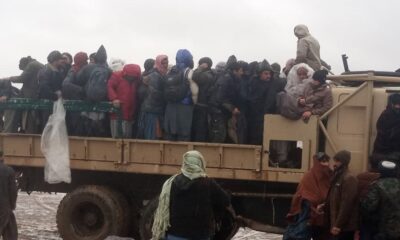
Afghan border forces prevent illegal entry of hundreds into Iran
-
 Latest News3 days ago
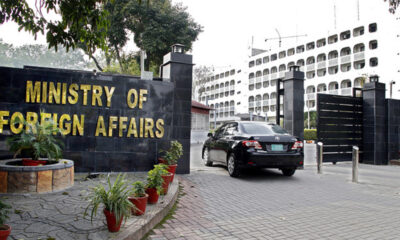
Pakistan summons Afghan diplomat over deadly attack in North Waziristan
-
 Latest News3 days ago
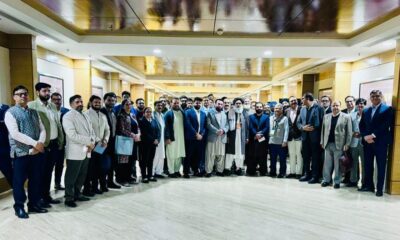
Afghan health minister calls for medical cooperation between Kabul and New Delhi
-
 Latest News4 days ago
Japan allocates nearly $20 million in humanitarian aid for Afghanistan
-
 Latest News3 days ago
Karzai urges reopening of girls’ schools and universities for Afghanistan’s bright future
-
 Latest News2 days ago
Bush Institute criticizes Trump administration’s Afghan immigration freeze
-

 Health4 days ago
India issues over 200 medical visas to Afghans in last four months