
Business
Lemon production on the rise in Nangarhar








Business
US sanctions and blockade measures disrupt Iran’s trade with Afghanistan and regional neighbors
The effects have also extended beyond Iran’s borders, affecting regional trade routes and cross-border commerce with neighboring countries, including Afghanistan.
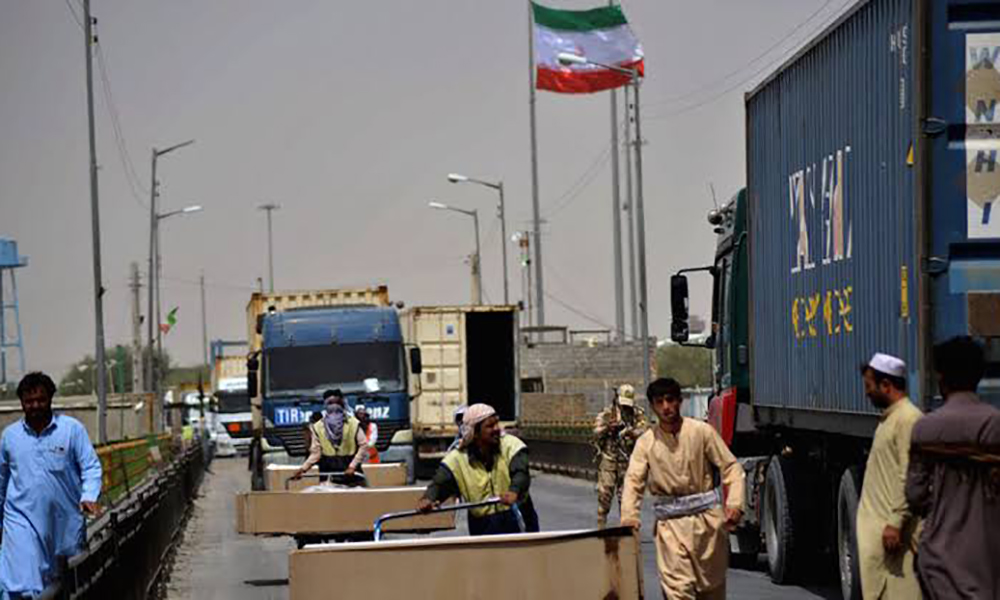
US naval blockade measures and economic sanctions against Iran are increasingly disrupting the country’s overland trade with Afghanistan and other regional neighbors, including Pakistan, Turkmenistan and Turkey, according to a US Treasury Department report cited by Axios.
The report said Washington aims to pressure Iranian officials into negotiations through economic restrictions and other measures targeting the country’s economy.
According to the Treasury Department, US sanctions and mounting economic pressure have significantly weakened Iran’s national currency, fueled inflation and disrupted commercial activities.
The effects have also extended beyond Iran’s borders, affecting regional trade routes and cross-border commerce with neighboring countries, including Afghanistan.
The developments have raised concerns over the potential economic impact on regional trade, particularly in countries that rely on commercial routes and trade links with Iran.
Business
Afghanistan inaugurates first phase of Kandahar cement factory
According to officials, the first phase of the factory has a daily production capacity of 1,500 metric tons of cement and is expected to generate thousands of direct and indirect jobs.
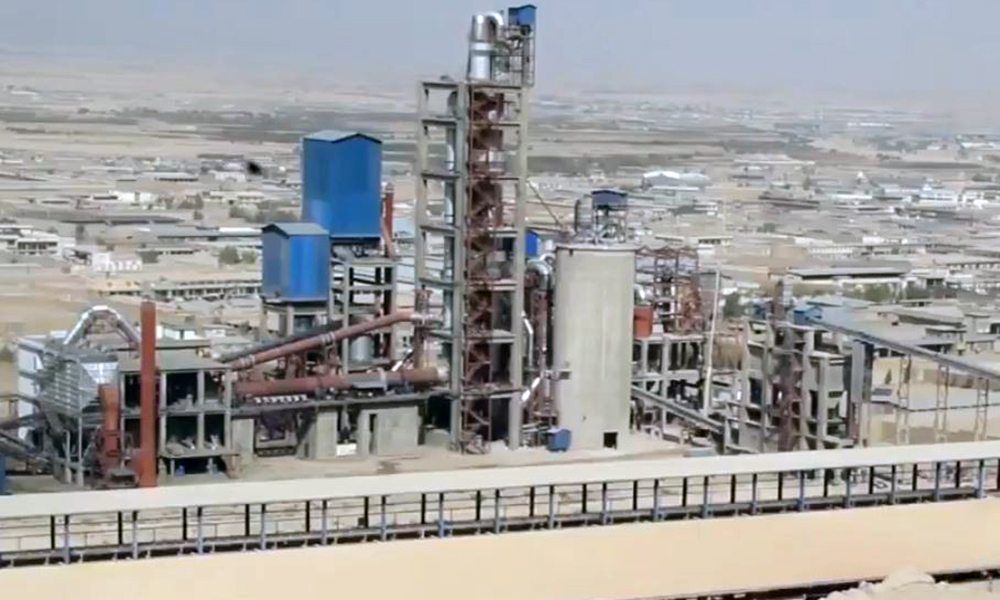
Afghanistan has inaugurated the first phase of the Shorandam Cement Factory in Kandahar province, marking a step toward expanding domestic cement production and reducing reliance on imports.
Mullah Abdul Ghani Baradar, Deputy Prime Minister for Economic Affairs, officially opened the facility on Thursday at a ceremony attended by senior officials of the Islamic Emirate.
Speaking at the ceremony, Baradar said sustainable economic development requires the effective use of domestic resources and a shift from a consumer-based economy to a production-driven one.
He stressed the need to boost local production, reduce imports, expand exports and strengthen the country’s industrial sector.
According to officials, the first phase of the factory has a daily production capacity of 1,500 metric tons of cement and is expected to generate thousands of direct and indirect jobs. Work on the second phase is also expected to begin in the future.
Hidayatullah Badri, Minister of Mines and Petroleum, said cement production had resumed in Afghanistan for the first time since the Islamic Emirate returned to power.
He added that six major cement production projects are currently underway across the country, involving a combined investment of $662 million.
According to Badri, the projects are expected to create employment opportunities for around 15,000 people and meet nearly 50 percent of Afghanistan’s domestic cement demand once completed.
Islamic Emirate spokesperson Zabihullah Mujahid also welcomed the factory’s inauguration, describing it as positive news for the country and emphasizing the importance of maintaining production quality and industrial standards.
Afghanistan currently relies heavily on imported cement to meet domestic demand. The expansion of local production is expected to reduce dependence on imports, support the construction industry and create employment opportunities.
Business
WFP report notes high food and fuel costs continue to pressure Afghan households
Pastoralist households also faced declining purchasing power. The sale of a one-year-old female sheep could buy 260 kilograms of low-priced wheat flour, 12% less than a year earlier.
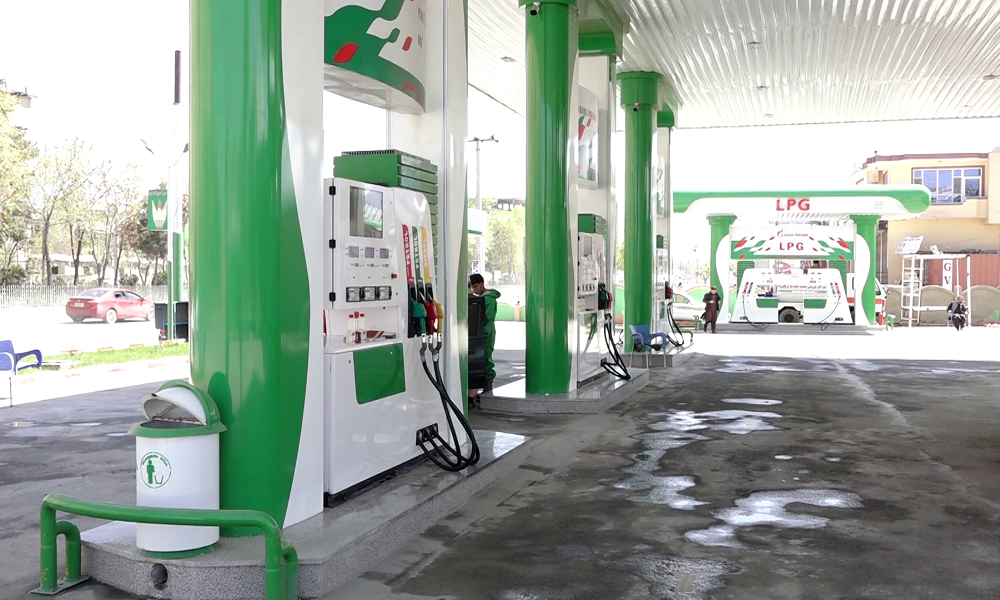
Rising food, fuel and agricultural input costs continue to strain Afghan households despite a relatively strong afghani (AFN), according to the World Food Programme’s (WFP) latest weekly market report.
The afghani traded at an average of 64.9 against the US dollar in the first week of October, remaining 2% stronger than a year earlier and 7% above its three-year average. However, several staple foods and essential agricultural inputs remained significantly more expensive than a year ago.
WFP’s report found that prices for Palawi rice were 17% higher than last year, while the lower-priced Sholae variety had risen by 31%. Cooking oil and sugar prices were also up 12% and 10%, respectively, while wheat grain and low-priced wheat flour were both 10% more expensive.
Fuel costs continued to add pressure, with diesel selling at an average of AFN 80.9 per litre, 3% higher than a year earlier and 14% above its three-year average. Fertiliser prices also remained elevated, with urea up 24% and diammonium phosphate (DAP) up 10% year-on-year.
The report highlighted growing pressure on household purchasing power as wages and employment opportunities weakened. Unskilled labour availability averaged just two days per week, 14% below the previous year and 21% below the three-year average. Daily wages for unskilled workers were also 5% lower than a year earlier.
As a result, an unskilled labourer’s daily wage could purchase an average of 9.9 kilograms of low-priced wheat flour, down 13% from a year earlier. The real purchasing power of unskilled labour households fell by 25% year-on-year and stood 30% below the three-year average.
Pastoralist households also faced declining purchasing power. The sale of a one-year-old female sheep could buy 260 kilograms of low-priced wheat flour, 12% less than a year earlier.
Some commodities recorded price declines during the week. Potato prices fell by 4.1%, onions by 3.1% and Palawi rice by 1.9%. However, potatoes remained 25% more expensive than a year earlier, while Palawi rice was 19% above its three-year average.
WFP said the in-kind food basket cost AFN 6,033 in the first week of October, 4% higher than a year earlier. The report also noted significant differences in prices between provinces, reflecting variations in transport costs, market supplies and seasonal availability.
The findings underscore continued pressure on Afghan households, as high essential commodity prices, weak labour availability and declining purchasing power limit access to food despite support from the stronger national currency.


Tahawol: Disruptions in Iran’s trade with neighboring and regional countries

Saar: Regional opportunities and challenges for Afghanistan discussed

Arman FC fall 2–0 to Aino Mina in Afghanistan Champions League

Afghanistan storm into Hong Kong Sixes final after beating Scotland

Mujahid: Pakistan not willing to resolve tensions with Afghanistan through dialogue

Cricket Bonanza: Afghanistan set for packed international schedule

ACB announces Afghanistan squads for Bangladesh, Zimbabwe series

Afghanistan finish runners-up after 6-0 defeat to Brazil in futsal final

Afghanistan to face Pakistan, India and Australia at 2027 Cricket World Cup

India, Pakistan summon top diplomats over border incident
Tahawol: Disruptions in Iran’s trade with neighboring and regional countries
Saar: Regional opportunities and challenges for Afghanistan discussed

Exclusive interview with Nooruddin Turabi, Director General of ANDMA

Tawsia: Afghanistan’s mining potential for economic growth discussed

Saar: Regional coalition against Israel-US discussed
-
 Sport5 days ago
Afghanistan advance to Tier C at FIFA U-15 World Cup and Festival
-
 Regional5 days ago
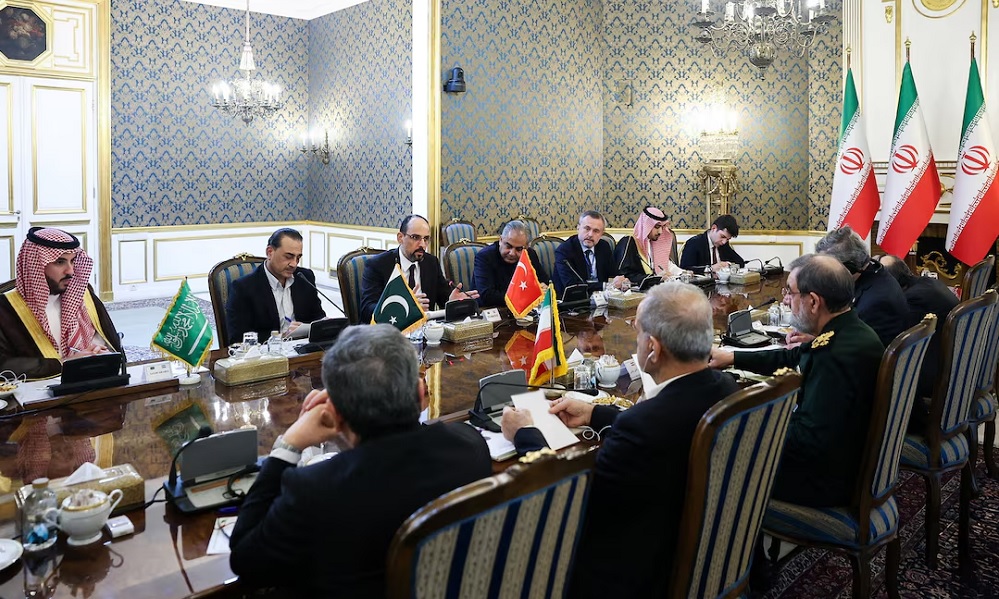
Saudi defence pact countries push for peace in Tehran as Houthis launch more attacks
-
 Latest News5 days ago
US plans to deport some Afghan migrants to Pakistan: Bloomberg
-
 Sport4 days ago
Afghanistan U-18 futsal team in Senegal ahead of Youth Olympic Games
-
 Sport5 days ago
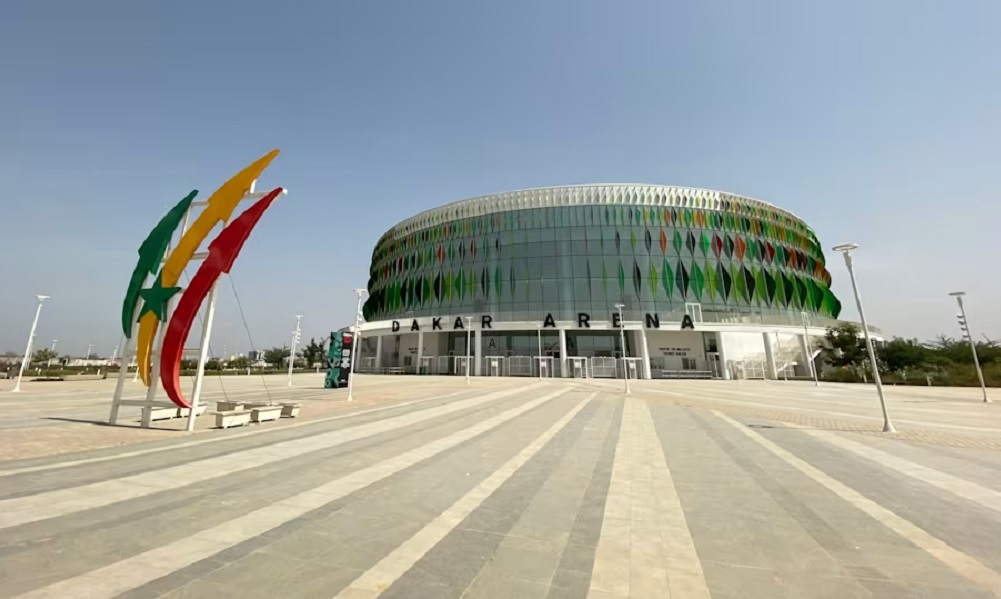
ATN to bring historic Dakar 2026 Youth Olympics to Afghan audiences
-
 Sport3 days ago
Afghanistan beat India 2-1 at FIFA U-15 World Cup & Festival
-
 International Sports5 days ago
England forward Kane crowned Ballon d’Or winner
-
Business22 hours ago
US sanctions and blockade measures disrupt Iran’s trade with Afghanistan and regional neighbors