
Latest News
Last week deadliest in 19 years for Afghan forces: ONSC

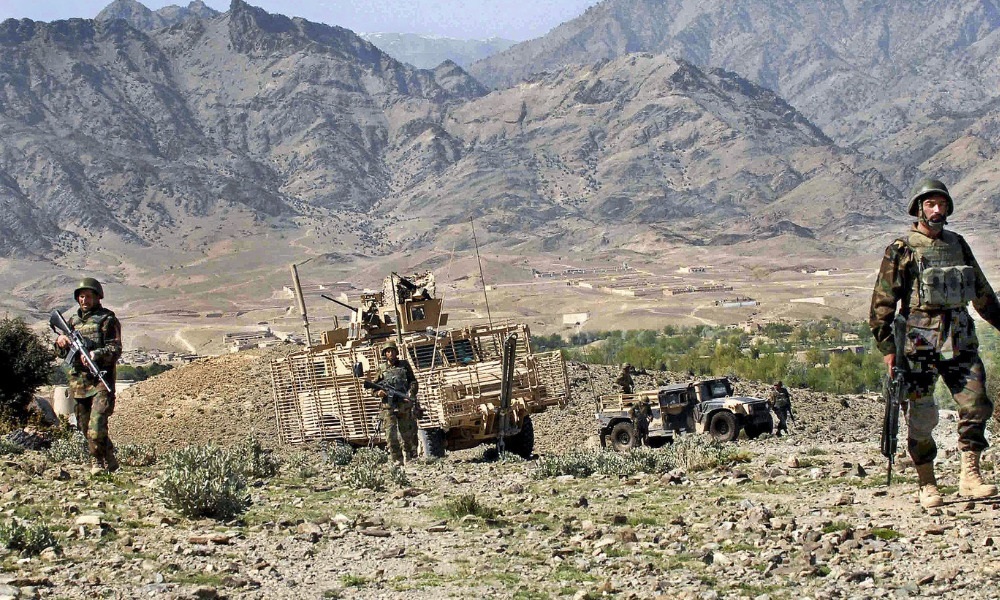
The National Security Council said Monday that last week was the deadliest of the past 19 years for the Afghan Security and Defence Forces.
Javid Faisal, a spokesman for the Office of the National Security Council (ONSC) tweeted that the Taliban militants have carried 422 attacks in 32 provinces, killing at least 291 Afghan forces.
“Taliban carried out 422 attacks in 32 provinces, martyring 291 ANDSF members and wounding 550 others,” said Javid.
The past week was the deadliest of the past 19 years. Taliban carried out 422 attacks in 32 provinces, martyring 291 ANDSF members and wounding 550 others. Taliban’s commitment to reduce violence is meaningless, and their actions inconsistent with their rhetoric on peace.
— Javid Faisal (@Javidfaisal) June 22, 2020
The official noted that the Taliban failed to fulfill its commitment in terms of reduction in violence.
“Taliban’s commitment to reduce violence is meaningless, and their actions inconsistent with their rhetoric on peace,” Faisal tweeted.
Faisal also noted in a separate tweet that at least 42 civilians, including women and children, were killed and 105 others were wounded in the violence Taliban committed across 18 provinces in the past one week.
In a bid to highlight the issue, the ONSC in a statement said that despite all Taliban’s commitments, and the Afghan government’s “goodwill and activities” the group has still “shed the blood of Muslim Afghans, failed in its commitments, and has shown no goodwill for peace.”
Meanwhile, the Security Council calls on the Taliban to stop the violence as soon as possible, saying that without a reduction in violence “reaching peace could be impossible.”
The Taliban militant group yet to comment on the matter.
It comes as the UN Secretary-General’s Special Representative for Afghanistan Deborah Lyons met with Taliban deputy leader Mullah Baradar in Doha, the capital of Qatar.
.@DeborahLyonsUN had a cordial initial meeting in Doha with Mullah Baradar, Taliban deputy leader. The UN envoy for #Afghanistan highlighted the need for a just peace that was inclusive of all Afghans, including women, youth and minorities. pic.twitter.com/brIOE2aadS
— UNAMA News (@UNAMAnews) June 21, 2020
“The UN envoy for Afghanistan highlighted the need for a just peace that was inclusive of all Afghans, including women, youth, and minorities,” the UNAMA tweeted.
“Both sides talked about the release of the remaining prisoners and commencement of intra-Afghan negotiations…Also, avoidance of civilian casualties came under discussion,” Taliban’s political spokesman Sauhail Shaheen said.

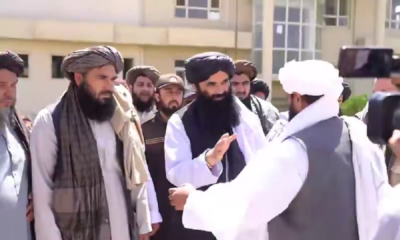


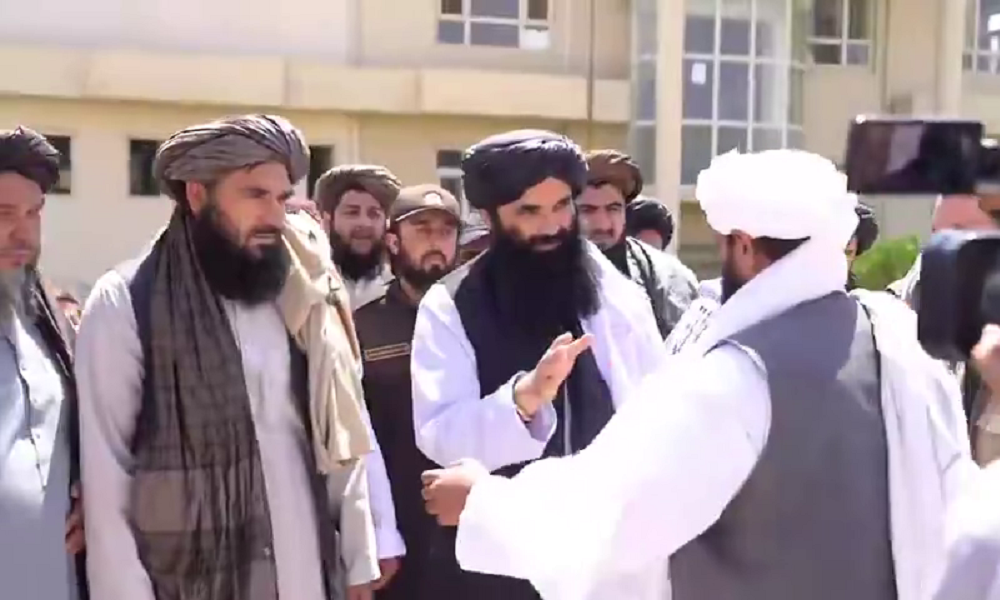
Sirajuddin Haqqani, the Minister of Interior Affairs, traveled to Bamyan province on Friday after visiting Panjshir and met with officials and a number of tribal elders who had come from various districts of the province.
Abdul Mateen Qani, spokesperson for the Ministry of Interior Affairs, said Haqqani described Afghanistan’s current security and stability as a major national asset and said that Afghanistan is the common home of all Afghans.
According to Qani, the Interior Minister added that divisions based on ethnicity, region and language were the result of hostile foreign efforts. However, he said Afghans are now moving toward strengthening unity, brotherhood and solidarity under a single system, and that maintaining the country’s security and stability is a shared responsibility of the government and the people.
Haqqani also held a separate meeting with Bamyan’s tribal elders and influential figures, listened to their views, suggestions and requests, and issued necessary instructions to the relevant officials to follow up on and resolve the issues raised.
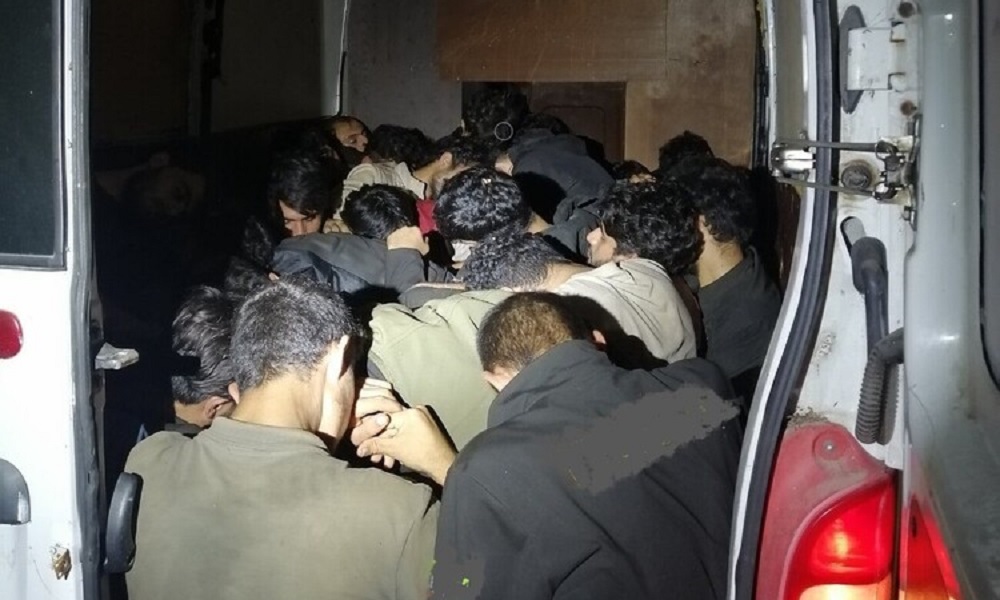
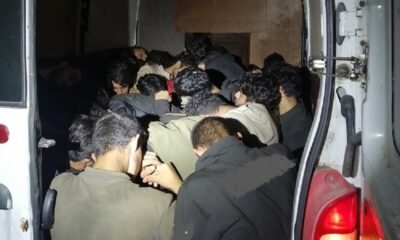
Bulgaria’s state news agency BTA has reported that border police in the Malko Tarnovo area arrested 35 undocumented migrants, all Afghan nationals, from a passenger vehicle.
Bulgaria’s Interior Ministry said the migrants were arrested on August 18.
According to officials, the 22-year-old driver of the vehicle, who is a resident of North Macedonia, was also arrested by police.
The report said Bulgarian police operations against illegal migration have expanded in recent months.
Earlier in August, 20 undocumented migrants and their driver were also arrested in the area of the Ropotamo River, near the city of Burgas.
Previously, in mid-June, 32 migrants and a guide accompanying them were arrested in the Poda area, near Burgas.
Bulgarian border police said that under new regulations, undocumented migrants apprehended at the country’s external borders are held in special facilities for up to seven days before being transferred to migrant detention centers.
Latest News
Girls’ education key to IEA’s international legitimacy, says Karzai
Karzai, who led Afghanistan for nearly 13 years after the fall of the first IEA’s government in 2001, said some IEA officials understand and agree with his concerns.
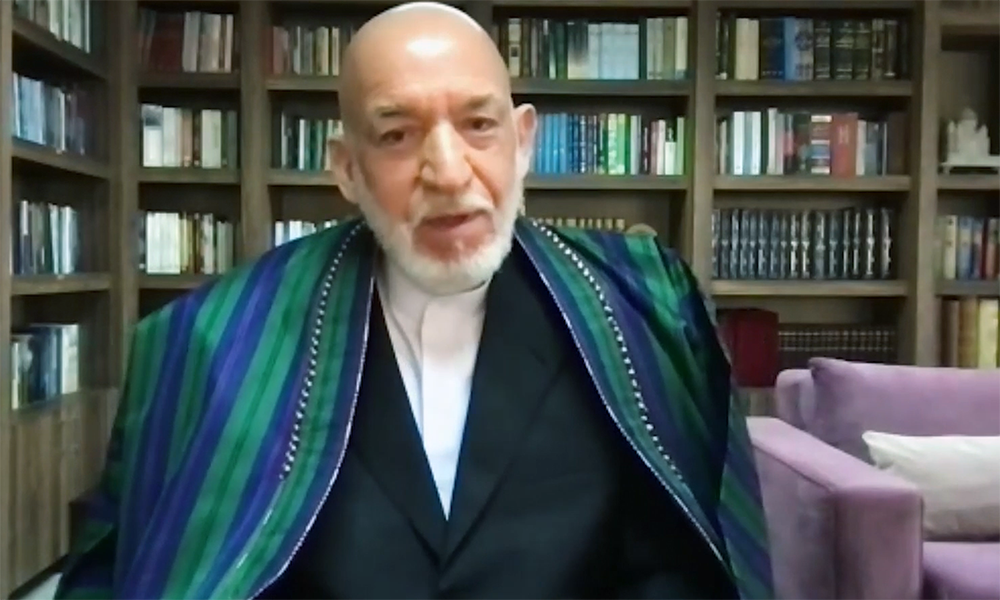
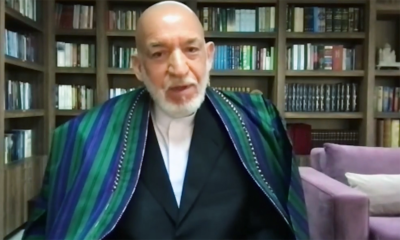
Former Afghan President Hamid Karzai has said the Islamic Emirate of Afghanistan (IEA) will struggle to gain broader international legitimacy unless it reverses restrictions on girls’ education and women’s employment.
Speaking in an interview with Bloomberg’s The Mishal Husain Show, Karzai said he had repeatedly urged IEA’s officials to reopen schools and universities to girls and allow women to return to work.
“I’ve been repeatedly speaking to them and telling them of the importance of education for Afghanistan, of the importance of Afghan women, half the society, getting back to work,” Karzai said.
Karzai, who led Afghanistan for nearly 13 years after the fall of the first IEA’s government in 2001, said some IEA officials understand and agree with his concerns.
He argued that international recognition and legitimacy depend on meeting certain conditions, particularly restoring girls’ access to education and women’s participation in the workforce.
Since returning to power in August 2021, the IEA has barred girls from secondary schools and universities and imposed sweeping restrictions on women’s employment, movement and dress.
The restrictions have drawn repeated condemnation from the United Nations and Western governments, which have made improvements in women’s rights a key condition for normalising relations with the IEA.
According to the United Nations, about 3.8 million Afghan girls are currently out of school. The restrictions on women’s education and employment are also estimated to cost Afghanistan billions of afghanis each year.
Despite international pressure and several rounds of talks, including meetings in Oslo and Doha, the IEA has so far shown no indication of reversing the education bans.
Karzai also warned about the wider humanitarian and economic challenges facing Afghanistan. The United Nations estimates that 21.9 million people—around 45 percent of the population—will require humanitarian assistance in 2026.
The return of millions of Afghans from neighbouring Iran and Pakistan has added further pressure to the country’s already fragile humanitarian situation.
The Islamic Emirate has previously said that the issue of girls’ education is an internal issue in Afghanistan and efforts are being made to resolve it.


Abaseen Defenders clinch Khan Hospital Kabul Premier League Season 4 title

Sirajuddin Haqqani travels to Bamyan after Panjshir visit

Bulgaria detains 35 Afghan migrants in passenger vehicle

Girls’ education key to IEA’s international legitimacy, says Karzai

Belarus ready to boost petroleum trade and investment cooperation with Afghanistan

Pakistan’s governance system has ‘collapsed’: Mohsin Naqvi

AFC confirms clubs for 2026/27 competitions; draw set for August 18

Afghanistan exports first stone shipment to US in $100,000 trade milestone

Only two days to go before Afghanistan and Ireland begin ODI series

Pakistan’s trade deficit with neighbours surges to nearly $16 billion as exports to Afghanistan plunge

Tahawol: Expansion of IEA’s diplomatic ties with countries discussed

Saar: Ongoing tensions between Iran and US discussed

Tahawol: Marking Afghanistan’s 107th independence anniversary

Saar: 107th anniversary of Afghanistan’s independence discussed

Tahawol: Iran’s position on recognizing Islamic Emirate discussed
-
 Latest News4 days ago
Juma Khan Fateh surrenders to IEA forces in Badakhshan
-
 Latest News4 days ago
Blast at Kabul school injures at least 52
-
 Latest News4 days ago
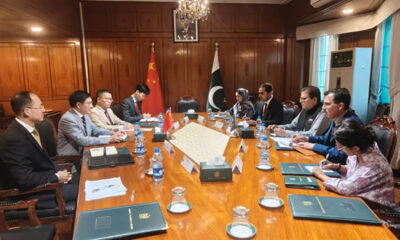
China’s special envoy for Afghanistan visits Türkiye, Pakistan and Afghanistan
-
 Latest News3 days ago
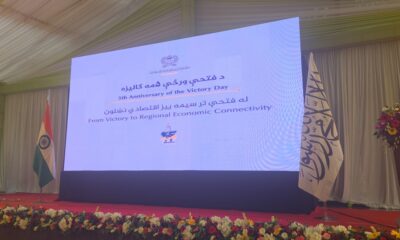
Indian and Serbian officials attend August 15 event at Afghan Embassy in Delhi
-
 Sport4 days ago
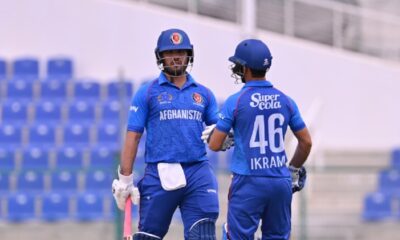
Darwish Rasooli named captain as Afghanistan unveil Asian Games squad
-

 World5 days ago
Trump wants more economic pressure on Iran
-
 Business4 days ago
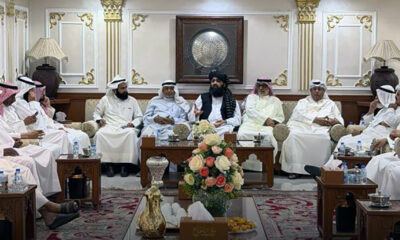
Afghanistan, Kuwait explore new investment and trade opportunities
-
 Health5 days ago
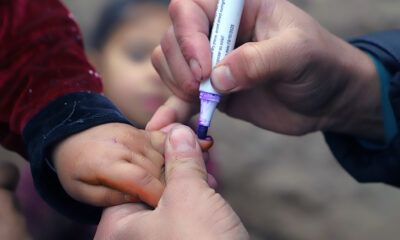
Polio vaccination campaign set to roll out in five Afghan provinces amid new cases