
Business
Afghanistan’s Largest Cold Storage Facility Built in Kabul

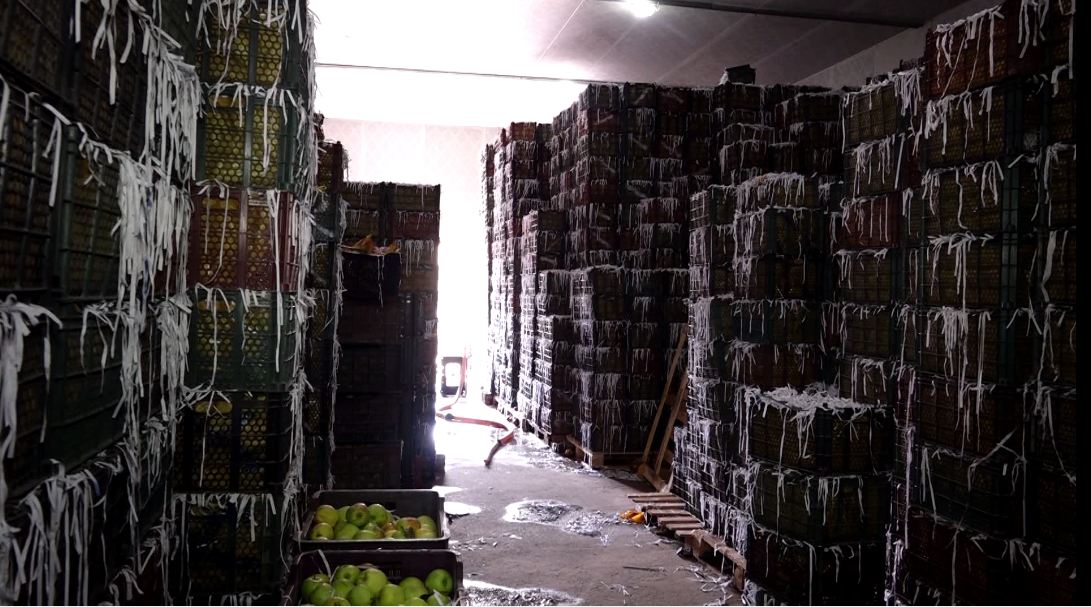

A privately owned cold storage facility has been built in Kabul.
The facility, which is the largest cold storage build in the country, cost about five million US dollars.
It has the capacity of storing 5,000 tons of agricultural products at one time. Presently it is being used to store 2,000 tons of fresh apples.
According to the owner, the warehouse can store perishable fresh fruits and vegetables for a period of up to six months.
“We can store tomatoes for two months, grapes for three months, and pomegranates, apples and oranges for six months,” said Habib Rezaee, the owner of the facility.
Mr. Rezaee said that he plans to build similar cold storage facilities in 20 provinces.
An official from the Fresh Fruit Exporters Union told Ariana News that the building of such storage facilities will minimize product loss and maximize profits.
“The government has failed to build such facilities which benefit businessmen, farmers, and everyone,” said Mirwais Hajizada, Deputy of the Fresh Fruit Exporters Union.
The Ministry of Industry and Commerce (MoIC) welcomes the construction of the cold storage by private investors.
“We welcome any investment by the private sector for the economy development; therefore, we have a close relation with the private sector,” said Samir Rasa, Spokesperson of the Ministry of Industry and Commerce.
Recently, officials in the Afghanistan Chamber of Commerce and Investment (ACCI) said the Afghan government has made little effort to find markets for fresh fruits being produced in the country.
Currently, fresh fruits are sold cheaply within domestic markets, while large amounts of fruit spoils every year due to the lack of standard refrigeration.
According to the Ministry of Agriculture, Irrigation and Livestock (MAIL), Afghanistan is a fertile country that produces about 1.5 million tons of fresh fruits per year.
Last year, officials said the government is trying to build standard cold storage facilities to extend the lifespan of the country’s fruit, but farmers still suffer due to the absence of cold storage capacity across the country.








Business
Afghanistan seeks expanded ties with Russia in energy, mining and infrastructure
TASS reported that Kabul is also prepared to cooperate with Moscow in the extraction of mineral resources.

Afghanistan has expressed strong interest in broadening trade and economic cooperation with Russia, with a particular focus on energy, mining and infrastructure projects, according to Russia’s TASS news agency.
In an interview with TASS, Afghanistan’s Ambassador to Moscow, Gul Hassan, said Kabul is keen to import oil and gas from Russia as part of efforts to deepen bilateral economic ties.
He noted that trade relations between the two countries are progressing and that, if key obstacles—especially banking restrictions—are addressed, Afghanistan could also import medicines, industrial goods, grain, vegetable oils and other commodities from Russia.
In return, the ambassador said Afghanistan is ready to export fresh and dried fruits, vegetables, medicinal plants, carpets and mineral resources to the Russian market, adding that expanding export-import operations could significantly increase bilateral trade volumes.
He also revealed plans to open an exhibition of Afghan products in Moscow, which he said would help boost trade turnover.
TASS reported that Kabul is also prepared to cooperate with Moscow in the extraction of mineral resources.
Hassan described the economy as a central pillar of Afghanistan’s foreign policy, emphasizing the government’s goal of positioning the country as a key link in regional economic integration and attracting foreign investment.
He noted that Russian companies have long shown interest in Afghanistan’s industrial, mining and infrastructure sectors.
The ambassador further told TASS that Russian firms are already in talks with relevant Afghan authorities on the construction of small hydroelectric power plants.
Representatives of several Russian companies have reportedly visited Afghanistan and held meetings with officials and technical experts.
According to Hassan, practical steps toward cooperation in the energy and power generation sectors are expected in the near future, pointing to a potential new phase in Afghan-Russian economic relations.
Business
Pakistan, China plan to extend CPEC to Afghanistan, revive trilateral framework
The proposed CPEC expansion into Afghanistan is seen as a move to enhance regional economic integration amid shifting geopolitical dynamics.
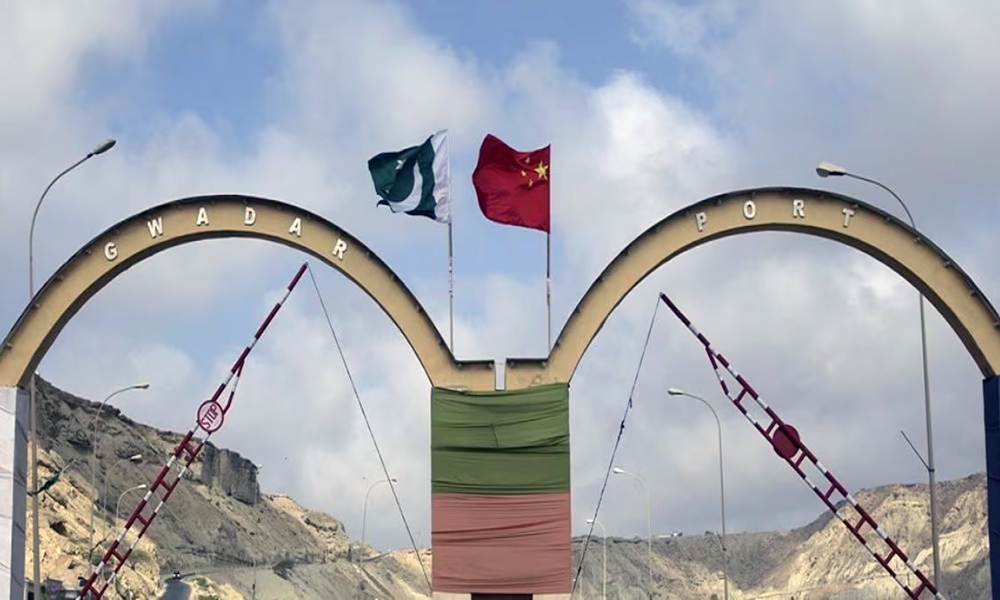
Pakistan and China are moving forward with plans to extend the China-Pakistan Economic Corridor (CPEC) into Afghanistan, a strategic step aimed at bolstering regional connectivity and economic cooperation. The expansion, along with the revival of the Pakistan-China-Afghanistan trilateral framework, was discussed in a recent briefing to the Pakistani Senate Standing Committee on Foreign Affairs.
According to Pakistan Today, officials from Pakistan’s Ministry of Foreign Affairs outlined the details during a session in Islamabad, where they reviewed key aspects of Pakistan’s foreign relations, regional developments, and economic diplomacy.
Officials emphasized that Pakistan’s relationship with China remains strong, underscoring the “all-weather” strategic partnership between the two nations. Strengthening ties with Beijing, they stated, continues to be a cornerstone of Pakistan’s foreign policy. This includes unwavering support for China’s position on regional and international issues, particularly the One-China policy and matters related to territorial integrity.
The briefing also touched upon China’s consistent backing of Pakistan in various areas, including sovereignty, economic stability, counter-terrorism, and support for Pakistan’s exit from the Financial Action Task Force (FATF) grey list.
The Kashmir issue was also addressed, with officials noting that China considers it an unresolved matter and advocates for a peaceful resolution in line with UN Security Council resolutions.
The proposed CPEC expansion into Afghanistan is seen as a move to enhance regional economic integration amid shifting geopolitical dynamics. Officials stated that reviving the trilateral framework is part of broader efforts to foster greater cooperation and connectivity in the region, with an eye on long-term stability and prosperity.
The move also reflects both countries’ desire to further integrate Afghanistan into the regional economic landscape, a key element in fostering peace and development.
Business
Uzbekistan–Afghanistan trade rises to $1.6 billion in 2025
Trade relations remain largely export-driven, with Uzbekistan supplying Afghanistan primarily with food products, energy resources, and industrial goods.
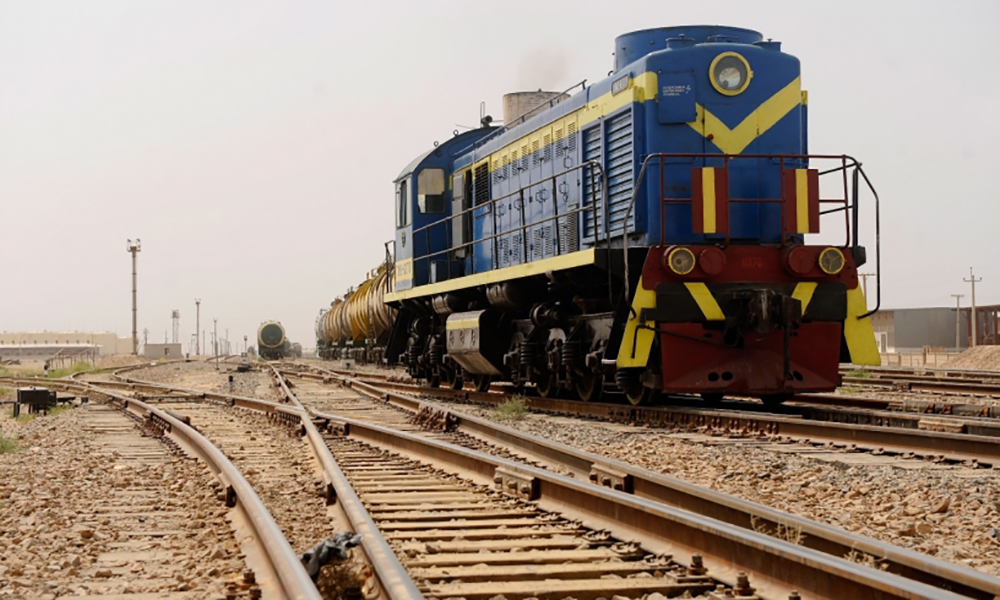
Trade between Uzbekistan and Afghanistan rose sharply in 2025, reaching $1.6 billion, according to official data released by Uzbekistan’s National Statistics Committee.
The figure represents a 45.5 percent increase from $1.1 billion in 2024 and an 84.4 percent rise compared with 2023, when bilateral trade stood at $867.5 million, highlighting rapid growth in economic exchanges between the two countries.
Uzbekistan’s exports to Afghanistan accounted for the vast majority of the trade volume, totaling $1.5 billion, or 93.8 percent of overall bilateral turnover. Trade relations remain largely export-driven, with Uzbekistan supplying Afghanistan primarily with food products, energy resources, and industrial goods.
The surge in trade comes as Uzbekistan’s total foreign trade turnover reached $81.2 billion in 2025, reflecting broader efforts to expand and diversify external economic ties. By the end of the reporting period, Uzbekistan maintained trade relations with 210 countries.
China remained Uzbekistan’s largest trading partner, accounting for 21.2 percent of total trade, followed by Russia (16.0 percent), Kazakhstan (6.1 percent), Türkiye (3.7 percent), and the Republic of Korea (2.1 percent).
The latest figures underscore strengthening economic ties between Uzbekistan and Afghanistan amid efforts to boost regional trade and connectivity.


Afghanistan hosts 4th Doha Process Counter-Narcotics Meeting, highlights progress

Winter Olympics finally underway, ATN to broadcast exclusively across Afghanistan

Afghanistan records over 80 deaths, 330 injuries from explosive ordnance in a year

Uzbekistan, Pakistan advance Trans-Afghan railway project

Afghanistan, central Asia officials strengthen counter-narcotics cooperation

Turkey withdraws from Afghanistan-Pakistan mediation amid rising tensions

ICG report says Pakistan most impacted by IEA’s return in Afghanistan

Pakistan approves re-export of stranded Afghan transit trade cargo

Afghanistan–China joint market opens in Kabul

ATN secures broadcast rights to Carabao Cup semis across Afghanistan

Tahawol: Regional security concerns regarding Afghanistan reviewed

Saar: Upcoming negotiations between Iran-US discussed

Tahawol: Afghanistan’s bid to engage with SCO

Saar: Afghanistan and Iran’s expanding ties discussed

Tahawol: Tense regional situation over Iran discussed
-

 Sport3 days ago
AFC Futsal Asian Cup: Afghanistan to face Iran in crucial Group D clash
-

 Sport2 days ago
AFC Futsal Asian Cup 2026: Final eight confirmed
-

 Sport4 days ago
T20 World Cup 2026: Afghanistan national cricket team arrives in India
-
 Business4 days ago
Pakistan, China plan to extend CPEC to Afghanistan, revive trilateral framework
-
 Latest News4 days ago
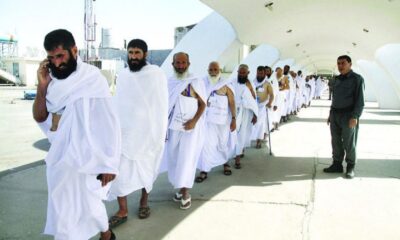
Afghanistan granted 30,000 Hajj quota for 2026
-

 Sport5 days ago
Afghanistan roar into U19 World Cup 2026 semis after defeating Ireland
-

 Sport3 days ago
Iran see off spirited Afghanistan to finish top of Group D
-

 Sport2 days ago
Afghanistan in new kit for T20 World Cup warm-up against Scotland