
Latest News
Kabul security ramped up as Taliban issues warning against ‘occupying forces’

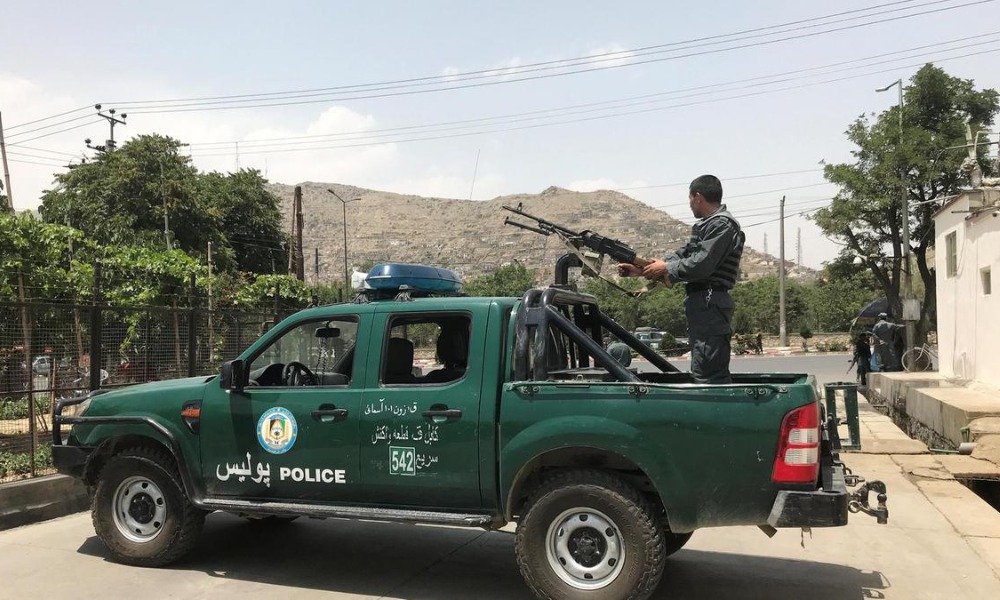
Kabul security was ramped up on Saturday as the city braced for attacks by the Taliban due to the presence of foreign troops in the country – despite the May 1 withdrawal deadline agreement signed last year between the US and the Taliban.
An increased military presence and security at checkpoints were visible in the Afghan capital, and a security source told Reuters the city had been placed on “high alert”.
Military patrols and security were being increased in main cities around the country, the source said.
On Saturday morning, Taliban spokesman Zabiullah Mujahid tweeted that the US troops presence was in violation of the agreement and that the group reserved the right to take action against the “occupying forces”.
“As withdrawal of foreign forces from Afghanistan by agreed upon May 1st deadline has passed, this violation in principle has opened the way for IEA Mujahidin to take every counteraction it deems appropriate against the occupying forces,” Mujahid tweeted.
“The Mujahidin of IEA (Taliban) will now await what decision the leadership of Islamic Emirate takes in light of the sovereignty, values and higher interests of the country, and will then take action accordingly, Allah willing,” he said.
Under the Trump administration’s February 2020 deal with the Taliban, foreign forces were to withdraw from the country by May 1 while the Taliban held off on attacking foreign troops and bases.
But US President Joe Biden announced last month after reviewing the situation that forces would stay in the country for months beyond May, withdrawing by September 11.
While the Taliban did not attack foreign forces in the year following the signing of the agreement, the group continued to carry out attacks against the Afghan security forces and Afghan civilians.
In recent weeks, more than 100 Afghan security force personnel have been killed. On Friday alone, a massive truck bomb in Logar killed dozens of people.
Washington has however warned that if foreign forces were attacked while carrying out the withdrawal they would defend themselves “with all the tools at our disposal”.
Experts said the Taliban threats should be taken seriously, but a number of factors meant that full-scale attacks against foreign targets could be averted, as the Taliban continued negotiations.
“We can’t rule out attacks,” Michael Kugelman, deputy director of the Asia Programme at the Woodrow Wilson Center in Washington told Reuters.
“That said, the Taliban is less likely to attack foreign forces now that it knows there is a specific date when they will be leaving.”
In the lead up to May, sources said there was a flurry of meetings and negotiations continued with the Taliban to try to get them to agree to a deadline extension.
The U.S. special envoy for Afghanistan, Zalmay Khalilzad, met with the Taliban’s head of political office, Mullah Baradar, in Doha, a Taliban spokesman said on Friday.
Also on Friday, the eve of the May 1 deadline, envoys from Russia, China, Pakistan and the United States held meetings with Taliban officials and Afghan government negotiators in the Qatari capital. The Taliban said they discussed the peace process and their request that Taliban leaders be removed from sanctions lists.
Sources also said that a delegation of Taliban political leaders had been in Pakistan’s capital Islamabad this week, Reuters reported.
Two Taliban sources and one official source told Reuters negotiations had revolved around the proposed deadline extension in exchange for the United States not getting involved in Afghan military operations against the Taliban; getting the Taliban to commit to re-joining the Turkey conference if they were provided with an agenda on what would be discussed there; and possibly declaring a ceasefire over the upcoming Eid holiday.

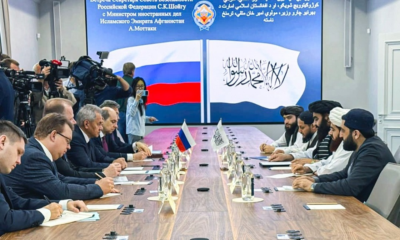


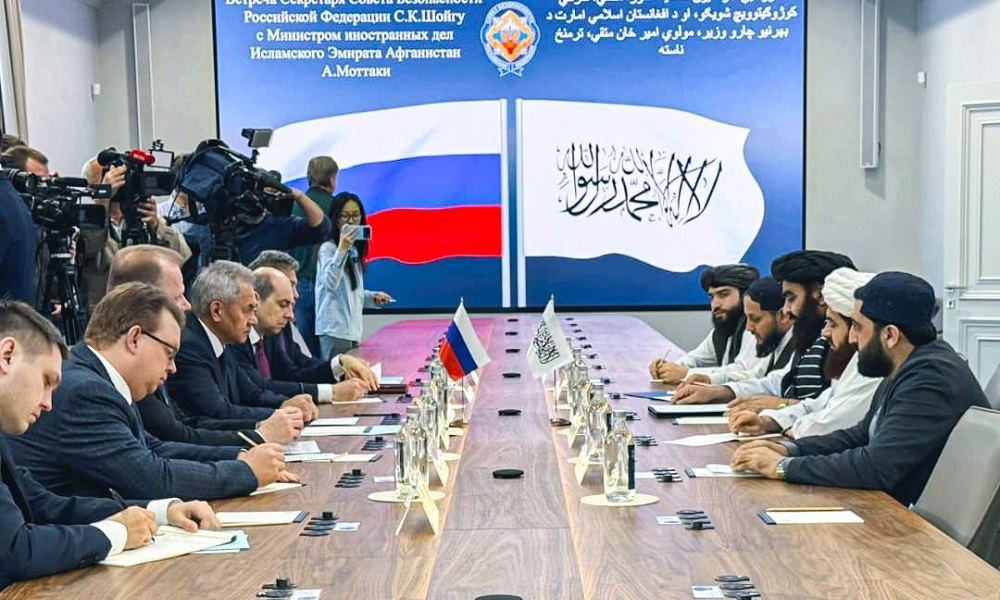
Amir Khan Muttaqi, Minister of Foreign Affairs, met on Tuesday with Sergei Shoigu, Secretary of Russia’s Security Council, to discuss bilateral relations, regional security, and security cooperation.
In a statement issued on Tuesday, the Ministry of Foreign Affairs of the Islamic Emirate said the two sides also discussed counter-narcotics efforts and expanding security cooperation between Afghanistan and Russia.
Muttaqi, referring to the positive progress in political relations between the two countries, thanked Russia for recognizing the Islamic Emirate of Afghanistan and stressed the importance of strengthening security cooperation, regular consultations, and expanding economic and trade relations.
The Foreign Minister also said Afghanistan would continue its efforts to ensure regional security and combat narcotics, and supports expanding cooperation with regional countries through direct contacts and practical cooperation.
Meanwhile, Sergei Shoigu described Afghanistan-Russia relations as expanding in various areas and expressed satisfaction with Afghanistan’s efforts to maintain security and combat narcotics.
The Secretary of Russia’s Security Council emphasized that Moscow would continue political consultations and practical cooperation with Afghanistan.
Latest News
Muttaqi, Russian deputy PM discuss expanding economic ties
Overchuk expressed Russia’s readiness to expand economic cooperation with Afghanistan, saying conditions are now in place for launching practical cooperation.
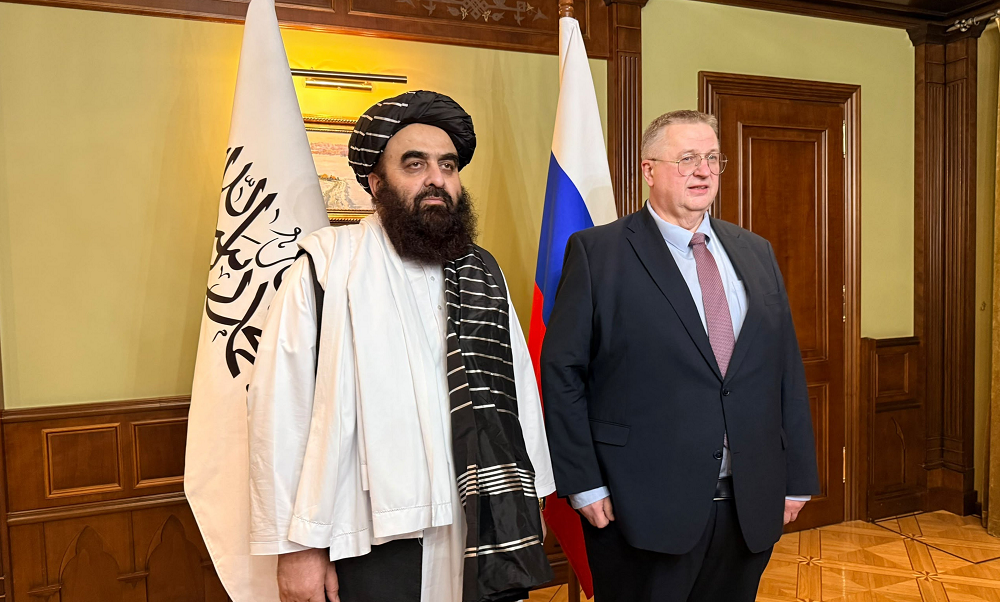
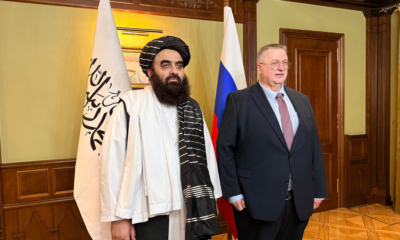
Afghanistan’s Foreign Minister Amir Khan Muttaqi met with Russian Deputy Prime Minister Alexei Overchuk in Moscow to discuss expanding political and economic cooperation between the two countries.
The talks focused on strengthening trade, transit, regional connectivity and energy cooperation, as well as investment and other areas of mutual interest, Afghan foreign ministry said in a statement.
Muttaqi highlighted the positive trajectory of political relations between Kabul and Moscow and thanked the Russian leadership for what he described as its positive policy toward Afghanistan.
He said the existing political understanding should be translated into practical economic partnerships, stressing the need to expand trade and transit, attract Russian investment to Afghanistan, cooperate in energy and mining, and facilitate banking and payment mechanisms between the two countries.
Overchuk expressed Russia’s readiness to expand economic cooperation with Afghanistan, saying conditions are now in place for launching practical cooperation.
He also stressed the importance of expanding joint work in transit, transport, energy and other sectors, while pointing to a significant increase in bilateral trade last year. He expressed hope that further practical economic cooperation between the two countries would develop in the near future.
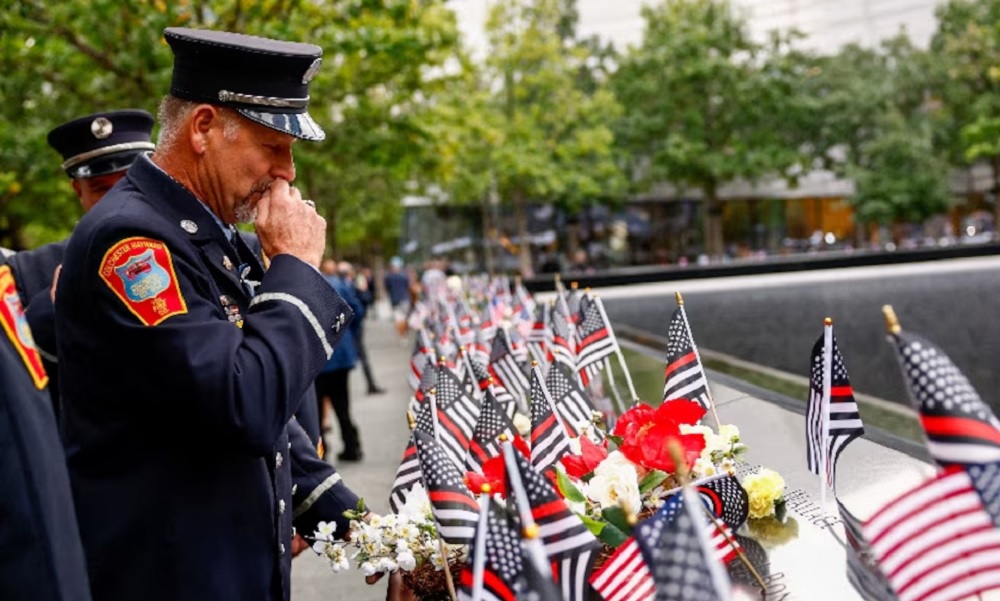
The attorneys general of 30 US states have asked the US Supreme Court to review a case involving around $3.5 billion in frozen assets of Da Afghanistan Bank that victims and families of the September 11 attacks are seeking to use for compensation.
The Iowa Attorney General’s Office said in a statement on Monday that the states filed a brief with the Supreme Court in support of the victims and their families, who have obtained compensation judgments in US federal courts.
According to the office, after years of legal proceedings, the victims and their families have secured nearly $17 billion in court-ordered compensation.
However, the US Second Circuit Court of Appeals ruled that around $3.5 billion in assets belonging to Afghanistan’s central bank cannot be used to satisfy those compensation awards.
The assets were frozen by the U.S. Treasury Department on August 15, 2021, the day the Islamic Emirate entered Kabul.
The state attorneys general argue that US law allows the frozen assets to be used to satisfy court-ordered compensation.
Iowa Attorney General Brenna Bird said the victims and their families had pursued justice and compensation through the US legal system and should be able to access the money awarded to them by the courts.
This comes as the Islamic Emirate has repeatedly called for the release of Da Afghanistan Bank assets.


Muttaqi and Shoigu discuss regional security and Afghanistan-Russia cooperation

Muttaqi, Russian deputy PM discuss expanding economic ties

Russia investigates suspected pneumonic plague; Trump ready to ‘help’

▶️Saudi Arabia, Turkey, Pakistan activate Mecca defense pact

Thirty US states seek access to Afghan assets for 9/11 victims

Saudi energy group signs major Afghanistan deals covering gas exploration and pipeline plans

Khalilzad: Afghanistan ready to attract major investment

UAE firm eyes investment in Salang’s second tunnel and pharmaceutical factories

US envoys make first Kyiv visit amid Ukraine war peace push

US Treasury ratchets up pressure on Iran with sweeping new aviation sanctions

Tahawol: Afghanistan-Iran: shared opportunities and challenges discussed

Saar: Pakistan’s hostile policy toward Afghanistan discussed

Tahawol: Doha process seeks new cooperation opportunities

Saar: Moscow forum 8th consultative meeting on Afghanistan

Tahawol: Escalation of internal political crisis in Pakistan discussed
-
 Sport4 days ago
ACB announces Afghanistan squads for Bangladesh, Zimbabwe series
-

 Sport1 day ago
Cricket Bonanza: Afghanistan set for packed international schedule
-
 Latest News4 days ago
Russia expects to ease Afghanistan-Pakistan tensions at Moscow Format meeting
-
 International Sports4 days ago
Afghanistan to face Pakistan, India and Australia at 2027 Cricket World Cup
-
 Regional4 days ago
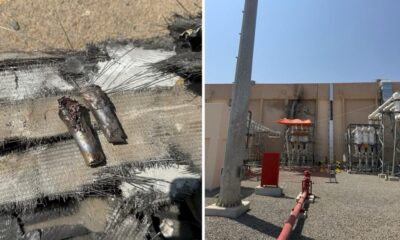
Saudi-led coalition says Houthis attacked power station for Prophet’s Mosque in Medina
-
 Regional4 days ago
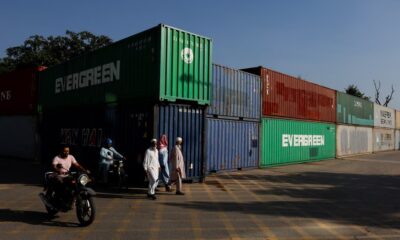
Cargo stacks up as Pakistan seizes containers to block capital routes
-
 Latest News3 days ago
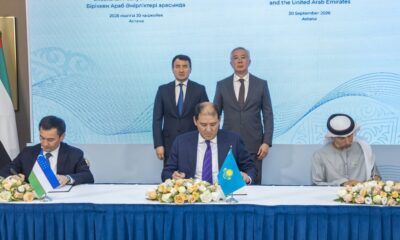
Kazakhstan, Uzbekistan and UAE sign MoU on CASA railway project via Afghanistan
-
 Regional3 days ago
Pakistan says Mecca pact members to hold emergency talks on engaging Houthis