
Latest News
Kabul airport set to resume normal flight operations in next few days

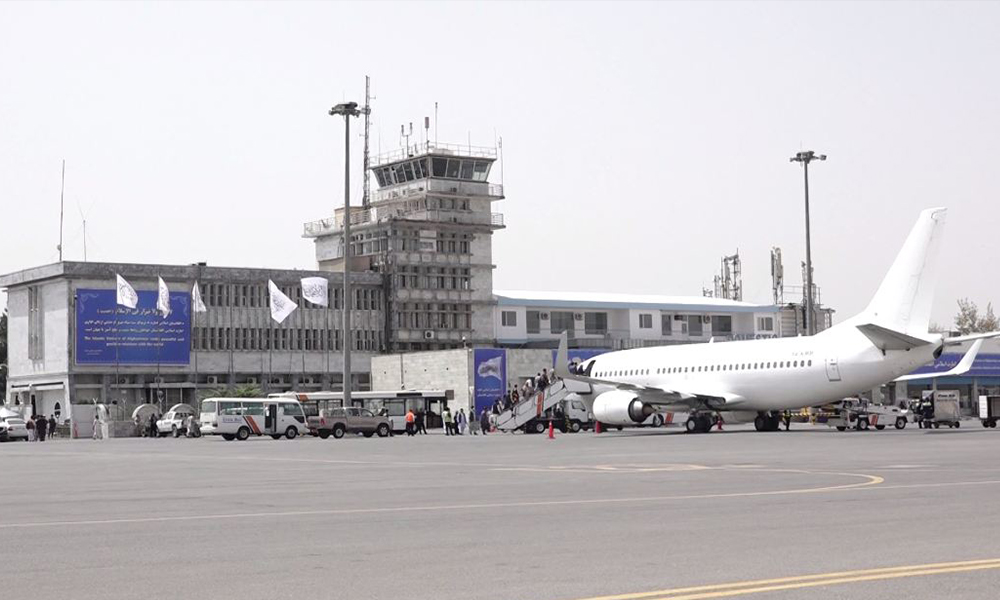
Kabul International Airport will be fully operational for domestic and international flights in the next two days, officials said.
Mawlawi Abdul Hadi Hamdan, head of Kabul airport, stated that domestic flights have already resumed and that technical efforts are being made to resume all international flights.
“Work is underway at the airport to return the airport to normal, and the technical teams of friendly countries are working [with us] and they have said that the airport will be activated for domestic and international flights in a few days,” Hamdan said.
Meanwhile, border police officers stationed at the airport have also returned to work.
“Supporting countries are working day and night and have managed to ready the airport for flights,” one border police officer Mohammad Nasir Nasimi said.
“We saw last week that domestic flights resumed and are normal and that there are no obstacles. We assure [the public] that we had two international flights last week and the airport will return to normal in the near future,” Nasimi said.
Currently, domestic flights are flying into Kabul as well as international aid flights – including two aid flights, from UAE and Bahrain, that landed on Saturday. These two flights brought in much-needed food and medicine.
However international commercial and cargo flights are yet to resume.
“Aid planes from Arab countries landed in Afghanistan and today two aid planes landed for the people of Afghanistan; we call on the international community to start sending aid to Afghanistan because the people are in great need of this,” Hamdan stated.
Meanwhile, Pakistan’s envoy to Kabul Mansoor Ahmad Khan tweeted Saturday that a C-130 from Pakistan landed at Khost airport earlier in the day bringing in relief goods including food and medicine.
“Pakistan’s humanitarian assistance to Afghanistan continuing effectively,” he said.


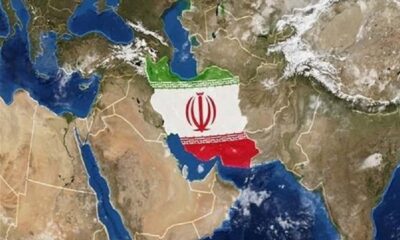



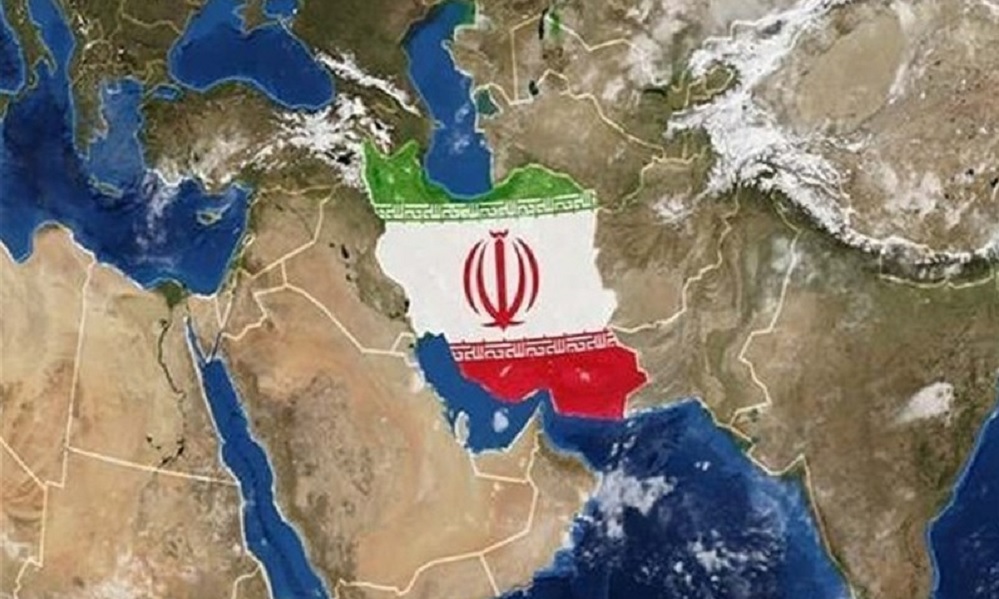
More than 1,200 Iranian nationals have returned home since the outbreak of the ongoing conflict, with many travelling through neighboring countries including Afghanistan and Armenia, according to reports.
Citing figures from Tasnim News Agency, a total of 1,262 Iranians have been repatriated from the United Arab Emirates since hostilities began. The returns come amid tightening travel restrictions and disrupted regional transport links.
Iranian authorities have formally requested that the UAE facilitate additional evacuation efforts, including the organisation of sea transport and access to a dedicated airstrip to expedite the return of citizens still stranded abroad.
Earlier on Wednesday, Dubai-based airline Emirates indicated on its website that Iranian nationals were no longer permitted to enter or transit through the UAE, further complicating travel options for those seeking to return home.
The developments come as regional airspace disruptions and security concerns linked to the ongoing conflict have significantly curtailed commercial travel routes across parts of the Middle East. With direct flights limited or suspended, many Iranians have been forced to rely on indirect and often complex routes through neighboring countries.
Countries such as Afghanistan and Armenia have emerged as key transit points due to their geographic proximity and continued land access, allowing travelers to bypass restricted air corridors.
The situation reflects broader challenges facing civilians in conflict-affected regions, where shifting aviation policies, border controls, and security risks have made cross-border movement increasingly difficult.
Authorities continue to explore alternative evacuation channels as demand for safe return routes remains high.
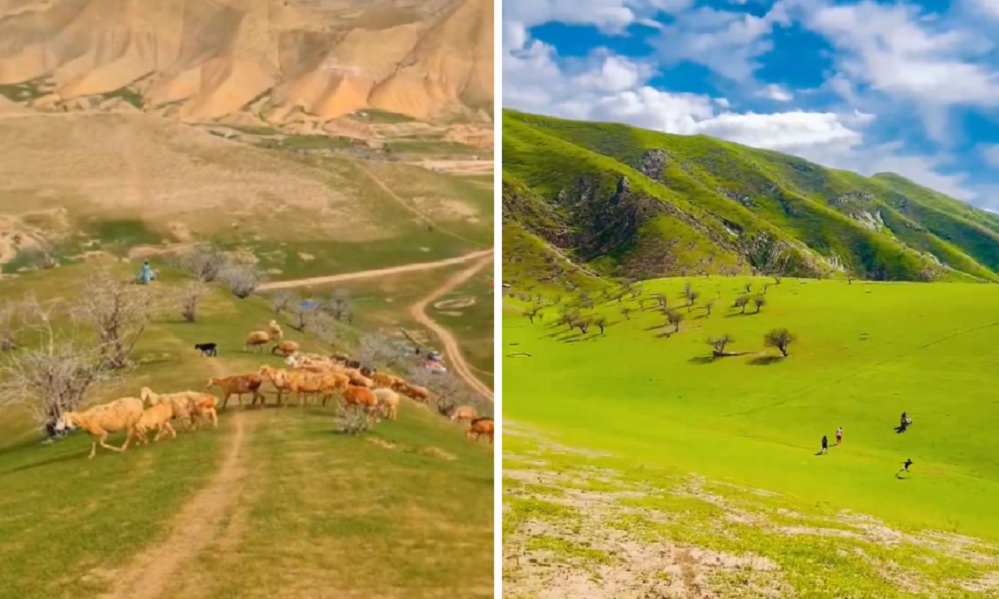
The Land Grabbing Prevention Commission has verified and secured more than 27.5 million jeribs of public grazing land in three provinces across Afghanistan over the past year, the Ministry of Justice said on Thursday.
The commission reported that extensive surveys were carried out in Faryab, Badghis, and Badakhshan, resulting in the formal identification and registration of over 27.57 million jeribs of pasture land.
According to the findings, more than 9.3 million jeribs were confirmed in Faryab, over 4.1 million jeribs in Badghis, and upwards of 14 million jeribs in Badakhshan. The grazing lands are located across provincial centers as well as all districts within these provinces.
The commission emphasized that survey and verification teams are currently working in other provinces to assess additional grazing lands.
Once the assessment process is completed in those areas, the lands will also be formally recorded in the land bank, ensuring legal protection and proper management.



Late drama as Lucknow edge Delhi Capitals in IPL thriller

Over 1,200 Iranians return home via regional routes amid travel restrictions

Over 27.5 million jeribs of public grazing land secured in three Afghan provinces

Two Afghan brothers drown while fishing in Ireland

Trump says Iran war’s core objectives near completion

Prominent Muslim scholar issues fatwa calling for Afghanistan-Pakistan ceasefire

IEA Supreme Leader issues Eid-ul-Fitr message urging unity and support for Islamic system

14 Pakistani soldiers killed after military post falls along Durand line: MoD

Ronaldo’s private jet flies out of Saudi Arabia following US Embassy drone strike in Riyadh

Afghanistan steps in to replace Iran in supplying fruits and vegetables to Russia

Tahawol: Ongoing US–Israeli war with Iran discussed

Saar: Afghanistan-Pakistan talks in China discussed

Tahawol: Escalation of conflict in Middle East discussed

Saar: Formation of Jirga in Khyber Pakhtunkhwa

Tahawol: Pakistani military shelling in Kunar
-
 Latest News3 days ago
TAPI gas pipeline advances 25 km in Afghanistan
-

 International Sports4 days ago
Injury concerns mount ahead of FIFA World Cup 2026 as stars sidelined
-
 Business4 days ago
Afghanistan, Uzbekistan ink $514.8 million deals to deepen trade ties
-
 Latest News4 days ago
Peshawar to host key Pakistan-Afghanistan peace jirga amid ongoing tensions
-

 Latest News4 days ago
US report flags continued presence of anti-India militant groups in Pakistan
-

 Latest News5 days ago
US regime change efforts in Afghanistan ended in failure, says Merz
-
 Business3 days ago
Afghanistan opens doors to agribusiness investments amid rising opportunities
-
 Latest News5 days ago
Herat Chamber of Commerce donates 15 million AFN to the people of Iran