
Latest News
Iraq-based US headquarters come under Iranian missile attack

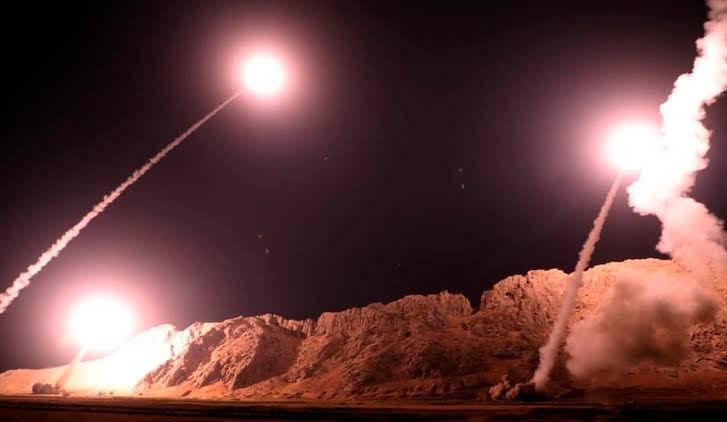
 Iran has launched two missiles at the US bases located in Iraq. This is considered as an act of revenge for Soleimani’s killing by the US.
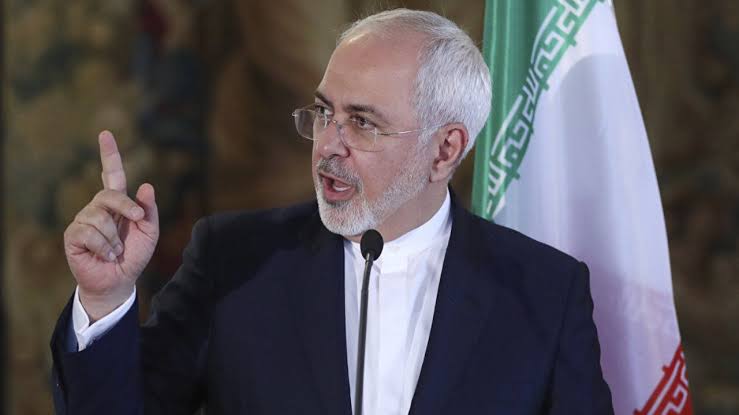
Iran’s Foreign Minister, Mohammad Javad Zarif, said Wednesday that Iran’s attacks at two Iraqi bases housing US forces were “self-defense measures under Article 51 of the UN Charter.”
“We do not seek escalation of tensions or war; however, we will defend ourselves against aggression,” he tweeted.
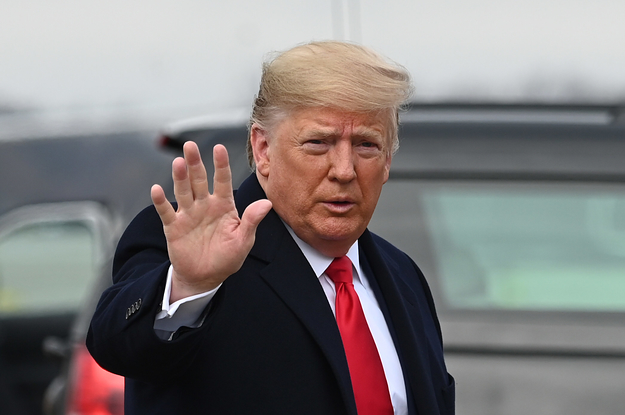
Following Iran’s attacks in Iraq, US President Donald Trump tweeted “All is well.”
“Assessment of casualties and damages is in progress. So far, so good! We have the most powerful and well-equipped military anywhere in the world, by far!” Trump said.
 Meanwhile, the US Secretary of Defense, Mark Esper, said Tuesday that the US does not seek war, but it is ready to respond forcefully, if necessary.”
“Afghan President Ashraf Ghani and Pakistani General Bajwa, both have offered peaceful counsel and advice in calls today,” Esper tweeted.
Furthermore, the US Secretary of State, Mike Pompeo said in a tweet that Iran has refused to join the Regional and International Consensus for peace in Afghanistan.
“Its sustained efforts to support militant groups undermine the Afghan Peace Process. The Taliban’s entanglement in Iran’s dirty work will only hinder progress,” Pompeo added.
It is noteworthy that the US Federal Aviation Administration has canceled all passenger flights over Iran, Iraq, the Gulf, and the Oman Sea. The reason is “increased military activity and the possibility of miscalculation or misidentification.”







Latest News
Mujahid: Sanctions on Islamic Emirate officials violate human rights and should be lifted
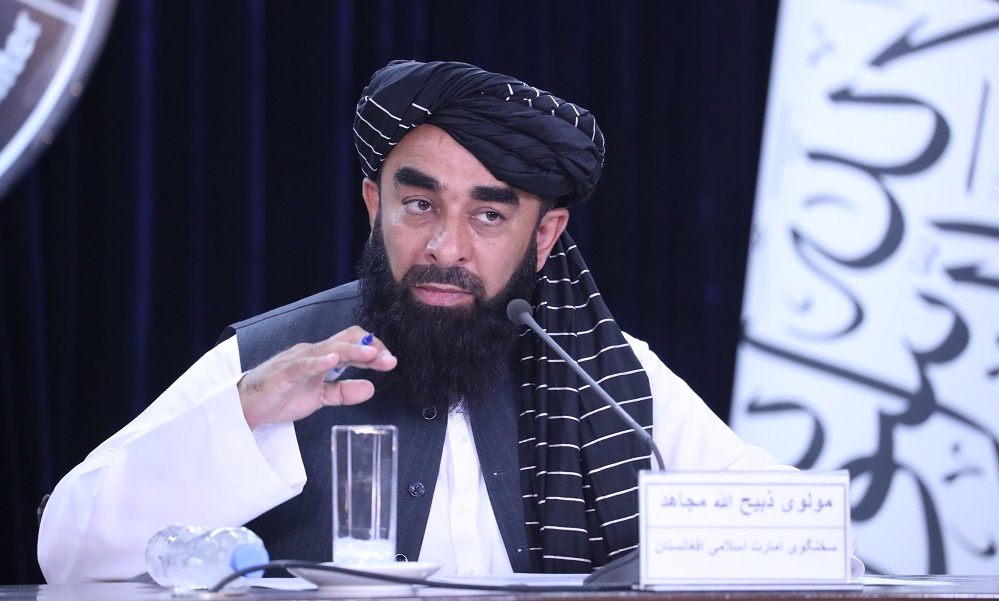
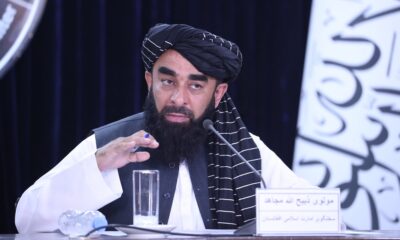
Zabihullah Mujahid, spokesperson for the Islamic Emirate of Afghanistan, has criticized the United Nations Security Council for updating its sanctions list, saying the continued measures against Afghan officials violate human rights and should be lifted.
Mujahid said sanctions imposed on officials of the Islamic Emirate over the years have failed to produce results and their renewal reflects a continuation of an ineffective policy.
“Imposing sanctions deprives individuals of their rights and has been done without cause,” Mujahid said. “These sanctions have produced no results over the years and have not been a successful experience. Renewing the list again is simply repeating the same failed policy.”
He added that placing senior officials on sanctions lists restricts their ability to travel and engage internationally, which he said ultimately harms the country and its people.
“This is a violation of the rights of individuals and of the nation,” Mujahid said. “When senior figures are on the sanctions list, their travel is naturally restricted, which directly affects society. These sanctions should be lifted because they are unjustified and have brought no benefit.”
The UN Security Council 1988 Sanctions Committee, established under United Nations Security Council Resolution 1988 (2011), recently amended entries for 22 individuals on its sanctions list. Those listed are subject to asset freezes, travel bans and an arms embargo under United Nations Security Council Resolution 2816, adopted under Chapter VII of the UN Charter.
Among the officials included on the list are Mohammad Hassan Akhund, Prime Minister; Abdul Ghani Baradar, Deputy Prime Minister for Economic Affairs; Abdul Salam Hanafi, Administrative Deputy Prime Minister; Amir Khan Muttaqi, Foreign Minister; Sirajuddin Haqqani, Interior Minister; Abdul Kabir, Minister of Refugees and Repatriation; Abdul Latif Mansoor, Minister of Rural Rehabilitation and Development; and Din Mohammad Hanif, Minister of Economy.
Individuals included on the list may travel to UN member states only with prior approval from the Security Council sanctions committee.
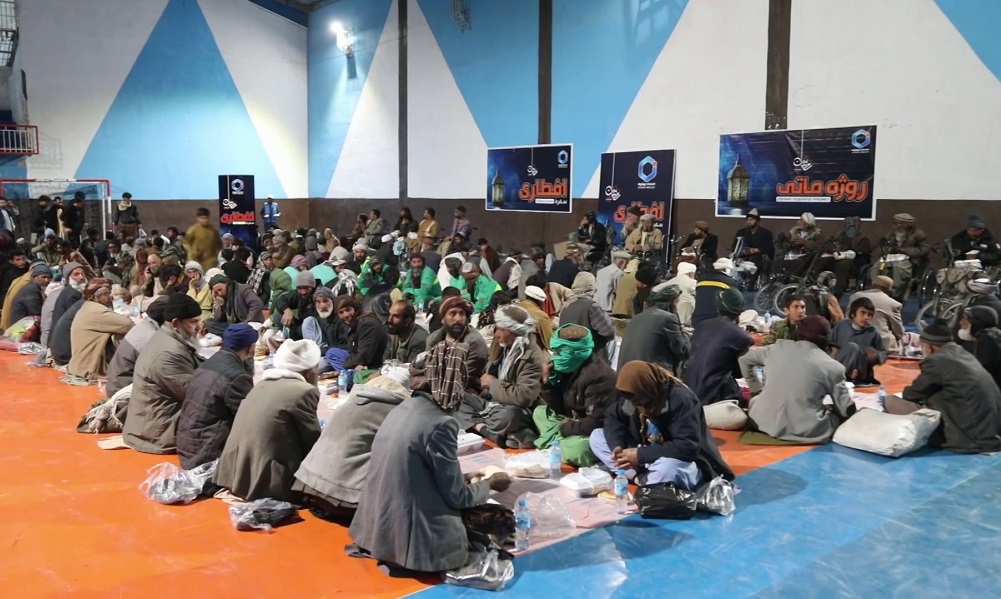
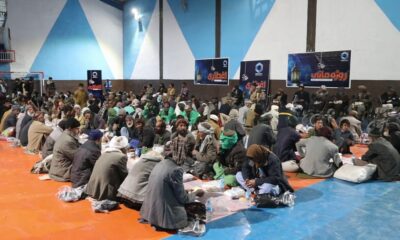
Afghan Wireless Communication Company (AWCC) distributed iftar meals to hundreds of people in Herat province, including those in need, persons with disabilities, and service staff from several government departments.
The initiative was organized to support needy and vulnerable families during the holy month of Ramadan.
Company officials said around 500 food packages were prepared for fasting individuals, benefiting people introduced by the Herat Municipality and the Department of Martyrs and Disabled.
Wahid Ahmad Nouri, Afghan Wireless representative in Herat, said: “We prepared 500 food packages for 500 people. These individuals were introduced by the sanitation department of the municipality and the Department of Martyrs and Disabled.”
Some participants, particularly persons with disabilities, called on charitable organizations and private companies to expand their support for vulnerable groups during Ramadan.
They noted that many people with disabilities are unable to work and therefore rely heavily on assistance from charities and benefactors.
Mohammad Naser Walizadeh, a resident of Herat, said: “We ask all companies to support the disabled community—one of the most vulnerable groups in society—within their means, just as AWCC has done.”
Meanwhile, disability rights advocates say economic hardships affect persons with disabilities more severely under the current conditions and stress the need for broader support.
Sultan Ahmad Saber, a disability rights advocate in Herat, said: “Credible international organizations have warned of potential food shortages affecting millions of people, and naturally these economic difficulties are even greater for persons with disabilities.”
AWCC organizes iftar programs with different segments of society each year in addition to distributing food packages to needy families. This year, hundreds of people attended the company’s iftar event in Herat.
Latest News
IEA Supreme Leader issues Eid-ul-Fitr message urging unity and support for Islamic system
He called on Afghans to support the country’s security forces and maintain unity, warning against ethnic, linguistic or regional divisions.

The Supreme Leader of the Islamic Emirate of Afghanistan, Hibatullah Akhundzada, has extended Eid-ul-Fitr greetings to Afghans and Muslims worldwide, calling for unity, charity, and continued support for the country’s Islamic system.
In a message released to mark the end of the holy month of Ramadan, Akhundzada congratulated the “Mujahid and devout people of Afghanistan” and prayed that God would accept the fasting, prayers and other acts of worship performed during the month.
He urged Muslims to use the occasion of Eid to strengthen compassion and social solidarity, stressing the importance of Zakat-ul-Fitr and encouraging wealthy individuals to assist widows, orphans and poor families so they can also celebrate the holiday.
“On this blessed day Muslims should remove hatred and resentment from their hearts, forgive one another and exchange Eid greetings,” the statement said.
Emphasis on unity and security
Akhundzada said Afghanistan currently enjoys improved security compared with past decades of conflict and credited the sacrifices of IEA fighters for what he described as stability under the Islamic Emirate.
He called on Afghans to support the country’s security forces and maintain unity, warning against ethnic, linguistic or regional divisions.
“The honor and dignity of Muslims depend on unity and brotherhood,” he said, adding that Afghans should remain vigilant against what he described as “plots of enemies.”
Support for Islamic governance
In his message, the IEA leader urged officials and citizens to cooperate with government institutions, including the Ministry for the Promotion of Virtue and Prevention of Vice, which he said is working to prevent corruption and strengthen Islamic values in society.
He also called on religious scholars to play a greater role in guiding young people and promoting religious education across the country, including through mosques and community gatherings.
Akhundzada encouraged authorities to pursue development alongside religious governance, noting that construction, land cultivation and public services are responsibilities of the Islamic system.
International relations
The supreme leader said Afghanistan seeks positive relations with the Islamic world and constructive engagement with other countries based on Islamic principles, while urging foreign governments to respect Afghan beliefs and refrain from interfering in the country’s internal affairs.
He also expressed solidarity with Muslims facing hardship around the world and condemned violations of their rights.
The message concluded with Eid greetings to Muslims globally and prayers for unity, peace and prosperity for the Muslim community.
Eid-ul-Fitr marks the end of the fasting month of Ramadan and is one of the most important religious holidays for Muslims worldwide.


Mujahid: Sanctions on Islamic Emirate officials violate human rights and should be lifted

AWCC distributes iftar meals to hundreds in Herat

IEA Supreme Leader issues Eid-ul-Fitr message urging unity and support for Islamic system

Turkmenistan, Afghanistan discuss steps to speed up land acquisition for TAPI pipeline

WFP delivers emergency aid to families displaced by conflict in Afghanistan

Pakistani military jet downed in Afghanistan’s Jalalabad, pilot captured alive

Afghan Air Force conducts airstrikes in Islamabad, other cities

IEA releases three Pakistani soldiers to mark Ramadan

Afghanistan’s Chief of Armed Forces underscores readiness and equipment for national defense

Afghanistan welcomes investment and technology partnerships with India

Tahawol: China’s efforts for Afghanistan-Pakistan talks

Saar: UNSC’s upcoming vote on UNAMA mandate

Tahawol: Afghan, Chinese FMs’ phone talks discussed

Saar: UN meeting on UNAMA mission in Afghanistan discussed

Exclusive interview with Stephen Rodriguez, UN Development Programme Representative in Afghanistan
-
 Latest News3 days ago
Afghan airstrikes target Pakistani military sites in retaliation for air attacks
-
 Latest News2 days ago
14 Pakistani soldiers killed after military post falls along Durand line: MoD
-
 Latest News3 days ago
IEA condemns Pakistan’s airstrikes in several Afghan provinces
-
 Sport4 days ago
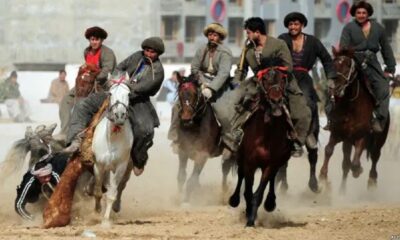
Afghanistan’s national buzkashi team set to compete in Kazakhstan
-
 Latest News4 days ago
China urges de-escalation in Iran crisis and Afghanistan–Pakistan tensions
-
 Latest News4 days ago
China to build nine border facilities along Tajik-Afghan frontier: report
-

 World4 days ago
Iran claims it targeted a US-linked oil tanker in Strait of Hormuz
-
 Business4 days ago
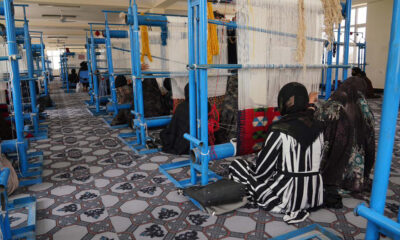
UNHCR launches largest carpet-weaving centre in western Afghanistan